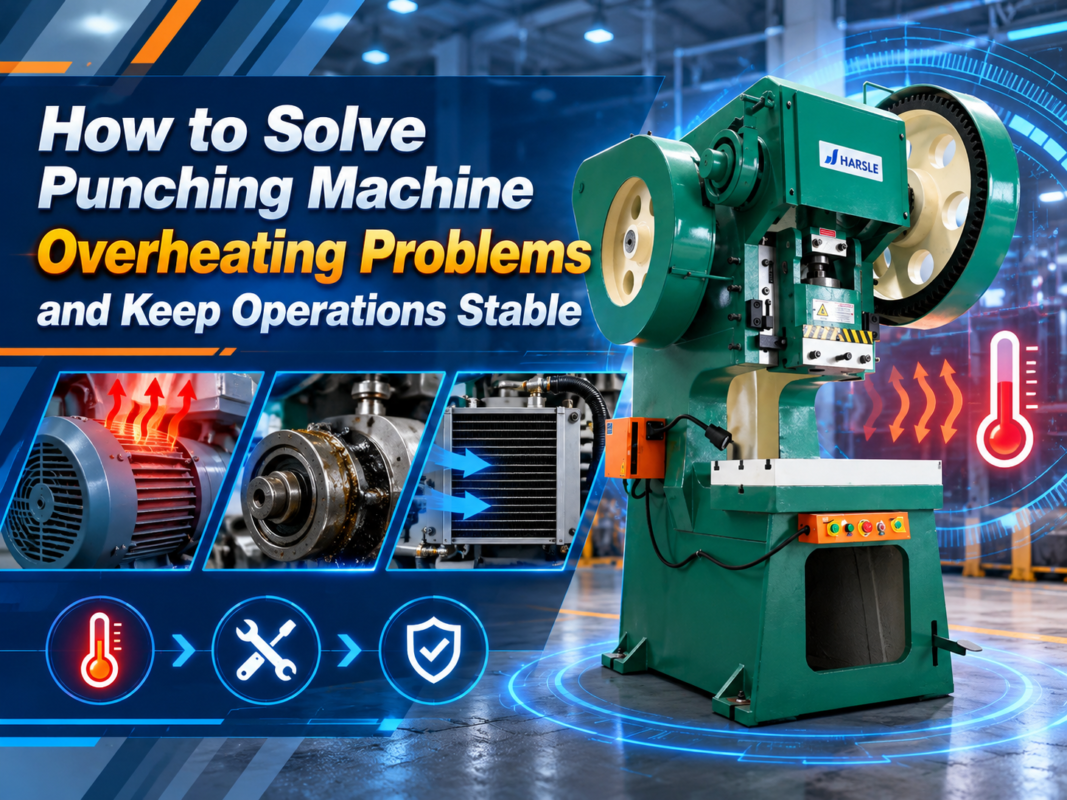
Punching Machine Maintenance Checklist for Longer Equipment Life: A HARSLE Guide


The Critical Importance of a Punching Machine Maintenance Checklist for Longer Equipment Life
In the high-stakes world of metal fabrication, the punching machine serves as the backbone of production. Whether you are operating a high-speed CNC turret punch or a robust hydraulic punching station, the reliability of your equipment directly correlates to your bottom line. Implementing a rigorous Punching Machine Maintenance Checklist for Longer Equipment Life is not merely a suggestion; it is a strategic necessity for any shop floor manager aiming to minimize downtime and maximize ROI.
When machinery is neglected, the cumulative effect of friction, heat, and vibration leads to premature component failure. By adhering to a structured maintenance protocol, operators can identify micro-fractures, fluid leaks, or electrical inconsistencies before they escalate into catastrophic system failures. This proactive approach ensures that your HARSLE equipment maintains the precision tolerances required for modern metalworking applications.
Furthermore, consistent maintenance extends the operational lifespan of your punching machine by years, delaying the need for expensive capital investments. A well-maintained machine also consumes less energy, operates with lower noise levels, and produces higher-quality parts with fewer burrs or deformities. Investing time in maintenance today prevents the high cost of emergency repairs tomorrow.
Finally, safety is paramount. A machine that is poorly maintained is a liability. Loose bolts, frayed wiring, or failing hydraulic seals pose significant risks to operators. A comprehensive maintenance checklist serves as a safety audit, ensuring that every safety guard, emergency stop, and light curtain is functioning exactly as intended, protecting your most valuable asset: your workforce.
Daily Inspection Protocols for Peak Performance
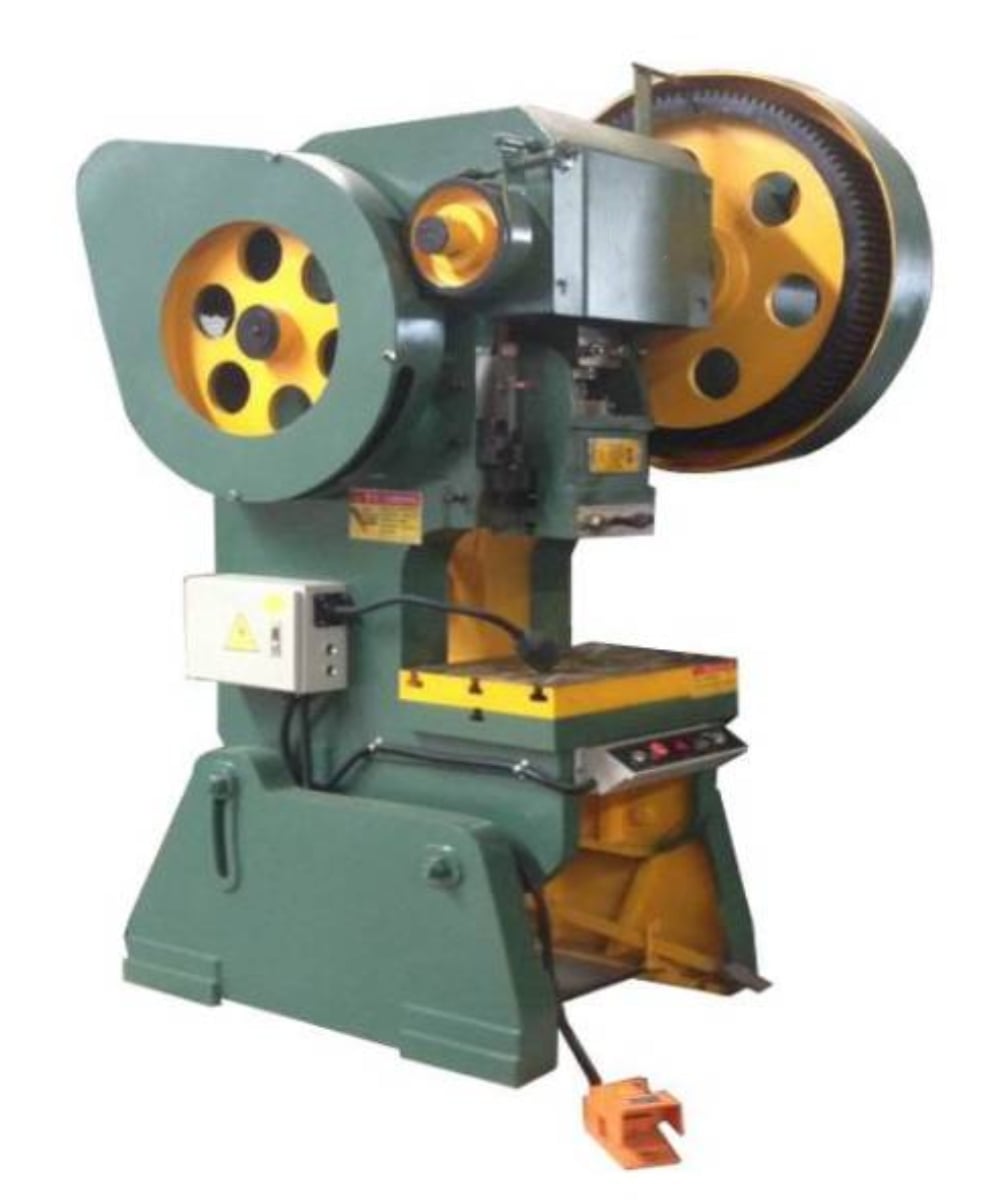
The daily inspection is the first line of defense in your Punching Machine Maintenance Checklist for Longer Equipment Life. Before the start of every shift, operators should perform a visual and auditory walkthrough of the machine. This routine should take no more than 10 to 15 minutes but can save hours of troubleshooting later in the day.
Start by checking the cleanliness of the work area. Metal shavings, dust, and debris are the enemies of precision machinery. Ensure that the punch and die stations are free from scrap buildup. Use compressed air or a soft brush to clear the turret or die holder, ensuring that the seating surfaces are perfectly clean to prevent misalignment during the punching cycle.
Next, inspect the hydraulic fluid levels and the condition of the hoses. Even a minor weep in a hydraulic line can lead to pressure drops that affect punching force. Check the oil level in the sight glass and ensure it is within the manufacturer’s recommended range. If the oil appears cloudy or dark, it may indicate contamination or thermal breakdown, signaling a need for a more thorough investigation.
Listen to the machine during its initial warm-up cycle. Unusual grinding, clicking, or high-pitched whining sounds are often the first indicators of bearing wear or lubrication failure. If the machine sounds different than it did the previous day, investigate the source immediately. Do not ignore these auditory cues, as they are often the earliest warning signs of mechanical distress.
Finally, verify the functionality of all emergency stops and safety interlocks. Test the light curtains or physical guards to ensure the machine halts instantly when triggered. A punching machine is a powerful tool, and its safety systems must be 100% reliable at all times. Document these daily checks in a logbook to create a historical record of machine health.
Hydraulic, Electrical, and Mechanical Systems Checks
A deep-dive maintenance approach requires looking beyond the surface. The hydraulic system is the heart of most punching machines, and it requires specific attention. Every month, inspect the hydraulic pump for leaks and ensure that the pressure relief valves are set to the correct specifications. Over time, hydraulic fluid can degrade, losing its viscosity and lubricating properties. Follow the HARSLE manual for fluid change intervals and ensure that you are using the correct grade of hydraulic oil for your specific climate and workload.
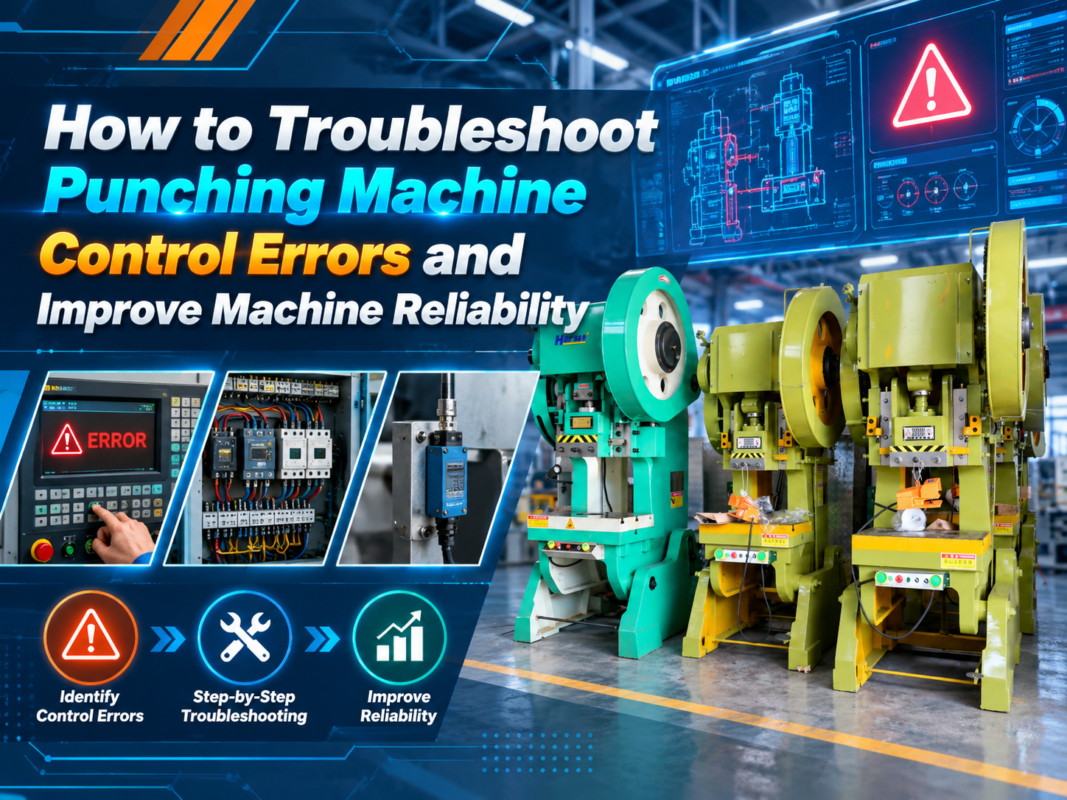
The electrical system is equally critical, especially in CNC-controlled punching machines. Dust is a major enemy of electrical cabinets. Ensure that the cabinet cooling fans are operational and that the filters are clean. A clogged filter can lead to overheating of the PLC (Programmable Logic Controller) and servo drives, causing intermittent errors or complete system crashes. Periodically check all terminal blocks for tightness, as vibration can loosen connections over time, leading to arcing or signal loss.
Mechanical components, such as the ram, guide rails, and turret indexing mechanisms, require precise alignment. Use a dial indicator to check the ram for any lateral play. If the ram is loose, it will cause uneven punch wear and poor edge quality on the workpiece. Inspect the guide rails for scoring or pitting. If the rails are damaged, they must be resurfaced or replaced to maintain the accuracy of the punching stroke.
The turret indexing mechanism is a complex assembly that requires periodic calibration. Ensure that the locking pins engage smoothly and that there is no excessive backlash in the turret rotation. If the turret is slightly out of alignment, the punch will strike the die off-center, which can cause severe damage to both the tooling and the machine frame. Regularly check the drive belts or gears that power the turret for signs of wear or stretching.
Developing a Comprehensive Lubrication Plan
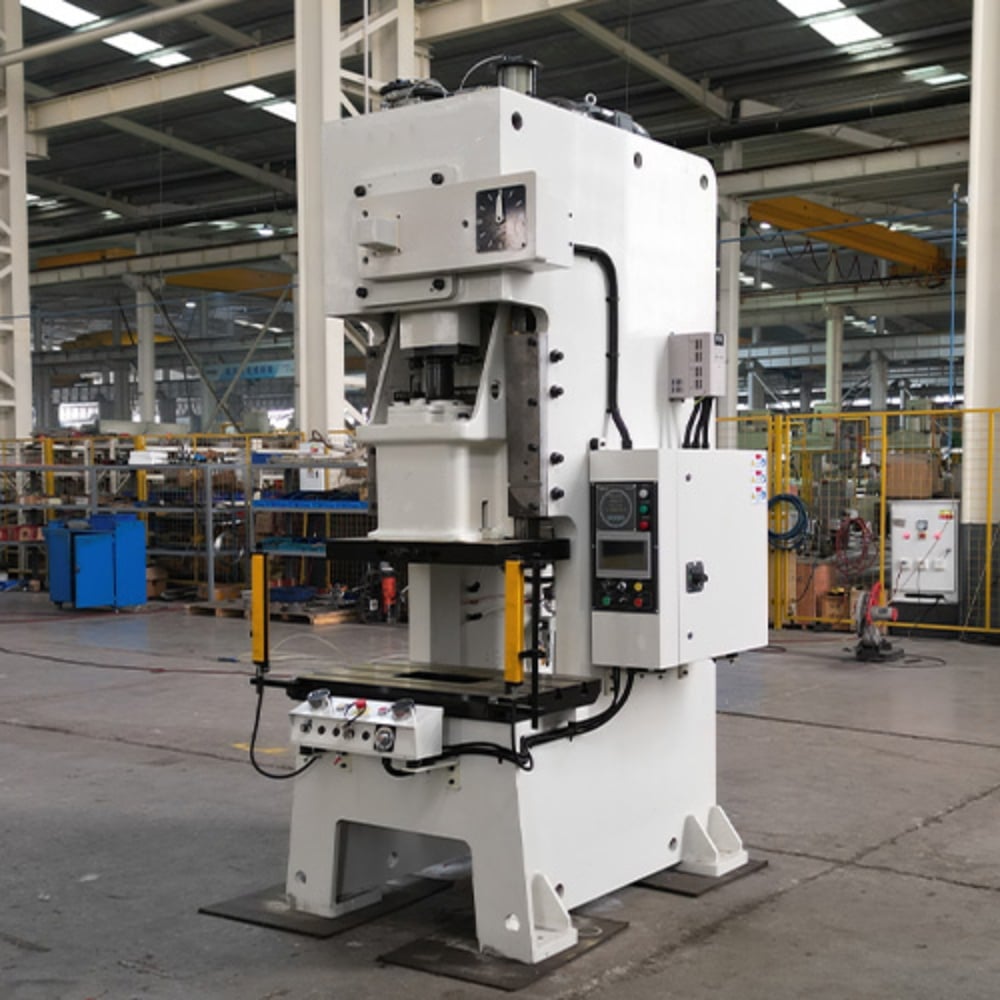
Lubrication is the lifeblood of any metal fabrication equipment. Without proper lubrication, metal-on-metal contact leads to rapid wear, increased friction, and heat generation. A robust Punching Machine Maintenance Checklist for Longer Equipment Life must include a detailed lubrication schedule that specifies the type of lubricant, the application point, and the frequency of application.
Identify all grease nipples and oil points on the machine. These typically include the ram guides, turret bearings, and any lead screws or ball screws used in the axis movement. Use a high-quality, multi-purpose lithium-based grease unless the manufacturer specifies otherwise. Over-greasing can be just as harmful as under-greasing, as it can attract dust and create a grinding paste; always wipe away excess grease after application.
For machines with automatic lubrication systems, check the reservoir levels weekly. Ensure that the pump is delivering oil to all distribution blocks. If a specific point is not receiving lubricant, the line may be blocked or the distribution valve may be faulty. Clear any blockages immediately to prevent localized wear.
Consider the environment in which the machine operates. If your shop is particularly dusty or operates in high-temperature conditions, you may need to increase the frequency of your lubrication intervals. Keep a lubrication log that tracks when each point was serviced. This prevents missed points and ensures that the entire machine is covered under your maintenance strategy.
Finally, don’t forget the tooling itself. While not part of the machine frame, the punch and die sets require lubrication to prevent galling. Use specialized punch lubricants or coatings to reduce friction during the punching process. This not only improves part quality but also significantly extends the life of your expensive tooling sets.
Troubleshooting Signals: When to Call for Help
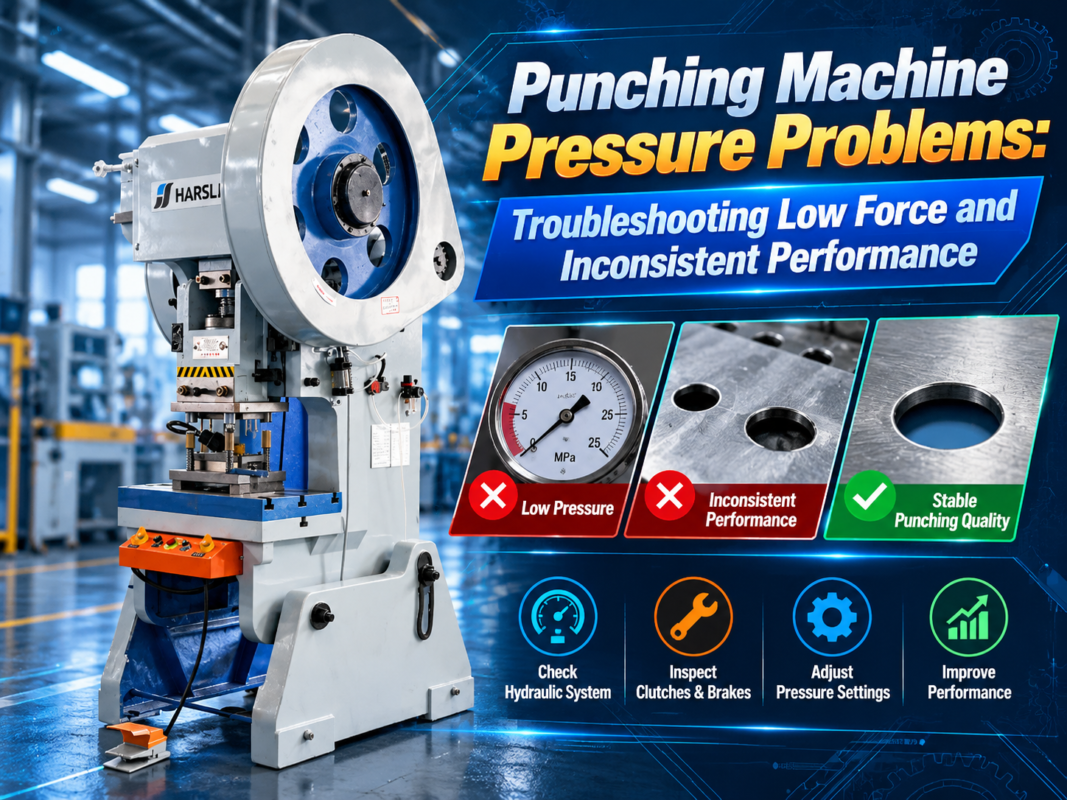
Even with the best maintenance, issues can arise. Recognizing the early warning signs is key to preventing major downtime. One common signal is a change in the punching force or speed. If the machine feels sluggish or struggles to penetrate the material, it may indicate a hydraulic pressure issue, a dull punch, or a failing motor. Do not force the machine to work harder; stop and investigate the root cause.
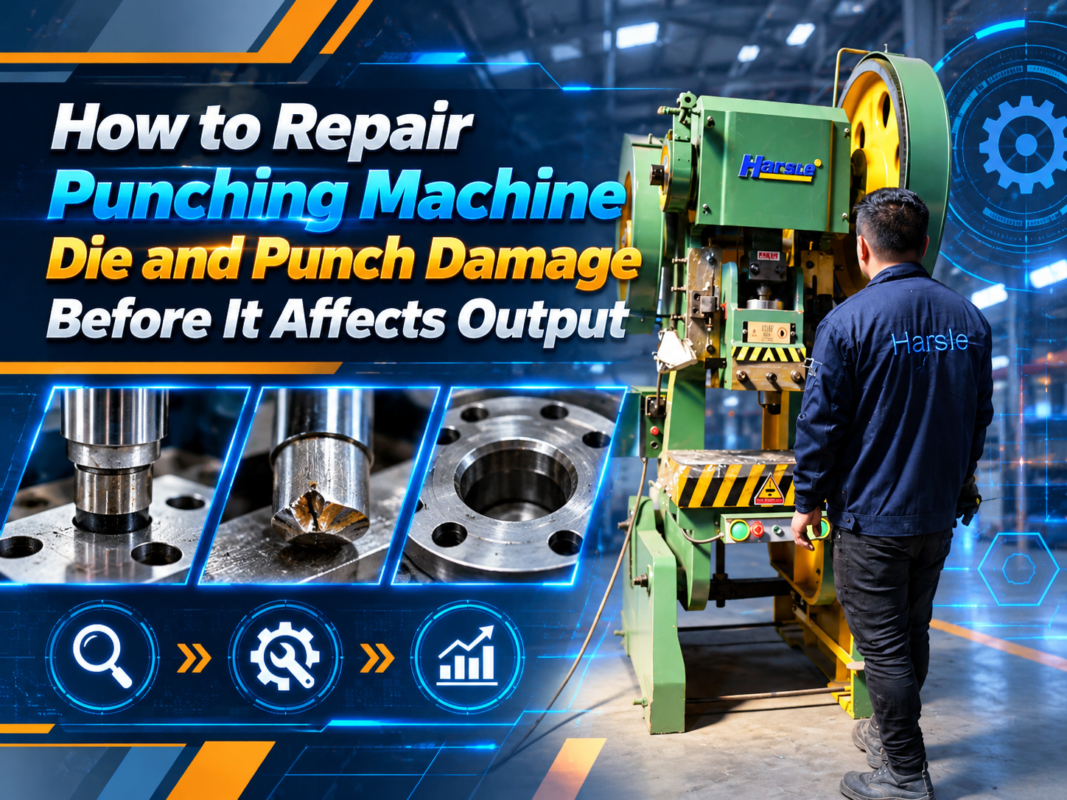
Another signal is inconsistent part quality. If you notice burrs on one side of the hole but not the other, your punch and die alignment is likely compromised. Check the clearance between the punch and die; if it is uneven, the tooling will wear prematurely and the machine frame may be subjected to unnecessary stress. If the problem persists after checking alignment, look for wear in the ram guides.
Electrical errors on the CNC screen should never be ignored. Even if a reset clears the error, the underlying cause remains. Log these errors and look for patterns. If you see the same error code appearing during specific operations, it may point to a loose sensor, a failing cable, or a software glitch that needs professional attention.
Vibration is another critical indicator. If the machine vibrates excessively during operation, check the foundation bolts. A machine that is not perfectly level will experience uneven stress distribution, leading to frame fatigue and poor accuracy. Use a precision level to verify that the machine is still properly seated on its foundation pads.
Maintenance Schedule Table
| Task | Frequency | Importance |
|---|---|---|
| Visual Inspection & Debris Removal | Daily | High |
| Check Hydraulic Fluid Levels | Daily | High |
| Test Safety Interlocks/E-Stops | Daily | Critical |
| Lubricate Moving Parts/Bearings | Weekly | High |
| Clean Electrical Cabinet Filters | Monthly | Medium |
| Check Hydraulic Pressure/Hoses | Monthly | High |
| Inspect Ram/Guide Rail Alignment | Quarterly | High |
| Full System Calibration | Annually | Critical |
Frequently Asked Questions (FAQ)
How often should I change the hydraulic oil in my punching machine?
Typically, hydraulic oil should be changed every 2,000 to 4,000 operating hours, or once a year, whichever comes first. However, if your oil analysis shows signs of contamination or oxidation, change it sooner.
What is the most common cause of punch failure?
The most common cause is improper clearance between the punch and die, followed by lack of lubrication and using the punch on material that exceeds the machine’s rated capacity.
Can I use any grease for my punching machine?
No, always follow the HARSLE manual. Using the wrong viscosity or type of grease can lead to bearing failure or clogging of the lubrication lines.
Why is my machine making a loud banging noise?
A loud banging noise often indicates a loose component, a worn bearing, or a hydraulic system issue. Stop the machine immediately and inspect the ram and turret assembly for signs of damage.
How do I know if my punching machine is level?
Use a high-precision machinist’s level on the main bed of the machine. Check both the X and Y axes. If the machine is not level, it will cause uneven wear and poor punching accuracy.