How Shearing Machines Improve Sheet Metal Cutting Efficiency: A Comprehensive Guide


Introduction: The Role of Precision in Modern Fabrication
In the fast-paced world of metal fabrication, the ability to process raw materials into precise components with minimal waste is the hallmark of a successful operation. Among the various tools available to fabricators, the shearing machine stands out as a foundational piece of equipment. Understanding how shearing machines improve sheet metal cutting efficiency is essential for shop managers and engineers looking to optimize their production lines. By utilizing high-force blades to slice through metal sheets, these machines provide a level of speed, accuracy, and repeatability that manual cutting methods simply cannot match.
HARSLE has long been at the forefront of engineering robust shearing solutions that cater to diverse industrial needs. Whether you are working with thin-gauge aluminum or heavy-duty structural steel, the right shearing machine acts as the engine of your workshop. This article explores the technical nuances, operational benefits, and strategic advantages of integrating advanced shearing technology into your workflow, ensuring that your facility remains competitive in an increasingly demanding market.
Efficiency in metal cutting is not merely about speed; it is about the synergy between material utilization, operator safety, and machine longevity. As we delve into the mechanics of these machines, you will see how modern hydraulic and mechanical systems have evolved to reduce downtime and increase throughput. From automated backgauges to precision blade clearance adjustments, every feature is designed to streamline the cutting process and elevate the quality of the finished product.
By the end of this guide, you will have a comprehensive understanding of why investing in high-quality shearing equipment is a critical decision for any metal fabrication business. We will examine the technical specifications that drive performance and provide actionable advice on selecting the right machine for your specific application requirements, ensuring that your investment yields long-term dividends in productivity and profitability.
Key Considerations for Maximizing Cutting Efficiency
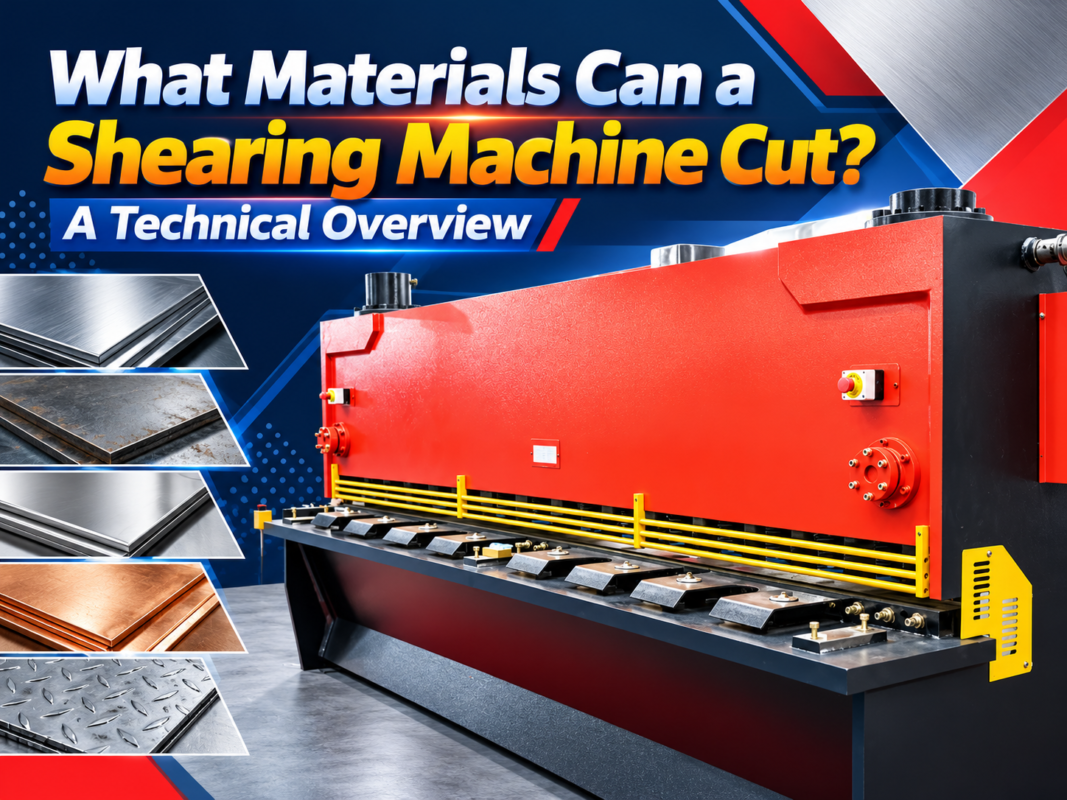
To truly understand how shearing machines improve sheet metal cutting efficiency, one must first look at the variables that influence the cutting process. The primary factor is the material thickness and type. Different metals possess varying levels of tensile strength and ductility, which dictate the required cutting force and blade clearance. A machine that is properly calibrated for the specific material being processed will experience less wear and tear, leading to higher efficiency over time.
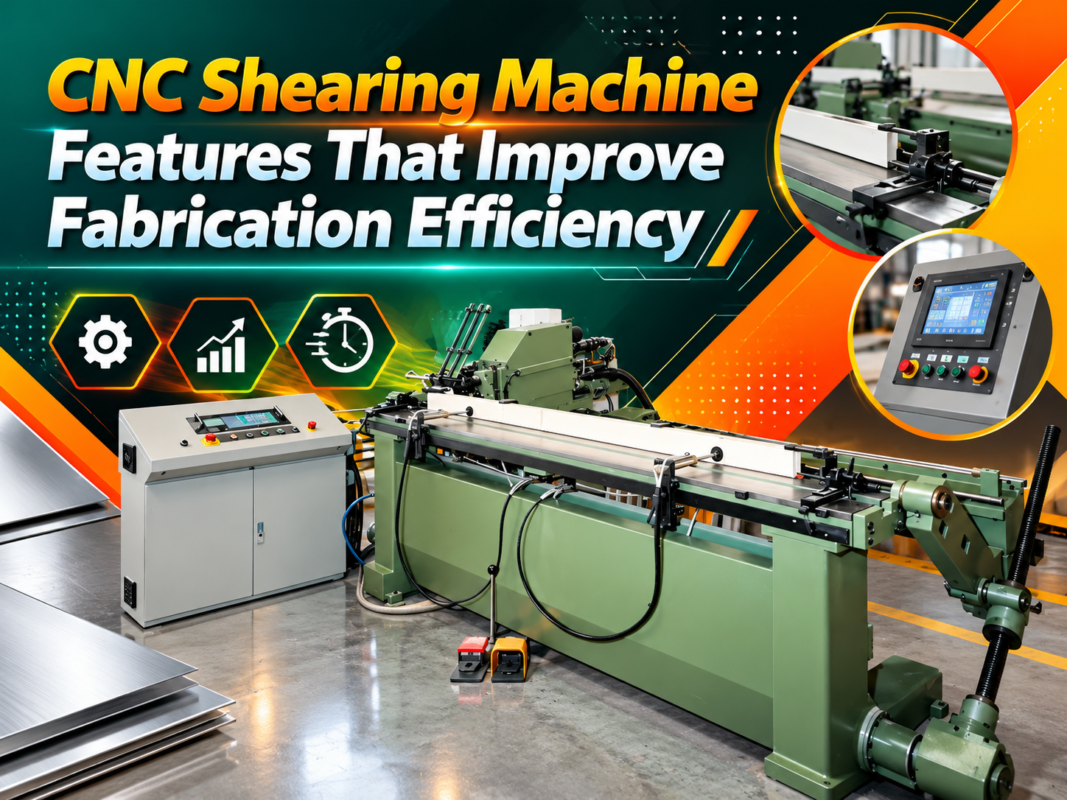
Another critical consideration is the automation level of the shearing machine. Modern HARSLE shearing machines often feature CNC-controlled backgauges that allow for rapid, precise positioning of the sheet metal. By reducing the time spent on manual measurements and adjustments, operators can focus on the actual cutting process, significantly increasing the number of parts produced per hour. This automation also minimizes human error, ensuring that every cut is consistent with the previous one.
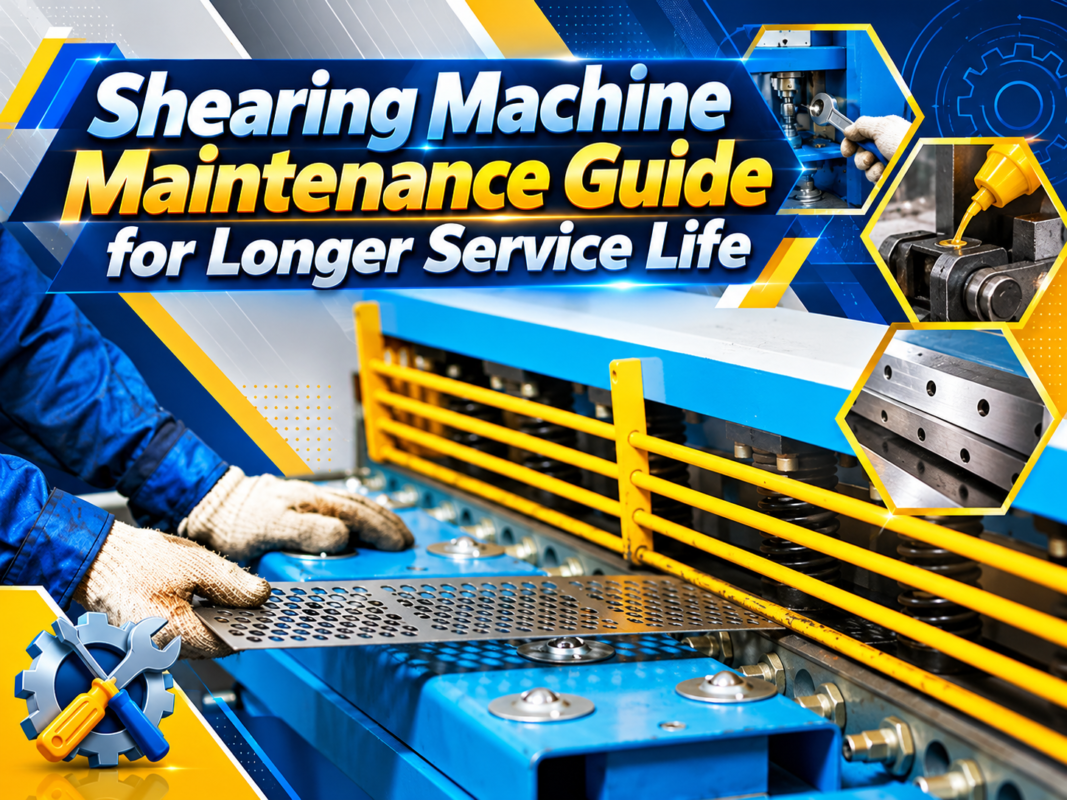
Blade maintenance is perhaps the most overlooked aspect of efficiency. A dull blade requires more force to penetrate the metal, which not only consumes more electricity but also puts unnecessary strain on the machine’s hydraulic or mechanical components. Regular sharpening and proper clearance settings are vital. When the blade clearance is optimized for the material thickness, the shearing action is clean, requiring less secondary finishing work like deburring or grinding, which further accelerates the overall production cycle.
Workflow integration also plays a massive role. How the material is fed into the machine and how the finished parts are removed can create bottlenecks. Implementing material handling systems, such as conveyors or sheet supports, ensures that the shearing machine is constantly fed with raw material. By minimizing the idle time between cuts, shops can achieve a continuous flow of production that maximizes the return on the machinery investment.
Technical Details: The Mechanics of High-Performance Shearing
The core of a shearing machine’s efficiency lies in its hydraulic or mechanical drive system. Hydraulic shearing machines, which are the industry standard for heavy-duty applications, utilize high-pressure oil to drive the cutting beam. This provides a smooth, consistent force throughout the entire stroke, which is crucial for achieving a clean edge on thicker materials. The ability to adjust the stroke length also allows operators to save time when cutting smaller pieces, as the beam does not need to travel the full distance for every cut.
Blade geometry and material composition are equally important. High-carbon, high-chrome steel blades are typically used to ensure durability and resistance to wear. The rake angle of the blade—the angle at which the blade meets the material—is a technical feature that significantly impacts the cutting force required. A lower rake angle results in less distortion of the cut piece, which is vital for high-precision components, while a higher rake angle allows for cutting thicker materials with less effort.
The backgauge system is the brain of the shearing machine. Modern CNC backgauges allow for multi-step programming, where the machine automatically adjusts the position for different cut lengths in a sequence. This is particularly useful for batch production where multiple strips of varying widths are needed from a single sheet. By automating these transitions, the machine eliminates the need for manual stops and re-measuring, which are the primary sources of inefficiency in traditional cutting methods.
Furthermore, the integration of shadow line lighting or laser cutting lines provides the operator with a clear visual guide, ensuring that the sheet is aligned perfectly before the cut is initiated. This visual aid reduces scrap rates, as operators can verify the cut path before engaging the blade. When combined with safety features like light curtains and interlocked guards, these technical advancements create a workspace that is both highly productive and safe for the operator.

Selection Advice: Choosing the Right Machine for Your Shop
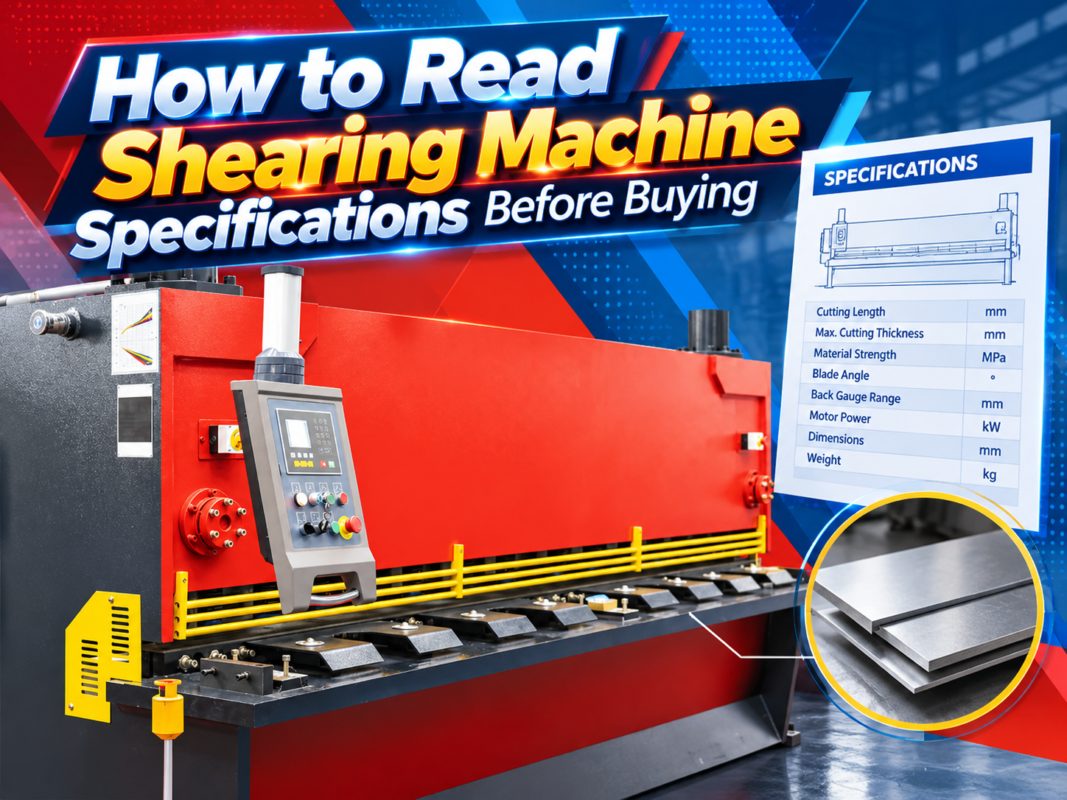
Selecting the right shearing machine requires a thorough assessment of your current and future production needs. Start by analyzing the maximum thickness and length of the materials you process most frequently. While it might be tempting to purchase a machine with the largest capacity available, doing so can lead to higher energy costs and slower cycle times if the machine is oversized for your typical tasks. Aim for a machine that comfortably handles your average workload while providing a buffer for occasional larger projects.
Consider the type of control system that best fits your team’s skill set. For shops that handle high-mix, low-volume production, a user-friendly CNC controller with a library of saved programs is invaluable. It allows for quick changeovers between jobs, which is essential for maintaining efficiency in a job shop environment. Conversely, for high-volume, repetitive production, a more robust, dedicated machine might be preferable to minimize complexity and maximize uptime.
Don’t overlook the importance of after-sales support and spare parts availability. A shearing machine is a long-term asset, and you need a manufacturer like HARSLE that provides reliable technical support and easy access to replacement blades and hydraulic components. Downtime is the enemy of efficiency; knowing that you can quickly source parts or get expert advice can be the difference between a minor inconvenience and a costly production stoppage.
Finally, evaluate the physical footprint and power requirements of the machine. Ensure that your facility has the necessary electrical capacity and floor space to accommodate the machine and the associated material handling equipment. A well-laid-out shop floor, where the shearing machine is positioned to minimize material movement, will naturally lead to higher efficiency. Consult with HARSLE’s technical team to discuss your specific layout and production goals to ensure the machine you choose integrates seamlessly into your existing workflow.
FAQ: Common Questions About Shearing Efficiency
- How often should I sharpen the blades on my shearing machine?
Blade sharpening frequency depends on the material type, thickness, and volume of cuts. Generally, if you notice burrs on the edges of your cut pieces or if the machine seems to struggle during the cut, it is time to inspect and sharpen the blades. - Can a shearing machine cut non-metal materials?
While primarily designed for metal, some shearing machines can cut certain plastics or composite materials. However, you must consult the manufacturer’s specifications to ensure the material hardness does not damage the blades. - What is the benefit of a hydraulic shearing machine over a mechanical one?
Hydraulic machines offer more control over the cutting force and stroke, making them safer and more versatile for varying material thicknesses. They also tend to be quieter and require less maintenance on the drive components. - How does blade clearance affect the quality of the cut?
Proper blade clearance is essential for a clean, burr-free cut. If the clearance is too wide, the metal will bend rather than shear; if it is too narrow, the blades may collide, causing damage to the cutting edges. - Is CNC automation worth the extra cost?
For most modern fabrication shops, yes. CNC automation significantly reduces setup time and human error, which directly translates to higher throughput and lower scrap rates, paying for itself through increased productivity.
Conclusion: Investing in Future-Proof Fabrication
The question of how shearing machines improve sheet metal cutting efficiency is answered by the combination of precision engineering, smart automation, and disciplined maintenance. By investing in high-quality equipment from HARSLE, fabricators can transform their production capabilities, turning raw sheets into high-quality components with speed and reliability. The transition from manual or outdated cutting methods to modern, CNC-integrated shearing is a strategic move that positions your business for growth in a competitive industrial landscape.
Efficiency is a continuous process of improvement. As you implement these machines, remember to train your operators thoroughly, maintain a strict schedule for blade care, and leverage the data provided by your CNC controllers to identify further opportunities for optimization. When the equipment is matched to the task and the workflow is designed for flow, the shearing machine becomes more than just a tool—it becomes the heartbeat of your fabrication shop.
We encourage you to review your current production bottlenecks and consider how an upgrade to HARSLE’s latest shearing technology could resolve them. Whether you are looking to reduce material waste, improve edge quality, or simply increase your daily output, the right shearing machine is the foundation upon which those goals are built. Contact our expert team today to discuss your specific requirements and take the first step toward a more efficient, profitable future in metal fabrication.