
Laser Cutting Machine Not Piercing Material: Troubleshooting Guide


Introduction
In the high-precision world of metal fabrication, the laser cutting machine stands as the backbone of productivity. However, even the most advanced HARSLE fiber laser systems can encounter operational hurdles. One of the most frustrating issues operators face is a laser cutting machine not piercing material effectively. When the beam fails to penetrate the workpiece, it leads to production downtime, wasted material, and potential damage to the nozzle or lens. Understanding the root causes of this failure is essential for any fabrication shop manager or machine operator.
This comprehensive guide serves as your primary resource for Laser Cutting Machine Not Piercing Material Troubleshooting. We will explore the intricate relationship between laser parameters, optical alignment, gas pressure, and material quality. By systematically addressing these factors, you can restore your equipment to peak performance and ensure consistent, high-quality cuts across various metal thicknesses and types.
Whether you are working with stainless steel, carbon steel, or aluminum, the piercing process is the most critical phase of the cut. It requires a precise balance of energy density and assist gas flow. When this balance is disrupted, the laser may reflect off the surface or fail to displace the molten metal, resulting in incomplete piercings. This article provides the technical depth required to diagnose and resolve these issues efficiently.
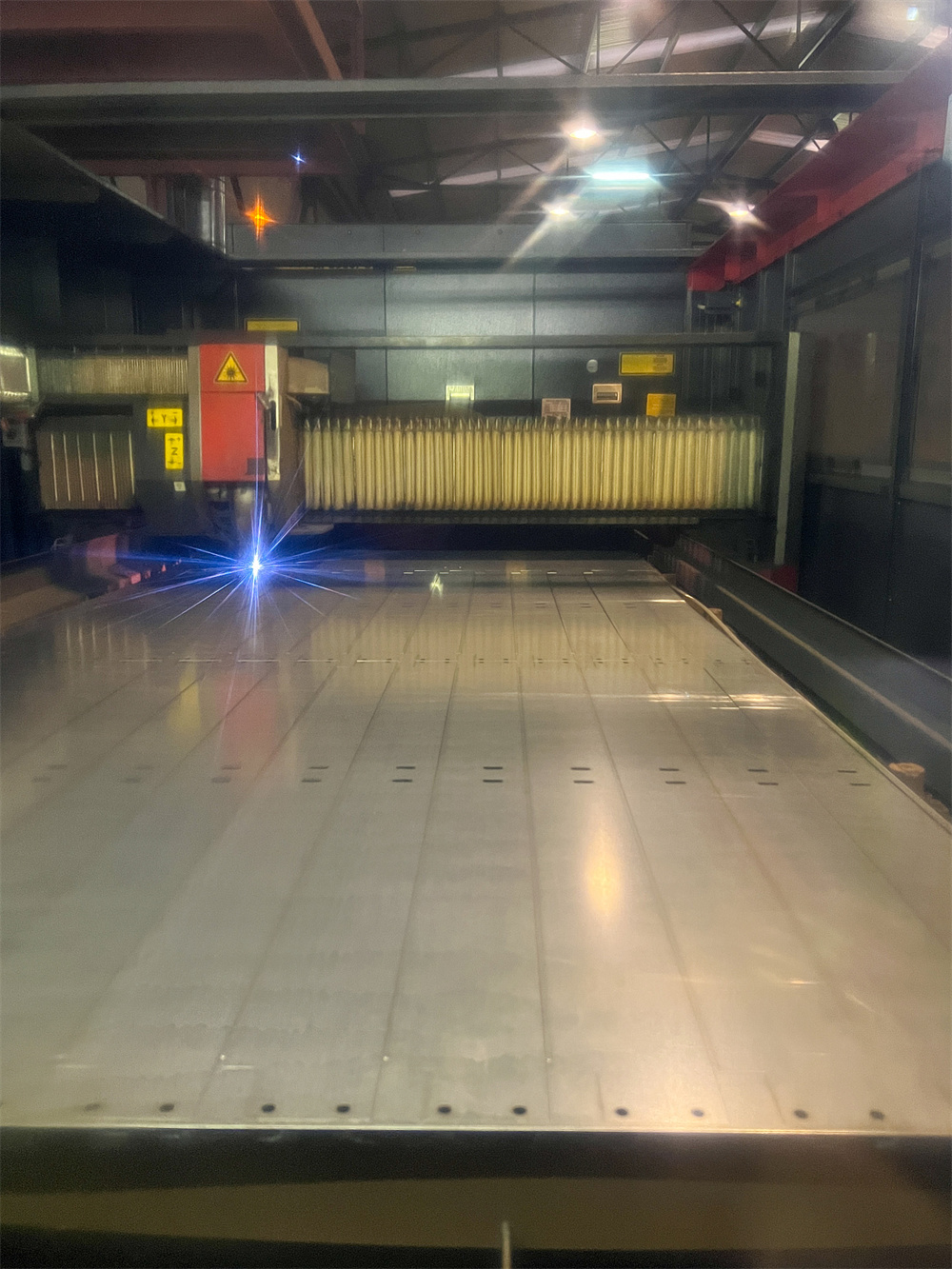
Key Considerations for Laser Piercing
Before diving into complex technical repairs, it is vital to understand the fundamental mechanics of the piercing process. Piercing is the act of creating an initial hole in the material to allow the laser to begin its contour cut. This process generates significant heat and requires the assist gas to blow away molten material rapidly. If the machine is not piercing, the first step is to evaluate the environmental and operational variables.
One of the most common oversights is the condition of the material itself. Surface contaminants such as heavy rust, scale, or protective coatings can significantly alter the laser’s absorption rate. If the material surface is uneven or has a thick oxide layer, the laser beam may scatter rather than penetrate. Always ensure that the material is clean and properly leveled on the cutting bed to maintain a consistent focal distance.
Another key consideration is the assist gas quality and pressure. The assist gas, whether it is oxygen, nitrogen, or compressed air, serves two purposes: cooling the nozzle and ejecting molten metal. If the gas pressure is too low, the molten material will not be cleared, leading to a “re-solidification” effect that blocks the beam. Conversely, if the pressure is too high, it may cause turbulence that disrupts the laser beam’s stability, preventing a clean pierce.
Finally, consider the ambient conditions of your workshop. High humidity or extreme temperature fluctuations can affect the laser source and the optical path. HARSLE machines are designed for industrial environments, but extreme conditions can still impact the sensitive electronics and cooling systems. Maintaining a stable environment is a foundational step in preventing piercing failures and ensuring the longevity of your metal fabrication equipment.
Technical Details: Troubleshooting the Optical Path
The optical path is the heart of your laser cutting machine. If the laser is not piercing, the issue often lies within the cleanliness or alignment of the optics. The laser beam travels from the resonator through a series of mirrors or fiber cables to the cutting head. Any obstruction, dust, or misalignment along this path will cause the beam to lose energy, resulting in a weak pierce.
Start by inspecting the protective window of the laser head. This component is the final barrier between the internal optics and the harsh environment of the cutting zone. If the protective window is pitted, scratched, or covered in debris, the laser energy will be absorbed by the window rather than the material. Regular cleaning protocols using high-purity isopropyl alcohol and lint-free wipes are mandatory for maintaining optical integrity.
Next, check the nozzle alignment. The laser beam must pass perfectly through the center of the nozzle orifice. If the beam is hitting the side of the nozzle, it will cause the nozzle to heat up, distorting the beam shape and reducing piercing power. Use a centering tool to verify that the beam is perfectly aligned. A misaligned beam is a leading cause of inconsistent piercing, especially when switching between different nozzle diameters.
The focal length and focal position are equally critical. The focal point must be positioned precisely at the correct depth within the material for an effective pierce. If the focal position is set too high or too low, the energy density at the surface will be insufficient to melt the metal. Consult your HARSLE operation manual to verify the focal position settings for the specific material thickness you are currently processing.
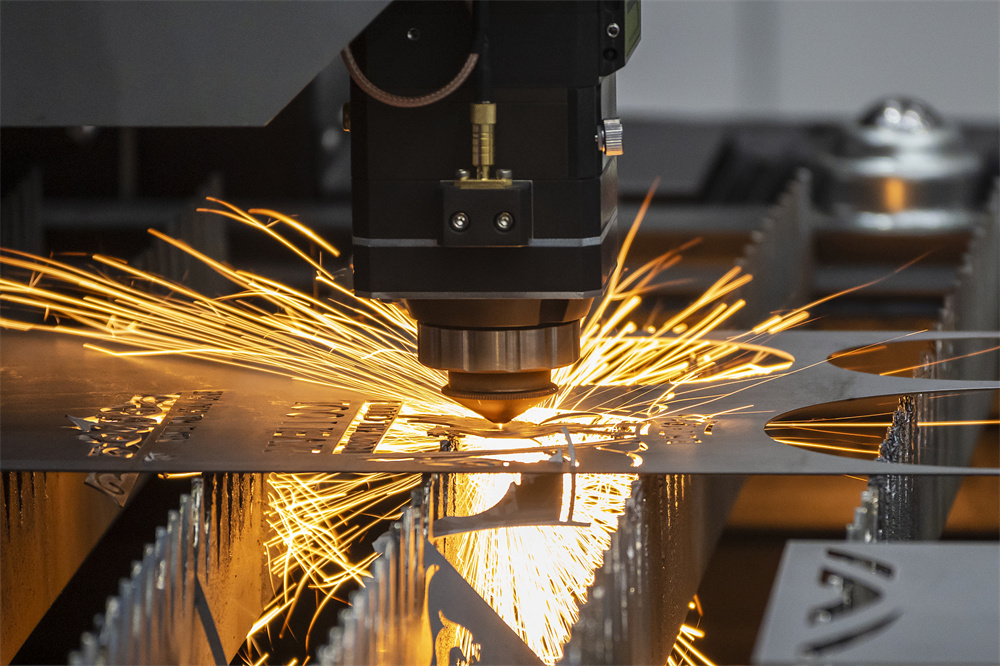
Selection Advice and Parameter Optimization
Selecting the right parameters is an art form in laser cutting. When a machine fails to pierce, operators often jump to the conclusion that the laser source is failing, when in reality, the cutting parameters are simply mismatched. Every material type and thickness requires a unique set of settings, including power, frequency, duty cycle, and gas pressure.
When troubleshooting, start by reviewing your cutting database. If you are using a new batch of material, even if it is the same grade, there may be slight variations in chemical composition that affect laser absorption. Adjusting the piercing power or increasing the piercing time can often resolve the issue. For thicker materials, consider using a multi-stage piercing process, where the laser starts at a lower power and ramps up to prevent the “blow-back” of molten material.
The frequency of the laser pulse also plays a significant role. A higher frequency is generally better for thinner materials, while a lower frequency provides more peak power, which is beneficial for piercing thicker plates. If your machine is struggling to pierce, try lowering the frequency to increase the peak power of each pulse. This provides the necessary “punch” to break through the surface tension of the metal.
Finally, invest in high-quality consumables. Using non-OEM nozzles or lenses can lead to unpredictable performance. HARSLE-certified consumables are engineered to match the specific fluid dynamics and optical requirements of our machines. Using inferior parts can lead to poor gas flow, beam instability, and ultimately, a failure to pierce. Always keep a stock of verified spare parts to ensure that your troubleshooting process is not hindered by faulty components.
Maintenance Checklist for Consistent Piercing
To prevent future piercing issues, implement a rigorous maintenance schedule. A proactive approach is always more cost-effective than reactive troubleshooting. Below is a recommended checklist for maintaining your laser cutting machine’s piercing capabilities:
- Daily: Clean the protective window and inspect the nozzle for slag buildup. Check assist gas pressure levels and ensure the air dryer is functioning correctly.
- Weekly: Inspect the cooling system for any signs of leaks or debris. Verify that the water temperature is within the manufacturer’s recommended range, as laser stability is highly temperature-dependent.
- Monthly: Perform a full beam alignment check. Clean all accessible mirrors and lenses using specialized optical cleaning kits.
- Quarterly: Inspect the fiber optic cable connections for any signs of wear or contamination. Check the motion system (racks and pinions) for proper lubrication to ensure smooth movement during the piercing cycle.
- Annually: Schedule a professional service visit from a HARSLE technician to perform a comprehensive calibration of the laser resonator and control software.
By adhering to this schedule, you minimize the risk of unexpected downtime. Remember that the laser cutting machine is a precision instrument; even minor deviations in maintenance can lead to significant performance drops over time. Keeping a detailed log of your maintenance activities will also help you identify patterns if piercing issues do arise, making the troubleshooting process much faster.
FAQ: Laser Cutting Machine Not Piercing Material Troubleshooting
Why does my laser cut start but fail to penetrate the bottom of the sheet?
This is usually caused by insufficient assist gas pressure or an incorrect focal position. If the gas cannot clear the molten metal, the hole will re-seal. Check your gas pressure settings and ensure the nozzle is not clogged.
How do I know if my laser lens is damaged?
A damaged lens often shows signs of pitting, discoloration, or cracks. If you notice a significant drop in cutting performance or a “fuzzy” beam shape, inspect the lens under a bright light. If it is damaged, it must be replaced immediately to prevent further damage to the laser head.
Does the type of assist gas affect piercing?
Yes, absolutely. Oxygen is often used for carbon steel to create an exothermic reaction that aids in piercing, while nitrogen is used for stainless steel and aluminum to prevent oxidation. Using the wrong gas or a gas with impurities will severely impact your ability to pierce.
Can software settings cause piercing failure?
Yes. If the piercing parameters in your CAM software are set incorrectly, the laser may not stay on long enough to complete the pierce. Verify that your lead-in and piercing settings match the material thickness and type.
Conclusion
Troubleshooting a laser cutting machine not piercing material is a systematic process that requires attention to detail and a thorough understanding of your equipment. By focusing on the optical path, gas pressure, material quality, and parameter optimization, you can resolve most piercing issues quickly and effectively. HARSLE is committed to providing the highest quality metal fabrication equipment, and we encourage our users to maintain their machines with the same level of precision that our lasers provide.
Remember that consistent performance is the result of regular maintenance and a deep understanding of the cutting process. If you have exhausted all troubleshooting steps and are still experiencing issues, do not hesitate to reach out to our technical support team. We are here to ensure that your production line remains efficient, accurate, and profitable. With the right knowledge and care, your HARSLE laser cutting machine will continue to deliver exceptional results for years to come.












