
Essential Hydraulic Punching Machine Maintenance Tips for Stable Performance


The Critical Importance of Maintenance for Hydraulic Punching Machines
In the high-stakes world of metal fabrication, the hydraulic punching machine serves as the backbone of production efficiency. Whether you are operating a high-tonnage HARSLE turret punch or a specialized hydraulic ironworker, the consistency of your output is directly tied to the health of your equipment. Implementing Essential Hydraulic Punching Machine Maintenance Tips for Stable Performance is not merely a suggestion; it is a fundamental operational requirement to prevent costly downtime and ensure precision in every hole punched.
When a machine is neglected, the cumulative effect of friction, heat, and hydraulic fluid degradation leads to micro-failures that eventually manifest as catastrophic breakdowns. By prioritizing a proactive maintenance strategy, fabricators can extend the service life of their machinery by years, significantly improving the return on investment. Stable performance is the hallmark of a well-maintained shop, allowing for tighter tolerances and higher quality finished parts.
Furthermore, safety is a paramount concern in any industrial environment. A poorly maintained hydraulic system can lead to leaks, pressure spikes, or structural fatigue, all of which pose significant risks to operators. Regular inspections allow maintenance teams to identify wear patterns before they become safety hazards. This article serves as your comprehensive guide to maintaining your HARSLE equipment, ensuring that your production line remains fluid, safe, and highly productive.
Investing time in maintenance is an investment in your company’s reputation. Clients rely on your ability to deliver consistent quality on time. When your machinery is optimized, you reduce the likelihood of scrap parts caused by misalignment or dull tooling. This guide will walk you through the essential steps to keep your hydraulic punching machine operating at peak capacity, ensuring that your facility remains a leader in the metal fabrication industry.
Daily Inspection Protocols for Operational Excellence
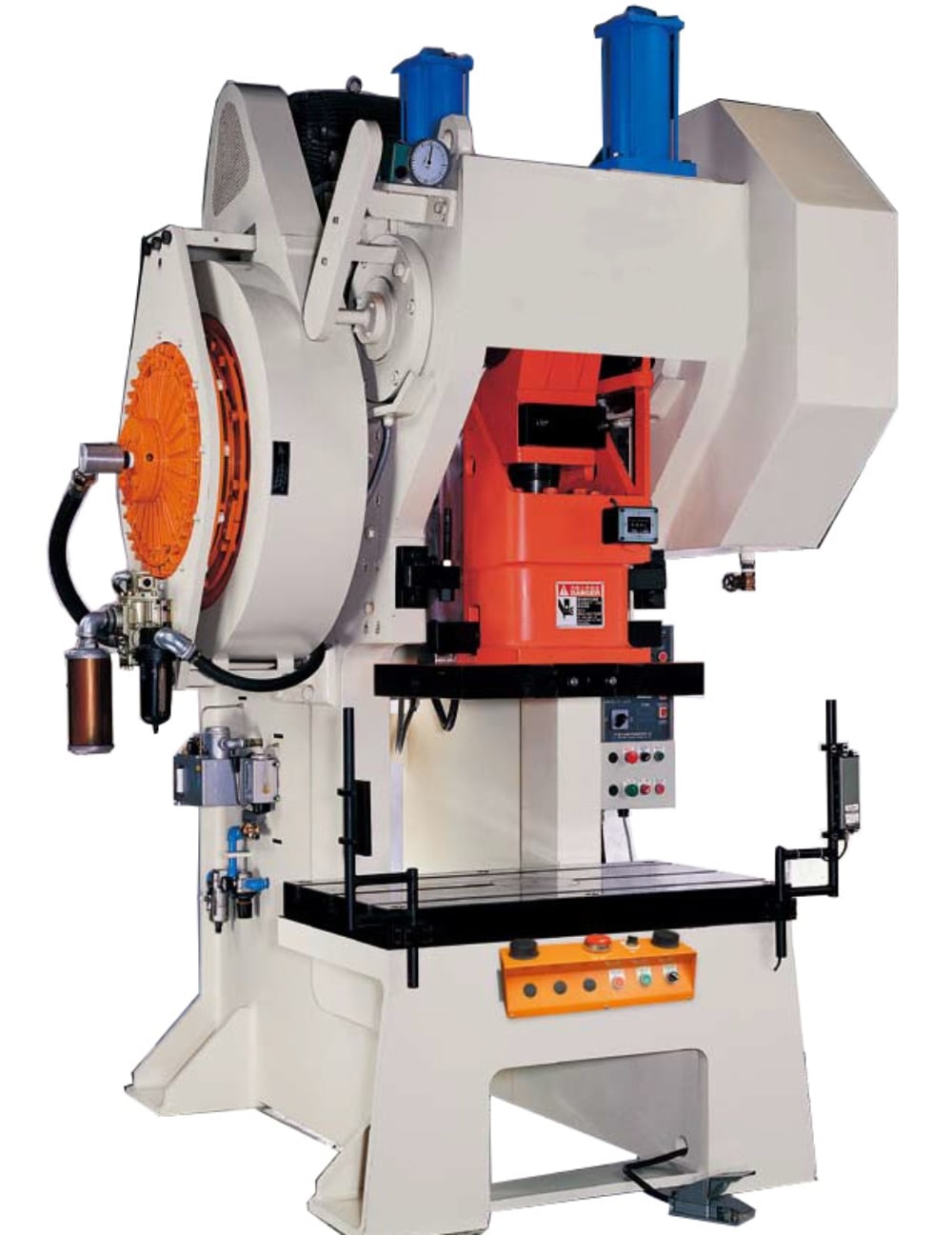
The foundation of any robust maintenance program begins with a rigorous daily inspection routine. Before the first shift begins, operators should perform a “walk-around” to check for any visible signs of distress. This includes inspecting the machine frame for cracks, checking the floor for hydraulic fluid puddles, and ensuring that all safety guards are securely in place. A clean machine is easier to inspect, so daily cleaning of the work area is the first step in identifying potential leaks or loose components.
Check the hydraulic oil levels daily. Even a minor drop in fluid levels can indicate a leak in the hoses or seals that, if left unaddressed, could lead to cavitation in the pump. Ensure that the oil temperature is within the manufacturer’s recommended operating range before initiating high-tonnage operations. If the oil appears cloudy or discolored, it may indicate water contamination or oxidation, requiring immediate attention.
Inspect the tooling and punch holders for signs of wear or chipping. A dull punch requires more force to penetrate the material, which places unnecessary stress on the hydraulic cylinders and the machine frame. By checking the punch and die clearance daily, you ensure that the machine is not working harder than it needs to. This simple habit prevents premature wear on the ram guides and the hydraulic system.
Finally, test the emergency stop buttons and safety light curtains. These systems are the last line of defense for your operators. A machine that cannot be stopped instantly is a liability that should never be operated. Documenting these daily checks in a logbook creates a historical record that can be invaluable for troubleshooting if a performance issue arises later in the machine’s lifecycle.
Hydraulic, Electrical, and Mechanical System Checks
The hydraulic system is the heart of your punching machine. Beyond daily checks, you must perform deep-dive inspections on the hydraulic components. This includes monitoring the pressure relief valves to ensure they are not set too high, which could damage the seals. Periodically check the hydraulic hoses for signs of dry rot, cracking, or bulging. High-pressure lines should be replaced proactively every few years, regardless of their appearance, to prevent sudden bursts.
Electrical systems require equal attention. Over time, vibrations can cause terminal connections in the control cabinet to loosen. Once a month, ensure that all electrical connections are tight and free from dust or debris. Dust buildup can act as an insulator, causing components like the PLC or motor drives to overheat. Use compressed air (at low pressure) to blow out the control cabinet, ensuring that all cooling fans are operational and clear of obstructions.
Mechanical integrity is maintained through the alignment of the ram and the bolster. If the ram shows signs of “play” or side-to-side movement, the gibs may need adjustment. Proper gib adjustment is critical for maintaining the punch-to-die alignment. If the machine is making unusual clanking or grinding noises, stop operation immediately and investigate the drive train, gears, and bearings. Lubrication of these mechanical points is essential to prevent metal-on-metal wear.
For HARSLE machines, the software and CNC interface are just as vital as the hardware. Ensure that your control software is updated and that the backup files for your production programs are stored securely. A corrupted control system can halt production just as effectively as a broken pump. Regularly verify that the sensors and limit switches are providing accurate feedback to the controller, as these are the “eyes” of your machine.
The Comprehensive Lubrication Plan
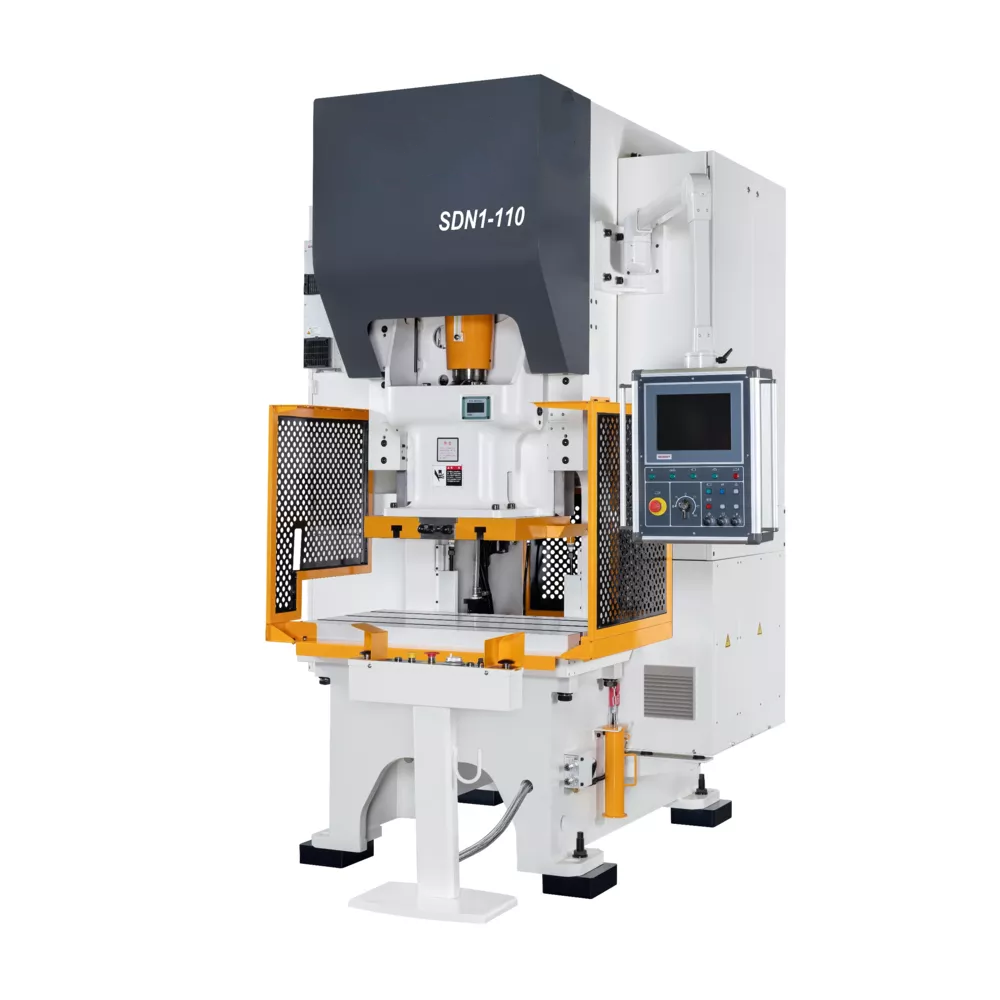
Lubrication is the lifeblood of mechanical longevity. A well-structured lubrication plan is one of the most effective Essential Hydraulic Punching Machine Maintenance Tips for Stable Performance. You should maintain a chart that tracks the lubrication points, the type of lubricant required, and the frequency of application. Using the wrong grease or oil can be just as damaging as using no lubricant at all, so always adhere to the HARSLE technical manual specifications.
Focus on the sliding surfaces, such as the ram guides and the gibs. These areas experience high friction and require high-pressure grease to maintain a smooth stroke. If these surfaces become dry, the resulting friction will cause heat buildup, leading to galling and permanent damage to the machine frame. Apply lubricant according to the schedule, and always wipe away excess grease to prevent the accumulation of metal dust and debris.
Don’t forget the peripheral components. The backgauge system, which positions the sheet metal, often relies on lead screws or ball screws. These components must be kept clean and lubricated to ensure the accuracy of your part dimensions. If the backgauge starts to “stutter” or lose position, it is often a sign that the lubrication has dried out or that debris has entered the drive mechanism.
Establish a schedule for changing the hydraulic oil and filters. While modern hydraulic systems are efficient, oil eventually breaks down due to thermal stress and contamination. Changing the oil and the filter elements at the recommended intervals (usually every 2,000 to 4,000 operating hours) prevents sludge buildup and ensures that the hydraulic valves operate with the responsiveness required for high-speed punching.
Troubleshooting Signals: When to Call for Help
Even with the best maintenance, machines can develop issues. Recognizing the early warning signs is key to preventing major failures. One of the most common signals is a change in the sound of the machine. If the hydraulic pump begins to whine or the ram makes a different sound during the punching cycle, it is a clear indication of a problem—likely air in the system or a failing bearing.
Another signal is a decline in part quality. If you notice burrs on the edges of your punched holes, it is a sign that your punch-to-die clearance is incorrect or that your tooling is dull. If the machine is failing to reach the programmed position, check the encoders and the backgauge drive system. Consistent errors in part dimensions often point to mechanical wear in the positioning system or loose mounting hardware.
Temperature is a major indicator of health. If the hydraulic tank feels excessively hot to the touch, the cooling system may be failing, or the pump may be working against a blocked valve. Similarly, if the electrical cabinet is hot, check the ventilation fans. Ignoring these heat-related signals will lead to the premature failure of sensitive electronic components and hydraulic seals.
Finally, pay attention to the machine’s cycle time. If the punching cycle feels sluggish or inconsistent, it may indicate a drop in hydraulic pressure or a failing solenoid valve. Keep a log of these “symptoms” to share with your HARSLE service technician. Providing specific details about when and how the issue occurs will significantly speed up the diagnostic process and reduce your downtime.
Maintenance Schedule Table
| Frequency | Task | Description |
|---|---|---|
| Daily | Visual Inspection | Check for leaks, loose bolts, and safety guards. |
| Daily | Fluid Levels | Verify hydraulic oil levels and check for contamination. |
| Weekly | Lubrication | Grease ram guides, gibs, and backgauge screws. |
| Monthly | Electrical Check | Tighten terminals and clean the control cabinet. |
| Quarterly | Filter Change | Replace hydraulic oil filters and air breathers. |
| Annually | Full System Flush | Drain and replace hydraulic oil; inspect all seals. |
| Annually | Calibration | Verify machine accuracy and recalibrate sensors. |
Frequently Asked Questions (FAQ)
How often should I change the hydraulic oil in my HARSLE punching machine?
Generally, hydraulic oil should be changed every 2,000 to 4,000 operating hours, or once a year, whichever comes first. However, if you operate in a high-dust environment or run the machine at maximum capacity, you may need to perform oil analysis to determine if the fluid has degraded prematurely.
Why is my punching machine producing burrs?
Burrs are typically caused by dull tooling or improper punch-to-die clearance. Check your tooling for wear and ensure that the clearance is set according to the material thickness and type. If the tooling is sharp and the clearance is correct, check the ram guides for excessive play.
Can I use any grease for my machine’s lubrication points?
No. Always use the specific grade of lubricant recommended in your HARSLE user manual. Using the wrong viscosity or type of grease can lead to poor lubrication, increased friction, and potential damage to the machine’s precision components.
What should I do if the machine makes a loud clanking noise?
Stop the machine immediately. A loud clanking noise often indicates a mechanical failure, such as a loose component, a damaged bearing, or a problem with the drive train. Continuing to operate the machine can lead to catastrophic damage. Contact a qualified technician for an inspection.
How do I ensure the accuracy of my backgauge?
Regularly clean and lubricate the backgauge drive system. Periodically verify the position of the backgauge using a precision measuring tool. If the machine consistently misses the target position, you may need to recalibrate the axis parameters in the CNC controller.












