
How an Advanced Press Brake Reduced Setup Time in a High-Mix Manufacturing Plant


Introduction
In the modern landscape of metal fabrication, the ability to pivot quickly between different product runs is no longer a luxury—it is a survival requirement. High-mix, low-volume manufacturing environments face the constant challenge of downtime caused by frequent tool changes and machine recalibrations. For many shop floor managers, the bottleneck is almost always the bending department. When we analyze how an advanced press brake reduced setup time in a high-mix manufacturing plant, we uncover a shift from manual, error-prone processes to automated, data-driven workflows that redefine productivity.
HARSLE has observed that shops struggling with profitability often point to the time spent idling while operators swap dies, adjust backgauges, and perform test bends. In a high-mix environment, where a single day might involve bending ten different parts with varying thicknesses and materials, these minutes add up to hours of lost capacity. By upgrading to modern CNC press brake technology, manufacturers can reclaim this lost time and significantly improve their bottom line.
This article explores the technical evolution of press brakes and how specific features—such as automatic tool changers, offline programming, and intelligent crowning systems—have transformed the shop floor. We will look at the transition from traditional mechanical setups to the high-speed, precision-oriented environments that define today’s leading fabrication facilities.
Ultimately, the goal of this guide is to provide a roadmap for fabrication shops looking to optimize their bending operations. Whether you are a job shop owner or a production manager, understanding the mechanics of setup reduction is the first step toward achieving a competitive edge in an increasingly demanding market.
Key Considerations for High-Mix Manufacturing
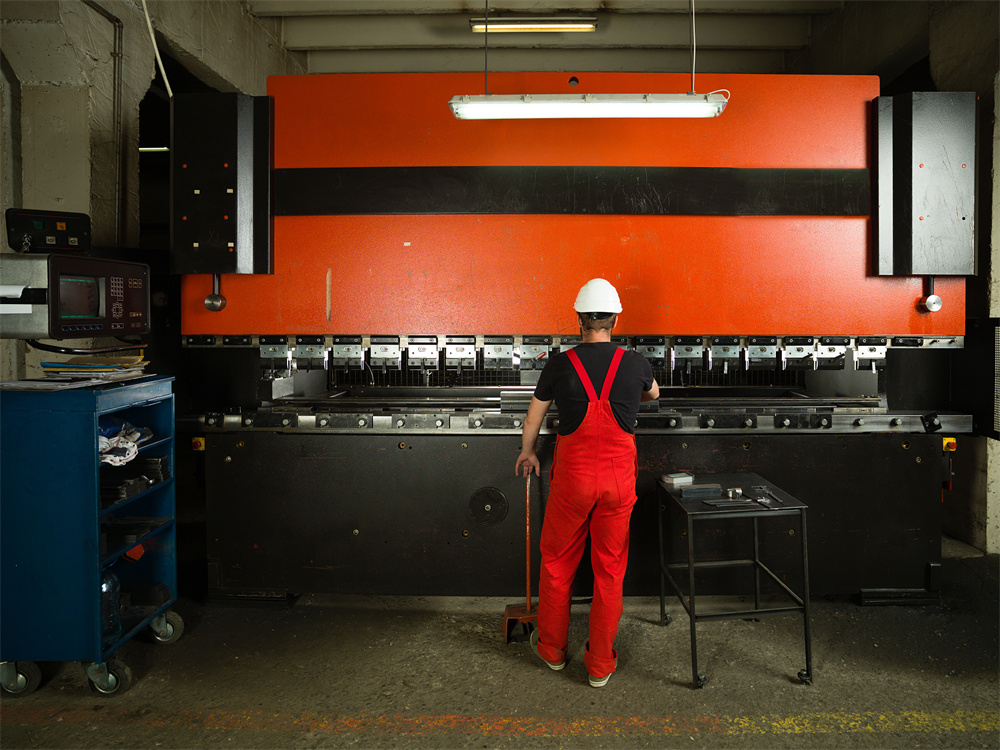
High-mix manufacturing is defined by its variability. Unlike mass production, where a machine might run the same part for weeks, high-mix shops deal with constant changeovers. The primary consideration here is the ‘Total Cost of Ownership’ versus ‘Total Cost of Setup.’ If a machine is cheap to buy but takes 45 minutes to set up for every new job, it is effectively the most expensive machine on the floor due to lost throughput.
The first key consideration is the integration of offline programming software. Modern press brakes allow operators to import 3D CAD models directly into the machine controller. This eliminates the need for manual calculations at the machine console. By simulating the bend sequence offline, the operator can identify potential collisions and optimize the tool layout before the material even touches the machine.
Secondly, tool management is critical. In a high-mix environment, the time spent searching for the right punch and die set can be substantial. Implementing a standardized tooling system, such as a European-style or American-style quick-change system, allows for rapid swapping of segments. When an advanced press brake reduced setup time in a high-mix manufacturing plant, it was almost always because the shop moved away from heavy, bolted-in tooling toward hydraulic clamping systems that allow for vertical or horizontal tool loading.
Thirdly, the skill gap in the workforce must be addressed. High-mix shops require operators who are versatile. Advanced press brakes with intuitive, graphical user interfaces (GUIs) lower the barrier to entry. By providing visual feedback and step-by-step instructions on the screen, these machines allow less experienced operators to perform complex setups with the confidence of a veteran, reducing the time spent on trial-and-error bending.
Finally, consider the repeatability of the machine. In a high-mix environment, you cannot afford to waste material on scrap parts during the setup phase. Machines with high-precision backgauges and automatic crowning systems ensure that the first part is a good part. This ‘first-part-right’ capability is the ultimate setup time reducer, as it eliminates the need for multiple test bends and adjustments.
Technical Details: How Technology Drives Efficiency
The technical core of modern press brake efficiency lies in the synergy between the hydraulic system and the CNC controller. Older machines relied on manual adjustments for ram positioning and bed crowning, which were time-consuming and inconsistent. Today’s advanced press brakes utilize high-speed proportional valves and closed-loop feedback systems to ensure that every bend is accurate to within microns.
One of the most significant technical advancements is the automatic crowning system. In the past, operators had to manually adjust mechanical wedges to compensate for bed deflection under load. Modern systems use sensors to measure the pressure and automatically adjust the crowning compensation in real-time. This means that when switching from a thin-gauge aluminum part to a thick-gauge steel part, the machine adapts its compensation profile instantly, saving valuable setup time.
Another technical leap is the multi-axis backgauge. While a standard two-axis backgauge handles simple bends, a 6-axis or 8-axis backgauge allows for the positioning of complex, non-parallel, or tapered parts. By automating the movement of the backgauge fingers, the machine can handle complex geometries without the need for custom jigs or manual stops, which are major time-sinks in high-mix shops.
Energy efficiency and speed are also linked. Modern servo-hydraulic systems consume energy only when the ram is moving. This not only reduces operating costs but also allows for faster ram speeds without sacrificing control. The ability to program rapid approach, slow bending, and fast return speeds for each individual bend in a sequence significantly reduces the cycle time per part, which is just as important as the initial setup time.
Selection Advice: Choosing the Right Equipment
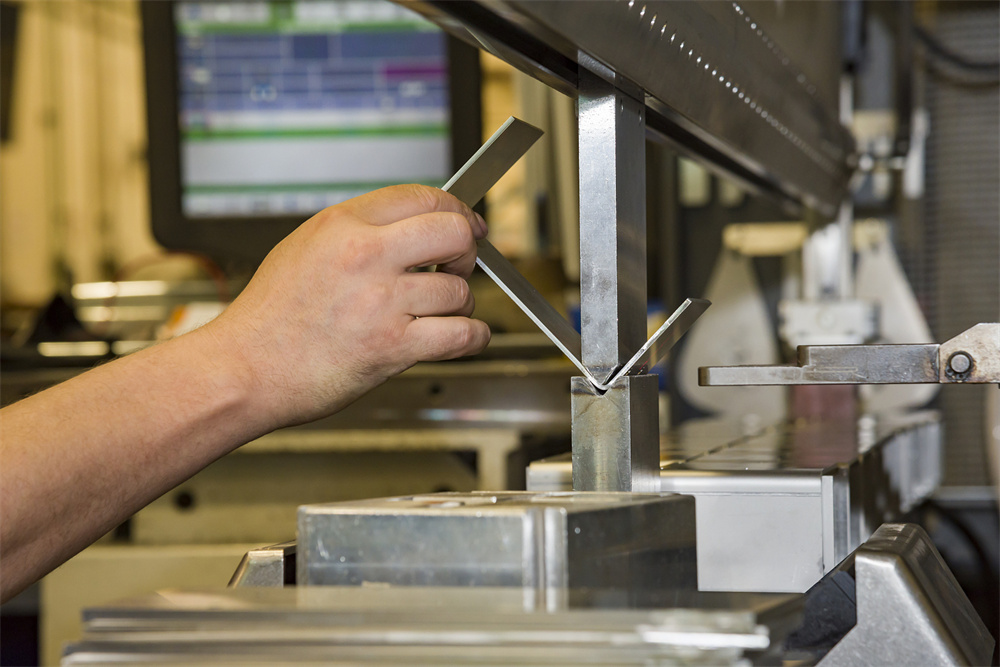
When selecting a press brake for a high-mix environment, the most common mistake is over-specifying the tonnage while under-specifying the automation features. You should prioritize machines that offer modularity and ease of use. Start by evaluating your current product mix: what is the maximum thickness and length you bend 90% of the time? Do not buy a 500-ton machine if 95% of your work is under 100 tons, as the larger machine will be slower and more cumbersome to set up.
Look for machines that offer ‘Quick-Change’ tooling capabilities. If your shop uses a wide variety of bend angles, consider a machine that supports segmented tooling. This allows you to create a ‘tooling library’ on the machine bed, where multiple setups can be placed side-by-side. This is a game-changer for high-mix shops, as it allows the operator to move from one job to the next simply by sliding the sheet metal to a different section of the bed.
Connectivity is another non-negotiable feature. Ensure the press brake controller is compatible with your existing ERP or CAD/CAM software. The ability to push production schedules directly to the machine prevents communication errors and ensures that the operator knows exactly which job is next, including the required tooling and bend sequence. This ‘digital thread’ is essential for reducing the transition time between jobs.
Finally, consider the support and training provided by the manufacturer. An advanced machine is only as good as the operator’s ability to use it. Choose a partner like HARSLE that provides comprehensive training, remote diagnostics, and local service support. A machine that is down for maintenance is the ultimate enemy of setup time reduction, so reliability and serviceability should be at the top of your checklist.
FAQ: Common Questions About Press Brake Setup
How does offline programming reduce setup time?
Offline programming allows you to prepare the bend sequence, tool selection, and backgauge positions on a computer while the machine is still running another job. By the time the current job is finished, the program is ready to be loaded, eliminating the time spent programming at the machine console.
What is the benefit of hydraulic clamping?
Hydraulic clamping allows for the rapid loading and unloading of punches and dies. Instead of manually tightening dozens of bolts, the operator can lock or unlock the entire tool set with the push of a button, reducing tool changeover time by up to 70%.
Can an advanced press brake handle different materials automatically?
Yes, modern CNC controllers store material databases. When you select a material type (e.g., stainless steel vs. mild steel), the machine automatically adjusts its pressure, bend allowance, and spring-back compensation, ensuring accuracy without manual trial-and-error.
How often should I perform maintenance to keep setup times low?
Regular maintenance, such as cleaning the backgauge rails, checking hydraulic fluid levels, and inspecting tool wear, is vital. A well-maintained machine runs smoothly and predictably, which is essential for maintaining fast setup times.
Conclusion
The journey of how an advanced press brake reduced setup time in a high-mix manufacturing plant is a testament to the power of modern engineering. By moving away from manual, labor-intensive processes and embracing CNC automation, offline programming, and quick-change tooling, shops can transform their bending department from a bottleneck into a competitive advantage. The investment in an advanced press brake is not just an investment in a machine; it is an investment in the agility and future-proofing of your entire manufacturing operation.
As high-mix manufacturing continues to grow in complexity, the ability to switch jobs quickly and accurately will separate the industry leaders from the rest. HARSLE remains committed to providing the technology and support necessary to help our clients achieve these efficiencies. By focusing on the right features—such as intuitive controls, robust backgauges, and efficient tool management—you can ensure that your shop floor is prepared for the challenges of tomorrow, today.
If you are ready to optimize your production and reduce your setup times, now is the time to evaluate your current equipment. Analyze your downtime, identify the bottlenecks in your bending process, and consider how a modern, high-performance press brake can help you reach your production goals. The path to increased profitability starts with a single, smarter bend.












