
Guia de Preços de Máquinas de Punção CNC: Desdobramento de Custos para Fabricação Inteligente


Visão Geral da Faixa de Preços
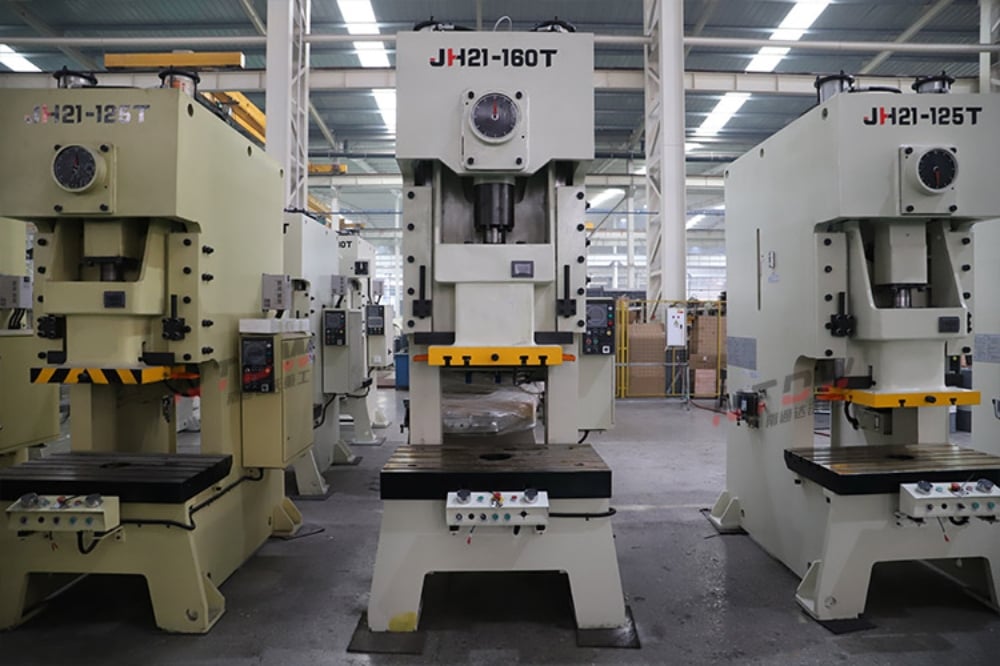
Investing in a CNC punching machine is a significant capital expenditure that requires a deep understanding of the market landscape. For businesses transitioning into smart manufacturing, the CNC punching machine price is not merely a sticker price but an investment in production efficiency, precision, and long-term scalability. Generally, entry-level mechanical or hydraulic CNC punching machines can range from $30,000 to $60,000, catering to smaller workshops or specialized production lines. These machines offer essential automation but may lack the high-speed turret capabilities required for complex, high-volume manufacturing.
Moving into the mid-range segment, which is the sweet spot for many medium-sized metal fabrication enterprises, prices typically fall between $70,000 and $150,000. These machines often feature advanced servo-electric drives, larger turret capacities, and integrated software compatibility for Industry 4.0 environments. At this price point, manufacturers gain significant improvements in energy efficiency, noise reduction, and cycle times, which are critical for maintaining a competitive edge in modern fabrication.
For high-end, fully automated punching cells, the investment can exceed $200,000 to $500,000. These systems are designed for lights-out manufacturing, incorporating robotic loading and unloading systems, automatic tool changers, and advanced sensor arrays that feed data back into the smart factory ecosystem. While the initial cost is high, the reduction in labor costs and the increase in throughput often justify the expenditure for large-scale operations.
Understanding these price tiers is the first step in aligning your budget with your operational goals. It is essential to view the CNC punching machine price as a reflection of the machine’s capability to handle material thickness, sheet size, and the complexity of the parts being produced. HARSLE provides a range of solutions that bridge the gap between affordability and high-performance smart manufacturing, ensuring that your investment yields maximum utility.
Principais Fatores de Custo
The primary driver behind the CNC punching machine price is the drive technology employed. Traditional hydraulic systems are generally more affordable but require more maintenance and consume more energy. In contrast, servo-electric punching machines, while carrying a higher upfront cost, offer superior precision, lower energy consumption, and reduced maintenance requirements. For smart manufacturing, the transition to servo-electric is often preferred due to the ability to monitor energy usage and machine health in real-time.
Another significant cost factor is the turret configuration and tool capacity. A machine with a 24-station turret including auto-index stations will naturally cost more than a machine with a 16-station fixed turret. The complexity of the tool changer, the number of auto-indexable stations, and the speed of tool rotation directly impact the machine’s ability to handle complex geometries without manual intervention. This flexibility is a hallmark of smart manufacturing, where quick changeovers are essential for small-batch, high-mix production.
The structural integrity and build quality of the machine frame also dictate the price. High-performance machines utilize stress-relieved, heavy-duty steel frames to ensure vibration dampening and long-term accuracy. A machine that can maintain tolerances over years of heavy use is more expensive to manufacture, but it saves the user money in the long run by reducing scrap rates and secondary finishing processes. When evaluating a quote, always consider the rigidity of the frame as a proxy for the machine’s lifespan.
Finally, the control system and software integration capabilities are major cost drivers. A basic CNC controller may suffice for simple operations, but a smart manufacturing-ready controller offers advanced diagnostics, remote monitoring, and seamless integration with ERP and CAD/CAM software. These digital features allow for predictive maintenance and optimized production scheduling, which are invaluable for modern factories. Investing in a robust control system is an investment in the digital infrastructure of your business.
Impacto da Configuração
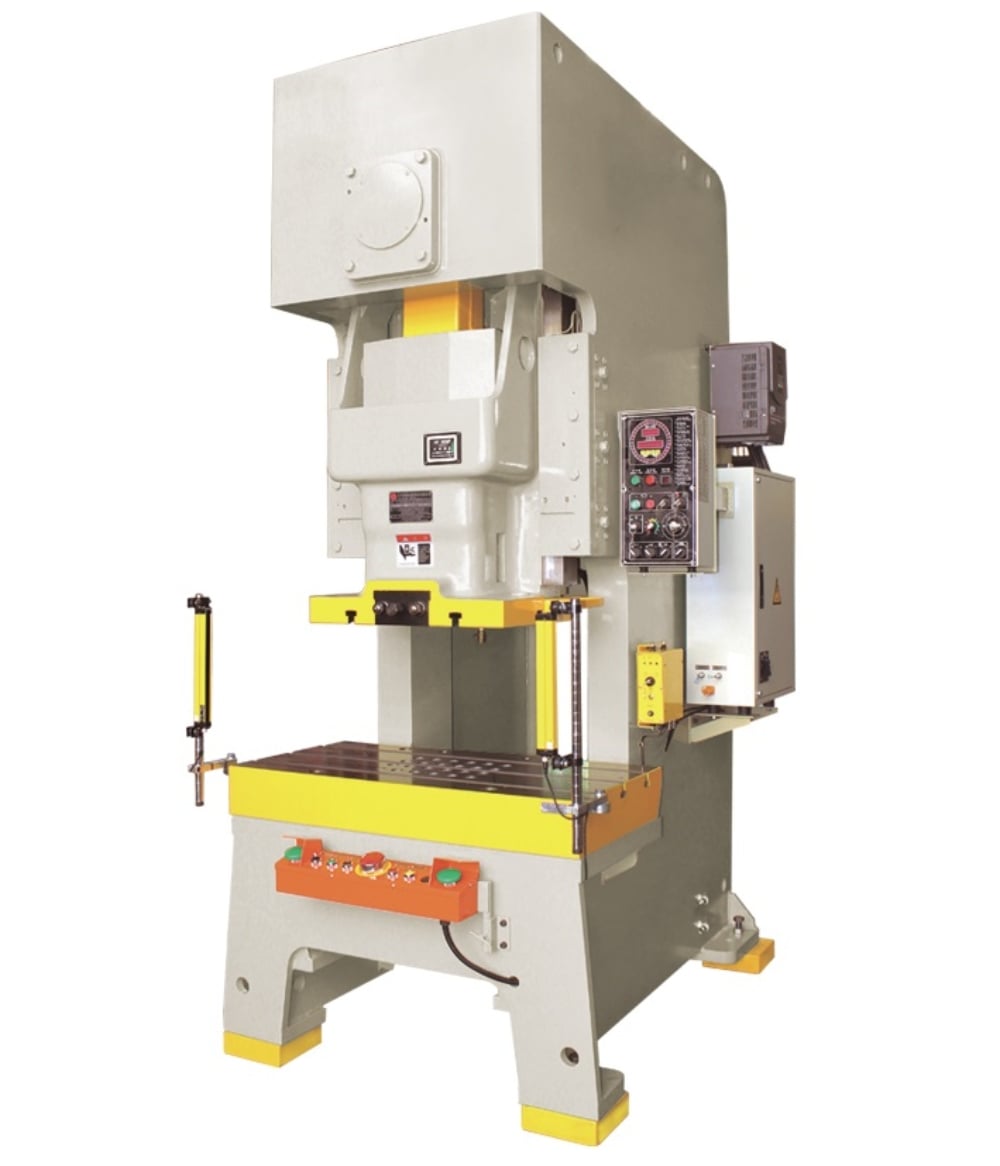
Customization is where the CNC punching machine price can fluctuate significantly. Beyond the base model, manufacturers often add options that enhance productivity but increase the initial cost. For instance, adding a brush table or a ball-transfer table can protect delicate sheet metal surfaces, reducing the need for post-punching finishing. These seemingly small additions are crucial for high-quality output in industries like electronics or architectural metalwork.
Automation modules are the most impactful configuration choices. Adding a sheet loader and unloader can transform a standalone machine into a fully automated cell. While this adds a substantial amount to the total cost, it drastically reduces the labor cost per part and allows for 24/7 operation. For companies aiming for smart manufacturing, the ability to run the machine unattended is often the primary goal, making these automation packages a standard requirement rather than an optional luxury.
Tooling packages also play a role in the total investment. High-quality, long-life tooling from reputable manufacturers ensures consistent hole quality and reduces the frequency of tool sharpening. While it might be tempting to opt for cheaper, generic tooling, the long-term costs associated with poor part quality and frequent machine downtime often outweigh the initial savings. A well-configured machine with premium tooling is the foundation of a reliable production line.
Software configurations, including nesting software and machine simulation tools, are essential for maximizing material utilization. Smart manufacturing relies on data; therefore, software that can optimize sheet layout to minimize scrap is a direct contributor to the machine’s ROI. When selecting a configuration, work closely with HARSLE engineers to ensure that the hardware and software are perfectly matched to your specific production requirements, avoiding over-specifying while ensuring you don’t under-invest in critical capabilities.
Custos Ocultos
When budgeting for a CNC punching machine, many buyers focus solely on the purchase price, overlooking the hidden costs of ownership. Installation and commissioning are the first of these. Depending on the complexity of the machine and the need for specialized electrical or pneumatic infrastructure, installation can add thousands of dollars to the project. It is vital to prepare your facility’s floor space, power supply, and compressed air systems in advance to avoid costly delays.
Training is another frequently underestimated cost. A sophisticated CNC punching machine is only as effective as the operator running it. Investing in comprehensive training for your staff is essential to ensure they can utilize the machine’s advanced features, perform routine maintenance, and troubleshoot minor issues. Neglecting training leads to under-utilization of the machine and increased risk of operator error, which can be far more expensive than the training itself.
Maintenance and consumables are ongoing costs that must be factored into your long-term budget. This includes regular lubrication, filter replacements, tool sharpening, and the occasional replacement of wear parts. Establishing a preventive maintenance schedule is critical to avoiding unplanned downtime. Many manufacturers offer service contracts, which can provide peace of mind and predictable maintenance costs, though they should be weighed against the cost of performing maintenance in-house.
Finally, consider the cost of energy and floor space. Smart manufacturing machines are designed to be efficient, but they still require significant power. Additionally, if you are adding automation, you will need more floor space for loading/unloading systems and safety fencing. These indirect costs are part of the total cost of ownership and should be included in your financial planning to ensure that the investment remains profitable throughout its lifecycle.
Cálculo do ROI
Calculating the Return on Investment (ROI) for a CNC punching machine requires a holistic view of your production costs. Start by analyzing your current labor costs, material scrap rates, and the time spent on secondary operations. A modern CNC punching machine can often consolidate multiple processes into one, significantly reducing the time-to-market for your products. By automating the punching process, you can reallocate skilled labor to higher-value tasks, further increasing your overall productivity.
Consider the impact on material efficiency. Advanced nesting software can reduce scrap rates by 10-20% compared to manual or older methods. In high-volume production, these savings add up quickly, directly contributing to the machine’s ROI. Furthermore, the speed and precision of a CNC punching machine allow for tighter tolerances and higher quality parts, which can open up new market opportunities and allow for premium pricing on your finished goods.
To calculate the payback period, divide the total investment (including installation, training, and accessories) by the annual savings generated by the machine. Savings should include reduced labor, lower scrap rates, energy savings, and increased production capacity. If the machine allows you to take on jobs that were previously impossible or too expensive to produce, these additional revenue streams should also be factored into the ROI calculation.
Smart manufacturing also provides intangible benefits that are harder to quantify but equally important. Improved data visibility, better quality control, and the ability to respond quickly to customer demands are all competitive advantages that contribute to the long-term success of your business. When presenting the business case for a new CNC punching machine, ensure that these strategic benefits are highlighted alongside the hard financial data to provide a complete picture of the value proposition.
Conselhos de Compra
Choosing the right CNC punching machine is a strategic decision that requires careful research and consultation. Start by defining your production needs: what materials will you be punching, what is the maximum sheet size, and what is the required production volume? Having a clear understanding of your requirements will help you filter out machines that are either under-powered or unnecessarily complex for your needs.
Always request a demonstration or a visit to a facility where the machine is in operation. Seeing the machine in action allows you to assess its speed, noise levels, and ease of use. It is also an excellent opportunity to talk to the operators and maintenance staff about their experience with the machine. Their feedback can provide invaluable insights into the machine’s reliability and the quality of support provided by the manufacturer.
Evaluate the manufacturer’s support network. A CNC punching machine is a long-term asset, and you need a partner who can provide timely technical support, spare parts, and software updates. HARSLE prides itself on offering comprehensive support, ensuring that our customers can maximize their uptime and productivity. Check for the availability of local service technicians and the responsiveness of the customer support team before making your final decision.
Finally, look beyond the current purchase. Consider the scalability of the machine. Can it be integrated into a larger automated cell in the future? Is the software compatible with the latest industry standards? A machine that can grow with your business is a much better investment than one that will need to be replaced as soon as your production requirements evolve. By taking a long-term view and partnering with a reputable manufacturer, you can ensure that your CNC punching machine remains a cornerstone of your smart manufacturing strategy for years to come.
Perguntas frequentes
- What is the typical lifespan of a CNC punching machine? With proper maintenance, a high-quality CNC punching machine can last 15 to 20 years or more.
- Com que frequência devo afiar minhas ferramentas de perfuração? Tool sharpening frequency depends on the material type, thickness, and the number of hits. Regular inspection is key to maintaining quality.
- Can I integrate a HARSLE punching machine with my existing ERP system? Yes, our modern CNC controllers are designed to be compatible with standard industry software for seamless data integration.
- What is the difference between hydraulic and servo-electric punching? Servo-electric machines are faster, more energy-efficient, and offer higher precision, while hydraulic machines are often more cost-effective for heavy-duty applications.
- Does HARSLE provide training for operators? Yes, we offer comprehensive training programs to ensure your team can operate and maintain the machine effectively.


