
Guia de Compra de Máquina de Perfuração: Correspondendo Tamanho da Máquina, Força e Carga de Trabalho


Visão Geral da Faixa de Preços
When embarking on the journey of Punching Machine Purchasing: Matching Machine Size, Force, and Workload, the first hurdle is understanding the vast price spectrum of the market. Industrial punching machines are not one-size-fits-all; they range from entry-level manual or semi-automatic turret punch presses priced in the lower tens of thousands to high-end, fully automated CNC punching cells that can exceed several hundred thousand dollars. HARSLE provides a diverse portfolio designed to cater to both small job shops and large-scale manufacturing facilities.
The price range is heavily dictated by the machine’s tonnage, the complexity of the tool-changing system, and the level of automation integrated into the unit. For a basic hydraulic punching machine, you might expect a lower capital expenditure, but this often comes with higher labor requirements. Conversely, investing in a high-speed CNC punching machine represents a significant upfront cost but offers a lower cost-per-part over the machine’s lifecycle.
It is essential to categorize your budget not just by the purchase price, but by the total cost of ownership. This includes installation, specialized electrical requirements, foundation preparation, and the initial tooling package. HARSLE recommends that buyers allocate at least 15-20% of their initial budget for high-quality tooling and peripheral equipment, as the machine is only as effective as the punches and dies it utilizes.
Market volatility in steel and electronic components also influences pricing. When evaluating quotes, ensure that the price includes shipping, commissioning, and operator training. A seemingly low price tag can quickly balloon if these essential services are excluded. Always compare “apples to apples” by looking at the machine’s structural rigidity, the brand of the CNC controller, and the warranty terms provided by the manufacturer.
Principais Fatores de Custo
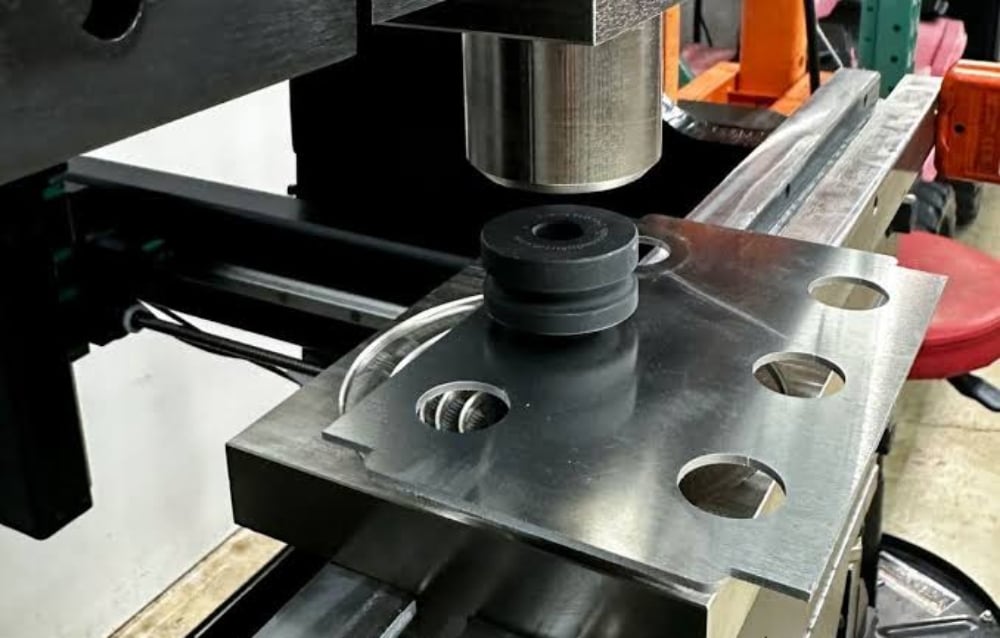
The primary cost driver in any punching machine is the tonnage capacity. Tonnage refers to the maximum force the machine can exert to pierce metal. Higher tonnage requires a more robust frame, larger hydraulic cylinders, and more powerful motors. If you are working with thick plate steel, you will naturally gravitate toward higher-tonnage machines, which carry a premium price tag due to the sheer volume of high-grade steel required to build the machine’s frame.
Another significant cost driver is the tool-changing mechanism. A manual tool change system is the most affordable but results in significant downtime during production runs. An automatic tool changer (ATC) or a multi-tool turret significantly increases the machine’s price but drastically improves throughput. For shops handling high-mix, low-volume production, the investment in an advanced turret system is almost always justified by the reduction in setup time.
The CNC controller and software integration also play a pivotal role in pricing. Modern punching machines are essentially computers that move metal. High-end controllers from reputable brands offer better diagnostic capabilities, faster processing speeds, and easier integration with CAD/CAM software. While cheaper, proprietary controllers might save money upfront, they often lack the support, updates, and compatibility that modern industrial workflows demand.
Finally, the machine’s throat depth and table size are critical cost factors. A larger table allows for the processing of larger sheets without repositioning, which increases accuracy and speed. However, a larger table requires a larger footprint and a more rigid frame to prevent deflection. When considering Punching Machine Purchasing: Matching Machine Size, Force, and Workload, remember that the physical dimensions of the machine are directly proportional to the cost of the materials and the precision engineering required to maintain tolerances.
Impacto da Configuração
Configuration is where the machine meets the specific needs of your production floor. A standard configuration might work for general fabrication, but specialized tasks require specific add-ons. For instance, if your workload involves complex shapes or intricate patterns, a machine with a high-speed indexing station is non-negotiable. This configuration allows the punch to rotate, enabling the creation of complex geometries without needing a custom-shaped tool for every angle.
The integration of automatic loading and unloading systems is another configuration choice that changes the machine’s role from a standalone unit to a production cell. This configuration is ideal for “lights-out” manufacturing, where the machine continues to operate after the shift ends. While this adds significant cost, the impact on labor efficiency and throughput is transformative for high-volume manufacturers.
Energy efficiency configurations are becoming increasingly important. Modern HARSLE machines often feature servo-hydraulic systems that consume power only when the ram is in motion, unlike traditional hydraulic systems that run continuously. Choosing a servo-driven configuration can lead to substantial long-term savings on electricity, which is a hidden but significant operational cost in metal fabrication.
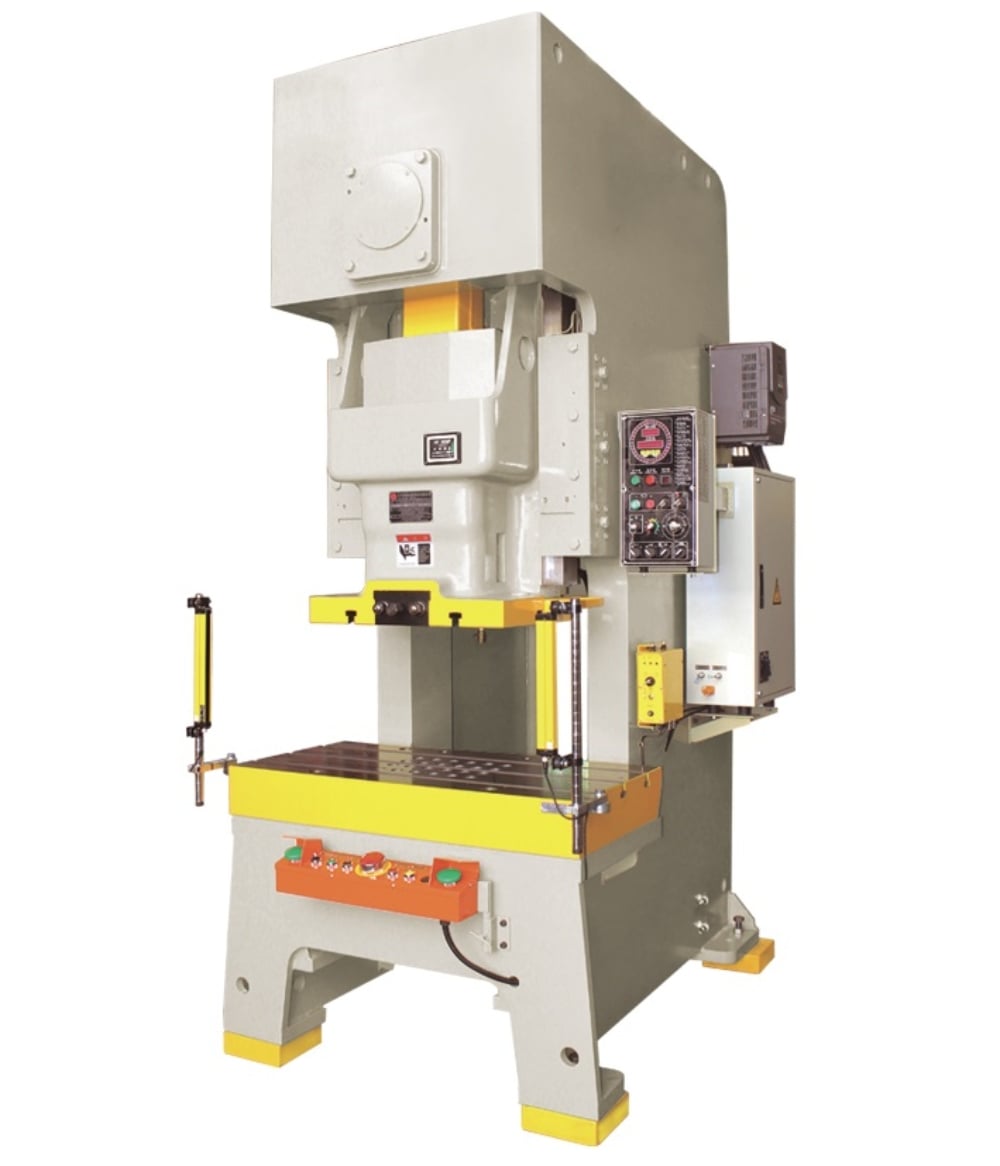
Safety configurations, such as light curtains, laser scanners, and interlocked enclosures, are not just optional add-ons; they are essential for compliance and operator protection. Never compromise on safety configurations to save costs. A well-configured machine with integrated safety features not only protects your workforce but also reduces insurance premiums and minimizes the risk of costly downtime due to accidents.
Custos Ocultos
When finalizing your Punching Machine Purchasing: Matching Machine Size, Force, and Workload strategy, it is vital to account for hidden costs. One of the most overlooked expenses is the foundation. High-tonnage machines require a reinforced concrete slab to dampen vibrations and ensure precision. If your current facility floor is not rated for the weight and vibration of the new machine, the cost of site preparation can be substantial.
Tooling maintenance is another recurring cost. Punches and dies wear out over time, and the frequency of replacement depends on the material thickness, the type of metal being punched, and the quality of the lubrication system. Budgeting for a regular sharpening service or investing in an in-house tool grinder is necessary to maintain the quality of your output and prevent damage to the machine’s ram.
Electrical and pneumatic infrastructure upgrades are often required. Many industrial punching machines require specific voltage, amperage, and clean, dry compressed air. If your shop’s current infrastructure is insufficient, you will need to hire licensed electricians and plumbers to bring the facility up to code. These costs are rarely included in the machine’s purchase price and can add thousands to the total project cost.
Training and software licensing are also hidden costs. Even the most intuitive CNC controller requires an operator to be trained to maximize its potential. Furthermore, if you are using advanced CAD/CAM software to program the machine, you will likely have annual subscription or maintenance fees. Failing to account for these ongoing operational costs can lead to a budget shortfall shortly after the machine is installed.
Cálculo do ROI
Calculating the Return on Investment (ROI) for a punching machine involves more than just looking at the price tag. You must evaluate the increase in production capacity, the reduction in labor costs, and the improvement in part quality. A machine that can punch 300 hits per minute will naturally provide a faster ROI than one that can only manage 100 hits per minute, provided you have the workload to keep it busy.
To calculate ROI, start by determining the current cost per part produced on your existing equipment. Include labor, electricity, tooling, and scrap rates. Then, estimate the cost per part on the new HARSLE machine. The difference, multiplied by your annual production volume, gives you the annual savings. Divide the total investment cost by these annual savings to find the payback period.
Don’t forget to factor in the “opportunity cost” of not upgrading. If your current machines are slow, prone to breakdowns, or unable to handle the precision required by your customers, you are likely losing business to competitors who have invested in modern technology. The ROI calculation should also consider the potential for new business that the machine’s capabilities will unlock.
Finally, consider the resale value. High-quality industrial machinery from reputable brands like HARSLE holds its value well. When calculating the long-term ROI, you can factor in the estimated salvage or resale value of the machine after 5 to 10 years of service. This often makes the decision to purchase a premium machine more financially sound than buying a cheaper, lower-quality alternative that will have little to no resale value.
Conselhos de Compra
The most important piece of advice for Punching Machine Purchasing: Matching Machine Size, Force, and Workload is to be honest about your current and future workload. Do not buy a machine that is significantly larger than your needs, as it will be inefficient and costly to operate. Conversely, do not buy a machine that is at its limit every day, as this will lead to premature wear and tear.
Always request a test cut. If possible, send your material and your CAD files to the manufacturer and ask them to run a sample. This will allow you to see the machine’s speed, accuracy, and ease of use firsthand. It also provides an opportunity to test the manufacturer’s support team—how quickly did they respond? How professional was the communication? These are indicators of the support you will receive after the sale.
Consider the availability of spare parts. A machine is only as good as its uptime. Ensure that the manufacturer has a local presence or a robust distribution network that can provide parts and service technicians quickly. HARSLE prides itself on its global support network, ensuring that your machine stays operational regardless of your location.
Lastly, involve your operators in the decision-making process. They are the ones who will be using the machine every day. Their feedback on the interface, the ergonomics, and the ease of tool changes is invaluable. A machine that is easy to use will lead to higher operator satisfaction, lower error rates, and ultimately, a more productive shop floor.
Perguntas frequentes
- How do I determine the correct tonnage for my punching machine?
Tonnage is calculated based on the material thickness, the perimeter of the shape being punched, and the shear strength of the material. A general rule is to multiply the perimeter by the thickness and then by the shear strength of the material. Always add a 20% safety margin. - What is the difference between a turret punch and a single-station punch?
A turret punch holds multiple tools simultaneously, allowing for rapid tool changes during a cycle. A single-station punch requires the operator to change the tool manually, which is slower but often more cost-effective for simple, low-volume jobs. - How often should I perform maintenance on my punching machine?
Daily checks should include lubrication and cleaning. Monthly checks should involve inspecting hydraulic levels, checking for leaks, and verifying the alignment of the punch and die. Annual professional servicing is highly recommended. - Can I use my existing tooling on a new HARSLE machine?
In many cases, yes, provided the tooling is compatible with the new machine’s tool-holding system. However, it is best to consult with our technical team to ensure compatibility and safety. - What is the typical lifespan of an industrial punching machine?
With proper maintenance and regular servicing, a high-quality industrial punching machine can easily last 15 to 20 years or more.


