Case Study: Choosing the Right Punching Machine for Efficient Metal Part Fabrication


Introduction
In the competitive landscape of modern manufacturing, the ability to produce high-quality metal components with speed and precision is the hallmark of a successful enterprise. For many fabrication shops, the decision to invest in a new punching machine is a pivotal moment that defines their operational capacity for years to come. This article presents a comprehensive case study: choosing the right punching machine for efficient metal part fabrication, drawing on real-world scenarios faced by HARSLE clients.
Efficiency in metal fabrication is not merely about the speed of the ram; it is about the integration of software, tooling, material handling, and machine reliability. When a mid-sized fabrication facility in the automotive supply chain approached us, they were struggling with bottlenecks caused by outdated mechanical punching systems. Their goal was to transition to a more agile, automated workflow that could handle complex geometries without sacrificing throughput.
This case study explores the journey of selecting the optimal equipment. We will analyze the technical requirements, the decision-making process, and the ultimate impact on production metrics. By understanding these variables, shop owners and production managers can make informed decisions that align with their specific manufacturing goals, ensuring that their investment yields the highest possible return on investment (ROI).
As we delve into this guide, we will cover the critical factors that influence machine selection, from tonnage requirements to turret configurations. Whether you are a job shop handling high-mix, low-volume production or a dedicated manufacturer focused on long-run consistency, the principles outlined here remain the gold standard for industrial equipment procurement.
Key Considerations for Selecting Punching Equipment
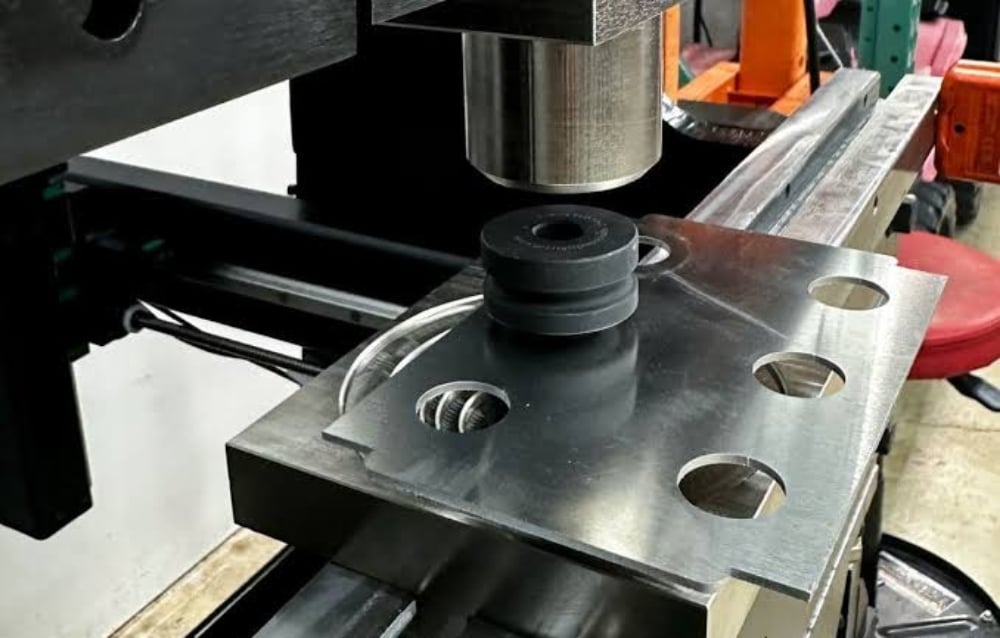
When embarking on the process of choosing a punching machine, the first step is a thorough audit of your current and projected product mix. A common mistake is selecting a machine based solely on current needs without accounting for future growth or the potential for more complex part designs. You must evaluate the material thickness, the types of metals being processed, and the complexity of the hole patterns required.
Tonnage is perhaps the most critical technical specification. It determines the machine’s ability to punch through thicker materials and perform larger-diameter holes. If your shop frequently works with stainless steel or high-strength alloys, you need a machine with a higher tonnage capacity than one processing thin-gauge aluminum. Underestimating this requirement leads to premature tool wear and potential damage to the machine frame.
Another vital consideration is the throat depth and the working range of the machine. The throat depth dictates the maximum size of the sheet that can be processed without repositioning. For large panels, a deep throat is essential to maintain accuracy and minimize handling time. Furthermore, the number of tool stations in the turret significantly impacts the machine’s flexibility. A turret with more stations allows for a wider variety of tools to be loaded simultaneously, reducing the downtime associated with tool changes.
Automation capabilities should also be at the forefront of your decision-making. Modern punching machines can be equipped with automatic loading and unloading systems, which drastically reduce the labor-intensive nature of sheet metal fabrication. By integrating these systems, manufacturers can achieve lights-out production, allowing the machine to run during off-hours and maximizing the utilization of the capital investment.
Finally, consider the software ecosystem. A punching machine is only as efficient as the programming that drives it. Look for systems that offer seamless integration with CAD/CAM software, allowing for rapid nesting and tool path optimization. This reduces material waste and ensures that the machine is always operating at its peak efficiency, minimizing the time between the design phase and the finished part.
Technical Details and Performance Metrics
To understand the mechanics of efficient fabrication, we must look at the technical specifications that define high-performance punching machines. HARSLE’s range of CNC punching machines utilizes advanced hydraulic or servo-electric systems. Servo-electric systems, in particular, have gained popularity due to their energy efficiency and precise control over the ram stroke, which is essential for complex forming operations.
The turret configuration is a major technical differentiator. A thick turret design provides superior tool alignment and stability, which is crucial for maintaining tight tolerances over long production runs. The indexing capability of the turret stations allows for the rotation of tools, enabling the creation of complex shapes and patterns without the need for specialized, expensive custom tooling. This versatility is a key driver of efficiency in high-mix environments.
Material handling systems, such as programmable clamps and sheet repositioning mechanisms, play a significant role in the overall cycle time. High-quality machines feature intelligent clamp positioning that prevents dead zones on the sheet, allowing for maximum material utilization. This reduces scrap rates, which is a direct contributor to the bottom line in any metal fabrication business.
The control system acts as the brain of the machine. Modern controllers offer intuitive interfaces that allow operators to monitor machine health, track production counts, and perform real-time diagnostics. This level of transparency is vital for predictive maintenance, allowing shops to address potential issues before they lead to costly downtime. By leveraging data-driven insights, managers can optimize their maintenance schedules and ensure the machine remains in peak condition.
Selection Advice: A Strategic Approach
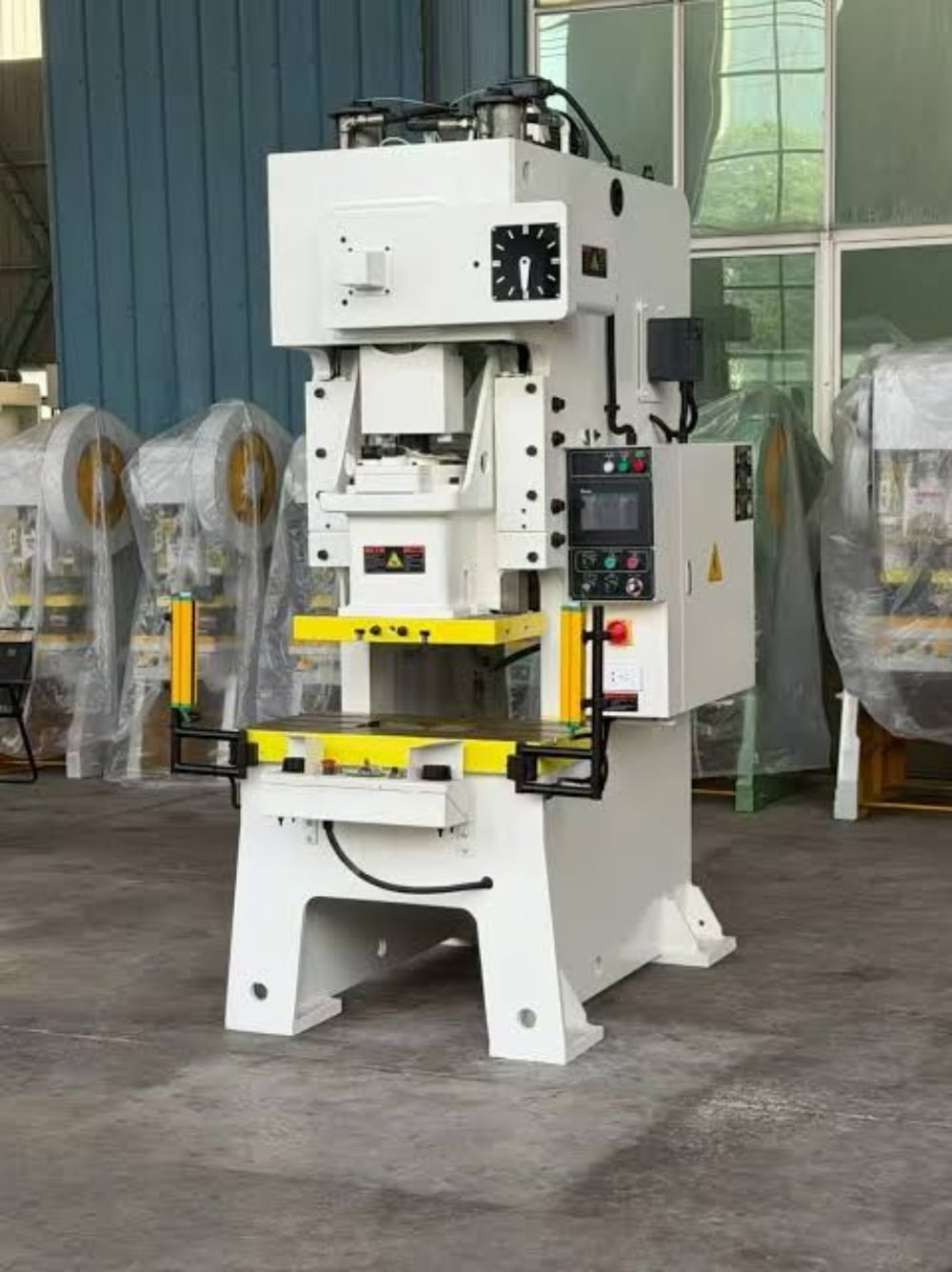
Choosing the right punching machine for efficient metal part fabrication requires a strategic approach that balances technical capability with financial reality. Start by creating a detailed list of your “must-have” features versus your “nice-to-have” features. This will help you filter out machines that do not meet your core operational requirements while keeping your budget in check.
Engage with your machine supplier early in the process. A reputable manufacturer like HARSLE can provide valuable insights based on their experience with similar clients. Ask for case studies or references from shops that have similar production profiles to yours. This real-world feedback is often more valuable than any brochure or technical manual.
Consider the total cost of ownership (TCO), not just the initial purchase price. TCO includes energy consumption, maintenance costs, tooling expenses, and the cost of operator training. A machine that is cheaper to buy but expensive to maintain or energy-inefficient will end up costing you more in the long run. Look for machines with a proven track record of reliability and low maintenance requirements.
Don’t overlook the importance of training and support. Even the most advanced machine will underperform if the operators are not properly trained. Ensure that your supplier provides comprehensive training programs and has a responsive technical support team. Having access to spare parts and expert advice can make the difference between a minor hiccup and a multi-day production stoppage.
Finally, plan for scalability. As your business grows, your needs will change. Choose a machine that offers modularity or the ability to add automation components later. This “future-proofing” approach ensures that your initial investment remains relevant and productive as your business evolves and your production demands increase.
Frequently Asked Questions (FAQ)
What is the primary advantage of a CNC punching machine over a laser cutter?
While laser cutters are excellent for complex contours, CNC punching machines are significantly faster for high-volume hole production and forming operations. They are also more energy-efficient and can perform secondary operations like embossing, louvers, and tapping in a single setup.
How do I determine the correct tonnage for my punching machine?
Tonnage is calculated based on the material type, thickness, and the perimeter of the shape being punched. A general rule of thumb is to calculate the force required for your largest hole and add a 20% safety margin to ensure the machine is not operating at its limit.
What maintenance is required to keep a punching machine efficient?
Regular maintenance includes lubricating moving parts, checking hydraulic fluid levels, inspecting tool holders for wear, and ensuring the turret alignment is calibrated. A preventative maintenance schedule is essential for long-term reliability.
Can a punching machine be integrated into an automated production line?
Yes, modern punching machines are designed for integration. They can be equipped with robotic loading/unloading arms, conveyors, and sorting systems to create a fully automated, lights-out fabrication cell.
How does turret configuration affect production speed?
A turret with more stations and auto-indexing capabilities reduces the need for manual tool changes. This minimizes downtime during job changeovers, which is critical for shops that handle a high variety of parts throughout the day.
Conclusion
The journey of choosing the right punching machine for efficient metal part fabrication is a complex but rewarding process. By carefully evaluating your technical requirements, considering the total cost of ownership, and prioritizing reliability and scalability, you can select a machine that transforms your production capabilities. As demonstrated in this case study, the right equipment is not just a tool; it is a strategic asset that drives growth, improves quality, and enhances your competitive edge in the metal fabrication industry.
At HARSLE, we are committed to providing our clients with the machinery and expertise they need to succeed. Whether you are looking to upgrade your current facility or setting up a new production line, our team is here to guide you through every step of the selection process. Remember that the goal is not just to buy a machine, but to build a partnership that supports your long-term manufacturing goals. Invest wisely, plan for the future, and watch your fabrication efficiency reach new heights.
By focusing on the principles of precision, versatility, and automation, you can ensure that your shop remains at the forefront of the industry. The right punching machine will provide the consistency and speed required to meet the demands of modern customers, allowing you to take on more complex projects and grow your business with confidence. We hope this guide has provided the clarity and direction needed to make an informed decision for your next equipment investment.