How an Electric Press Brake Case Study Improved Energy Savings and Bending Precision


Introduction
In the modern landscape of metal fabrication, the transition from traditional hydraulic systems to advanced electric drive technology represents a significant leap forward. As manufacturers face increasing pressure to reduce operational costs while simultaneously meeting tighter tolerance requirements, the adoption of electric press brakes has become a strategic imperative. This article explores how an electric press brake case study improved energy savings and bending precision, providing a blueprint for shops looking to modernize their production floors.
HARSLE has observed a growing trend among high-precision fabrication shops shifting toward servo-electric technology. Unlike hydraulic systems that rely on continuous motor operation and oil-based pressure, electric press brakes utilize high-torque servo motors that only consume energy during the actual bending cycle. This fundamental difference in power consumption is the primary driver behind the significant energy savings reported in recent industry benchmarks.
Beyond energy efficiency, the precision afforded by electric actuators is unparalleled. By eliminating the variables associated with hydraulic oil temperature fluctuations and valve latency, electric press brakes offer repeatable accuracy that is essential for complex, multi-stage bending operations. This article will delve into the technical mechanisms that make this possible and provide a comprehensive guide for those considering an upgrade.
Whether you are a job shop handling diverse materials or a high-volume production facility, understanding the impact of electric drive systems is crucial. We will examine the specific metrics that define success in these case studies, including cycle time reduction, energy cost savings, and the elimination of scrap parts due to bending inaccuracies.
Key Considerations for Transitioning to Electric
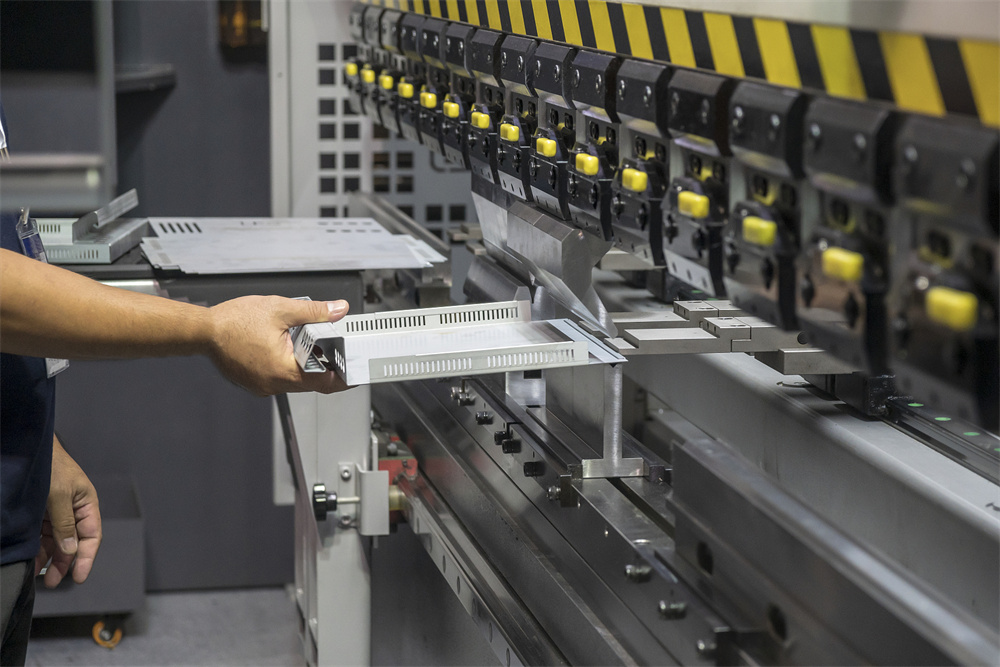
When evaluating the switch to electric technology, the first consideration is the return on investment (ROI) beyond the initial purchase price. While electric press brakes often carry a higher upfront cost compared to entry-level hydraulic models, the total cost of ownership (TCO) is significantly lower. This is primarily due to the absence of hydraulic oil, filters, and seals, which require regular maintenance and disposal costs in traditional machines.
Another critical factor is the environmental impact and workplace safety. Hydraulic leaks are a common nuisance in fabrication shops, creating slip hazards and potential environmental liabilities. Electric press brakes are inherently cleaner, operating in a dry environment that improves shop floor safety and reduces the need for specialized cleanup crews. This shift aligns with the growing industry trend toward sustainable manufacturing practices.
Production speed is also a major consideration. Electric press brakes typically offer faster ram speeds and quicker acceleration/deceleration profiles. In a case study environment, shops often report a 20-30% increase in parts-per-hour output. This is achieved through the precise control of the servo-driven ram, which allows for rapid approach, controlled bending, and fast retraction without the lag associated with hydraulic valve response times.
Finally, consider the skill level of your operators. Electric press brakes often come equipped with advanced CNC controllers that simplify the programming process. With intuitive interfaces and automatic crowning compensation, operators can achieve high-quality bends with less manual intervention. This reduces the training curve and allows shops to maintain consistent quality even with a rotating workforce.
Technical Details: How Efficiency and Precision are Achieved
The core of the energy efficiency improvement lies in the servo-motor architecture. In a hydraulic press brake, the main motor runs constantly to maintain pressure, even when the machine is idle. In contrast, an electric press brake uses servo motors that draw power only when the ram is in motion. During the bending process, the energy is precisely metered to the load, and during the return stroke, some systems can even regenerate energy back into the grid.
Bending precision is enhanced through the elimination of hydraulic “drift.” In hydraulic systems, oil viscosity changes as the machine warms up, which can lead to slight variations in the bottom dead center (BDC) position. Electric press brakes use high-precision ball screws or belt-driven systems that provide a rigid, mechanical connection between the motor and the ram. This ensures that the ram position is repeatable to within microns, regardless of how long the machine has been running.
The integration of advanced CNC controllers allows for real-time monitoring of the bending process. These controllers can adjust the ram position based on feedback from sensors, compensating for material spring-back in real-time. This level of control is particularly beneficial when working with high-strength materials or thin-gauge sheets that are prone to deformation if not handled with precise force application.
Furthermore, the structural rigidity of electric press brakes is often optimized for the specific force profiles of servo drives. By designing the frame to handle the direct, vertical force of the electric actuators, manufacturers like HARSLE ensure that frame deflection is minimized. This structural integrity, combined with the precision of the drive system, results in consistent bend angles across the entire length of the bed.
Selection Advice: Choosing the Right Equipment
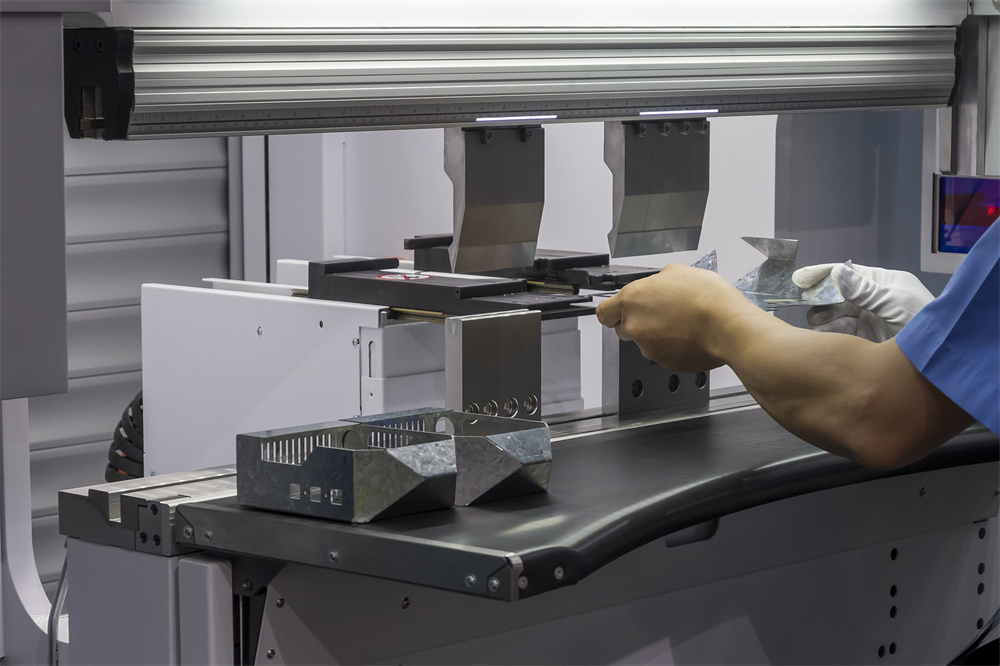
Selecting the right electric press brake requires a thorough analysis of your current and future production needs. Start by evaluating the maximum tonnage and bed length required for your most common parts. While electric press brakes are often available in smaller to mid-range tonnages, they are incredibly efficient for these applications. If your shop primarily handles thin-to-medium gauge sheet metal, an electric model will likely outperform a hydraulic equivalent in every metric.
Consider the software compatibility of the machine. A press brake is only as good as the software driving it. Ensure that the machine supports offline programming and can import 3D CAD files directly. This allows your engineering team to simulate the bending process, identify potential collisions, and optimize the tool setup before the material ever touches the machine. This reduces setup time and minimizes the risk of errors.
Look for manufacturers that offer comprehensive support and training. The transition to electric technology involves a shift in maintenance protocols and operational habits. HARSLE provides extensive documentation and technical support to ensure that your team can maximize the potential of your new equipment. Check for the availability of spare parts and the responsiveness of the service team in your region.
Finally, don’t overlook the importance of tooling. High-precision bending requires high-precision tools. Invest in quality punches and dies that are compatible with your machine’s clamping system. The combination of a high-precision electric press brake and premium tooling is the ultimate recipe for achieving the tightest tolerances in the industry.
Buyer’s Checklist for Electric Press Brakes
- Determine the maximum material thickness and length.
- Assess the need for multi-axis backgauge systems (e.g., 4-axis, 6-axis).
- Verify the compatibility of the CNC controller with existing CAD/CAM software.
- Evaluate the energy consumption ratings provided by the manufacturer.
- Check the availability of local service and technical support.
- Review the warranty terms and maintenance requirements.
FAQ: Common Questions About Electric Press Brakes
Q: Are electric press brakes suitable for heavy-duty plate bending?
A: While electric press brakes are highly efficient for thin and medium-gauge materials, extremely heavy-duty plate bending often still requires the sheer force of large hydraulic systems. However, for most fabrication shops, electric models cover the vast majority of production needs.
Q: How much energy can I actually save?
A: Case studies have shown that electric press brakes can reduce energy consumption by up to 50-70% compared to traditional hydraulic press brakes, primarily because they eliminate the idle energy consumption of the hydraulic pump.
Q: Is maintenance easier on an electric press brake?
A: Yes, maintenance is significantly simplified. There is no hydraulic oil to change, no filters to replace, and no risk of leaks. The primary maintenance tasks involve routine lubrication of the drive components and software updates.
Q: Can I integrate an electric press brake into an automated cell?
A: Absolutely. Electric press brakes are ideal for robotic integration due to their precise control and consistent performance, which makes them easier to synchronize with robotic loading and unloading systems.
Conclusion
The evidence from the electric press brake case study is clear: the shift toward servo-electric technology is a transformative step for any metal fabrication business. By prioritizing energy efficiency and bending precision, shops can not only reduce their operational costs but also elevate the quality of their finished products. HARSLE remains committed to providing the advanced machinery necessary to navigate this transition successfully.
As you look to the future of your manufacturing capabilities, consider how an electric press brake can serve as the cornerstone of a more efficient, precise, and sustainable production line. With the right equipment, proper training, and a commitment to quality, your shop can achieve the competitive edge required in today’s demanding market. Explore the HARSLE range of electric press brakes today to see how we can help you achieve your production goals.