How a Press Brake Case Study Helped a Factory Handle Thick Plate Bending Challenges


Introduction: The Reality of Thick Plate Fabrication
In the world of heavy metal fabrication, the ability to process thick plates with precision is a hallmark of a top-tier facility. However, many manufacturers struggle with the inherent challenges of high-tonnage bending, including springback, material cracking, and machine deflection. This article explores how a press brake case study helped a factory handle thick plate bending challenges, providing a roadmap for shops looking to upgrade their capabilities.
When a mid-sized structural steel manufacturer faced consistent bottlenecks in their production line, they realized that their legacy equipment was no longer sufficient for the demands of modern, high-strength steel. The transition from thin-gauge sheet metal to heavy-duty plate requires more than just raw power; it requires a sophisticated understanding of hydraulic systems, tooling geometry, and material science. By analyzing their specific operational failures, the factory was able to implement a solution that transformed their output.
This case study serves as a practical guide for shop managers and engineers. We will delve into the technical hurdles the factory faced, the specific machinery upgrades they implemented, and the long-term operational benefits they realized. Whether you are dealing with 20mm, 30mm, or even thicker plates, the lessons learned here are applicable to any high-intensity fabrication environment.
HARSLE has consistently observed that the most successful factories are those that treat every bending project as a technical challenge rather than a simple mechanical task. By focusing on the integration of advanced CNC controls and robust frame construction, this factory was able to reduce scrap rates by 40% and increase throughput significantly. Let’s examine the key considerations that led to this success.
Key Considerations for Thick Plate Bending
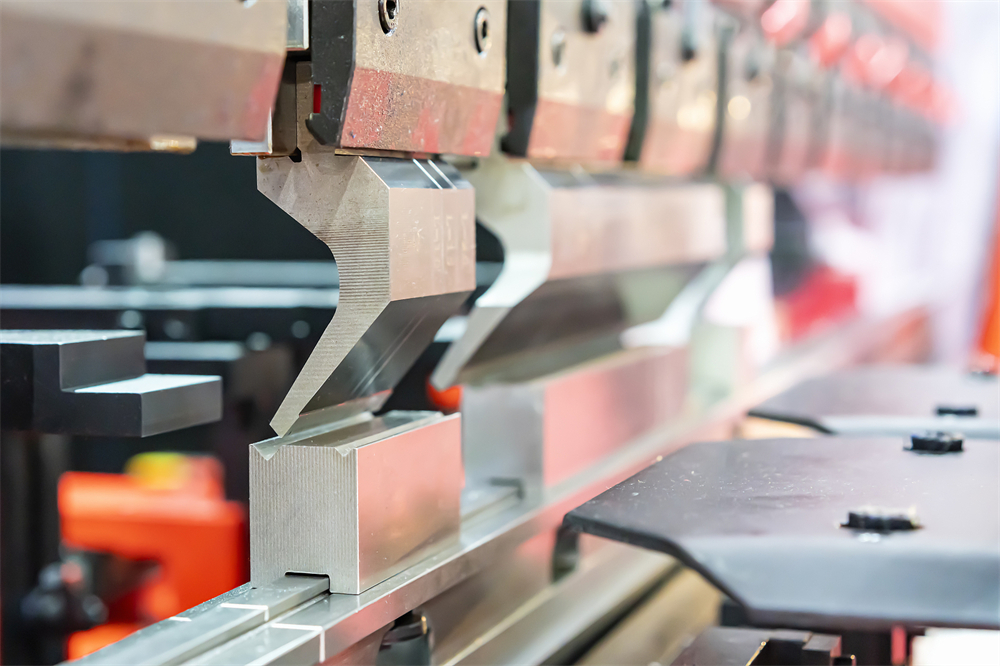
The primary challenge in thick plate bending is the sheer force required to overcome the yield strength of the material. Unlike thin sheets, thick plates exhibit significant springback, which is the tendency of the metal to return to its original shape after the bending force is removed. To combat this, the factory had to prioritize machines with advanced crowning systems that compensate for frame deflection under load.
Another critical factor is the choice of tooling. When bending thick plates, the radius of the bend must be carefully calculated to prevent cracking on the outer surface of the material. The factory discovered that their previous tooling was too sharp, creating stress risers that led to structural failure in the finished parts. By switching to larger radius punches and dies, they were able to distribute the bending force more evenly across the material surface.
Material consistency also plays a massive role. Thick plates often have variations in thickness and chemical composition, even within the same batch. The factory implemented a rigorous incoming material inspection process, ensuring that the CNC controller could adjust the bending parameters in real-time. This level of automation is essential for maintaining consistency across large production runs.
Finally, safety cannot be overlooked. Bending thick plates involves massive amounts of stored energy. The factory upgraded their safety protocols, integrating laser light curtains and specialized clamping systems that prevent the plate from whipping or slipping during the bending cycle. These safety measures not only protected the operators but also improved the overall confidence and speed of the production team.
Technical Details: Overcoming the Deflection Barrier
The core of the factory’s transformation was the installation of a high-tonnage HARSLE CNC hydraulic press brake. The technical specifications of this machine were chosen specifically to address the limitations of their previous setup. The machine featured a heavy-duty, stress-relieved steel frame that minimized structural deformation during high-pressure cycles, ensuring that the ram remained parallel to the bed at all times.
One of the most significant technical advancements was the implementation of a dynamic crowning system. In thick plate bending, the center of the press brake bed tends to deflect more than the ends, leading to inconsistent bend angles along the length of the part. The new system used a series of hydraulic cylinders beneath the lower die to adjust the bed profile dynamically, compensating for deflection based on the specific tonnage and material thickness being processed.
The CNC controller was another game-changer. By utilizing a multi-axis controller, the operators could program complex bending sequences that accounted for material springback automatically. The software utilized a database of material properties, allowing the machine to calculate the exact over-bend angle required to achieve a perfect 90-degree result after the material relaxed. This eliminated the need for time-consuming trial-and-error adjustments.
Furthermore, the hydraulic system was upgraded to include high-response proportional valves. These valves allow for precise control over the ram speed and pressure, which is vital when working with thick, high-strength materials that require a slow, controlled bend to prevent surface damage. The integration of these technical features turned a previously difficult process into a repeatable, high-quality operation.
Selection Advice: Choosing the Right Equipment
When selecting a press brake for thick plate applications, the first step is to perform a thorough analysis of your maximum material thickness and bend length. Many factories make the mistake of purchasing a machine that is just barely capable of handling their thickest plate. This leads to premature wear and tear on the machine, as it is constantly operating at its maximum capacity. Always aim for a machine with a tonnage capacity at least 20% higher than your calculated requirements.
Consider the throat depth and open height of the machine. Thick plates often require large, heavy-duty tooling that takes up significant space. If your machine has a shallow throat, you will be limited in the types of parts you can produce. A deeper throat provides more flexibility, allowing you to bend larger, more complex geometries without interference from the machine frame.
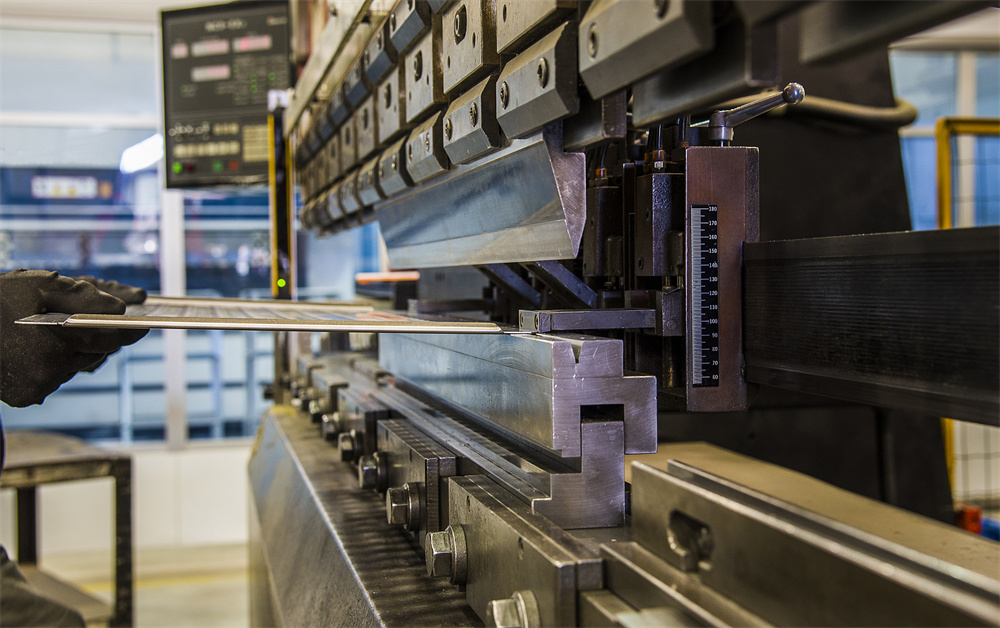
The type of backgauge system is also paramount. For thick plate bending, you need a robust, multi-axis backgauge that can handle the weight of the material. A flimsy backgauge will deflect under the weight of a heavy plate, leading to inaccurate bend locations. Look for systems with hardened fingers and high-precision servo motors that can maintain accuracy even under heavy loads.
Finally, consider the manufacturer’s support and service network. A press brake is a long-term investment. You need a partner who can provide training, maintenance, and spare parts quickly. HARSLE provides comprehensive support, ensuring that your team is fully trained on the operation and maintenance of the machine, which is essential for maximizing the return on your investment.
FAQ: Common Questions About Thick Plate Bending
- What is the biggest challenge when bending thick plates? The biggest challenge is managing springback and preventing material cracking. This requires proper tooling radius and precise tonnage control.
- How does a crowning system help? A crowning system compensates for the natural deflection of the press brake bed under high pressure, ensuring the bend angle is consistent across the entire length of the plate.
- Why is material inspection important? Variations in material thickness or hardness can lead to inconsistent bends. Inspecting material beforehand allows for CNC adjustments to maintain accuracy.
- How often should I perform maintenance on a heavy-duty press brake? Maintenance should be performed according to the manufacturer’s schedule, typically focusing on hydraulic fluid, filter changes, and checking the alignment of the ram and bed.
- Can I use standard tooling for thick plates? Generally, no. Thick plates require specialized, larger-radius tooling to prevent stress fractures and ensure the material flows correctly during the bend.
Conclusion: Transforming Your Fabrication Capabilities
The story of how a press brake case study helped a factory handle thick plate bending challenges is a testament to the power of informed decision-making. By identifying the root causes of their production issues—deflection, tooling limitations, and lack of automation—the factory was able to move from a state of constant struggle to one of high-efficiency production. The transition to a modern, high-tonnage HARSLE press brake provided the stability and precision needed to tackle even the most demanding projects.
For any metal fabrication shop, the lesson is clear: investment in the right technology, combined with a deep understanding of the physics of bending, is the key to staying competitive. Whether you are looking to expand your capabilities into thicker materials or simply want to improve the quality of your current output, focusing on the technical details of your machinery is the first step toward success.
As the industry continues to evolve, the demand for high-precision, heavy-duty fabrication will only grow. By learning from the experiences of others and investing in robust, reliable equipment, your factory can overcome the challenges of thick plate bending and position itself as a leader in the market. Remember that every bend is an opportunity to demonstrate quality, and with the right tools, your potential is limitless.