
How Much Should You Budget for a Hydraulic Press Machine? A Comprehensive Guide


Price Range Overview: Understanding the Investment
When businesses begin the procurement process for metal fabrication equipment, the question “How much should you budget for a hydraulic press machine?” is often the most critical starting point. The reality is that hydraulic presses are not one-size-fits-all commodities; they are precision-engineered systems tailored to specific industrial requirements. Generally, entry-level, small-tonnage C-frame presses can start as low as $10,000 to $20,000, while high-tonnage, custom-automated production lines can easily exceed $500,000 or more.
For small job shops or prototyping facilities, a budget in the $25,000 to $60,000 range often secures a reliable, versatile machine capable of handling standard bending, punching, and forming tasks. These machines typically offer a balance between manual control and basic programmable logic, providing enough flexibility to handle diverse client requests without the overhead of heavy-duty industrial automation.
Mid-range industrial applications, which require higher precision, faster cycle times, and integrated safety systems, usually demand a budget between $70,000 and $150,000. In this tier, manufacturers like HARSLE provide advanced hydraulic systems with proportional valves, high-speed ram movement, and sophisticated CNC controllers that allow for repeatable, high-quality production runs. This is the sweet spot for many medium-sized metal fabrication businesses.
For large-scale manufacturing, automotive parts production, or heavy plate forming, the budget must scale significantly. High-tonnage presses (500 tons and above) with multi-axis control, robotic integration, and advanced material handling systems represent a significant capital expenditure. Companies operating in this sector should expect to allocate anywhere from $200,000 to over $1,000,000, depending on the complexity of the tooling and the level of automation required to optimize throughput.
It is essential to view this expenditure not merely as a cost, but as a long-term asset. A well-maintained hydraulic press can remain operational for decades, making the initial purchase price a fraction of the total cost of ownership. When planning your budget, always account for the machine’s expected lifespan and the potential for increased production capacity, which can justify a higher initial investment.
Main Cost Drivers: What Influences the Price?
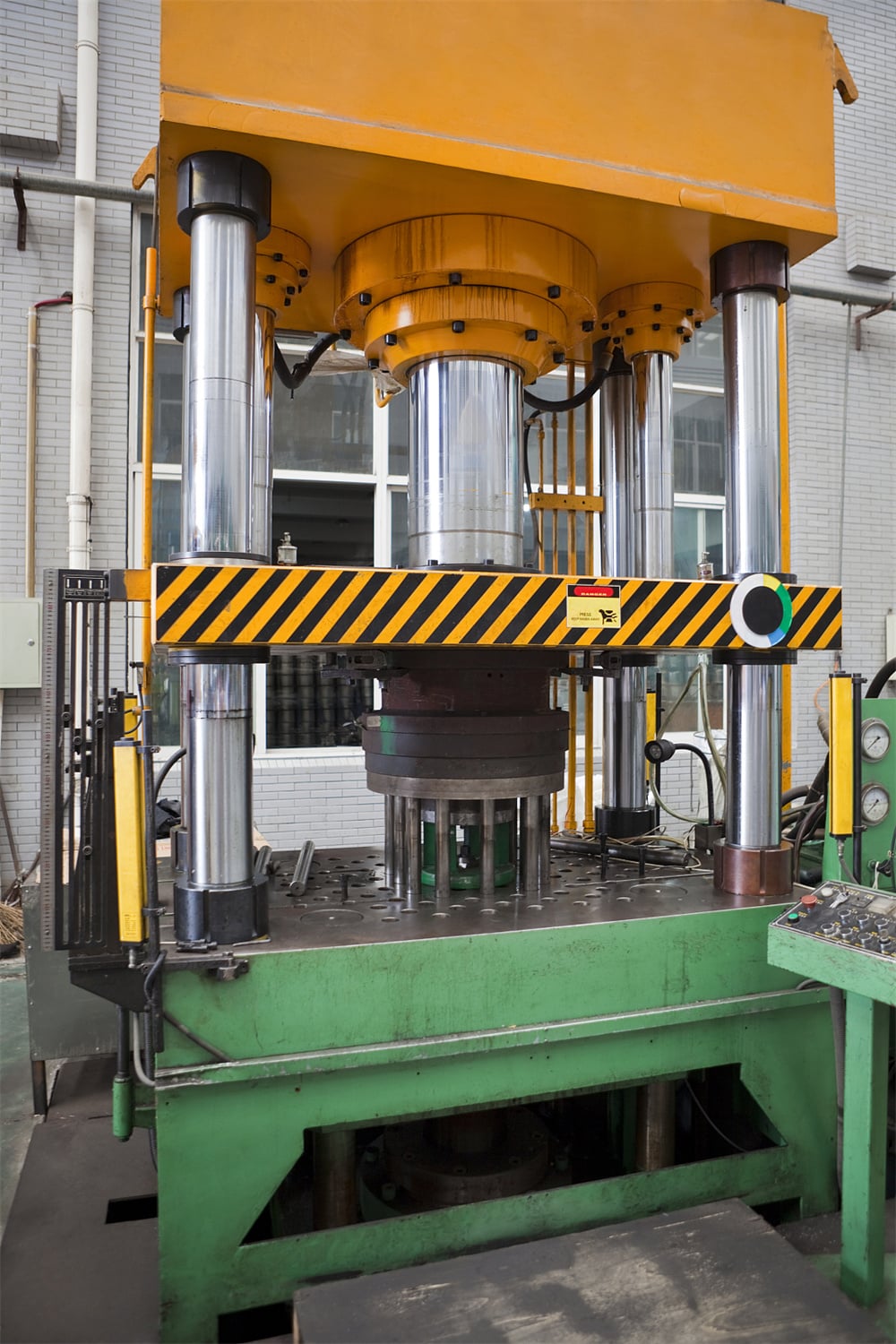
The primary factor influencing the cost of a hydraulic press is tonnage. Tonnage refers to the amount of force the machine can exert, and it is directly proportional to the size of the hydraulic cylinders, the strength of the frame, and the power of the motor. A 100-ton press will naturally cost significantly less than a 1,000-ton press because the latter requires much thicker steel plate construction and more robust hydraulic components to handle the immense pressure.
Another major cost driver is the frame design. C-frame presses are generally more affordable and offer easy access to the work area from three sides, making them ideal for smaller parts and secondary operations. However, H-frame or four-column presses offer superior rigidity and bed parallelism, which are necessary for precision forming and large-die applications. The engineering required to ensure structural integrity under load directly impacts the final price tag.
The hydraulic system components themselves—pumps, valves, and seals—are significant cost contributors. High-end systems utilize proportional hydraulic technology, which allows for precise control over ram speed and pressure. While these components increase the upfront cost, they significantly improve the quality of the finished product and reduce scrap rates. Investing in high-quality hydraulic components is often the best way to ensure long-term reliability and lower maintenance costs.
Control systems also play a pivotal role in the budget. A basic manual press with simple push-button controls is significantly cheaper than a CNC-controlled press with a touchscreen interface, job memory, and remote diagnostic capabilities. Modern CNC controllers allow for complex multi-step forming sequences, which can drastically reduce setup times and operator error, providing a clear justification for the higher initial investment.
Finally, the brand and the level of support provided by the manufacturer cannot be ignored. Established manufacturers like HARSLE provide not just the machine, but also comprehensive after-sales support, spare parts availability, and technical training. While it might be tempting to opt for the cheapest machine on the market, the lack of support and the potential for extended downtime can lead to much higher costs in the long run.
Configuration Impact: Customization and Tooling
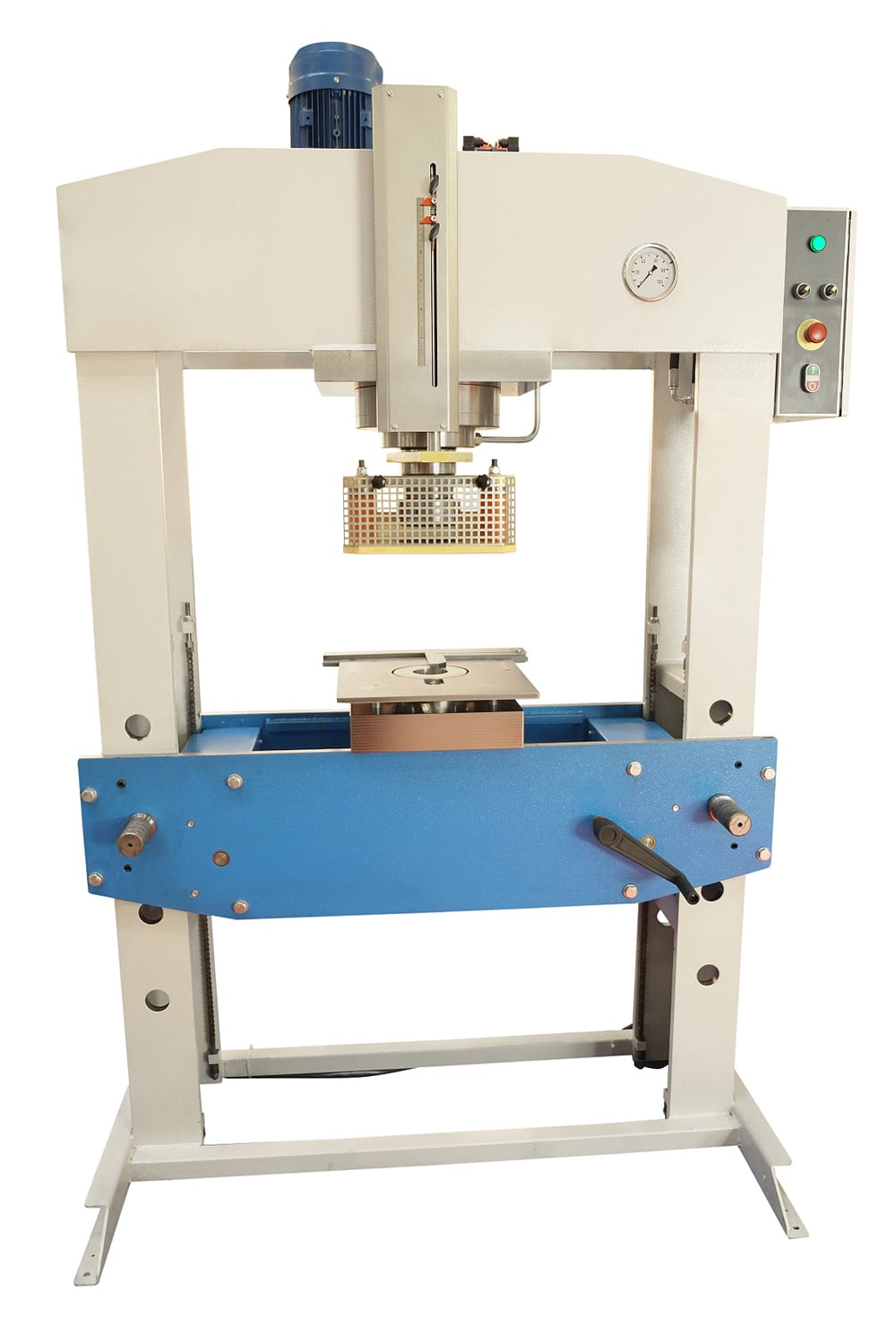
Beyond the base machine, the configuration options you choose will heavily influence your budget. Many manufacturers offer modular designs, allowing you to add features as your business grows. For example, you might start with a standard press and later add a light curtain safety system, a hydraulic die cushion, or an automated feeding system. Each of these additions adds to the total cost but also increases the machine’s capabilities.
Tooling is often an overlooked cost in the initial budget. Depending on the complexity of the parts you are producing, custom dies and punches can cost anywhere from a few thousand to tens of thousands of dollars. It is vital to consult with your press manufacturer early in the process to ensure that your tooling requirements are compatible with the machine’s bed size, shut height, and stroke length.
Safety features are non-negotiable, but they also vary in price. Basic safety guards are standard, but advanced light curtains, laser scanners, and dual-hand control systems are essential for modern safety compliance. These systems not only protect your operators but also help in reducing insurance premiums and avoiding costly workplace accidents. Always budget for the highest level of safety equipment available for your specific application.
Energy efficiency is another configuration factor that impacts long-term costs. Modern hydraulic presses often feature variable frequency drives (VFDs) or servo-hydraulic systems that adjust motor speed based on demand. While these systems increase the initial purchase price, they can reduce energy consumption by 30% to 50%, providing a significant return on investment through lower utility bills over the life of the machine.
Hidden Costs: Beyond the Purchase Price
When asking “How much should you budget for a hydraulic press machine?”, many buyers forget to include installation and site preparation costs. A heavy-duty hydraulic press requires a reinforced concrete foundation to handle the weight and vibration. You may also need to upgrade your facility’s electrical infrastructure to accommodate the high-voltage requirements of the hydraulic pump motor.
Shipping and rigging are also substantial expenses. Because these machines are massive and heavy, specialized transport and crane services are often required to move the press from the delivery truck to its final position on your shop floor. Depending on your location and the size of the machine, shipping and rigging can add several thousand dollars to your total budget.
Maintenance and spare parts should be factored into your annual operating budget. Hydraulic oil, filters, seals, and occasional hydraulic hose replacements are standard maintenance items. It is wise to set aside 5% to 10% of the machine’s purchase price annually for preventative maintenance to ensure that the press remains in peak operating condition and to avoid unexpected, costly breakdowns.
Training your staff is another hidden cost that is essential for success. Even the most advanced machine is only as good as the operator running it. Budgeting for professional training sessions—either at the manufacturer’s facility or on-site—will ensure that your team can operate the machine safely and efficiently, maximizing your productivity from day one.
ROI Calculation: Justifying the Investment
Calculating the Return on Investment (ROI) for a hydraulic press involves looking at both direct and indirect savings. Direct savings come from increased production speed, reduced material waste, and lower labor costs per part. By automating repetitive tasks, you can produce more parts in less time, allowing you to take on larger contracts and increase your revenue.
Indirect savings are often more significant. Improved precision means fewer rejected parts, which saves on material costs and rework time. Enhanced safety features reduce the risk of workplace injuries, which can save thousands in potential legal fees and lost productivity. Furthermore, the ability to offer higher-quality parts can help you win more competitive bids and improve your reputation in the industry.
To calculate your ROI, start by estimating the total cost of the machine, including installation and training. Then, estimate the annual increase in production capacity and the reduction in labor and material costs. Divide the total investment by the annual savings to determine the payback period. Most well-planned hydraulic press investments pay for themselves within 18 to 36 months.
Consider the competitive advantage as well. If your competitors are using outdated, manual equipment, upgrading to a modern, CNC-controlled hydraulic press allows you to offer faster turnaround times and tighter tolerances. This competitive edge can lead to increased market share and long-term business growth that is difficult to quantify but essential for survival in the modern manufacturing landscape.
Buying Advice: Making the Right Choice
Before finalizing your budget, clearly define your production needs. Are you doing short-run prototyping or high-volume production? What materials will you be forming, and what are the maximum dimensions? Having a clear understanding of your requirements will prevent you from overspending on features you don’t need or underspending on a machine that cannot handle your workload.
Request quotes from multiple reputable manufacturers and compare them based on more than just price. Look at the quality of the components, the availability of local service, the warranty terms, and the manufacturer’s reputation. A slightly higher price for a machine from a trusted brand like HARSLE is often a better investment than a cheaper machine with poor support.
Ask for references and, if possible, visit a facility that is currently using the machine you are considering. Seeing the press in action will give you a much better idea of its performance, reliability, and ease of use. Talk to the operators and maintenance staff to get their honest feedback on the machine’s strengths and weaknesses.
Finally, consider the future. Your business needs may change, so look for a machine that offers some level of scalability. Can you add automation later? Is the controller software upgradeable? Choosing a machine that can grow with your business will save you from having to replace it in a few years, providing the best long-term value for your investment.
Frequently Asked Questions (FAQ)
- How much should you budget for a hydraulic press machine for a small shop? For a small shop, a budget of $25,000 to $60,000 is typically sufficient for a versatile, high-quality machine.
- Does tonnage significantly affect the price? Yes, tonnage is one of the biggest cost drivers because it dictates the size of the frame, cylinders, and motor.
- What are the most important features to look for? Look for high-quality hydraulic components, robust frame construction, advanced safety features, and a user-friendly CNC controller.
- How often do hydraulic presses need maintenance? Regular preventative maintenance should be performed according to the manufacturer’s schedule, typically every 6 to 12 months, to ensure long-term reliability.
- Is it worth buying a used hydraulic press? Used machines can be cheaper, but they come with risks regarding wear and tear, lack of warranty, and potential compatibility issues with modern tooling. Always inspect used machines thoroughly before purchasing.
- How long does a hydraulic press typically last? With proper maintenance, a high-quality industrial hydraulic press can last 20 to 30 years or more.


