
Common Laser Cutting Machine Applications in HVAC Ducting and Ventilation Fabrication


Introduction to Modern HVAC Fabrication
The HVAC (Heating, Ventilation, and Air Conditioning) industry has undergone a significant transformation over the last decade. As building codes become stricter and energy efficiency standards rise, the demand for precision-engineered ductwork has skyrocketed. At the heart of this evolution is the adoption of advanced metal fabrication equipment, specifically the laser cutting machine. Understanding the Common Laser Cutting Machine Applications In Hvac Ducting Ventilation Fabrication is essential for manufacturers looking to maintain a competitive edge in a high-volume, high-precision market.
Traditionally, HVAC ducting was fabricated using manual shears, plasma cutters, or mechanical punching machines. While these methods served the industry for years, they often struggled with complex geometries, material waste, and the need for extensive secondary finishing. Laser technology has changed the landscape by offering unparalleled speed, accuracy, and versatility. Whether dealing with galvanized steel, stainless steel, or aluminum, laser cutting systems provide the clean edges and tight tolerances required for modern airtight ventilation systems.
HARSLE, as a leader in industrial machinery, recognizes that the integration of fiber laser technology into HVAC workshops is no longer a luxury but a necessity. By automating the cutting process, fabricators can reduce labor costs, minimize material scrap, and significantly shorten production lead times. This article explores the technical nuances, strategic advantages, and selection criteria for implementing laser cutting solutions in your ventilation fabrication facility.
Key Considerations for HVAC Ducting Fabrication
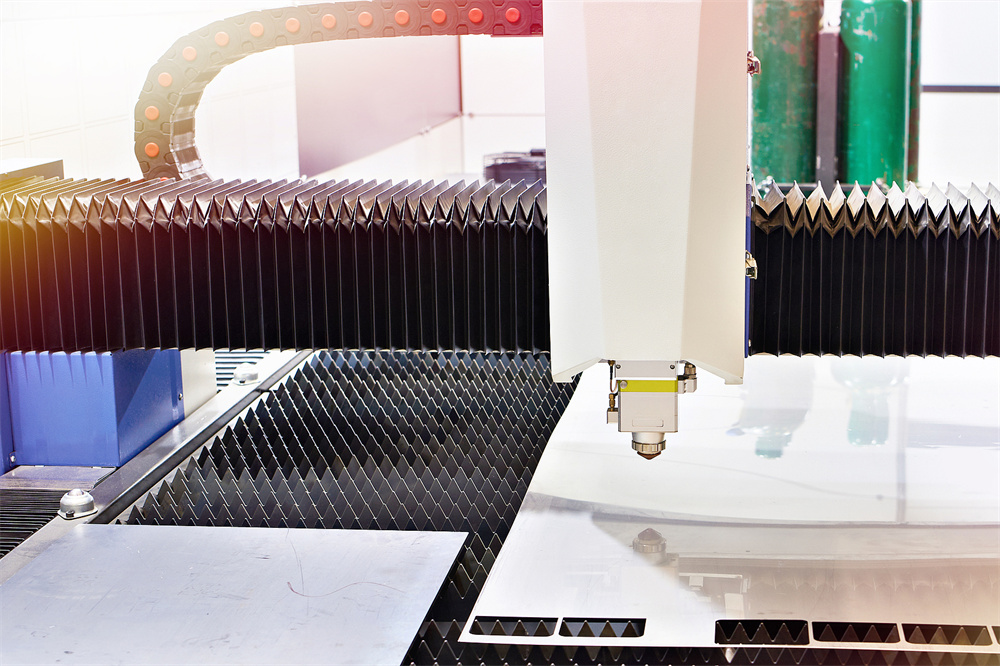
When integrating a laser cutting machine into an HVAC production line, several key considerations must be addressed to ensure optimal performance. The first is material compatibility. HVAC ducting is primarily constructed from galvanized steel, but stainless steel is increasingly used in commercial kitchens and pharmaceutical environments, while aluminum is preferred for lightweight, corrosion-resistant applications. A high-quality fiber laser must be capable of handling these varying thicknesses and reflective properties without compromising the integrity of the protective coating.
Another critical factor is the complexity of the ductwork design. Modern ventilation systems often require intricate patterns, such as custom transitions, elbows, and diffusers that must fit together perfectly to prevent air leakage. Laser cutting allows for the nesting of these complex parts on a single sheet of metal, maximizing material utilization. This nesting capability is a game-changer for fabricators who want to reduce their environmental footprint and lower raw material costs.
Production speed and throughput are also paramount. HVAC fabrication is often project-based with tight deadlines. A laser cutting machine must be integrated with robust CAD/CAM software that can translate architectural drawings into machine-ready G-code instantly. This digital workflow eliminates the need for physical templates and reduces the risk of human error, ensuring that every piece of ductwork is cut to exact specifications every time.
Finally, the environment of the fabrication shop must be considered. Laser cutting machines generate heat and fumes, requiring proper ventilation and filtration systems. HARSLE emphasizes the importance of a clean, climate-controlled environment to maintain the longevity of the laser source and the precision of the motion control system. Investing in a machine that is built for industrial durability ensures that your HVAC production remains uninterrupted during peak demand periods.
Technical Details of Laser Cutting in Ventilation
The technical superiority of laser cutting in HVAC fabrication lies in the physics of the process. Unlike plasma cutting, which uses a high-velocity jet of ionized gas, laser cutting uses a focused beam of light to melt or vaporize the material. This results in a much smaller heat-affected zone (HAZ), which is crucial when working with thin-gauge galvanized steel. A smaller HAZ means less warping and distortion, ensuring that the duct sections remain flat and easy to assemble.
Fiber laser technology, in particular, has become the industry standard for Common Laser Cutting Machine Applications In Hvac Ducting Ventilation Fabrication. Fiber lasers offer higher wall-plug efficiency, lower maintenance requirements, and faster cutting speeds compared to traditional CO2 lasers. For HVAC fabricators, this means the ability to cut through 1mm to 6mm sheet metal with incredible precision, leaving a smooth edge that requires little to no deburring.
The motion control system is another technical pillar. High-end laser machines utilize rack-and-pinion drives or linear motors to achieve high acceleration and deceleration rates. This is vital when cutting the complex, curved shapes often found in ventilation fittings. The machine’s ability to maintain constant velocity through corners and intricate contours directly impacts the quality of the final product and the overall cycle time of the fabrication process.

Furthermore, the integration of automated loading and unloading systems can transform a standard laser cutter into a fully autonomous production cell. For high-volume HVAC manufacturers, this means the machine can run unattended for extended periods, processing entire batches of duct segments while the operator focuses on assembly and quality control. This level of automation is the key to scaling production without a proportional increase in labor costs.
Selection Advice for HVAC Fabricators
Choosing the right laser cutting machine for your HVAC business requires a careful assessment of your current and future production needs. Start by evaluating your material mix. If you primarily cut thin galvanized steel, a lower-wattage fiber laser (e.g., 1kW to 3kW) may be sufficient. However, if you frequently handle thicker stainless steel or aluminum, you may need a higher-wattage source to maintain speed and edge quality.
Consider the bed size as well. Most HVAC ducting is fabricated from standard 4×8 or 5×10 foot sheets. Ensure the machine’s working area can accommodate these sizes comfortably, with some extra room for loading and unloading. A shuttle table system is highly recommended for HVAC shops, as it allows the operator to load a new sheet of metal while the machine is still cutting the previous one, effectively eliminating downtime.
Software compatibility is perhaps the most overlooked aspect of the buying process. Your laser cutting machine is only as good as the software driving it. Look for systems that support industry-standard HVAC design software and offer advanced nesting algorithms. The ability to automatically generate common-line cutting paths can save significant amounts of material over the course of a year, providing a quick return on investment.
Finally, consider the support and service provided by the manufacturer. HARSLE prides itself on providing comprehensive training, remote diagnostics, and local technical support. When your production line depends on a laser cutter, having a partner who can provide quick spare parts and expert advice is invaluable. Do not base your decision solely on the initial purchase price; consider the total cost of ownership, including energy consumption, maintenance, and potential downtime costs.
Perguntas frequentes (FAQ)
1. Why is laser cutting better than plasma cutting for HVAC ducting?
Laser cutting offers higher precision, a smaller heat-affected zone, and superior edge quality compared to plasma cutting. This results in less distortion of thin-gauge sheet metal and eliminates the need for secondary grinding or deburring, which is essential for airtight ductwork.
2. Can a laser cutting machine handle galvanized steel?
Yes, modern fiber laser machines are excellent for cutting galvanized steel. The key is to use the correct assist gas (usually nitrogen or oxygen) and optimize the cutting parameters to prevent damage to the zinc coating, ensuring the material remains corrosion-resistant.
3. How does nesting improve HVAC fabrication efficiency?
Nesting software arranges parts on a sheet of metal to minimize waste. By placing parts as close together as possible, you reduce the amount of scrap metal, which significantly lowers material costs—a major factor in the profitability of HVAC ducting fabrication.
4. What is the typical maintenance required for an HVAC laser cutter?
Regular maintenance includes cleaning the protective lens, checking the cooling system, inspecting the nozzle, and ensuring the motion control rails are lubricated. HARSLE provides detailed maintenance schedules to ensure your machine operates at peak performance.
5. Is it difficult to learn how to operate a laser cutting machine?
With modern, user-friendly control interfaces and HARSLE’s comprehensive training programs, operators can become proficient in running the machine relatively quickly. The software handles most of the complex calculations, allowing the operator to focus on workflow management.
Conclusão
The adoption of laser cutting technology is a defining characteristic of modern, efficient HVAC fabrication. By understanding the Common Laser Cutting Machine Applications In Hvac Ducting Ventilation Fabrication, manufacturers can leverage precision, speed, and material efficiency to dominate their markets. From the initial design phase to the final assembly of complex ducting systems, laser cutting provides the consistency and quality that today’s building projects demand.
HARSLE remains committed to providing the metal fabrication industry with the tools necessary to succeed. Whether you are a small shop looking to upgrade from manual methods or a large-scale manufacturer seeking to automate your production line, our range of fiber laser cutting machines offers the reliability and performance you need. Investing in the right technology today is the best way to ensure your business remains profitable and competitive in the years to come.
As you evaluate your options, remember that the goal is not just to buy a machine, but to implement a solution that enhances your entire production workflow. By focusing on material optimization, software integration, and ongoing maintenance, you can transform your HVAC fabrication process and deliver superior products to your clients. Contact HARSLE today to learn more about how our laser cutting solutions can be tailored to your specific ventilation fabrication needs.


