Seasonal Press Brake Maintenance Tips for Stable Performance: The HARSLE Guide


The Critical Importance of Seasonal Press Brake Maintenance
In the high-stakes world of metal fabrication, the press brake serves as the backbone of production. Whether you are operating a high-tonnage HARSLE hydraulic press brake or a precision servo-electric model, the machine’s ability to deliver consistent bend angles and repeatable results depends entirely on its mechanical health. Seasonal press brake maintenance tips for stable performance are not merely suggestions; they are essential protocols that prevent costly downtime and ensure the longevity of your capital investment.
As environmental conditions shift throughout the year, your machinery faces unique stressors. Humidity levels, ambient temperature fluctuations, and dust accumulation vary significantly between summer and winter, directly impacting hydraulic viscosity, electrical component integrity, and mechanical tolerances. By adopting a seasonal maintenance mindset, operators can preemptively address issues before they manifest as catastrophic failures or precision drift.
Stable performance in a press brake is defined by the machine’s ability to maintain its Y-axis repeatability and X-axis backgauge accuracy under varying workloads. When maintenance is neglected, the cumulative effect of wear and tear leads to “spring-back” inconsistencies, uneven bending, and increased energy consumption. Implementing a structured maintenance program ensures that your HARSLE equipment remains a reliable asset, capable of handling complex bending applications with ease.
Furthermore, maintenance is a safety imperative. A well-maintained press brake is a safe press brake. Worn-out seals, frayed electrical wiring, or clogged filters can lead to erratic machine behavior, posing significant risks to operators. By adhering to the seasonal maintenance tips outlined in this guide, you protect your workforce while simultaneously optimizing the throughput of your fabrication facility.
Daily Inspection Protocols for Operational Excellence
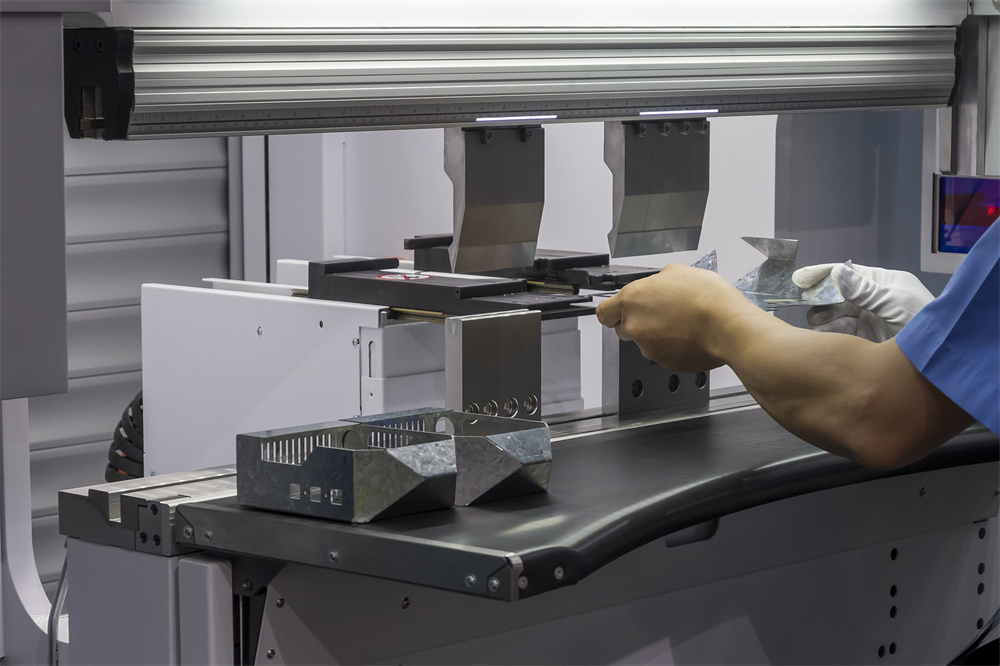
Before diving into seasonal overhauls, daily inspections form the foundation of stable performance. Every shift should begin with a visual and functional check of the machine’s primary systems. Operators should inspect the ram and bed for any signs of debris, metal shavings, or foreign objects that could interfere with the bending process. Even a small piece of scrap metal can cause uneven pressure distribution, leading to tool damage or workpiece deformation.
Check the condition of the tooling. Inspect the punch and die for signs of chipping, cracking, or excessive wear. Using damaged tooling not only compromises the quality of the bend but also places undue stress on the press brake’s ram and hydraulic system. If you notice any irregularities, replace the tooling immediately to maintain the integrity of your production line.
Verify the functionality of safety devices, including light curtains, laser guards, and emergency stop buttons. These components are your first line of defense. Test them daily to ensure they are properly aligned and responsive. A press brake should never be operated if any safety feature is compromised, as this violates industrial safety standards and puts operators at unnecessary risk.
Finally, monitor the machine’s noise levels and vibration during a dry cycle. Unusual grinding noises, high-pitched squeals, or excessive shaking are early warning signs of mechanical misalignment or lubrication failure. By documenting these daily observations in a logbook, you create a historical record that helps maintenance teams identify trends and address potential issues before they escalate into major repairs.
Hydraulic, Electrical, and Mechanical System Checks
The hydraulic system is the heart of your press brake. Seasonal changes significantly affect hydraulic oil performance. In colder months, oil viscosity increases, which can lead to sluggish ram movement and increased strain on the pump. Conversely, high summer temperatures can cause oil to thin, potentially leading to leaks or reduced pressure stability. Check your oil levels daily and perform a full fluid analysis every six months to ensure the oil is free of contaminants and moisture.
Electrical systems require careful attention, particularly in humid environments. Dust and moisture are the primary enemies of control cabinets and PLC units. Ensure that all cabinet cooling fans are operational and that air filters are clean. Periodically check electrical connections for signs of corrosion or looseness caused by thermal expansion and contraction. Tightening these connections prevents voltage drops and erratic behavior in the CNC controller.
Mechanical components, such as the backgauge assembly and ram guides, require precise calibration. Over time, the constant movement of the backgauge can lead to minor deviations in accuracy. Use a precision square and digital calipers to verify backgauge positioning against the CNC display. If discrepancies are found, recalibrate the axes according to the HARSLE service manual to ensure your parts meet tight tolerance requirements.
Don’t overlook the importance of the bed and ram parallelism. If the ram is not perfectly parallel to the bed, you will experience inconsistent bend angles across the length of the workpiece. Use a dial indicator to check for parallelism periodically. If you detect a deviation, it may be time to inspect the hydraulic cylinders and synchronization valves for wear or internal bypass issues.
Comprehensive Lubrication Plan for Longevity
Lubrication is the lifeblood of your press brake’s mechanical longevity. A robust lubrication plan should be categorized by frequency: daily, weekly, monthly, and annually. The ram guides, lead screws, and backgauge rails are high-friction areas that require consistent lubrication to prevent premature wear. Use only the high-quality lubricants recommended by HARSLE to ensure compatibility with the machine’s seals and bearings.
For the ram guides, ensure that the automatic lubrication system—if equipped—is functioning correctly. If your machine uses manual grease points, apply the correct amount of grease as specified in the maintenance schedule. Over-greasing can be just as harmful as under-greasing, as it can attract dust and debris, creating an abrasive paste that accelerates wear on sliding surfaces.
The backgauge system often contains ball screws or linear guides that are sensitive to contamination. Keep these components clean and lightly lubricated. If you operate in a high-dust environment, consider installing protective bellows or covers to shield these critical components from metal particles. Regularly wipe down the rails and apply a thin, even coat of lubricant to ensure smooth, repeatable movement.
Finally, document every lubrication event. A well-maintained lubrication log is essential for warranty compliance and provides a clear audit trail for maintenance managers. If you notice that a specific component requires more frequent lubrication than the schedule suggests, it may indicate an underlying issue, such as excessive friction or a failing seal, which should be investigated immediately.
Troubleshooting Signals: When to Call for Help
Even with the best maintenance, machines can develop issues. Recognizing the early warning signs is key to minimizing downtime. If your press brake displays “Y-axis following error” or “Pressure imbalance” alarms, do not simply reset the machine and continue working. These are critical signals that the synchronization between the two hydraulic cylinders is failing, which can lead to permanent damage to the ram or the frame.
Erratic backgauge movement, such as stuttering or failing to reach the programmed position, often points to a worn drive belt, a loose coupling, or a failing encoder. If you notice these symptoms, check the mechanical linkages first. If the mechanical components are sound, the issue may lie within the servo drive or the CNC controller, requiring a more specialized diagnostic approach.
Hydraulic leaks are another major red flag. While a small weep might seem insignificant, it indicates that a seal is failing. Over time, this will lead to pressure loss and inconsistent bending. Never ignore a leak; identify the source, replace the seal, and top off the hydraulic fluid to the correct level. Persistent leaks can also contaminate the surrounding floor, creating a slip hazard for your operators.
Lastly, pay attention to the quality of the bends themselves. If you notice that the bend angle is inconsistent from one end of the part to the other, or if the machine is struggling to reach the required tonnage, it is time for a comprehensive system check. These symptoms often indicate that the hydraulic valves are sticking or that the machine’s crowning system is not compensating correctly for the deflection of the bed.
Seasonal Press Brake Maintenance Schedule Table
| Frequency | Task | Objective |
|---|---|---|
| Daily | Inspect tooling, check safety guards, clear debris | Operational safety and precision |
| Weekly | Clean backgauge rails, check oil levels | Smooth movement and system health |
| Monthly | Lubricate ram guides, check electrical fans | Reduce friction and prevent overheating |
| Quarterly | Check hydraulic pressure, tighten connections | Maintain system stability |
| Bi-Annually | Full fluid analysis, calibrate axes | Long-term accuracy and longevity |
| Annually | Replace filters, inspect seals, deep clean | Prevent catastrophic failure |
Frequently Asked Questions (FAQ)
How often should I change the hydraulic oil in my HARSLE press brake?
Generally, hydraulic oil should be changed every 2,000 to 4,000 operating hours, or once a year, depending on the intensity of use and the operating environment. Always perform a fluid analysis to determine if the oil has degraded or become contaminated.
Why is my press brake showing a Y-axis error?
A Y-axis error usually indicates a synchronization issue between the two hydraulic cylinders. This can be caused by air in the system, a faulty valve, or a discrepancy in the encoder feedback. Check for hydraulic leaks and ensure the ram is level before calling for technical support.
Can I use any grease for my press brake?
No, you must use the specific lubricant grade recommended in your HARSLE operation manual. Using the wrong grease can cause chemical incompatibility with seals, leading to leaks and premature component failure.
What is the best way to clean the backgauge?
Use a dry, lint-free cloth to wipe down the rails and screws. Avoid using compressed air, as this can force metal dust into the bearings and seals. After cleaning, apply a thin layer of the recommended lubricant.
How do I ensure my press brake stays accurate over time?
Regular calibration of the X and Y axes is essential. Additionally, maintaining a clean environment, following the lubrication schedule, and replacing worn tooling promptly will ensure your machine maintains its factory-level precision for years to come.