Sheet Metal Press Brake Applications In Appliance Manufacturing: A Comprehensive Guide


Introduction to Sheet Metal Press Brake Applications In Appliance Manufacturing
The modern appliance industry is a marvel of precision engineering and high-volume production. From the sleek stainless steel finish of a high-end refrigerator to the complex internal chassis of a washing machine, the structural integrity and aesthetic appeal of these products rely heavily on advanced metal fabrication. At the heart of this manufacturing process lies the sheet metal press brake, a cornerstone of industrial machinery that transforms flat metal sheets into the functional components we use every day.
Sheet Metal Press Brake Applications In Appliance Manufacturing are diverse and demanding. Manufacturers require machines that can handle varying thicknesses of steel, aluminum, and pre-coated metals while maintaining extreme repeatability. As consumer expectations for appliance design evolve toward thinner, more complex geometries, the role of the press brake has shifted from a simple bending tool to a high-tech, CNC-controlled system capable of intricate forming tasks.
HARSLE, as a leader in metal fabrication equipment, understands that the appliance sector demands more than just raw power. It requires speed, precision, and the ability to integrate into automated production lines. This guide explores how press brakes are utilized in the appliance industry, the technical considerations for selecting the right equipment, and why HARSLE machines are the preferred choice for global manufacturers.
By examining the intersection of material science and mechanical engineering, we can better understand how these machines contribute to the durability and efficiency of household appliances. Whether it is a microwave oven casing or a dishwasher door, the precision of the bend determines the fit, finish, and overall quality of the final product. This article serves as a comprehensive resource for engineers and procurement managers looking to optimize their production lines.
Key Considerations for Appliance Manufacturing
When integrating a press brake into an appliance manufacturing facility, the primary consideration is the balance between cycle time and precision. Appliances are mass-produced, meaning that even a few seconds of downtime per bend can result in significant losses over a production run. High-speed backgauges and rapid approach speeds are essential features that allow manufacturers to maintain high throughput without sacrificing the accuracy of the bend angle.
Material versatility is another critical factor. Appliance manufacturers frequently switch between cold-rolled steel, stainless steel, and galvanized sheets. Each material has different spring-back characteristics, which can complicate the bending process. Advanced CNC controllers on HARSLE press brakes allow for real-time compensation, ensuring that the machine automatically adjusts for material thickness variations and tensile strength differences, resulting in consistent parts regardless of the batch.
Space optimization and ergonomics also play a vital role in the factory layout. Modern appliance factories are often highly automated, utilizing robotic arms for material handling. A press brake must be compatible with robotic integration, featuring specialized interfaces and safety light curtains that protect operators while allowing for seamless communication between the robot and the machine controller. HARSLE designs its equipment with these modular requirements in mind, ensuring easy integration into existing production cells.
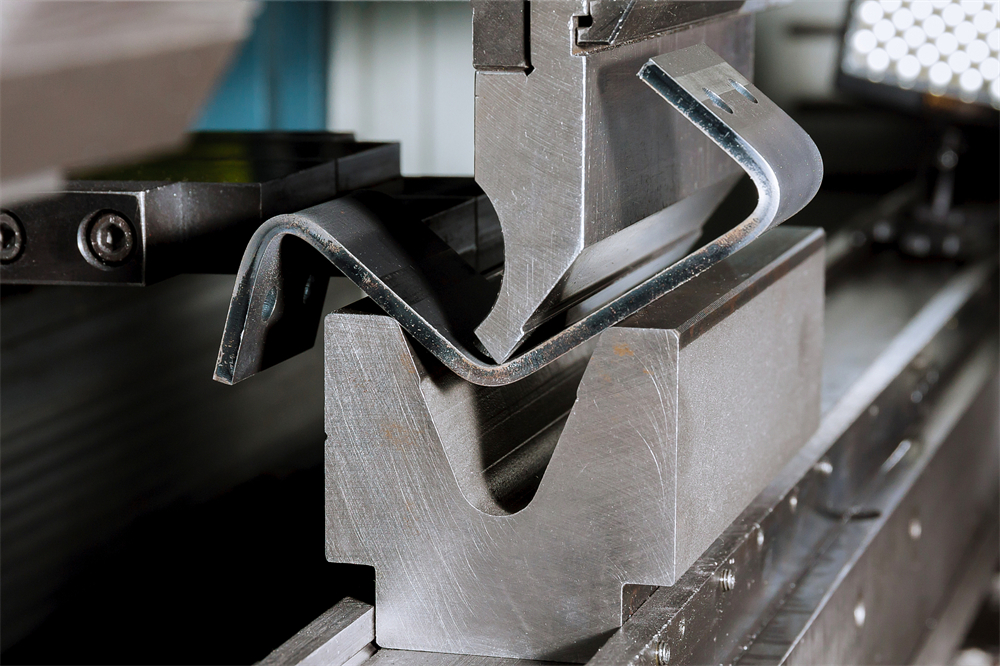
Finally, the aesthetic requirements of appliances cannot be ignored. Many appliance components are visible to the consumer, meaning that surface finish is paramount. Press brakes must be equipped with high-quality tooling that minimizes marking or scratching on the sheet metal surface. The use of specialized urethane films or polished die inserts is often necessary to ensure that the final product meets the high visual standards expected in the consumer market.
Technical Details of Modern Press Brakes
The technical architecture of a modern press brake is defined by its hydraulic system, crowning mechanism, and CNC controller. In the context of appliance manufacturing, the hydraulic system must provide consistent pressure across the entire length of the ram. This is achieved through synchronized cylinders that use high-resolution encoders to monitor the position of the ram at all times, ensuring that the bend is perfectly parallel to the bed.
Crowning systems are perhaps the most critical technical feature for long-part bending, such as refrigerator side panels. As the press brake applies force, the frame can experience slight deflection. An active crowning system—either hydraulic or mechanical—compensates for this deflection by adjusting the bed geometry in real-time. This ensures that the bend angle remains uniform from one end of the sheet to the other, which is essential for the structural alignment of appliance cabinets.
The CNC controller serves as the brain of the operation. Modern controllers allow for 3D simulation of the bending process, enabling engineers to detect potential collisions between the workpiece and the tooling before the machine even starts. This capability significantly reduces setup time and material waste, which is crucial when working with expensive pre-finished materials. HARSLE’s proprietary control systems offer intuitive interfaces that allow operators to program complex sequences with minimal training.
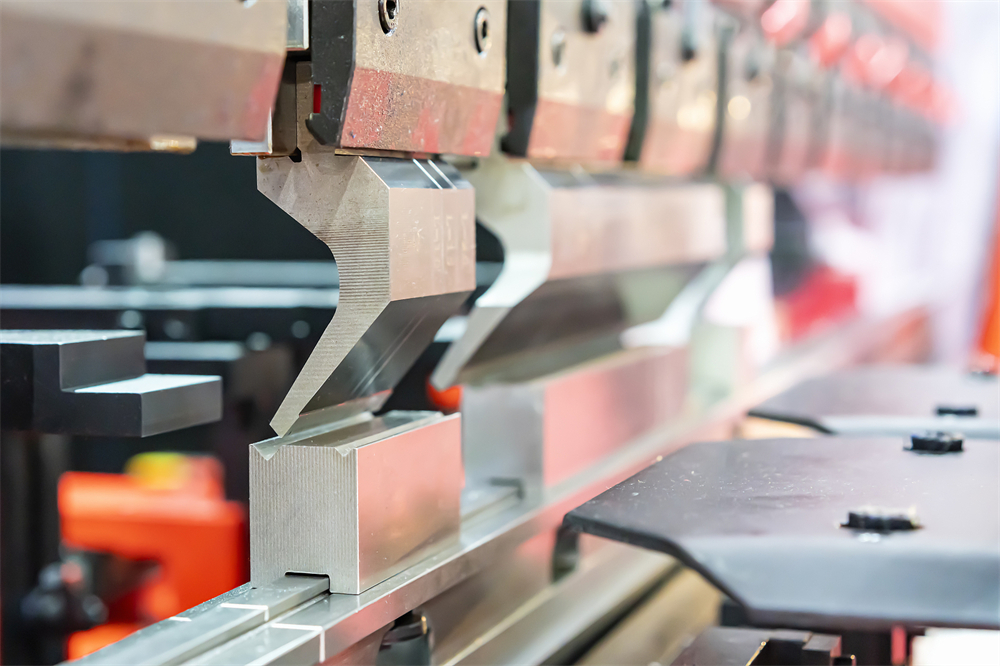
Tooling technology is the final piece of the technical puzzle. For appliance manufacturing, sectionalized tooling is often used to allow for the creation of complex box shapes. Quick-change clamping systems enable operators to swap out punches and dies in minutes rather than hours. This flexibility is vital for manufacturers who produce a variety of appliance models on the same production line, allowing for rapid changeovers and increased overall equipment effectiveness (OEE).
Selection Advice for Appliance Manufacturers
Choosing the right press brake for an appliance manufacturing facility requires a thorough assessment of current and future production needs. Start by analyzing the maximum length and thickness of the parts you intend to produce. While it might be tempting to purchase a machine with excess capacity, this often leads to higher energy consumption and unnecessary capital expenditure. Instead, focus on the “sweet spot” of your production range.
Consider the level of automation required. If your facility produces thousands of identical parts daily, a robotic bending cell is likely the most cost-effective solution. However, if your production is characterized by high-mix, low-volume batches, a manual press brake with advanced CNC features and quick-change tooling will provide better flexibility. HARSLE offers a range of solutions, from entry-level hydraulic machines to fully automated robotic cells, ensuring that there is a perfect fit for every scale of operation.
Evaluate the after-sales support and maintenance requirements. A press brake is a long-term investment, and downtime can be catastrophic for a production schedule. Look for manufacturers that offer comprehensive training, readily available spare parts, and remote diagnostic capabilities. HARSLE prides itself on its global support network, providing peace of mind to manufacturers who rely on our equipment to keep their lines running 24/7.
Finally, do not overlook the importance of energy efficiency. Modern press brakes, particularly those with servo-hydraulic drives, consume significantly less power than traditional hydraulic systems. By reducing the idle time of the pump motor, these machines not only lower electricity costs but also contribute to a more sustainable manufacturing process, which is increasingly important for companies looking to reduce their carbon footprint.
FAQ: Press Brake Applications in Appliance Manufacturing
What is the most important feature for a press brake in appliance manufacturing?
Precision and repeatability are the most important features. Because appliance components must fit together perfectly for assembly, the press brake must be able to produce identical bends across thousands of cycles, regardless of material variations.
How does a press brake handle different material thicknesses?
Modern CNC press brakes use advanced controllers that can automatically adjust the bending force and ram position based on the material thickness and tensile strength input by the operator. This ensures consistent bend angles even when switching between different gauges of steel.
Can press brakes be integrated into automated production lines?
Yes, modern press brakes are designed for seamless integration with robotic arms, conveyor systems, and automated loading/unloading stations. This is standard practice in high-volume appliance manufacturing to maximize throughput and safety.
What maintenance is required for a press brake?
Regular maintenance includes checking hydraulic fluid levels, inspecting seals and hoses, cleaning the backgauge system, and ensuring that the tooling is free of debris. Following a strict preventative maintenance schedule is essential for the longevity of the machine.
Why choose HARSLE for appliance manufacturing equipment?
HARSLE offers a combination of high-performance hardware, intuitive software, and exceptional global support. Our machines are specifically engineered to meet the rigorous demands of the appliance industry, providing the reliability and precision needed for competitive manufacturing.
Conclusion
The role of Sheet Metal Press Brake Applications In Appliance Manufacturing cannot be overstated. As the industry continues to push the boundaries of design and efficiency, the machinery used to form these components must evolve in tandem. By investing in high-quality, CNC-controlled press brakes, manufacturers can ensure that their products are not only aesthetically pleasing but also structurally sound and cost-effective to produce.
HARSLE remains committed to providing the metal fabrication industry with the tools necessary to succeed in a competitive global market. From our advanced hydraulic systems to our user-friendly CNC interfaces, every aspect of our machinery is designed with the end-user in mind. We invite you to explore our full range of press brakes and discover how we can help optimize your appliance manufacturing processes.
Whether you are looking to upgrade your existing facility or establish a new production line, the right choice of equipment is the first step toward excellence. With the right technology, the right support, and a commitment to quality, your manufacturing operations can achieve new levels of productivity and precision. Contact HARSLE today to learn more about our solutions for the appliance industry.