Sheet Metal Press Brake Cost Guide for Fabrication Shops and Manufacturers


Understanding Sheet Metal Press Brake Cost for Fabrication Shops and Manufacturers
For modern metal fabrication shops and manufacturers, the press brake is the heartbeat of the production floor. Investing in this machinery is a significant capital expenditure that requires a deep understanding of the market, technical specifications, and long-term operational costs. When researching the sheet metal press brake cost for fabrication shops and manufacturers, it is essential to look beyond the sticker price and evaluate the total cost of ownership, including energy consumption, tooling requirements, and maintenance schedules.
The market for press brakes is incredibly diverse, ranging from entry-level manual machines to highly sophisticated, fully automated robotic bending cells. Prices can fluctuate wildly based on tonnage, bending length, control systems, and the level of automation integrated into the machine. For a growing fabrication shop, balancing the need for high-precision output with budget constraints is the primary challenge. This guide aims to demystify these costs and provide a roadmap for making an informed investment.
HARSLE provides a wide range of solutions tailored to different production scales. Whether you are a small job shop handling custom prototypes or a large-scale manufacturer requiring high-volume production, understanding the cost structure is the first step toward optimizing your facility’s efficiency. By analyzing the variables that influence pricing, you can better align your capital expenditure with your projected revenue and production goals.
Ultimately, the goal of any equipment purchase is to enhance throughput while maintaining strict quality standards. A press brake that is too small for your needs will create a bottleneck, while an oversized, over-specced machine may result in unnecessary overhead. This guide will break down the financial landscape of press brake acquisition to ensure your investment pays dividends for years to come.
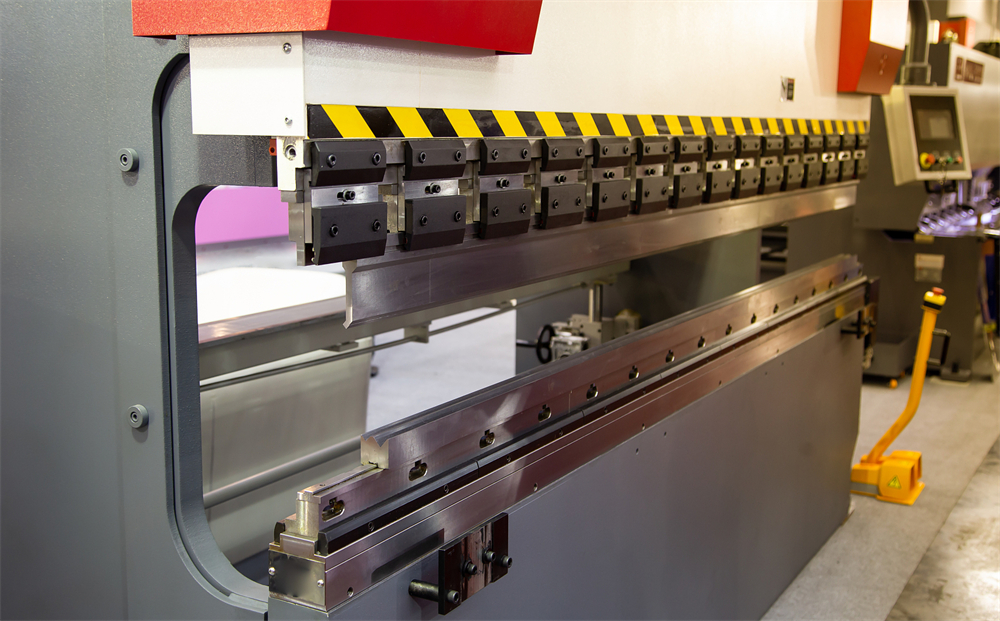
Price Range Overview: What to Expect
The price range for industrial press brakes is vast. Entry-level hydraulic press brakes, often used for light-gauge work or small-batch production, can start anywhere from $15,000 to $40,000. These machines typically feature basic CNC controllers and manual backgauges, making them suitable for shops that do not require complex multi-axis bending capabilities.
Mid-range machines, which represent the bulk of the market for professional fabrication shops, generally fall between $50,000 and $150,000. These units often feature advanced CNC controllers, multi-axis backgauges (4-axis to 6-axis), and improved hydraulic systems that offer faster approach and return speeds. This segment is ideal for shops that handle a variety of materials and thicknesses and require consistent repeatability.
High-end, fully automated, or large-tonnage press brakes can easily exceed $250,000 to $500,000. These machines are designed for high-speed, high-volume production environments. They often include features such as automatic tool changers, laser angle measurement systems, and integration with robotic loading and unloading arms. For manufacturers with high labor costs, these systems provide a rapid return on investment by minimizing downtime and human error.
It is important to note that these price ranges are estimates and can vary based on brand, origin of manufacturing, and the specific dealer support package included. When comparing quotes, always ensure you are comparing machines with similar specifications, as a lower price tag often reflects a lack of advanced features or lower-quality components that may lead to higher maintenance costs down the line.
Main Cost Drivers in Press Brake Acquisition
The primary driver of press brake cost is tonnage. Tonnage refers to the amount of force the machine can exert to bend metal. Higher tonnage machines require more robust frames, larger hydraulic cylinders, and more powerful motors, all of which drive up the manufacturing cost. Selecting the correct tonnage is a balancing act; you need enough force to bend your thickest material, but excessive tonnage increases the machine’s footprint and energy consumption.
Bending length is the second major cost factor. A machine capable of bending 10-foot sheets will naturally cost more than one limited to 4-foot sheets due to the increased material required for the bed and ram. If your shop primarily works with small parts, investing in a long-bed machine is an inefficient use of capital. Conversely, if you occasionally need to bend long parts, you might consider a tandem press brake setup, though this adds complexity and cost.
The CNC controller is the brain of the machine and a significant cost driver. Modern controllers allow for offline programming, 3D simulation, and automatic calculation of bend sequences. While a basic controller might suffice for simple 90-degree bends, complex geometries require advanced software. Investing in a high-quality controller reduces setup time and scrap rates, which are critical metrics for profitability in any fabrication shop.
Lastly, the backgauge system significantly impacts the price. A simple one-axis backgauge is inexpensive but requires manual adjustment for complex parts. A multi-axis backgauge (X, R, Z1, Z2) allows for automated positioning in multiple planes, drastically reducing the time required to produce complex parts. For shops focusing on high-mix, low-volume production, a sophisticated backgauge system is an essential investment that pays for itself through increased throughput.
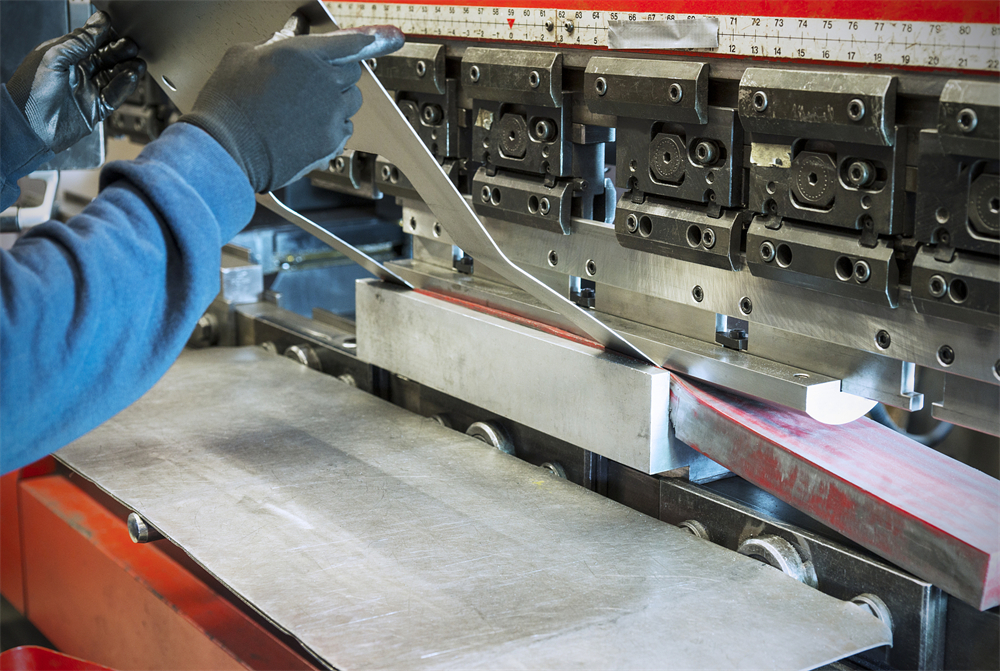
Configuration Impact on Total Investment
Customizing your press brake configuration can either save you money or significantly increase your initial outlay. One of the most common configuration choices is the type of hydraulic system. Conventional hydraulic systems are reliable and cost-effective, but servo-hydraulic systems offer superior energy efficiency and speed. While servo-hydraulic machines have a higher upfront cost, the savings in electricity and maintenance over a five-year period often justify the premium.
Tooling is another configuration aspect that is often overlooked during the budgeting phase. High-quality, precision-ground tooling is essential for achieving tight tolerances. Depending on the complexity of your parts, you may need a variety of punches and dies. Investing in a quick-change tool clamping system can also save hours of setup time per week, effectively increasing the machine’s capacity without requiring additional floor space.
Safety features are non-negotiable but also impact the final price. Modern press brakes come equipped with laser light curtains, safety interlocks, and specialized guarding. While these features add to the cost, they are vital for protecting operators and reducing liability. Furthermore, many regions have strict safety regulations, and purchasing a machine that meets these standards from the factory is far cheaper than retrofitting a machine later.
Finally, consider the integration of auxiliary equipment. If you plan to use the press brake in a cell with other machines, you may need specific communication protocols or material handling interfaces. Planning for these integrations during the initial purchase prevents costly modifications later. Always consult with your HARSLE representative to discuss your specific production workflow so that the machine configuration is optimized for your unique needs.
Hidden Costs: Beyond the Purchase Price
When calculating the sheet metal press brake cost for fabrication shops and manufacturers, many owners forget to account for installation and commissioning. These costs include site preparation, such as reinforced concrete flooring, electrical upgrades, and pneumatic lines. Depending on the size of the machine, you may also need to hire specialized rigging services to transport and position the press brake within your facility.
Training is another significant hidden cost. Even the most advanced press brake is only as effective as the operator running it. You must budget for comprehensive training sessions for your staff to ensure they can utilize the CNC controller, perform routine maintenance, and operate the machine safely. Neglecting training leads to lower productivity, increased scrap rates, and a higher risk of machine damage.
Maintenance and consumables represent ongoing operational costs. Hydraulic oil, filters, seals, and tooling wear are inevitable. It is wise to establish a preventive maintenance schedule from day one. Many manufacturers offer service contracts that include periodic inspections and software updates. While these contracts add to your annual budget, they prevent catastrophic failures that could halt production for days or weeks.
Finally, consider the cost of downtime. If your press brake breaks down, how much revenue do you lose per hour? This is why choosing a reputable manufacturer with a strong local support network is crucial. A slightly more expensive machine from a company with excellent spare parts availability and technical support is often cheaper in the long run than a bargain-bin machine that sits idle for weeks waiting for a replacement part from overseas.
ROI Calculation for Fabrication Equipment
Calculating the Return on Investment (ROI) for a press brake involves comparing the total cost of ownership against the projected increase in revenue or cost savings. Start by calculating the hourly operating cost of the machine, including electricity, labor, maintenance, and tooling depreciation. Then, estimate the number of parts the machine can produce per hour compared to your current method.
If the new press brake reduces setup time by 50% and increases bending speed by 30%, the resulting increase in throughput can be translated into additional revenue. For many shops, the ability to take on more complex, higher-margin jobs is the biggest driver of ROI. A modern CNC press brake allows you to bid on projects that were previously too difficult or time-consuming to produce profitably.
Another factor to consider is the reduction in scrap rates. Older machines often suffer from repeatability issues, leading to wasted material and time. A new, high-precision press brake ensures that the first part is good, significantly reducing material waste. Over the course of a year, the savings from reduced scrap can be substantial, especially when working with expensive materials like stainless steel or aluminum.
Finally, consider the labor savings. Modern press brakes with advanced features like automatic crowning and angle measurement require less operator intervention. This allows your skilled operators to focus on more complex tasks or manage multiple machines simultaneously. By improving labor efficiency, you can increase your shop’s capacity without necessarily increasing your headcount, which is a major advantage in a competitive labor market.
Buying Advice: Choosing the Right Machine
Before purchasing, conduct a thorough audit of your current and future production needs. Analyze your past projects to determine the most common material thicknesses, bend lengths, and part geometries. Do not buy a machine based on the one-off, massive project you might get next year; instead, optimize for the 80% of work that keeps your shop running daily.
Request demonstrations and test bends. Never buy a press brake without seeing it in action, preferably with your own material. This allows you to evaluate the machine’s ease of use, the quality of the bend, and the speed of the controller. Pay close attention to how the machine handles springback and how easy it is to program a new part from scratch.
Evaluate the manufacturer’s support infrastructure. Ask about the availability of spare parts, the response time for technical support, and the availability of local service technicians. A press brake is a long-term asset, and you need a partner who will support you throughout the machine’s lifecycle. Check references from other fabrication shops that have purchased the same model.
Lastly, consider the resale value. High-quality, well-maintained press brakes from reputable brands hold their value much better than generic, low-cost alternatives. If you decide to upgrade in the future, a machine with a strong brand name will be much easier to sell or trade in. Investing in quality is not just about performance; it is about protecting your capital investment for the long term.
Frequently Asked Questions (FAQ)
- What is the average lifespan of a hydraulic press brake? With proper maintenance, a high-quality hydraulic press brake can last 15 to 20 years or more.
- How often should I perform preventive maintenance? It is recommended to perform basic maintenance weekly and a comprehensive professional inspection at least once or twice a year.
- Is it better to buy a new or used press brake? New machines offer the latest technology, warranties, and reliability. Used machines can be cost-effective but carry risks regarding wear and lack of support.
- How do I determine the required tonnage for my shop? Tonnage depends on material thickness, tensile strength, and the length of the bend. Use a standard tonnage chart or consult with your HARSLE representative.
- Can I use different brands of tooling on my press brake? Yes, most press brakes use standard tooling styles (such as European or American style), but always verify compatibility before purchasing.
- What is the most important feature for a high-mix shop? For high-mix shops, a user-friendly CNC controller and a quick-change tool clamping system are the most important features for reducing setup time.