Shearing Machine Cycle Is Slow: Common Hydraulic and Maintenance Causes


Introduction
In the high-precision world of metal fabrication, efficiency is measured in seconds. When a shearing machine cycle is slow, it directly impacts your production throughput, increases labor costs, and creates bottlenecks in the manufacturing workflow. For operators and maintenance managers, identifying why a shearing machine cycle is slow—common hydraulic and maintenance causes—is the first step toward restoring operational speed and precision.
HARSLE understands that industrial machinery is the backbone of your business. A sluggish shearing cycle is rarely a single-point failure; it is often a symptom of a deeper issue within the hydraulic circuit, the electrical control system, or mechanical wear. This guide explores the technical nuances of hydraulic shearing machines, providing a comprehensive roadmap for troubleshooting and maintenance.
Whether you are operating a swing beam shear or a guillotine shearing machine, the principles of hydraulic fluid dynamics and mechanical alignment remain consistent. By understanding these systems, you can move from reactive repairs to proactive maintenance, ensuring your equipment remains a competitive asset in your facility.
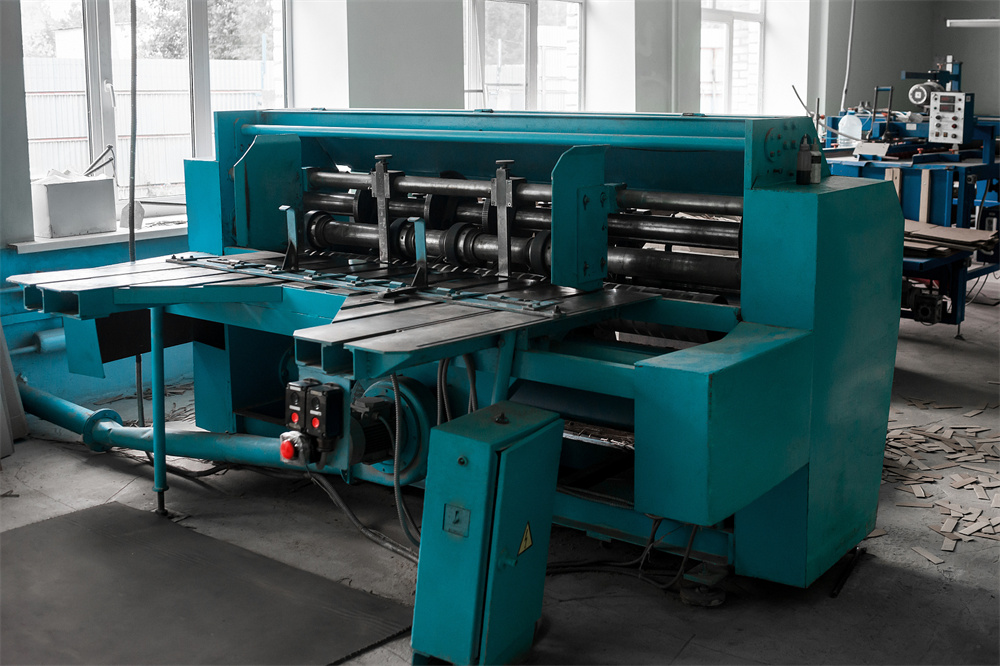
Key Considerations for Shearing Machine Performance
Before diving into complex hydraulic diagnostics, it is essential to establish a baseline for what constitutes a “slow” cycle. Every shearing machine has a rated strokes-per-minute (SPM) capacity defined by the manufacturer. If your machine is operating significantly below this threshold, you must first verify if the load being cut is within the machine’s rated capacity.
Environmental factors play a significant role in cycle speed. Hydraulic oil viscosity is highly temperature-dependent. In colder climates, if the machine is started without a proper warm-up period, the oil remains thick, leading to sluggish valve response and slower cylinder movement. Always ensure your hydraulic system has reached its optimal operating temperature before beginning high-volume production.
Operator settings also contribute to cycle timing. Many modern shearing machines feature adjustable stroke lengths. If the stroke length is set to the maximum for a narrow piece of metal, the machine is wasting time traveling through empty space. Adjusting the backgauge and the stroke limit to match the specific dimensions of the workpiece is a fundamental step in optimizing cycle times.
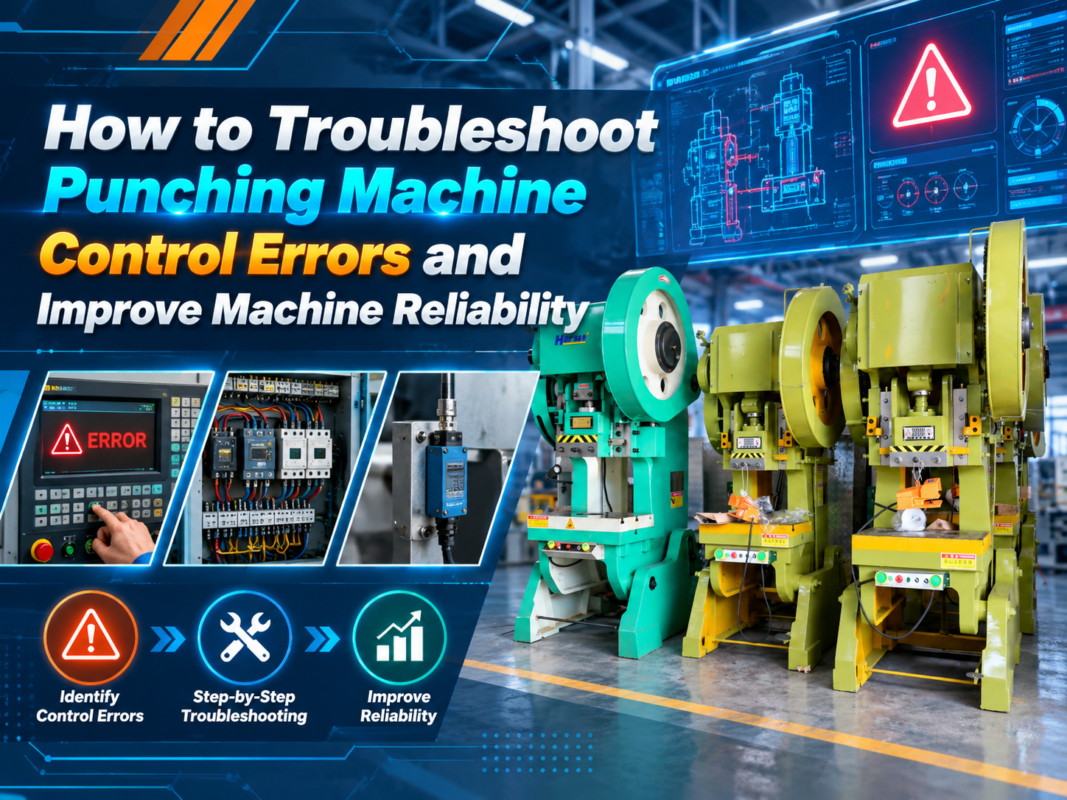
Finally, consider the electrical interface. Modern shearing machines rely on PLC (Programmable Logic Controller) systems to manage the sequence of operations. If the communication between the foot pedal, the sensors, and the hydraulic manifold is delayed, the cycle will feel sluggish. Checking for signal latency in the control panel is a vital part of the diagnostic process.
Technical Details: Hydraulic and Maintenance Causes
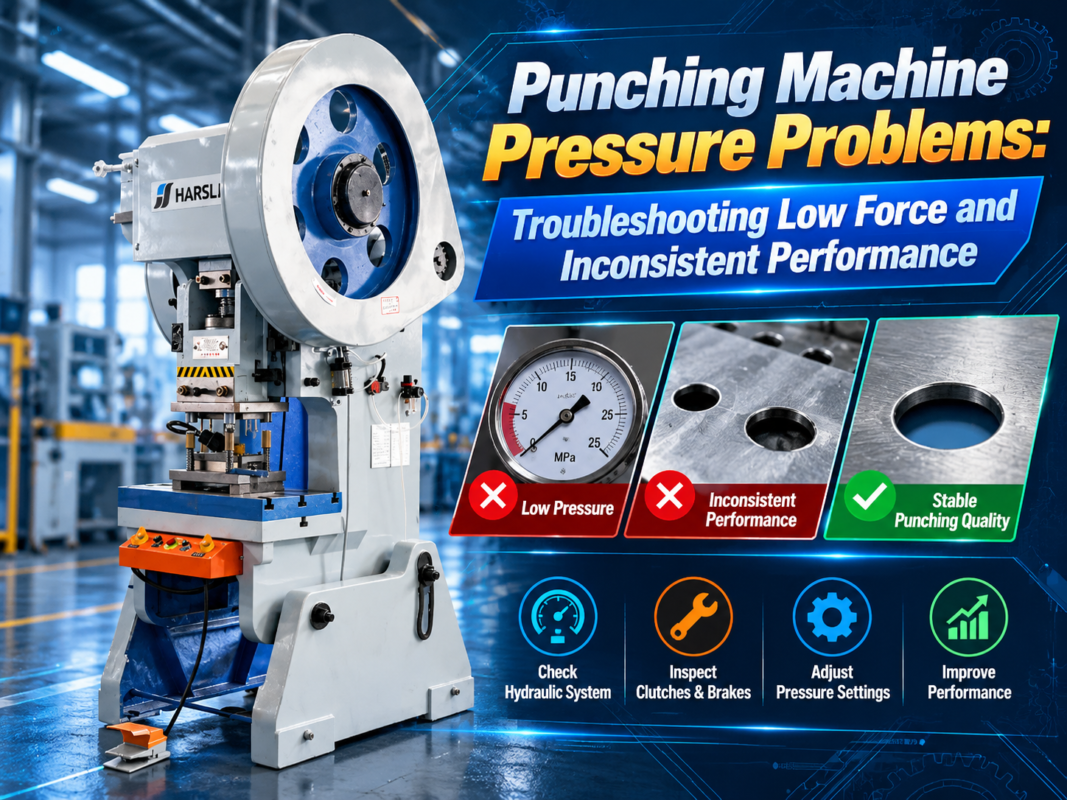
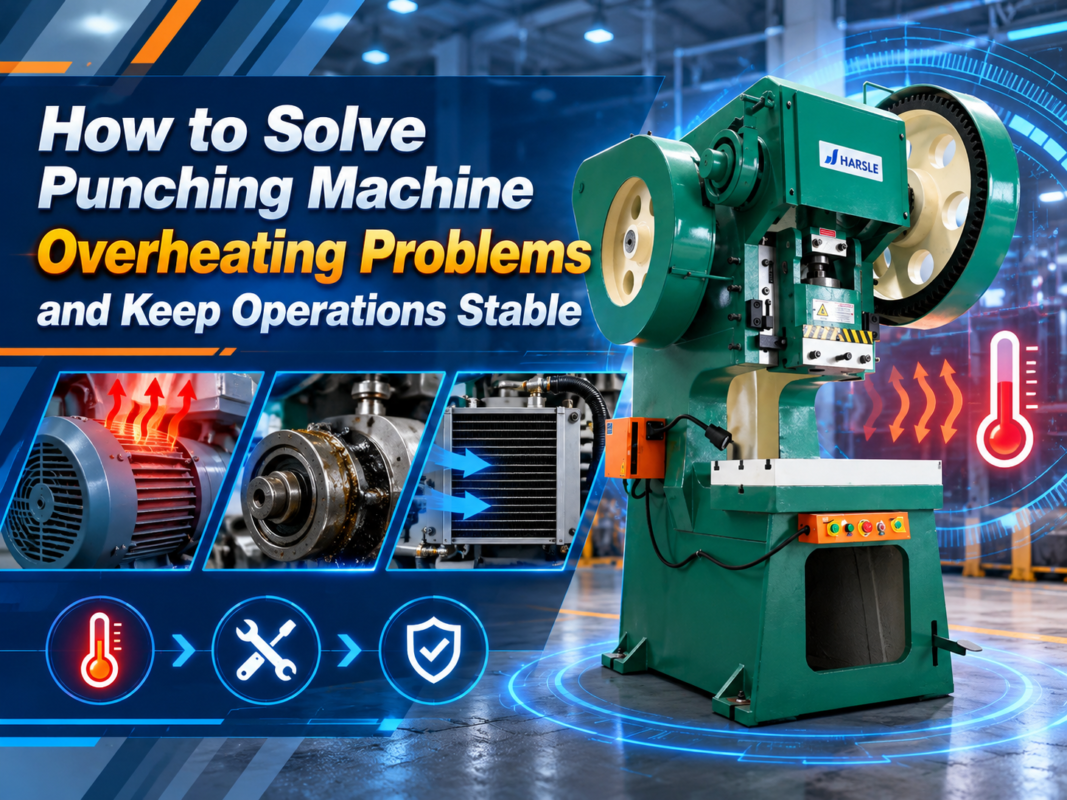
The hydraulic system is the heart of the shearing machine. When the cycle is slow, the most common culprit is a drop in hydraulic pressure or flow rate. This can be caused by a failing hydraulic pump. Over time, internal wear in the pump reduces its volumetric efficiency, meaning it cannot move the required volume of oil to the cylinders at the necessary speed.
Another critical area is the hydraulic valve manifold. Solenoid valves control the direction and speed of the shearing blade. If these valves become clogged with debris or if the internal seals are worn, they may fail to shift fully or quickly. This results in a “lazy” response from the blade. Regular cleaning and inspection of the solenoid coils and valve spools are essential maintenance tasks.
Hydraulic fluid contamination is perhaps the most frequent cause of system degradation. Particles in the oil can score cylinder walls, damage pump internals, and clog filters. If your oil appears cloudy or has a burnt odor, it is time for a complete flush and filter replacement. Using the wrong grade of hydraulic oil can also lead to cavitation, which introduces air bubbles into the system, causing spongy and slow movement.
Mechanical friction is the silent killer of cycle speed. The shearing machine relies on guide rails and gibs to keep the blade beam moving smoothly. If these surfaces are not properly lubricated, the increased friction forces the hydraulic system to work harder, slowing down the cycle. Ensure that the lubrication system is functioning correctly and that the gibs are adjusted to the manufacturer’s specifications to minimize drag.
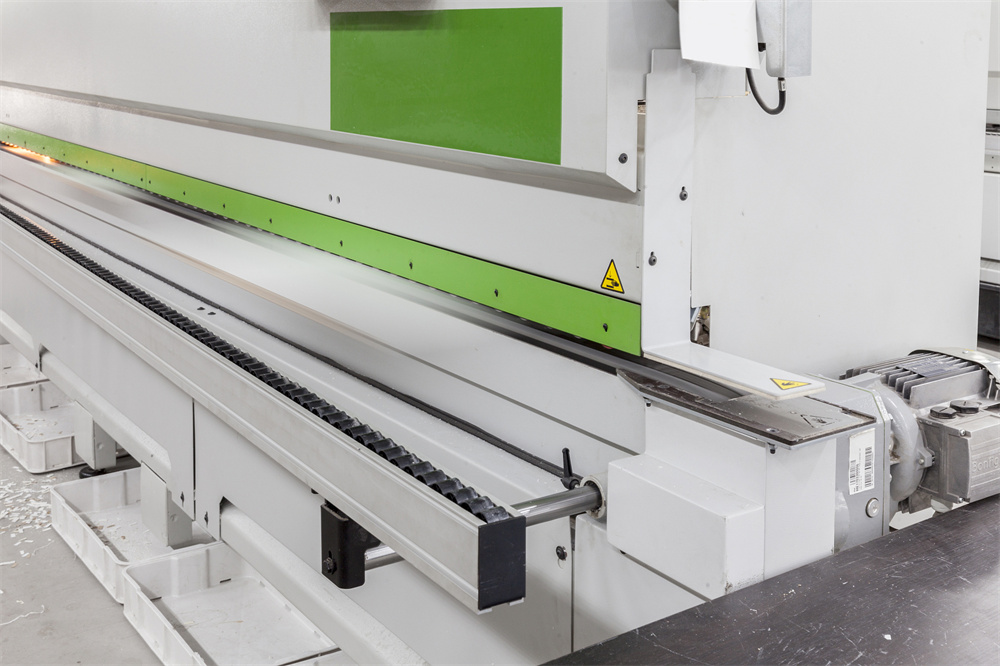
Deep Dive: Advanced Troubleshooting for Hydraulic Systems
When standard maintenance fails to resolve a slow cycle, technicians must look deeper into the hydraulic circuit. One often overlooked component is the accumulator. In many shearing machines, accumulators are used to store hydraulic energy to assist the pump during the high-demand cutting stroke. If the nitrogen pre-charge in the accumulator is low, the machine loses this “boost,” resulting in a noticeably slower cutting speed, especially when shearing thicker materials.
Furthermore, check for internal leakage. A worn piston seal inside the main hydraulic cylinder allows high-pressure oil to bypass the piston, leaking back into the return line. This reduces the effective force and speed of the blade. To test for this, perform a “drift test” or monitor the pressure gauge during a cycle; if the pressure fails to reach the set point or drops rapidly, internal bypass is likely occurring.
Electrical-to-hydraulic interface issues are also common. Check the solenoid valve voltage. If the power supply to the valves is inconsistent or if the wiring has high resistance due to oxidation, the valves may not open fully, restricting oil flow. Using a multimeter to verify that the solenoid coils are receiving the correct voltage during the cycle is a quick way to rule out electrical bottlenecks.
Selection Advice: Choosing the Right Shearing Machine
When investing in new metal fabrication equipment, selecting a machine that matches your production volume is the best way to avoid cycle time issues. HARSLE offers a variety of shearing machines, from entry-level models to high-speed CNC-controlled units. Choosing a machine with an oversized hydraulic system relative to your needs can provide a buffer, but it is more important to choose a machine with the right automation features.
Look for machines that offer variable rake angle adjustment. A variable rake angle allows you to optimize the cutting force and speed based on the thickness and material type of the metal. By adjusting the rake angle, you can achieve a faster cycle time for thinner materials while maintaining the power needed for thicker plates.
Consider the integration of modern CNC controllers. A high-quality controller can optimize the movement of the backgauge and the blade beam simultaneously. This reduces the “dead time” between cuts, significantly increasing your overall output. When evaluating potential purchases, ask the manufacturer about the cycle time under full-load conditions.
Finally, prioritize machines with accessible maintenance points. If the hydraulic manifold, filters, and lubrication points are difficult to reach, your maintenance team is less likely to perform routine checks. A well-designed machine facilitates easy access, ensuring that the “shearing machine cycle is slow: common hydraulic maintenance causes” issue is addressed before it becomes a major failure.
Preventative Maintenance Checklist
To keep your shearing machine running at peak performance, implement a structured maintenance schedule:
- Daily: Check hydraulic oil levels and inspect for external leaks. Ensure the blade area is free of scrap metal.
- Weekly: Clean the air intake filters on the hydraulic power unit. Check the lubrication of the gibs and guide rails.
- Monthly: Inspect hydraulic hoses for signs of cracking or bulging. Test the emergency stop and safety light curtains.
- Quarterly: Analyze hydraulic oil for contamination. Replace return line filters. Check the nitrogen pressure in the accumulators.
- Annually: Perform a full system flush, replace hydraulic oil, and recalibrate the CNC controller and backgauge positioning.
FAQ: Troubleshooting Shearing Machine Speed
Why does my shearing machine slow down after an hour of use?
This is often due to hydraulic oil overheating. As the oil temperature rises, its viscosity drops, which can lead to internal leakage in the pump or valves. Ensure your hydraulic cooling system is functioning correctly and that the oil reservoir is not undersized for your production volume.
How often should I change the hydraulic oil?
Generally, hydraulic oil should be changed every 2,000 to 4,000 operating hours, or once a year, depending on the intensity of use and the environment. Always follow the specific maintenance schedule provided in your HARSLE machine manual.
Can a dull blade cause a slow cycle?
Yes. A dull blade requires significantly more force to penetrate the metal. This increased load forces the hydraulic system to operate at higher pressures, which can slow down the stroke speed and put unnecessary strain on the pump and seals.
What should I check first if the blade is moving slowly?
Start by checking the hydraulic oil level and the condition of the filters. Then, verify that the lubrication system for the blade guides is active. If these are normal, check the hydraulic pressure gauge during a cycle to see if it drops significantly below the rated operating pressure.
Conclusion
Addressing a slow shearing machine cycle is a matter of systematic troubleshooting. By focusing on the hydraulic system—specifically pump efficiency, valve health, and oil quality—and ensuring that mechanical friction is minimized through proper lubrication, you can restore your equipment to its original performance levels. Remember that the shearing machine cycle is slow: common hydraulic maintenance causes are often preventable with a rigorous, scheduled maintenance program.
At HARSLE, we are committed to providing not just high-quality metal fabrication equipment, but also the knowledge to keep your operations running smoothly. By staying proactive with your maintenance, you protect your investment, improve safety, and ensure that your production line remains as efficient as possible. If you encounter persistent issues, do not hesitate to reach out to our technical support team for expert guidance tailored to your specific machine model.