How to Troubleshoot Shearing Machine Safety Guard and Interlock Faults: A Comprehensive HARSLE Guide


Introduction to Shearing Machine Safety Systems
In the high-stakes environment of metal fabrication, the shearing machine stands as a cornerstone of production efficiency. However, the power required to slice through thick steel plates necessitates rigorous safety standards. At HARSLE, we prioritize operator protection above all else, which is why understanding how to troubleshoot shearing machine safety guard and interlock faults is a critical skill for any maintenance technician or machine operator. These safety systems are not merely suggestions; they are engineered barriers designed to prevent catastrophic accidents.
Safety guards and interlock systems act as the primary defense mechanism on a shearing machine. When these systems fail, the machine’s control unit is programmed to enter a ‘safe state,’ effectively disabling the cutting cycle. While this is a vital feature, it can lead to unexpected downtime. Recognizing the difference between a genuine safety hazard and a minor sensor misalignment is the first step in maintaining a productive and safe workshop environment.
This guide provides a deep dive into the technical aspects of safety interlocks, common failure points, and the systematic approach required to restore machine functionality. By following these professional protocols, you ensure that your HARSLE equipment remains compliant with international safety standards while minimizing the impact of technical faults on your production schedule.
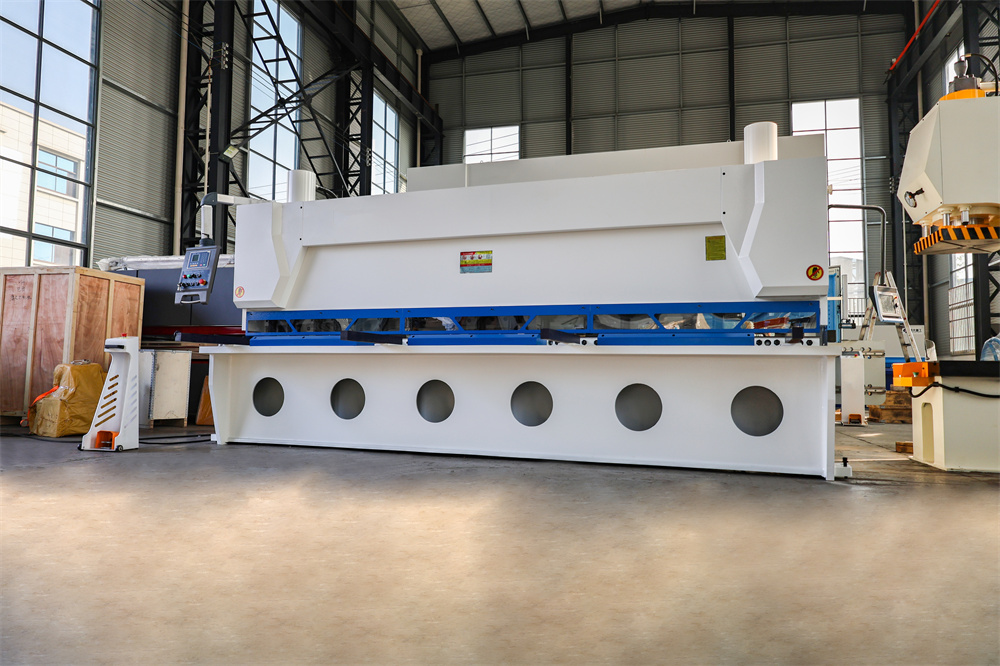
Key Considerations for Safety System Integrity
Before attempting to troubleshoot any electrical or mechanical fault, safety must remain the absolute priority. Never bypass an interlock system to keep a machine running; this is a violation of industrial safety regulations and puts personnel at severe risk. When you encounter a fault, the machine should be locked out and tagged out (LOTO) according to your facility’s safety procedures before any panels are opened or sensors are inspected.
Environmental factors play a significant role in the longevity of safety components. Metal fabrication shops are inherently dusty and filled with metallic debris. Fine metal dust can infiltrate sensor housings, while vibrations from heavy-duty cutting can loosen mounting brackets. These environmental stressors are the leading causes of intermittent interlock faults. A clean, well-maintained machine is far less likely to trigger false safety alarms.
Furthermore, understanding the logic of your machine’s PLC (Programmable Logic Controller) is essential. Modern HARSLE shearing machines utilize sophisticated control panels that provide diagnostic codes. When a safety fault occurs, the screen will often display a specific error code. Referencing the machine’s technical manual is the most efficient way to identify which specific guard or gate is triggering the fault, rather than guessing which component has failed.
Finally, consider the human element. Often, what appears to be a machine fault is actually a result of improper guard positioning. If a sliding guard is not fully closed or if a light curtain is partially obstructed by a workpiece, the interlock will prevent the machine from cycling. Always verify that all physical guards are seated correctly and that the work area is clear of obstructions before diving into complex electrical diagnostics.
Technical Details: Diagnosing Interlock Faults
To effectively troubleshoot shearing machine safety guard and interlock faults, you must understand the two main types of interlocks: mechanical and electrical. Mechanical interlocks usually involve a physical key or a tongue-actuated switch that must be engaged for the circuit to close. If the guard is slightly misaligned, the tongue may not enter the switch housing correctly, causing an open circuit. Check for signs of wear on the actuator or debris inside the switch slot.
Electrical interlocks, such as light curtains or laser scanners, rely on a continuous beam of infrared light. If this beam is broken, the machine stops. Troubleshooting these requires checking the alignment of the transmitter and receiver units. Over time, the mounting brackets can shift due to machine vibration. Use a spirit level or the manufacturer’s alignment tool to ensure the units are perfectly parallel. Additionally, clean the lenses with a non-abrasive cloth, as dust accumulation is a common cause of ‘nuisance tripping.’
The wiring and control circuit represent the next layer of investigation. Use a multimeter to check for continuity across the safety switches. If a switch is closed but the PLC does not receive a signal, the issue may lie in a damaged cable or a loose terminal connection. Inspect the cable runs for signs of pinching, abrasion, or exposure to cutting oils, which can degrade insulation over time. Replace any damaged cabling immediately to prevent short circuits.
Relay failure is another technical possibility. Safety circuits often use redundant safety relays that monitor each other. If one relay sticks in the ‘on’ or ‘off’ position, the system will detect a mismatch and trigger a fault. If you have verified that all sensors are functioning correctly and the wiring is sound, the safety relay module itself may need to be replaced. Always use OEM-specified components to ensure the safety integrity level (SIL) of the machine is maintained.

Selection Advice for Replacement Safety Components
When the time comes to replace a safety component, never compromise on quality. The market is flooded with generic industrial sensors, but for a shearing machine, you must select components that are rated for high-vibration and high-dust environments. Look for IP67 or higher ingress protection ratings to ensure the sensors can withstand the harsh reality of a metal fabrication shop.
Consider the compatibility with your existing HARSLE control system. While many safety switches are standardized, the voltage requirements and the type of output (PNP vs. NPN) must match your PLC’s input modules. Using an incompatible sensor can lead to permanent damage to the control board. Always consult the machine’s electrical schematic before purchasing replacement parts to ensure the specifications align perfectly.
Ergonomics and ease of adjustment should also be factors in your selection. Modern safety guards often feature adjustable mounting brackets that allow for fine-tuning without the need for complex shimming. Investing in high-quality, adjustable hardware can save hours of maintenance time in the future. Furthermore, consider sensors with integrated LED status indicators; these provide immediate visual feedback, allowing operators to see at a glance if a sensor is powered and detecting correctly.
Finally, maintain a small inventory of critical safety spares. A failed interlock switch can halt production for days if you have to wait for shipping. Keeping a spare set of limit switches, light curtain emitters, and safety relays on-site is a hallmark of a professional maintenance department. This proactive approach ensures that when a fault occurs, you can resolve it quickly and return to production with minimal downtime.
Frequently Asked Questions (FAQ)
Why does my shearing machine show a safety fault even when the guard is closed?
This is usually caused by a misalignment of the safety switch actuator or an accumulation of metal dust inside the switch mechanism. Check the alignment and clean the sensor area thoroughly.
Can I bypass the safety interlock to finish a rush job?
Absolutely not. Bypassing safety interlocks is illegal in most jurisdictions and poses a lethal risk to operators. Always repair the fault using proper procedures.
How often should I test the safety interlocks?
We recommend a daily functional test before the start of each shift. Ensure that opening a guard or breaking a light curtain beam immediately stops the machine cycle.
What should I do if the error code on the screen is not in the manual?
Contact the HARSLE technical support team directly. Provide the machine serial number and the exact error code displayed so our engineers can assist you with specific troubleshooting steps.
Are light curtains better than physical guards?
Both have their place. Physical guards provide a rigid barrier, while light curtains allow for faster material loading. The best choice depends on your specific shearing application and the size of the workpieces being processed.
Conclusion: Maintaining Safety and Efficiency
Mastering the ability to troubleshoot shearing machine safety guard and interlock faults is essential for any facility operating HARSLE metal fabrication equipment. By understanding the interplay between mechanical guards, electrical sensors, and the machine’s PLC, you can effectively manage downtime and ensure a safe working environment. Remember that safety systems are designed to protect your most valuable asset—your employees—and they should be treated with the highest level of technical respect.
Regular maintenance, combined with a proactive approach to component replacement, will keep your shearing machines running at peak performance. Do not wait for a fault to occur before familiarizing yourself with the safety architecture of your equipment. Review your manuals, train your staff on proper sensor alignment, and keep your machines clean and free of debris. By following these guidelines, you ensure that your HARSLE shearing machine remains a reliable and safe workhorse for years to come.
If you encounter persistent issues that cannot be resolved through standard troubleshooting, do not hesitate to reach out to HARSLE support. Our team is dedicated to helping you maintain the highest standards of safety and productivity in your metal fabrication operations. Stay safe, stay compliant, and keep your production lines moving efficiently.