Why Is My Press Brake Hydraulic Oil Overheating? Troubleshooting Guide


Introduction
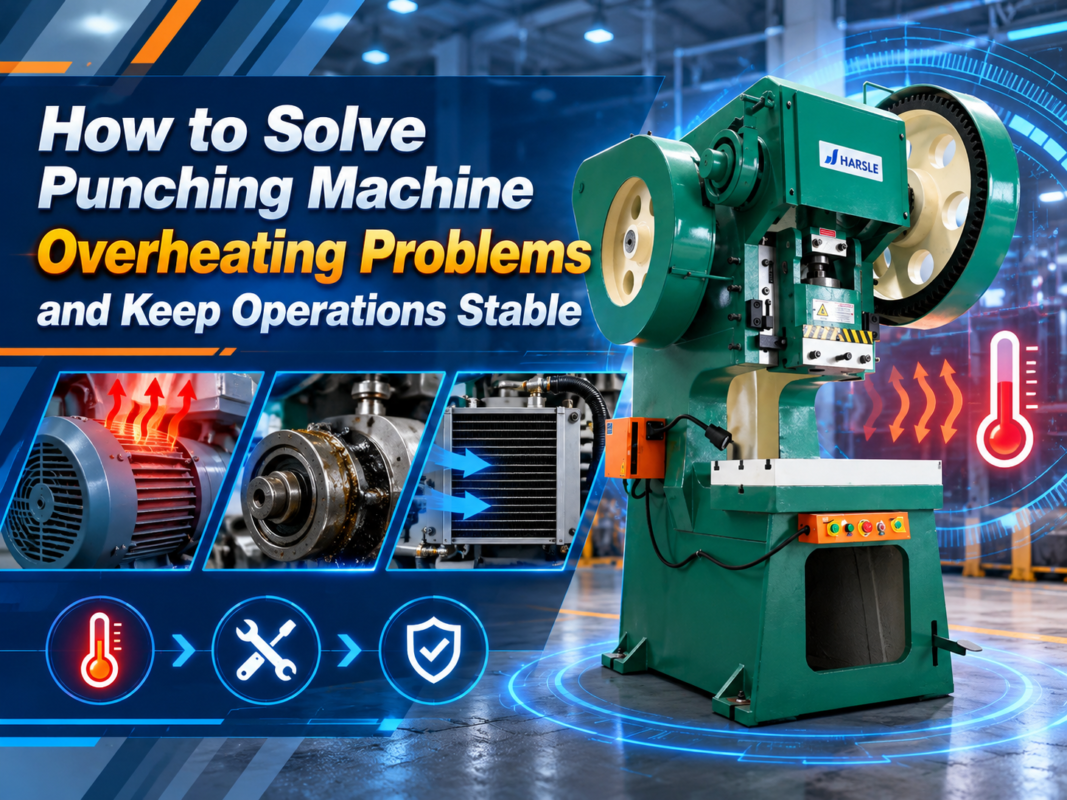
In the high-precision world of metal fabrication, the hydraulic system is the lifeblood of your press brake. When operators ask, “Is my press brake hydraulic oil overheating? Troubleshooting guide needed,” they are often facing a critical bottleneck that threatens production schedules and machine longevity. Hydraulic oil serves not only as a power transmission medium but also as a lubricant and a coolant. When temperatures exceed the optimal operating range—typically between 40°C and 60°C—the oil begins to degrade, seals harden, and the efficiency of your HARSLE press brake drops significantly.
Overheating is rarely a singular event; it is usually a symptom of an underlying mechanical or operational issue. Ignoring these temperature spikes can lead to catastrophic pump failure, valve sticking, and internal leakage that is costly to repair. This comprehensive guide is designed to help shop managers and maintenance technicians identify the root causes of thermal instability in hydraulic systems and implement effective, long-term solutions to keep your fabrication line running smoothly.
Understanding the thermodynamics of your press brake is essential for any serious metal fabrication facility. As the system works to bend thick steel plates, the energy not converted into mechanical work is dissipated as heat. If the cooling capacity of your machine cannot keep pace with this heat generation, the system enters a state of thermal runaway. By following this troubleshooting guide, you will be able to diagnose whether the issue stems from fluid contamination, component wear, or environmental factors.
At HARSLE, we prioritize machine reliability. We have compiled this technical resource to ensure that your investment in high-quality metal fabrication equipment remains productive for years. Whether you are operating a standard CNC press brake or a high-tonnage tandem system, the principles of hydraulic thermal management remain consistent. Let us dive into the technical details of why your system might be running hot and how to fix it.
Key Considerations for Hydraulic Thermal Management
The first step in answering “Is my press brake hydraulic oil overheating? Troubleshooting” is to establish a baseline for normal operation. Hydraulic systems are designed to operate within a specific viscosity range. When oil gets too hot, its viscosity drops, leading to internal leakage within pumps and valves. This leakage generates even more heat, creating a vicious cycle that can destroy a hydraulic pump in a matter of hours if left unaddressed.
Environmental factors play a massive role in thermal management. If your press brake is located in a facility with poor ventilation or near other heat-generating equipment like laser cutters or welding stations, the ambient temperature will naturally limit the effectiveness of your oil cooler. Always ensure that the air intake for the oil cooler is unobstructed and that the surrounding area is kept clean of dust and debris that could clog the heat exchanger fins.
Operational duty cycles are another critical consideration. If your press brake is running at maximum tonnage for extended periods without pause, the hydraulic system is under constant strain. High-pressure relief valve settings that are improperly adjusted can cause oil to bypass the system continuously, generating significant heat even when the machine is not actively bending. Reviewing your machine’s duty cycle and pressure settings is a fundamental part of the troubleshooting process.
Finally, consider the quality and age of the hydraulic fluid itself. Over time, hydraulic oil undergoes oxidation, which changes its chemical properties and reduces its ability to dissipate heat. If the oil has not been changed according to the manufacturer’s recommended intervals, it may have become too thin or contaminated with particulates that increase friction within the system. Regular oil analysis is the best way to determine if the fluid is the culprit behind your overheating issues.
Technical Details: Diagnosing the Root Cause
When investigating why your press brake hydraulic oil is overheating, you must look at the system as a series of interconnected components. The most common technical cause is a malfunctioning relief valve. If the relief valve is set too low or is stuck in a partially open position, the pump will constantly force oil through the valve, converting hydraulic pressure directly into heat. Check the pressure settings against the HARSLE manual to ensure they match the requirements for your specific bending applications.
Internal leakage is another silent killer of hydraulic efficiency. As cylinders and pumps wear down over years of service, the clearance between moving parts increases. This allows high-pressure oil to leak back to the reservoir without doing any work. This internal bypass creates significant heat. You can test for this by monitoring the temperature of the pump case; if it is significantly hotter than the reservoir, you likely have excessive internal leakage that requires a pump rebuild or replacement.
The heat exchanger (oil cooler) is the primary defense against overheating. If your press brake is equipped with an air-to-oil cooler, check the fan motor and the condition of the radiator fins. A layer of dust or metal shavings can act as an insulator, preventing the cooler from shedding heat effectively. If you have a water-to-oil cooler, check the water flow rate and the temperature of the cooling water. Mineral buildup inside the heat exchanger can also drastically reduce its thermal transfer efficiency.
Contamination is a frequent but often overlooked factor. When hydraulic oil is contaminated with water, air, or metallic particles, the fluid’s thermal conductivity changes, and the system experiences increased friction. Air in the system, in particular, can cause cavitation—the formation and collapse of vapor bubbles—which generates localized “hot spots” that can reach temperatures high enough to burn the oil. Ensure that your hydraulic reservoir is properly sealed and that the breather filter is clean to prevent moisture and debris from entering.
Selection Advice: Choosing the Right Cooling Solutions
If you have ruled out mechanical failures and your machine is still running hot, it may be time to upgrade your cooling infrastructure. For shops in warmer climates or those running high-production cycles, an oversized oil cooler is a wise investment. When selecting a replacement or an upgrade, consider the heat load of your specific press brake applications. A cooler that is sized for a 100-ton machine may be insufficient if you have upgraded your workload to consistently handle thicker, high-tensile materials.
Consider the type of cooling medium available in your facility. Air-cooled systems are easier to install and maintain, but they are dependent on the ambient air temperature of the shop. If your facility is not climate-controlled, an air-cooled system may struggle during the summer months. In such cases, a water-cooled heat exchanger connected to a dedicated chiller unit is the gold standard. While more expensive to install, a chiller provides precise temperature control regardless of the shop environment.
When choosing hydraulic oil, always follow the viscosity grade recommended by HARSLE. Using an oil that is too thin for your pump type will lead to increased internal leakage and heat. Conversely, oil that is too thick will increase the load on the pump, also causing heat. High-quality anti-wear (AW) hydraulic oils with good thermal stability additives are essential for modern CNC press brakes. Do not compromise on oil quality; the cost of a few extra dollars per gallon is negligible compared to the cost of a hydraulic system overhaul.
Finally, consider the integration of temperature monitoring sensors. Modern HARSLE press brakes often come equipped with digital temperature readouts. If your machine lacks this, installing a secondary temperature gauge or a thermal switch that triggers an alarm when the oil exceeds 65°C can prevent damage before it occurs. Proactive monitoring allows you to shut down the machine for a cooling period before the oil reaches the point of thermal degradation.
FAQ: Common Questions About Press Brake Overheating
How often should I change my hydraulic oil?
Generally, hydraulic oil should be changed every 2,000 to 4,000 operating hours, or once a year, whichever comes first. However, if you operate in a high-dust environment or perform heavy-duty bending, you should perform oil analysis every six months to check for oxidation and contamination.
Can low oil levels cause overheating?
Yes. When the oil level in the reservoir is low, the remaining oil circulates through the system more frequently, giving it less time to cool down in the tank. Furthermore, low oil levels can lead to aeration, which causes the pump to work harder and generate more heat.
What is the ideal operating temperature for a press brake?
The ideal operating temperature is between 40°C and 55°C. Temperatures above 65°C begin to accelerate the degradation of the oil and the hardening of seals, while temperatures below 30°C may cause the oil to be too viscous for efficient operation during startup.
Is it normal for the hydraulic tank to feel hot to the touch?
The tank will feel warm, but it should not be painful to touch. If the tank is too hot to touch, the oil temperature is likely well above 60°C, and you should investigate the cooling system immediately.
Conclusion
Addressing the question, “Is my press brake hydraulic oil overheating? Troubleshooting guide,” requires a systematic approach that balances mechanical inspection with operational awareness. By maintaining clean filters, ensuring proper ventilation for your oil cooler, and monitoring your hydraulic fluid quality, you can prevent the majority of thermal-related failures. Remember that your press brake is a precision instrument; treating the hydraulic system with the same care as the bending tools will ensure consistent, high-quality output for your metal fabrication projects.
If you have performed the checks outlined in this guide and are still experiencing persistent overheating, it is time to consult with a professional technician or contact the HARSLE support team. Sometimes, the issue may be a subtle internal valve failure or a pump that is nearing the end of its service life. Do not wait for a total system failure to take action. Proactive maintenance is the hallmark of a successful fabrication shop, and keeping your hydraulic oil cool is the first step toward long-term operational excellence.