How a Hydraulic Press Brake Case Study Helped a Fabricator Lower Labor Costs


Introduction
In the competitive landscape of modern metal fabrication, the pressure to maintain high margins while meeting tight delivery schedules is constant. For many small to medium-sized enterprises (SMEs), the primary bottleneck is often labor-intensive manual bending processes. This article explores how a hydraulic press brake case study helped a fabricator lower labor costs, transforming their operational efficiency and bottom line. By analyzing real-world shifts from manual, error-prone workflows to automated, high-precision hydraulic systems, we uncover the strategic advantages of modern machinery.
Labor costs represent one of the most significant overheads in any fabrication shop. When skilled operators spend excessive time on manual setup, repetitive measurements, and correcting bending errors, the cost per part skyrockets. The transition to advanced hydraulic press brakes, such as those engineered by HARSLE, allows fabricators to shift from labor-heavy processes to technology-driven production. This shift is not merely about replacing human effort; it is about augmenting human capability with precision engineering.
Throughout this guide, we will examine the technical evolution of the shop floor. We will look at how integrating CNC-controlled hydraulic systems reduces the need for constant supervision and manual intervention. By understanding the mechanics behind these efficiency gains, fabricators can make informed decisions about their capital investments, ensuring that every machine added to the floor serves as a catalyst for growth rather than a drain on resources.
Ultimately, the goal of this analysis is to provide a roadmap for fabricators looking to optimize their production. Whether you are dealing with high-mix, low-volume production or long-run manufacturing, the principles of hydraulic press brake integration remain the same. We will delve into the specific features that drive down labor costs, including automatic backgauges, advanced crowning systems, and intuitive software interfaces that minimize training time for new operators.
Key Considerations for Reducing Labor Costs
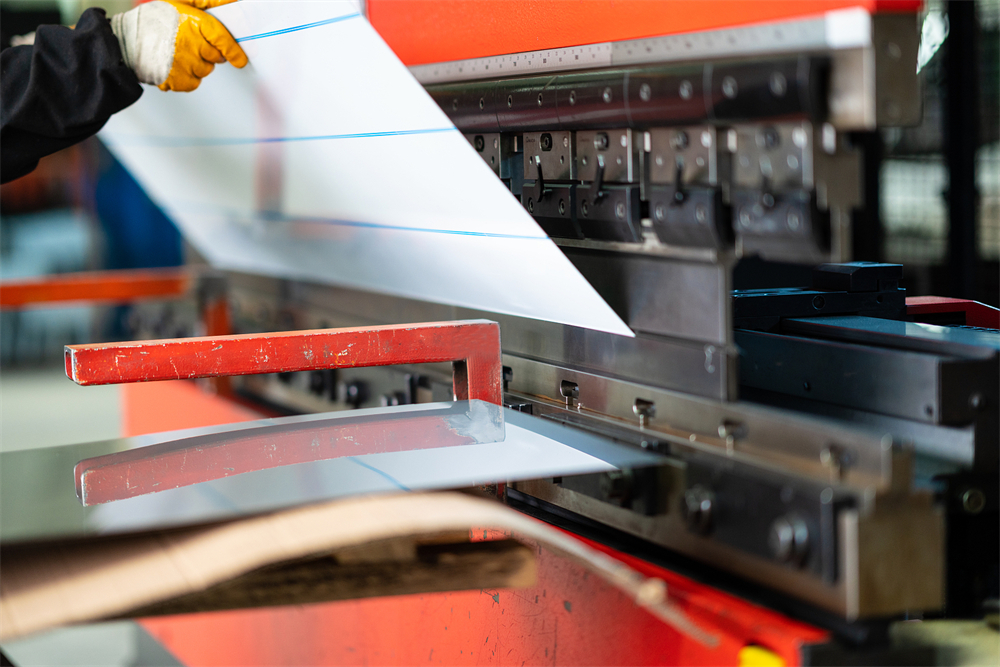
When analyzing how a hydraulic press brake case study helped a fabricator lower labor costs, the first consideration is the reduction of setup time. Traditional bending methods often require manual adjustments of the backgauge and tool alignment, which can take hours for complex parts. Modern hydraulic press brakes feature quick-change tooling and programmable CNC controllers that store bending sequences, allowing operators to switch between jobs in minutes rather than hours.
Another critical factor is the reduction of scrap rates. Labor costs are not just about the wages paid to the operator; they include the cost of wasted material and the time spent re-fabricating parts that failed quality control. By utilizing high-precision hydraulic systems with laser angle measurement, fabricators can ensure that the first part is a good part. This eliminates the “trial and error” phase that consumes so much of an operator’s day, effectively lowering the labor cost per finished unit.
Ergonomics and operator fatigue also play a significant role in labor efficiency. A hydraulic press brake designed with the operator in mind—featuring adjustable foot pedals, clear sightlines, and intuitive HMI screens—allows for sustained productivity throughout an entire shift. When operators are less physically taxed, they maintain higher focus, leading to fewer mistakes and a more consistent output. This human-centric approach to machinery design is a hallmark of HARSLE’s engineering philosophy.
Furthermore, the integration of offline programming software allows the engineering team to prepare bending programs away from the machine. This means the press brake is constantly bending metal rather than sitting idle while an operator manually inputs data. By decoupling the programming phase from the production phase, fabricators can maximize machine uptime, ensuring that the labor cost is directly tied to value-added production rather than administrative or preparatory tasks.
Technical Details of Modern Hydraulic Press Brakes
The technical superiority of modern hydraulic press brakes lies in their synchronization and control systems. HARSLE machines utilize advanced proportional valve technology to ensure that the ram remains perfectly parallel to the bed throughout the entire bending cycle. This level of precision is achieved through high-speed feedback loops that monitor the position of the ram in real-time, making micro-adjustments to compensate for material thickness variations or spring-back.
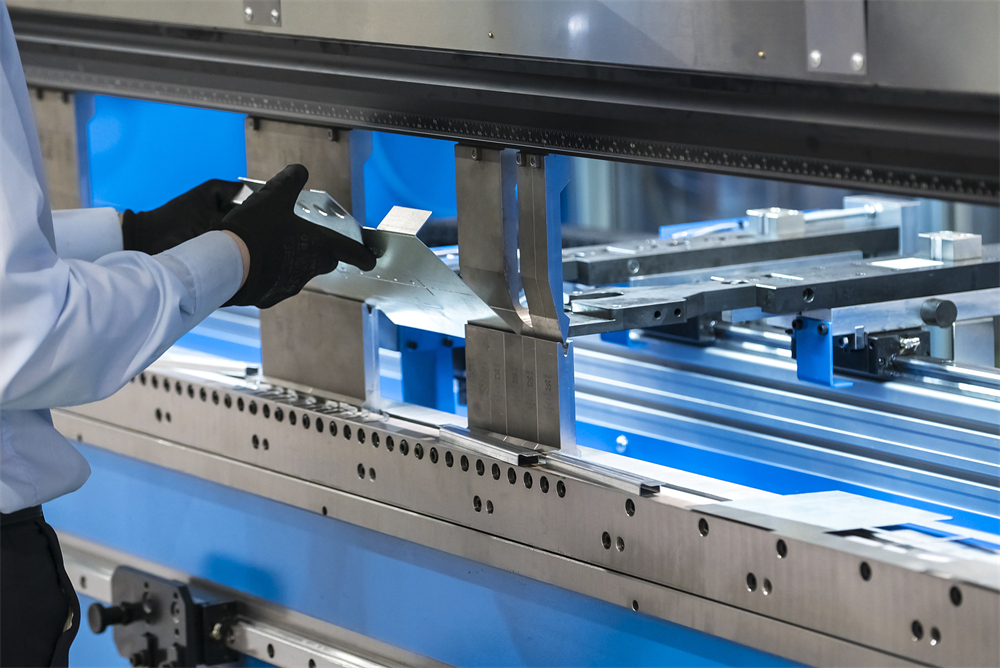
The backgauge system is the unsung hero of labor reduction. Modern systems offer multi-axis control (X, R, Z1, Z2), allowing for the bending of complex, asymmetrical parts in a single handling. By automating the positioning of the workpiece, the machine removes the need for the operator to manually hold or align the part against a fixed stop. This not only increases speed but also significantly enhances safety, as the operator’s hands are kept away from the point of operation.
Crowning systems are another technical advancement that directly impacts labor costs. Manual crowning—shimming the die to ensure a consistent bend angle across the entire length of the part—is a time-consuming and imprecise process. Hydraulic or motorized crowning systems integrated into the press brake bed allow for instantaneous adjustments. This ensures that the bend angle is uniform, regardless of the material type or thickness, eliminating the need for post-bend corrections.
Finally, the HMI (Human-Machine Interface) serves as the brain of the operation. Modern controllers support 3D visualization, allowing the operator to see the bending sequence before the first sheet is even loaded. This visual feedback helps identify potential collisions or sequence errors, preventing costly mistakes. The ability to import CAD files directly into the machine controller streamlines the workflow, turning complex engineering designs into finished parts with minimal manual input.
Selection Advice for Fabricators
Choosing the right hydraulic press brake requires a thorough assessment of your current production mix. If your shop handles a wide variety of materials and thicknesses, a machine with high versatility and quick-change tooling is essential. Conversely, if you focus on high-volume production of a specific part, you might prioritize speed and automation features like robotic integration. HARSLE offers a range of solutions tailored to these specific operational needs.
Consider the tonnage and bed length requirements based on your most challenging parts, but avoid over-specifying. A machine that is significantly larger than your needs will have higher energy consumption and may be less efficient for smaller, everyday tasks. Work with a HARSLE consultant to analyze your part history and determine the optimal machine configuration that balances power with agility.
Maintenance support is a critical, often overlooked aspect of the selection process. A machine that is down for repairs is a machine that is costing you money. Look for manufacturers that provide comprehensive training for your operators, as well as readily available spare parts and remote diagnostic capabilities. A hydraulic press brake is a long-term investment; choosing a partner that stands behind their equipment is as important as the machine specifications themselves.
Finally, evaluate the software ecosystem. The best hardware is only as good as the software driving it. Ensure that the press brake you choose is compatible with your existing CAD/CAM software. Seamless integration between your design office and the shop floor is the ultimate key to reducing labor costs, as it eliminates the communication gaps that often lead to errors and delays.
FAQ: Optimizing Your Press Brake Operations
How does a hydraulic press brake reduce labor costs compared to mechanical models?
Hydraulic press brakes offer superior control over the bending process, allowing for faster setup, higher precision, and reduced scrap. Unlike mechanical models, hydraulic systems provide consistent pressure and are easier to program for complex tasks, reducing the need for highly skilled manual labor to achieve quality results.
What is the role of CNC controllers in lowering labor costs?
CNC controllers automate the bending sequence, backgauge positioning, and crowning adjustments. This allows operators to run multiple jobs with minimal manual setup, significantly reducing the time spent on non-productive tasks and allowing for a more streamlined workflow.
Can a hydraulic press brake be integrated with robotic systems?
Yes, many modern HARSLE hydraulic press brakes are designed for robotic integration. This allows for 24/7 operation, completely removing the need for manual labor for repetitive bending tasks and ensuring consistent output quality.
How often should a hydraulic press brake be maintained to ensure efficiency?
Regular maintenance, including checking hydraulic fluid levels, cleaning the backgauge rails, and inspecting tooling for wear, should be performed according to the manufacturer’s schedule. Consistent maintenance prevents unexpected downtime, which is a major contributor to increased labor costs.
Is training necessary for operators transitioning to CNC hydraulic press brakes?
While modern interfaces are user-friendly, proper training is essential to maximize the machine’s capabilities. HARSLE provides comprehensive training programs to ensure your team can utilize advanced features like 3D simulation and automated bending sequences effectively.
Conclusion
The case study of how a hydraulic press brake helped a fabricator lower labor costs serves as a powerful testament to the impact of modern technology on traditional manufacturing. By moving away from manual, labor-intensive processes and embracing the precision, automation, and efficiency of hydraulic press brakes, fabricators can unlock new levels of profitability. The investment in high-quality machinery is not just an expense; it is a strategic move to future-proof your business against rising labor costs and increasing market demands.
HARSLE remains committed to providing the tools and expertise necessary for fabricators to thrive. Whether you are looking to upgrade your existing equipment or are just beginning your journey into automated metal forming, our team is here to guide you through the selection, installation, and optimization process. By focusing on the right technology and maintaining a commitment to operational excellence, you can transform your shop floor into a lean, efficient, and highly competitive powerhouse.
Remember that the transition to a more efficient shop is an ongoing process. As you integrate new machinery, continue to monitor your production metrics, invest in operator training, and stay abreast of the latest advancements in metal fabrication technology. With the right partner and the right equipment, the goal of lowering labor costs while increasing output is not only achievable—it is the new standard for success in the metal fabrication industry.