How a Press Brake Case Study Helped a Fabricator Expand Capacity Without Adding Floor Space


Introduction
In the competitive world of metal fabrication, the constraint of physical floor space is one of the most significant barriers to growth. Many fabricators find themselves in a catch-22: they have the demand to increase production, but they lack the square footage to install additional machinery. However, a recent industry analysis reveals that A Press Brake Case Study Helped A Fabricator Expand Capacity Without Adding Floor Space by focusing on high-efficiency, multi-axis CNC technology rather than brute-force expansion.
This article explores the strategic shift from traditional, space-consuming equipment to modern, high-precision HARSLE press brake systems. By analyzing the workflow of a mid-sized fabrication shop, we uncover how upgrading a single station can yield the output of three legacy machines. This transformation is not just about the hardware; it is about the integration of software, tooling, and lean manufacturing principles that redefine what a single workstation can achieve.
For many shop owners, the initial reaction to increased order volume is to lease more space or extend the factory floor. This is often a costly mistake that ignores the potential for internal optimization. Through this case study, we will demonstrate how HARSLE machinery serves as the catalyst for a more compact, high-output production environment, proving that efficiency is the true currency of modern metal fabrication.
As we delve into the technical specifications and operational changes required for this transition, keep in mind that the goal is to maximize the ‘value per square foot.’ By replacing outdated, single-purpose machines with versatile, high-speed CNC press brakes, fabricators can consolidate their operations, reduce material handling time, and significantly improve their bottom line without ever moving a wall.
Key Considerations for Space-Constrained Fabricators
When a shop is limited by its physical footprint, every square inch must be accounted for. The first step in the process is conducting a thorough audit of current material flow. Often, fabricators discover that their floor space is being consumed by work-in-progress (WIP) inventory rather than the machines themselves. A high-efficiency press brake reduces WIP by enabling faster cycle times and reducing the need for secondary operations.
Another critical consideration is the ergonomics and safety of the operator. Cramped spaces often lead to inefficient movement and safety hazards. By implementing a modern HARSLE press brake with advanced safety light curtains and automated backgauges, the operator can remain in a single, ergonomic zone. This reduces the need for large staging areas around the machine, effectively reclaiming floor space that was previously dedicated to manual material maneuvering.

Power consumption and utility layout also play a role. Older machines often require massive hydraulic power units that take up significant floor space. Modern HARSLE systems utilize energy-efficient, compact hydraulic or hybrid drives that require a smaller footprint while delivering higher tonnage. This allows for a cleaner, more organized shop floor that feels larger simply because it is less cluttered with auxiliary equipment.
Finally, the integration of offline programming software is a game-changer. By moving the programming process from the machine console to a desktop computer, the fabricator eliminates the need for large, bulky control cabinets and standing areas around the machine. This shift allows the machine to be placed closer to other production cells, creating a more cohesive and efficient manufacturing layout.
Technical Details: The HARSLE Advantage
The core of the transformation lies in the technical capabilities of the HARSLE CNC press brake series. Unlike older machines that rely on manual adjustments and mechanical stops, HARSLE machines utilize multi-axis backgauges (X, R, Z1, Z2) that allow for complex, multi-bend parts to be completed in a single setup. This eliminates the need for multiple machines to handle different bend angles or part geometries.
The precision of the hydraulic crowning system is another technical highlight. By automatically compensating for deflection, the machine ensures that every bend is perfect on the first try. This drastically reduces scrap rates, which in turn reduces the amount of space required for storing rejected parts and raw material for re-runs. When you stop producing scrap, you stop wasting the floor space that scrap occupies.
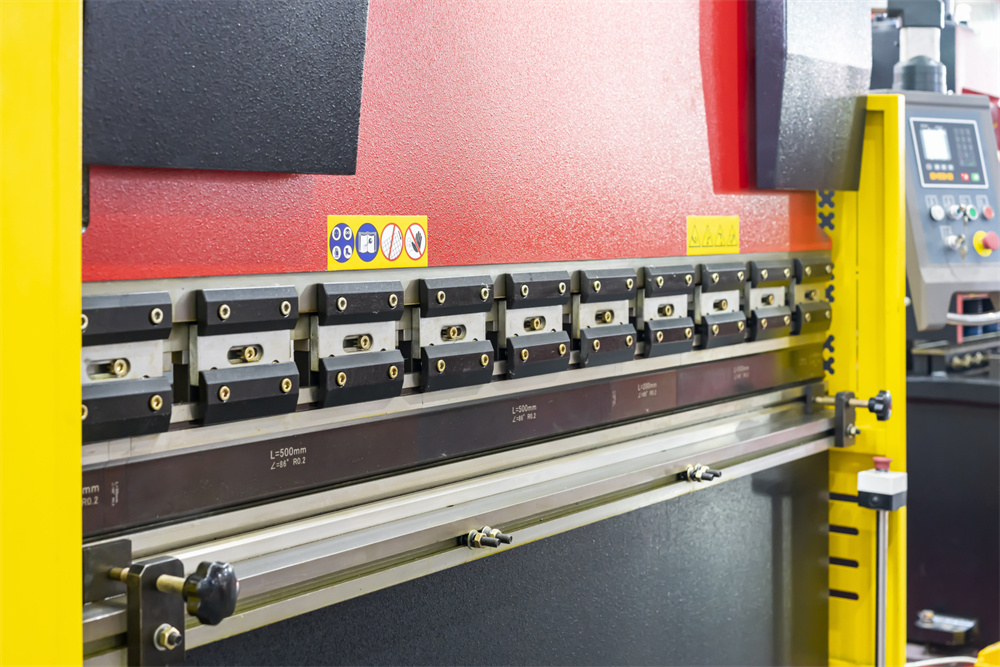
HARSLE machines are also designed with a compact frame structure that maximizes the bending length relative to the machine’s footprint. By utilizing high-strength steel and optimized structural geometry, HARSLE provides a rigid platform that can handle heavy-duty tasks without the need for a massive, oversized frame. This structural efficiency is the primary reason why A Press Brake Case Study Helped A Fabricator Expand Capacity Without Adding Floor Space.
Furthermore, the integration of automated tool changers (ATC) in higher-end models allows for rapid transition between different jobs. In a traditional shop, changing tools might take an hour and require extra space for tool storage racks near the machine. With an ATC, the tools are stored within the machine’s own footprint, keeping the surrounding area clear and allowing for a continuous, high-mix production flow that keeps the shop floor moving.
Selection Advice: Choosing the Right Equipment
Selecting the right press brake is not just about tonnage; it is about matching the machine’s capabilities to your specific production needs. If your goal is to expand capacity without adding space, you should prioritize machines with high-speed axes and advanced software integration. A machine that bends faster is only useful if the operator can load and unload it just as quickly, so consider the entire workflow.
Look for a manufacturer that offers comprehensive training and support. A machine is only as good as the operator’s ability to use it. HARSLE provides extensive documentation and training modules that help your team master the CNC interface, ensuring that you get the most out of every cycle. When you are operating at peak efficiency, you don’t need more machines; you just need better ones.
Consider the future-proofing of your investment. Does the machine support modular upgrades? Can you add robotic loading or unloading later? Even if you don’t have the space for a robot today, choosing a machine that is ‘robot-ready’ allows you to scale your capacity vertically rather than horizontally when the time is right. This modular approach is essential for fabricators who are serious about long-term growth.
Finally, evaluate the maintenance requirements. A machine that is constantly down for repairs is a waste of space. HARSLE machines are built with high-quality components that are easily accessible for routine maintenance. By choosing a reliable brand, you ensure that your floor space is always occupied by a productive asset, not a broken-down piece of equipment that is waiting for parts.
FAQ: Frequently Asked Questions
How can a press brake increase capacity without more space?
By increasing the speed of the bending cycle, reducing setup times through CNC automation, and minimizing scrap, a single high-performance press brake can replace the output of multiple older, slower machines.
What is the most important feature for space-saving?
Multi-axis backgauges and offline programming software are the most critical features, as they allow for complex parts to be completed in one setup, reducing the need for secondary machines and staging areas.
Is HARSLE equipment suitable for small shops?
Yes, HARSLE offers a wide range of press brakes, including compact models specifically designed for small to medium-sized shops that need to maximize their limited floor space.
How does offline programming save space?
Offline programming removes the need for the operator to spend time at the machine console to input data, allowing the machine to stay in production mode and reducing the need for large, bulky control stations.
Conclusion
The journey to expanding production capacity is often viewed through the lens of physical expansion, but as we have seen, the smarter path is through technological optimization. A Press Brake Case Study Helped A Fabricator Expand Capacity Without Adding Floor Space by demonstrating that the right equipment—specifically a high-precision HARSLE CNC press brake—can fundamentally change the economics of a shop floor.
By focusing on precision, speed, and integrated software, fabricators can achieve higher throughput, lower scrap rates, and a more organized workspace. This is not merely about buying a new machine; it is about adopting a philosophy of efficiency that prioritizes the value of every square foot. As the metal fabrication industry continues to evolve, those who embrace these smart manufacturing solutions will be the ones who thrive, regardless of the size of their facility.
If you are ready to take the next step in optimizing your fabrication shop, HARSLE is here to provide the expertise and the machinery to help you reach your goals. Contact our team today to discuss how we can help you transform your production floor into a high-capacity, high-efficiency powerhouse.