Why Your Laser Cutting Machine Is Cutting Slowly and How to Restore Speed


Introduction: Understanding Laser Cutting Efficiency
In the high-stakes world of metal fabrication, time is quite literally money. When you notice that your laser cutting machine is cutting slowly, it creates a bottleneck that ripples through your entire production schedule. Whether you are running a high-volume job shop or a specialized manufacturing facility, maintaining optimal cutting speeds is essential for profitability and precision. A laser cutting machine is a sophisticated piece of industrial machinery that relies on the perfect synergy between optics, gas pressure, software parameters, and mechanical stability.
Many operators assume that a drop in speed is an inevitable sign of an aging machine, but this is rarely the case. Often, the issue stems from subtle deviations in maintenance, environmental factors, or incorrect software settings. By understanding the core mechanics of your equipment, you can diagnose the root cause of performance degradation and implement corrective measures to restore your laser cutting machine to its peak operational capacity.
This guide explores the technical intricacies of why your laser cutting machine is cutting slowly and how to restore speed effectively. From checking the integrity of your optical path to fine-tuning your assist gas settings, we will provide a comprehensive roadmap for troubleshooting and performance optimization. At HARSLE, we believe that a well-maintained machine is the backbone of a successful fabrication business, and restoring your cutting speed is the first step toward reclaiming your competitive edge.
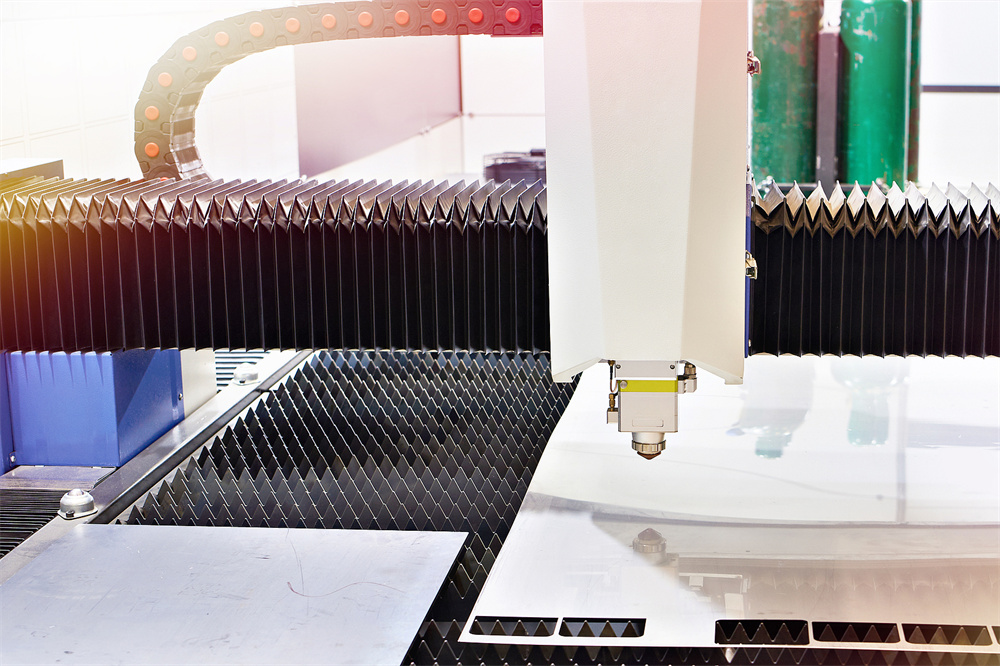
Key Considerations: Identifying the Root Cause
Before diving into complex technical repairs, it is vital to perform a systematic assessment of your machine’s environment and operational habits. The most common reason why a laser cutting machine is cutting slowly is often the simplest: a lack of routine maintenance. Dust, debris, and metal vapor accumulation on the protective lens or the nozzle can significantly scatter the laser beam, leading to a loss of power density at the focal point. If the beam is not concentrated, the machine must slow down to compensate for the lack of penetration.
Another key consideration is the quality and consistency of your assist gas. Whether you are using oxygen, nitrogen, or compressed air, the purity and pressure of the gas are critical. If your gas supply lines are contaminated or if the pressure is fluctuating, the chemical reaction or the physical blowing action required to clear the molten metal will be compromised. This forces the machine to reduce its feed rate to prevent dross buildup or incomplete cuts.
Environmental factors also play a significant role. High humidity or extreme temperature fluctuations in the workshop can affect the stability of the laser resonator and the cooling system. If the chiller unit is not maintaining the laser source at the optimal temperature, the laser power output may be throttled by the internal control system to protect the hardware. Always check your chiller’s performance logs if you notice a sudden, unexplained drop in cutting speed across all material thicknesses.
Finally, consider the material itself. Are you using the same batch of steel as you were last month? Variations in material thickness, surface oxidation, or chemical composition can significantly impact how the laser interacts with the metal. If the material is coated with heavy mill scale or rust, the laser will struggle to pierce the surface, forcing the machine to slow down to ensure a clean cut. Always verify your material specifications before assuming the machine is at fault.
Technical Details: Restoring Speed Through Maintenance
To restore speed, you must first address the optical path. The laser beam travels through a series of mirrors and lenses before reaching the workpiece. If any of these components are dirty or damaged, the beam quality (M2 factor) degrades. Inspect the protective window, the focus lens, and the nozzle tip. Even a microscopic scratch or a smudge of oil can cause thermal lensing, where the lens heats up and distorts the beam, leading to a wider, less intense focal spot. Cleaning these components with high-purity optical cleaning supplies is a mandatory maintenance task.
Next, evaluate your focus position. The focal point of the laser must be precisely aligned with the material thickness. If the focus is off, the energy density is spread over a larger area, reducing the cutting speed. Modern HARSLE laser cutting machines feature auto-focus heads that adjust the focal position dynamically. Ensure that your software settings match the actual material thickness and that the auto-focus calibration is up to date. If the head is physically misaligned, the beam will strike the side of the nozzle, causing heat buildup and erratic cutting performance.
The mechanical motion system—the rack, pinion, and guide rails—must also be inspected. If the machine’s motion is jerky or if there is excessive friction in the drive system, the controller will limit the acceleration and deceleration speeds to prevent mechanical stress. Ensure that the rails are clean and properly lubricated. Check for any signs of wear on the gear racks. A smooth, fluid motion is required to maintain high cutting speeds, especially when cutting intricate geometries with many directional changes.
Software parameters are the final piece of the puzzle. Over time, operators may tweak cutting parameters to solve specific issues, leading to a “parameter drift” where the settings are no longer optimized for general production. Resetting your cutting parameters to the manufacturer’s recommended defaults can often restore speed. Ensure that your lead-in and lead-out settings are optimized, as inefficient entry points can force the machine to slow down during the piercing phase, which adds up significantly over a long production run.
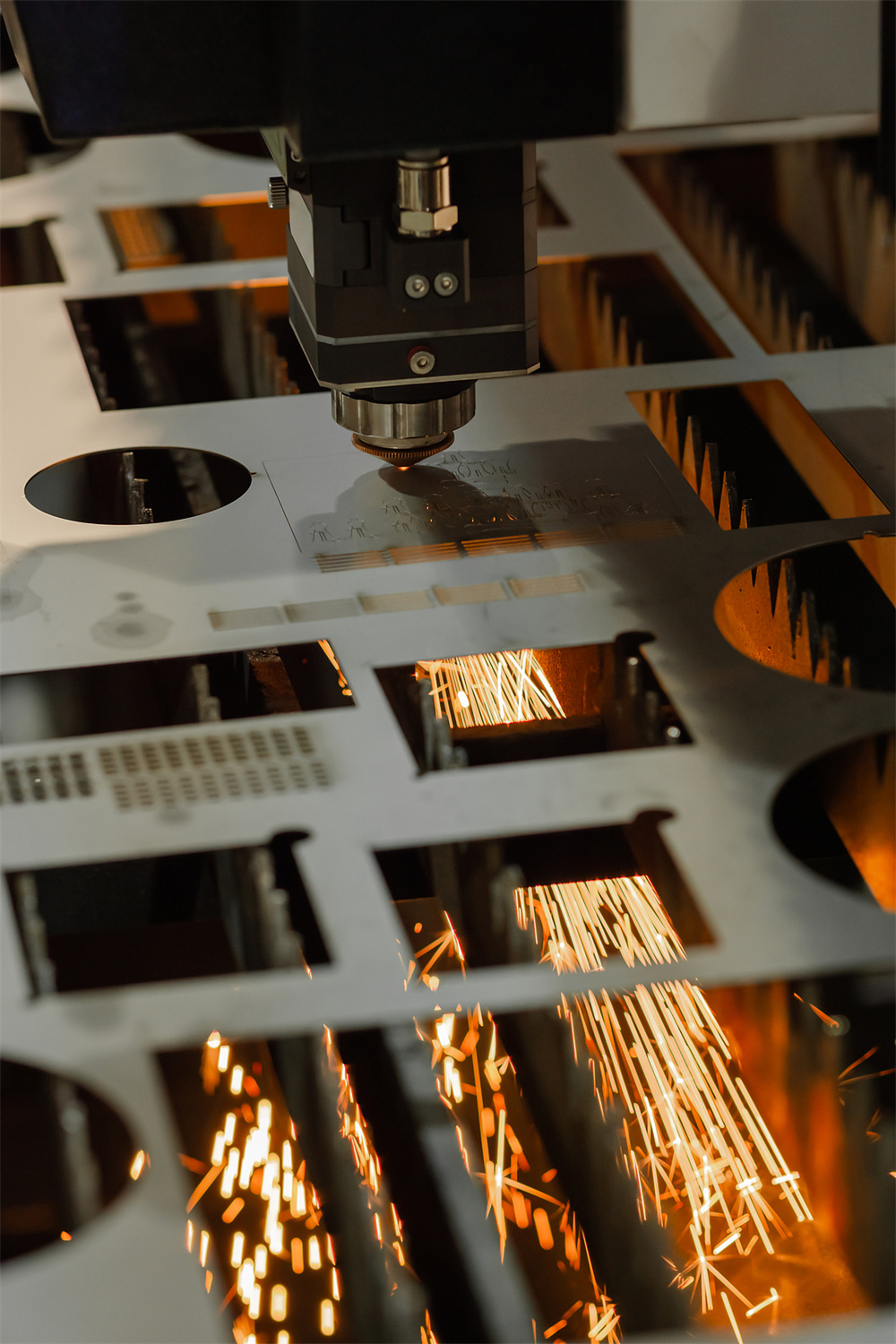
Selection Advice: Choosing the Right Equipment for Speed
When selecting a laser cutting machine, speed is not just about the maximum traverse rate; it is about the effective cutting speed across various materials and thicknesses. If you are currently struggling with a machine that is cutting slowly, it might be time to evaluate whether your current equipment is suited for your production volume. High-power fiber lasers (6kW, 10kW, or higher) offer significantly faster cutting speeds for thicker materials compared to lower-power models. If your business has scaled up, your machine might simply be undersized for your current workload.
Consider the acceleration capabilities of the machine. A machine with a high-rigidity gantry and powerful servo motors can reach top speeds faster and maintain them through complex contours. When comparing specifications, look for the acceleration (measured in Gs) rather than just the rapid traverse speed. High acceleration is what truly determines the throughput of a laser cutting machine when processing parts with many holes or intricate shapes.
Automation is another factor that impacts the “effective” speed of your production. If your machine is idle while you manually load and unload sheets, your overall throughput will be low, regardless of how fast the laser cuts. Integrating an automatic pallet changer or a full sheet loading/unloading system can drastically increase the total output of your fabrication shop. HARSLE offers various automation solutions designed to keep the laser head moving as much as possible.
Finally, prioritize machines with advanced control systems that offer real-time monitoring and diagnostic capabilities. A machine that can alert you to a drop in beam quality or a fluctuation in gas pressure before it becomes a major issue allows you to perform preventative maintenance. This proactive approach prevents the “slow cutting” syndrome from ever taking hold, ensuring that your production remains consistent and profitable over the long term.
FAQ: Common Questions About Laser Cutting Speed
Why does my laser cutting machine cut slower on thicker materials?
Thicker materials require more energy to melt and more gas pressure to eject the molten metal. As the material thickness increases, the laser must move slower to ensure complete penetration. If you find it is significantly slower than the manufacturer’s charts, check your nozzle size and gas pressure settings.
How often should I clean the protective lens?
The protective lens should be inspected daily. In high-production environments, it is common to clean the lens at the start of every shift. Any buildup of debris can cause the lens to overheat and crack, which is a costly repair.
Can software updates improve cutting speed?
Yes, software updates often include optimized motion control algorithms and updated cutting databases. Keeping your machine’s control software current ensures you are utilizing the most efficient cutting strategies developed by the manufacturer.
What is the role of the chiller in cutting speed?
The chiller maintains the temperature of the laser source. If the laser source overheats, it will automatically reduce its power output to prevent damage, which directly results in slower cutting speeds.
Is it better to use Nitrogen or Oxygen for faster cuts?
Nitrogen is generally used for high-speed, dross-free cutting of stainless steel and aluminum, while Oxygen is used for thicker carbon steel where the exothermic reaction helps the cutting process. Using the wrong gas for the material will significantly reduce your cutting speed.
Conclusion: Maintaining Peak Performance
Restoring speed to your laser cutting machine is a process of elimination and precision. By systematically checking your optical path, gas supply, mechanical components, and software settings, you can identify why your laser cutting machine is cutting slowly and take the necessary steps to restore its performance. Remember that maintenance is not a one-time event but a continuous commitment to the health of your industrial machinery.
At HARSLE, we are dedicated to providing the tools and knowledge necessary for your fabrication success. Whether you are troubleshooting a minor speed issue or looking to upgrade your entire production line, our team is here to support your growth. By prioritizing regular maintenance and staying informed about the latest advancements in laser technology, you ensure that your shop remains a leader in the competitive metal fabrication industry. Keep your optics clean, your parameters tuned, and your machine running at its full potential.