How to Choose Between Open Type and Enclosed Laser Cutting Machine Models: A Comprehensive Guide


Comparison Summary: Understanding Your Fabrication Needs
Selecting the right laser cutting technology is a pivotal decision for any metal fabrication business. When you set out to choose between open type and enclosed laser cutting machine models, you are essentially balancing safety, production volume, and workspace constraints. Open-type machines offer unparalleled accessibility and ease of loading, making them ideal for rapid prototyping and large-format sheet processing where crane loading is frequent. Conversely, enclosed laser cutting machines prioritize operator safety and environmental control, utilizing protective housing to contain laser radiation and debris.
The fundamental difference lies in the design philosophy. Open-type systems are designed for high-visibility and high-speed material handling, often favored in job shops that handle diverse, non-standard sheet sizes. Enclosed systems, often referred to as ‘full-protection’ models, are engineered to meet stringent international safety standards (such as CE or FDA requirements). These machines are essential in high-production environments where safety protocols are non-negotiable and where dust and fume extraction must be strictly managed.
Choosing the right model requires an honest assessment of your current workflow. If your facility processes heavy, oversized plates that require overhead crane access, the open-type architecture is often the most practical choice. However, if your shop floor is a high-traffic area with multiple operators, or if you are cutting materials that produce significant hazardous fumes, the enclosed model provides a necessary barrier that protects both personnel and the surrounding equipment from particulate contamination.
Ultimately, the decision hinges on your specific operational priorities. Are you optimizing for maximum throughput with minimal handling time, or are you prioritizing a clean, safe, and automated production environment? This guide will break down the technical specifications, safety implications, and long-term maintenance requirements to help you make an informed investment in your HARSLE laser cutting equipment.
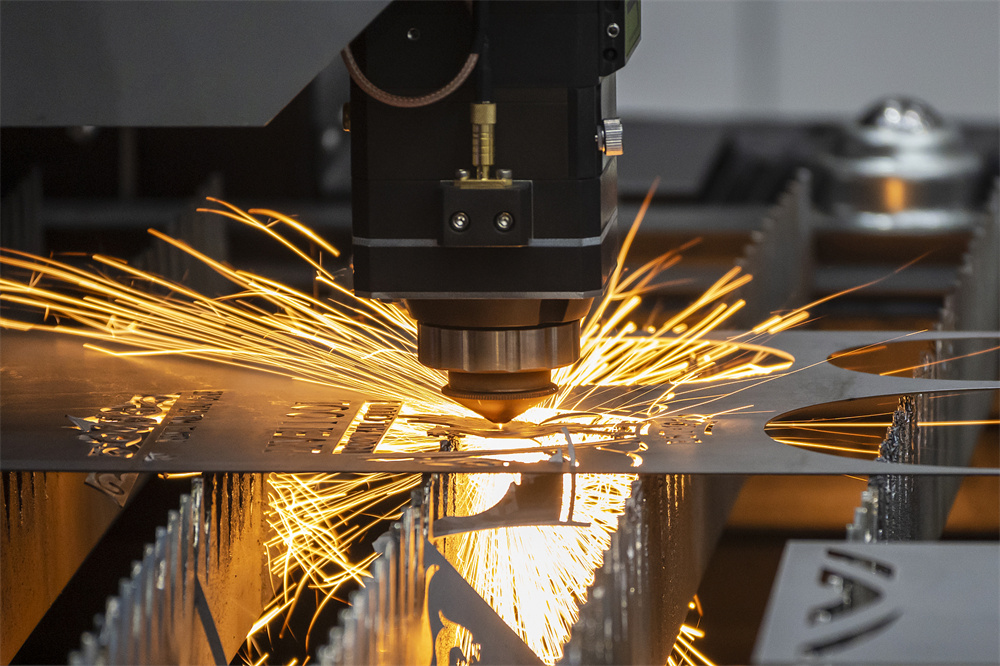
Machine A Overview: The Open Type Laser Cutting Machine
Open-type laser cutting machines are the workhorses of the metal fabrication industry. Characterized by their minimalist frame design, these machines provide 360-degree access to the cutting area. This design is particularly advantageous for shops that frequently switch between different material types and thicknesses, as it allows operators to quickly inspect the cutting process and adjust parameters in real-time without navigating through protective enclosures.
One of the primary benefits of the open-type model is the ease of material loading and unloading. Because there is no top or side housing, operators can use overhead cranes or vacuum lifters to place heavy steel plates directly onto the cutting bed with minimal obstruction. This significantly reduces downtime between jobs, which is a critical factor for job shops that rely on high-mix, low-volume production cycles to maintain profitability.
From a technical standpoint, open-type machines often feature a more robust, heavy-duty frame to maintain stability without the structural support of an enclosure. They are typically equipped with high-performance laser sources and advanced motion control systems that rival their enclosed counterparts. However, because they lack a sealed chamber, they require an external, high-capacity dust collection system to ensure that smoke and metal vapor are effectively removed from the immediate workspace.
While open-type machines are highly efficient, they do require a dedicated safety zone. Because the laser beam is exposed, the facility must implement strict safety protocols, including laser-rated curtains or partitioned areas to prevent accidental exposure to stray reflections. For businesses with limited floor space or those operating in multi-purpose workshops, the open-type machine requires careful site planning to ensure compliance with occupational health and safety regulations.
Machine B Overview: The Enclosed Laser Cutting Machine
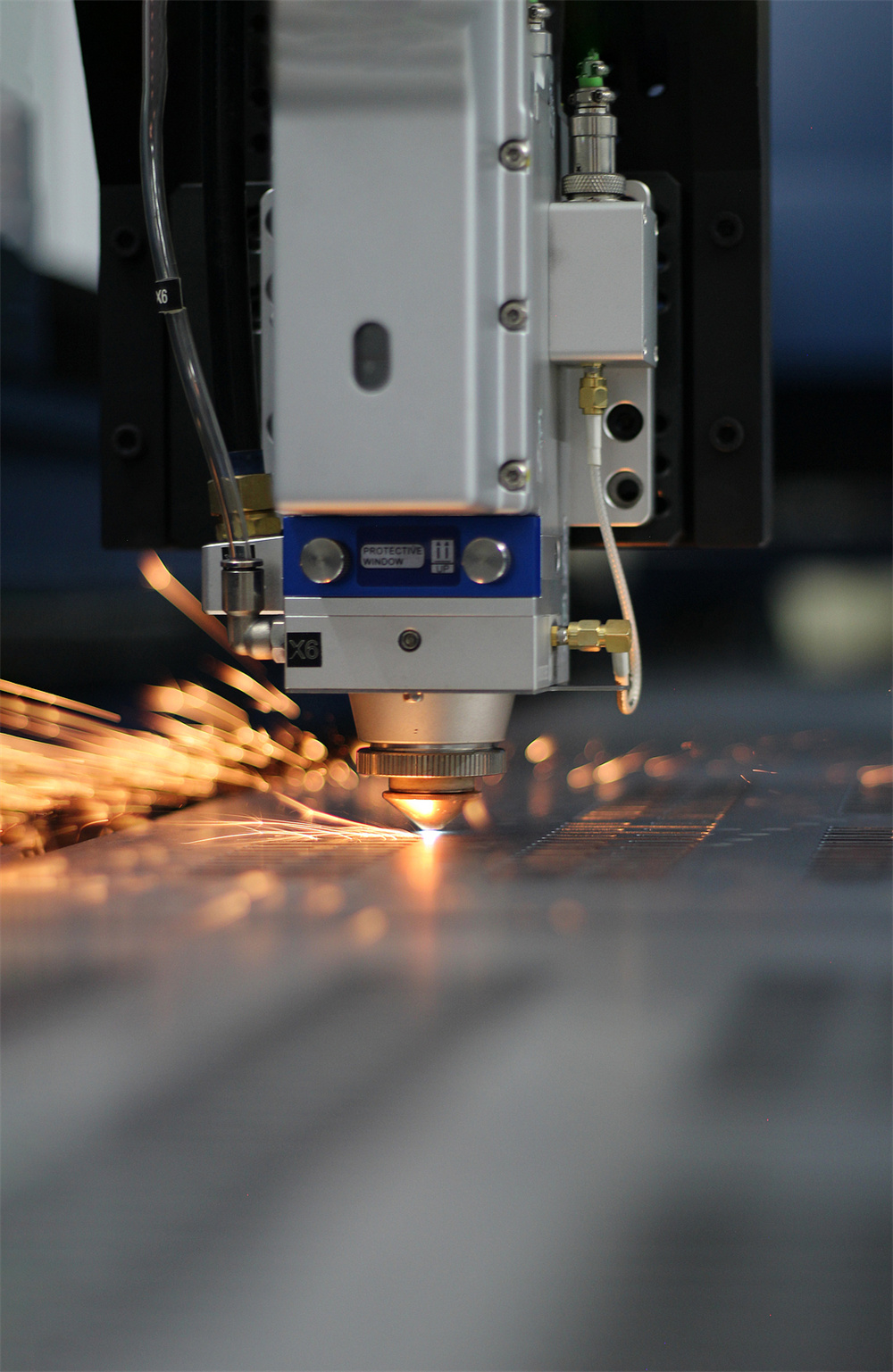
Enclosed laser cutting machines represent the pinnacle of modern industrial safety and environmental control. These machines are fully encased in a protective housing, typically featuring sliding doors or automated shutters. This design serves a dual purpose: it completely shields the operator from laser radiation and flying sparks, and it creates a controlled environment that improves the efficiency of the integrated fume extraction system.
The enclosed architecture is particularly beneficial for high-speed production lines. By containing the cutting process, these machines can operate at higher power levels and faster speeds without posing a risk to nearby personnel. Furthermore, the enclosure helps to dampen the noise generated by the cutting process and the high-pressure assist gas, creating a more comfortable working environment for shop floor employees. This is a significant advantage in facilities where multiple machines are running simultaneously.
Another key feature of enclosed models is the integration of automated pallet changers. Because the machine is fully sealed, the pallet exchange mechanism can be integrated seamlessly into the housing, allowing for continuous production. While one pallet is being cut inside the enclosure, the operator can safely unload finished parts and load new raw material on the external pallet. This ‘lights-out’ manufacturing capability is a major driver for businesses looking to increase their output without increasing their headcount.
Maintenance on enclosed machines is also more streamlined in terms of cleanliness. The housing prevents metal dust and debris from settling on sensitive electronic components and linear guides located outside the cutting zone. This leads to a longer service life for the machine’s critical motion components and reduces the frequency of deep-cleaning cycles. While the initial investment for an enclosed model is higher, the long-term benefits in safety, cleanliness, and automated throughput often justify the cost.
Specification Comparison Table
| Feature | Open Type Laser Cutter | Enclosed Laser Cutter |
|---|---|---|
| Safety Level | Requires external safety zones | High (Integrated safety housing) |
| Loading Efficiency | Excellent (Crane/Manual access) | High (Automated pallet changer) |
| Environmental Control | Requires external extraction | Integrated fume/dust extraction |
| Footprint | Compact | Larger (due to housing) |
| Ideal For | Heavy/Oversized plates | High-volume production |
| Noise Levels | Higher | Lower (Dampened) |
Best-fit Applications for Your Business
When you choose between open type and enclosed laser cutting machine models, you must align the machine’s capabilities with your specific application requirements. Open-type machines excel in heavy-duty fabrication environments, such as structural steel manufacturing, shipbuilding, and large-scale architectural metalwork. In these sectors, the ability to handle massive, non-standard sheets that exceed the dimensions of a standard enclosure is a non-negotiable requirement. The open access allows for creative jigging and the use of custom fixtures that would be impossible to fit inside a standard enclosed cabinet.
Enclosed machines are the gold standard for precision manufacturing, automotive parts production, and electronics housing fabrication. In these industries, consistency and speed are paramount. The enclosed environment ensures that the laser optics remain free from dust, which is critical for maintaining the high beam quality required for intricate, small-part cutting. Furthermore, the ability to automate the loading and unloading process means that these machines can run for extended periods with minimal human intervention, making them perfect for high-volume, repetitive tasks.
Consider the material thickness and type as well. If your shop primarily processes thin-gauge stainless steel or aluminum for high-end consumer goods, the enclosed machine’s ability to maintain a clean, stable environment will result in superior edge quality and less post-processing work. Conversely, if you are cutting thick carbon steel plates where the primary goal is structural integrity rather than aesthetic finish, the open-type machine provides the raw power and accessibility needed to manage these heavy materials efficiently.
Finally, evaluate your facility’s layout. If you have a dedicated laser cutting room with controlled access, an open-type machine is a cost-effective solution. However, if your laser cutter must be placed in a shared workspace where other employees are performing assembly, welding, or grinding, the enclosed model is essential to protect your team from the hazards of laser light and to prevent cross-contamination of metal dust.
Cost and Maintenance Comparison
The total cost of ownership is a critical factor when deciding between these two models. Open-type machines generally have a lower initial purchase price because they require less steel for the housing, fewer safety interlocks, and simpler ventilation systems. For startups or small job shops with limited capital, the open-type model offers a lower barrier to entry while still providing high-quality cutting performance.
However, the maintenance profile differs significantly. Open-type machines require more frequent cleaning of the surrounding floor area and the machine’s internal frame, as dust and debris are not contained. You will also need to invest in high-quality laser safety curtains and potentially hire a safety consultant to ensure your shop floor layout meets local regulations. These ‘hidden’ costs can add up over time.
Enclosed machines carry a higher upfront cost, but they offer significant savings in terms of operational efficiency and maintenance. The integrated housing protects the machine’s internal components from the harsh shop environment, leading to fewer breakdowns and longer intervals between major service tasks. Additionally, the integrated fume extraction systems are designed specifically for the enclosure volume, making them more energy-efficient and effective at removing hazardous particles compared to generic, external extraction units.
When calculating your return on investment (ROI), consider the labor savings provided by the enclosed machine’s automation features. If your business is growing, the ability to add an automatic pallet changer or a sheet loading/unloading system to an enclosed machine can double your output without requiring additional floor space or operators. This scalability is a key advantage that often makes the enclosed model the more profitable choice for expanding businesses.
Recommendation: Making the Final Decision
To summarize, the choice between open and enclosed laser cutting machines is not about which is ‘better,’ but which is better for your specific operational context. If your business focuses on heavy, oversized, or highly customized metal fabrication where accessibility is the primary concern, the open-type laser cutting machine is your best partner. It offers the flexibility and ease of use required for diverse, non-standard projects.
If, however, your business is focused on high-volume production, precision parts, or operating within a shared, high-traffic facility, the enclosed laser cutting machine is the superior investment. The safety, cleanliness, and automation capabilities it provides will pay dividends in the form of higher throughput, lower maintenance costs, and a safer working environment for your employees.
At HARSLE, we recommend that you conduct a thorough audit of your current and projected production needs. Look at your average part size, your material throughput, and your existing shop floor safety protocols. If you are still unsure, our technical team is available to perform a site assessment and help you select the model that aligns with your long-term growth strategy. Remember, the right machine is the one that integrates seamlessly into your workflow while solving your most pressing production challenges.
FAQ: Frequently Asked Questions
- Q: Can I upgrade an open-type machine to an enclosed one later?
A: Generally, no. The structural design and safety interlock systems are integrated into the machine’s frame during manufacturing. It is more cost-effective to choose the correct configuration from the start. - Q: Do enclosed machines require more power?
A: The power consumption is primarily driven by the laser source and the chiller unit, not the enclosure. However, enclosed machines may have additional power requirements for the automated doors and advanced ventilation systems. - Q: Is an open-type machine safe to use?
A: Yes, provided that you implement proper safety measures, such as laser-rated partitions, safety glasses for all personnel in the area, and strict access control to the cutting zone. - Q: Which model is easier to maintain?
A: Enclosed machines are generally easier to keep clean because they contain the debris, protecting the machine’s internal components. Open-type machines require more frequent external cleaning. - Q: Does the enclosure affect cutting speed?
A: No, the enclosure does not affect the laser’s cutting speed. The speed is determined by the laser power, the assist gas, and the motion control system.