
Руководство по ценам на механические пресс-ножницы: бюджетные, средние и высококачественные модели

Price Range Overview: Understanding the Market Landscape
Investing in metal fabrication equipment is a significant capital expenditure that requires a deep understanding of the market. When researching the Mechanical Punching Machine Price: Budget, Mid-Range, High-End Models, it is essential to categorize these machines based on their operational capacity, build quality, and automation levels. For small-to-medium enterprises (SMEs) or startups, budget-friendly mechanical punch presses offer a reliable entry point into metal forming, typically focusing on manual or semi-automatic operations. These machines are designed for simplicity and durability, making them ideal for low-to-medium volume production runs where high-speed automation is not the primary requirement.
Moving into the mid-range category, manufacturers often find a balance between cost and throughput. These machines frequently incorporate advanced mechanical linkages, improved safety features, and more robust frame structures. Mid-range models are the workhorses of the fabrication industry, often serving job shops that require versatility and consistent performance across various material thicknesses. The price point here reflects the inclusion of better-grade steel, enhanced motor efficiency, and more sophisticated control interfaces that reduce operator fatigue and increase output consistency.
High-end mechanical punching machines represent the pinnacle of traditional mechanical engineering combined with modern precision. These models are engineered for high-speed, continuous production environments where downtime is not an option. They often feature specialized clutch systems, advanced lubrication monitoring, and integrated safety light curtains that meet stringent international standards. While the initial investment is significantly higher, the long-term value is found in the machine’s ability to maintain tight tolerances over millions of cycles, reducing scrap rates and maximizing material utilization.
Understanding these tiers allows shop owners to align their procurement strategy with their specific production goals. It is not always necessary to purchase the most expensive machine if your production volume does not justify the throughput. Conversely, opting for a budget model in a high-volume, high-precision environment can lead to increased maintenance costs and operational bottlenecks. By evaluating the Mechanical Punching Machine Price: Budget, Mid-Range, High-End Models, you can make an informed decision that supports your business growth rather than hindering your cash flow.
Main Cost Drivers in Mechanical Punching Machines
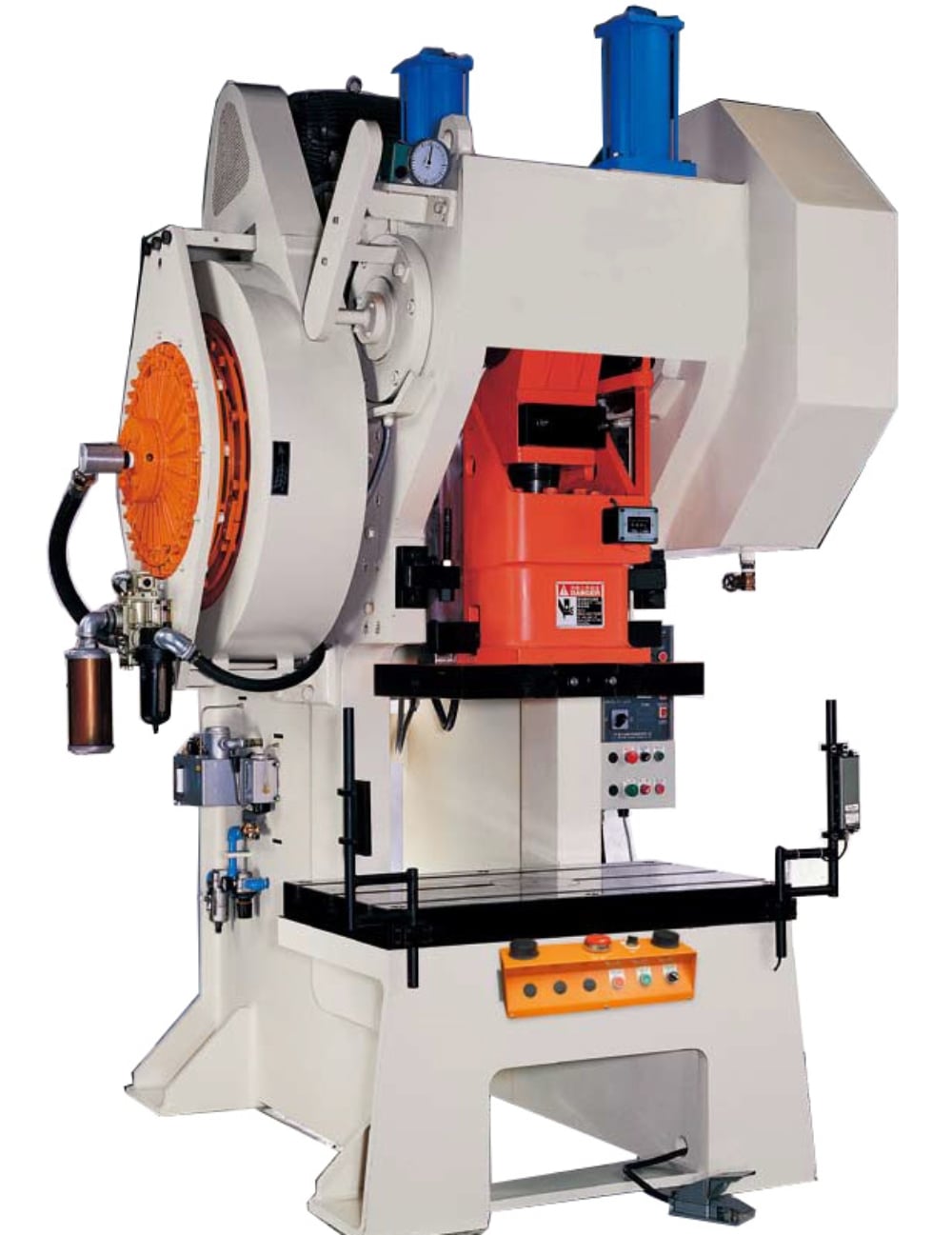
Several factors dictate the final price of a mechanical punching machine. The most prominent driver is the tonnage capacity. A machine’s ability to exert force is directly proportional to its structural mass and the power of its drive system. Higher tonnage requires thicker steel plates for the frame, more powerful motors, and reinforced crankshafts, all of which drive up the manufacturing cost. When comparing models, always ensure you are comparing machines with similar tonnage ratings, as this is the primary baseline for cost.
The complexity of the drive mechanism also plays a critical role. Traditional mechanical presses use a flywheel and clutch system to convert rotational energy into linear motion. Budget models may use simpler, mechanical-clutch designs that are robust but less precise. Mid-range and high-end models often utilize pneumatic or hydraulic-assisted clutches, which offer smoother engagement, reduced shock to the machine components, and better control over the stroke. These advanced systems require more complex engineering and higher-quality components, which are reflected in the price.
Frame design and material quality are often overlooked but are vital cost drivers. A C-frame design is common for its accessibility, but it can suffer from deflection under high loads. High-end machines often utilize O-frame or straight-side designs, which provide superior rigidity and parallelism between the ram and the bolster. This structural integrity is essential for precision punching and extending the life of your tooling. The cost of the steel, the precision of the machining, and the stress-relieving processes applied to the frame all contribute to the final price tag.
Finally, the control system and safety integration significantly impact the cost. Modern mechanical punching machines are no longer just “dumb” mechanical devices. They are increasingly equipped with PLC-based control systems that monitor stroke count, lubrication levels, and safety interlocks. High-end models may include digital interfaces that allow for quick job setup and diagnostic reporting. While these features add to the initial cost, they provide invaluable data that helps in predictive maintenance and operational efficiency, ultimately lowering the total cost of ownership.
Configuration Impact: Customization and Tooling
The configuration of your punching machine is where the price can fluctuate significantly based on your specific application needs. A standard machine might come with a basic bolster plate and a manual feed system. However, most fabrication shops require some level of customization to handle specific materials or part geometries. Adding features like automatic lubrication systems, variable speed drives, or specialized die cushions can increase the price, but these additions often pay for themselves by improving part quality and reducing setup times.
Tooling compatibility is another major configuration factor. High-end machines are often designed to accept universal or quick-change tooling systems. While the initial cost of these systems is higher, they drastically reduce the time required for tool changes, which is a critical metric for shops handling high-mix, low-volume production. Budget machines may require manual bolting of dies, which is time-consuming and increases the risk of misalignment. Investing in a machine that supports efficient tooling changes is a strategic move for any shop looking to increase its throughput.
The integration of material handling systems also affects the overall investment. For high-end models, you might consider adding automatic feeders, scrap conveyors, or even robotic part removal systems. These configurations transform a standalone machine into a semi-automated production cell. While this significantly raises the Mechanical Punching Machine Price: Budget, Mid-Range, High-End Models, it also reduces labor costs and increases safety. It is important to assess whether your current workflow can support such automation or if a more manual configuration is more appropriate for your current stage of growth.
Lastly, consider the electrical and pneumatic requirements of your chosen configuration. High-end machines may require specialized power supplies or high-pressure air systems to operate at peak efficiency. Budget models are generally more forgiving and can often be integrated into existing shop infrastructure without major electrical upgrades. Always consult with the manufacturer regarding the installation requirements, as hidden infrastructure costs can sometimes rival the cost of the machine itself.
Скрытые расходы: за пределами цены на наклейке
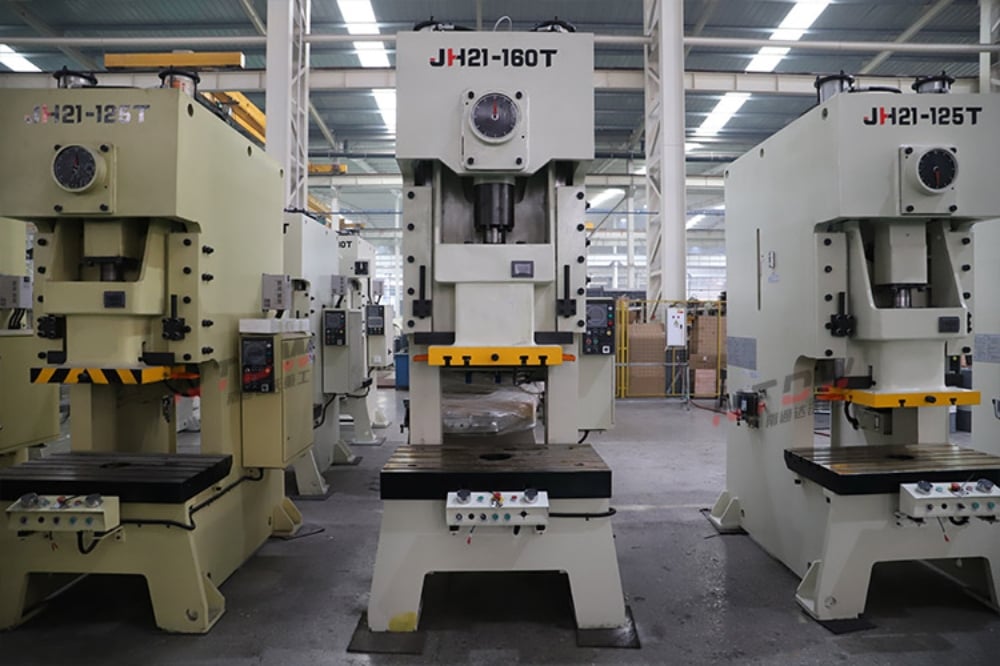
When evaluating the Mechanical Punching Machine Price: Budget, Mid-Range, High-End Models, it is easy to focus solely on the purchase price. However, the total cost of ownership includes several hidden expenses that can catch a buyer off guard. Shipping and rigging are the first of these. Large mechanical presses are heavy and require specialized transport and crane services to move into your facility. Depending on the distance and the complexity of the installation, these costs can add thousands of dollars to your initial budget.
Installation and commissioning are often separate line items. While some manufacturers include basic setup, complex machines require professional calibration to ensure the ram is perfectly parallel to the bed. This is not a step to be skipped, as improper installation will lead to premature tool wear, poor part quality, and potential safety hazards. Budget for professional installation and training for your operators to ensure the machine is utilized to its full potential from day one.
Maintenance and spare parts are ongoing costs that vary by machine tier. High-end machines often require proprietary parts and specialized service technicians, which can be expensive. Budget machines, while simpler, may have shorter service intervals or require more frequent adjustments. It is crucial to ask the manufacturer about the availability of spare parts and the typical lead time for service calls. A machine that is down for two weeks waiting for a part is costing you far more than the savings you gained by choosing a cheaper model.
Finally, consider the cost of training and safety compliance. As regulations become stricter, ensuring your machine meets local safety standards is non-negotiable. This may involve purchasing additional safety guards, light curtains, or dual-palm buttons if they are not included in the base price. Furthermore, training your staff to operate the machine safely and efficiently is an investment that reduces the risk of accidents and increases productivity. Always factor these operational costs into your long-term financial planning.
Расчет ROI: Обоснование инвестиций
Calculating the Return on Investment (ROI) for a mechanical punching machine requires a clear understanding of your production metrics. Start by determining the cost per part. This includes material costs, labor, energy consumption, and the amortized cost of the machine over its expected lifespan. By comparing the output of a budget machine versus a high-end machine, you can see how the higher initial cost of a premium model is offset by faster cycle times, lower scrap rates, and reduced labor requirements.
Consider the impact of machine uptime on your bottom line. A high-end machine with advanced diagnostics and reliable components will have significantly less downtime than a budget model. If your shop relies on just-in-time delivery, the cost of a single day of downtime can be substantial. Calculate the potential revenue lost during downtime and compare it to the price difference between the machine tiers. Often, the reliability of a high-end machine provides a faster ROI than the lower purchase price of a budget model.
Another factor in ROI is the versatility of the machine. A machine that can handle a wider range of materials and thicknesses allows you to bid on more diverse projects. If a mid-range or high-end machine enables you to take on jobs that your current equipment cannot, the increased revenue stream should be factored into your ROI calculation. Look for machines that offer modularity, allowing you to upgrade or add features as your business needs evolve.
Lastly, consider the resale value. High-end mechanical punching machines from reputable manufacturers like HARSLE tend to hold their value much better than budget models. If you decide to upgrade or pivot your business model in the future, the ability to sell your machine for a significant portion of its original cost is a major financial advantage. When you view the purchase as an asset rather than just an expense, the ROI calculation becomes much more favorable for high-quality equipment.
Buying Advice: Making the Right Choice
Choosing the right mechanical punching machine is a balance of current needs and future aspirations. Start by conducting a thorough audit of your current production. What are the most common materials you punch? What are the typical thicknesses and hole patterns? If your work is highly repetitive and standard, a budget or mid-range machine may be perfectly adequate. If your work is highly varied and requires frequent setup changes, investing in a machine with quick-change tooling and advanced controls is essential.
Don’t be afraid to ask for references. A reputable manufacturer should be able to provide contact information for other shops using their machines. Speaking with other owners can provide invaluable insights into the machine’s real-world performance, the quality of customer support, and the actual maintenance requirements. This is often the best way to verify the claims made in marketing materials and ensure you are getting the value you expect for the price you are paying.
Consider the manufacturer’s support network. A machine is only as good as the support behind it. Look for companies that offer local service, readily available spare parts, and comprehensive training programs. HARSLE, for example, provides extensive support to ensure that your investment remains productive throughout its lifecycle. A machine purchased from a company with a strong commitment to customer success is always a better value than a cheaper machine from a company that disappears after the sale.
Finally, think about the long-term scalability of your shop. If you plan to grow, choose a machine that can grow with you. This might mean selecting a model that supports future automation or one that has the structural capacity to handle heavier-duty work as your client base expands. By taking a strategic approach to your purchase, you ensure that your mechanical punching machine remains a cornerstone of your fabrication capabilities for years to come.
Часто задаваемые вопросы: Часто задаваемые вопросы
- What is the typical lifespan of a mechanical punching machine? With proper maintenance, a high-quality mechanical punching machine can last 20 to 30 years or more.
- Can I upgrade a budget machine to a high-end model later? While some features can be added, the core structure and drive system cannot be upgraded. It is usually better to invest in the right capacity from the start.
- How often should I perform maintenance on my punching machine? Maintenance schedules vary by usage, but daily, weekly, and monthly checks are standard. Always follow the manufacturer’s manual.
- Is a mechanical punch better than a hydraulic one? Mechanical punches are generally faster and better for high-speed, repetitive tasks, while hydraulic presses offer more control and are better for deep drawing or complex forming.
- What safety features are mandatory for these machines? Safety requirements vary by region, but light curtains, emergency stops, and interlocked guards are standard requirements in most modern facilities.


