
Какова реальная цена пробивной машины? Технические характеристики, бренды и рыночные тенденции


Обзор ценового диапазона
When investigating the question, “Is Real Price Of A Punching Machine? Specs, Brands, Market Trends,” the first realization is that there is no single price tag. The cost of a punching machine can range from $15,000 for entry-level manual or semi-automatic systems to over $500,000 for high-end, fully automated CNC turret punching centers. Understanding this spectrum is vital for any fabrication shop looking to scale its operations.
Entry-level machines, often used for small-batch production or specialized workshops, typically fall in the $15,000 to $40,000 range. These machines often feature simpler hydraulic systems and manual tool changing. They are reliable workhorses but lack the high-speed throughput required for mass production environments.
Mid-range machines, which represent the bulk of the industrial market, generally cost between $60,000 and $150,000. These units usually feature CNC controls, automatic tool changers, and higher tonnage capacities. They are designed for versatility, allowing shops to handle a wide variety of materials and complex geometries with minimal downtime.
High-end, fully automated punching cells can exceed $250,000 to $500,000. These systems include robotic loading and unloading, integrated sorting, and advanced software suites for nesting and production management. The investment here is not just in the hardware, but in the total reduction of labor costs and the maximization of material utilization.
Market trends indicate that while raw material costs for machine components have fluctuated, the integration of Industry 4.0 features has kept prices stable but feature-rich. Buyers are increasingly prioritizing machines that offer predictive maintenance and energy efficiency, which adds a premium to the initial purchase price but lowers the total cost of ownership over time.
Main Cost Drivers
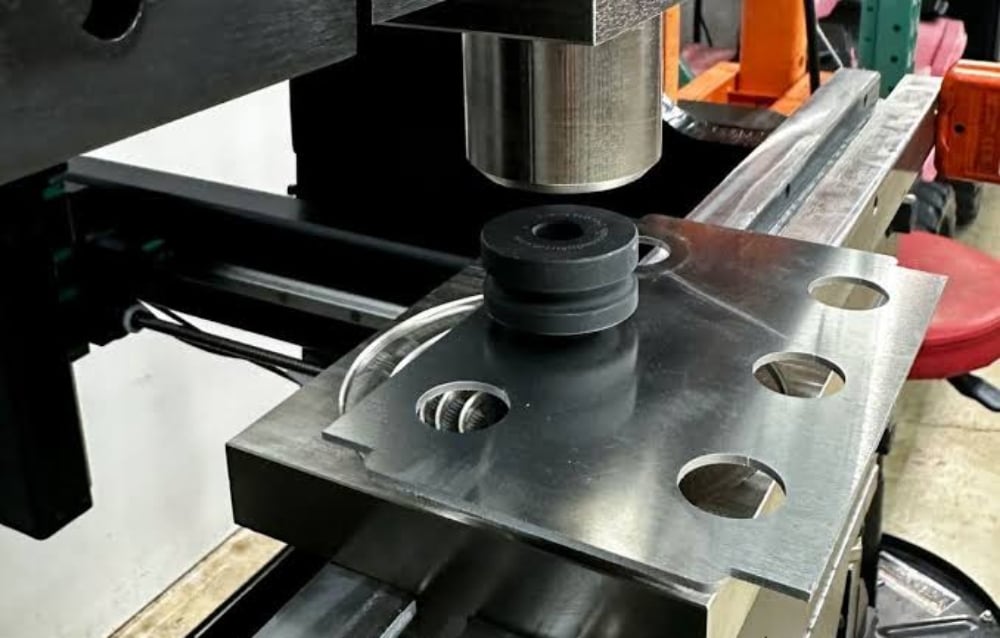
The primary factor influencing the price of a punching machine is its tonnage capacity. Tonnage determines the thickness and hardness of the material the machine can process. A 30-ton machine is significantly cheaper than a 50-ton or 80-ton unit because it requires less robust structural steel, smaller hydraulic cylinders, and less powerful motors.
Another critical driver is the type of drive system. Mechanical punching machines are often the most affordable but are limited in terms of stroke control and energy efficiency. Hydraulic punching machines offer better control and are the industry standard for versatility. Servo-electric punching machines, while having the highest initial cost, offer the best energy efficiency, speed, and precision, making them the preferred choice for high-volume, high-precision manufacturers.
The complexity of the tool changer is a major cost component. A machine with a simple single-station punch is far less expensive than one with a 30-station turret that allows for automatic tool indexing. The precision of the indexing mechanism, the number of auto-index stations, and the speed of the tool change all contribute to the final price tag.
Software and control systems also play a significant role. Advanced CNC controllers that support complex nesting, real-time diagnostics, and seamless integration with CAD/CAM software add value. While basic controllers are sufficient for simple parts, high-end controllers reduce programming time and material waste, which justifies the higher upfront investment.
Finally, the brand reputation and geographic origin of the machine influence the price. European and Japanese brands often command a premium due to their long-standing history of precision engineering and support networks. However, manufacturers like HARSLE have bridged the gap by offering high-performance, cost-effective solutions that compete with premium brands by leveraging efficient manufacturing processes and global supply chains.
Configuration Impact
Customization is where the “real price” often shifts from the base model to the final invoice. When you configure a machine, you are essentially paying for the specific capabilities your shop needs. For example, adding a multi-tool station allows a single turret position to hold multiple punches, effectively increasing the tool capacity of the machine without needing a larger, more expensive turret.
Work area size is another configuration factor. A machine with a larger table size allows for processing larger sheets without repositioning, which increases accuracy and speed. However, a larger frame requires more floor space and more expensive structural components, driving up the price. Shops must balance the need for large sheet processing against the actual frequency of such jobs.
Automation options are the most significant configuration add-ons. Adding a sheet loader or an automatic part unloader can double the price of a machine. While this seems like a massive expense, it allows for “lights-out” manufacturing, where the machine runs unattended during off-hours. For shops with high labor costs, this configuration is often the most cost-effective in the long run.
Specialized features like tapping units, marking tools, or forming tools (for louvers, bridges, or hinges) add to the machine’s versatility. Each of these requires specific hardware and software support. If your product line requires these features, they are essential investments, but they should be evaluated based on the expected volume of parts requiring these specific operations.
Hidden Costs
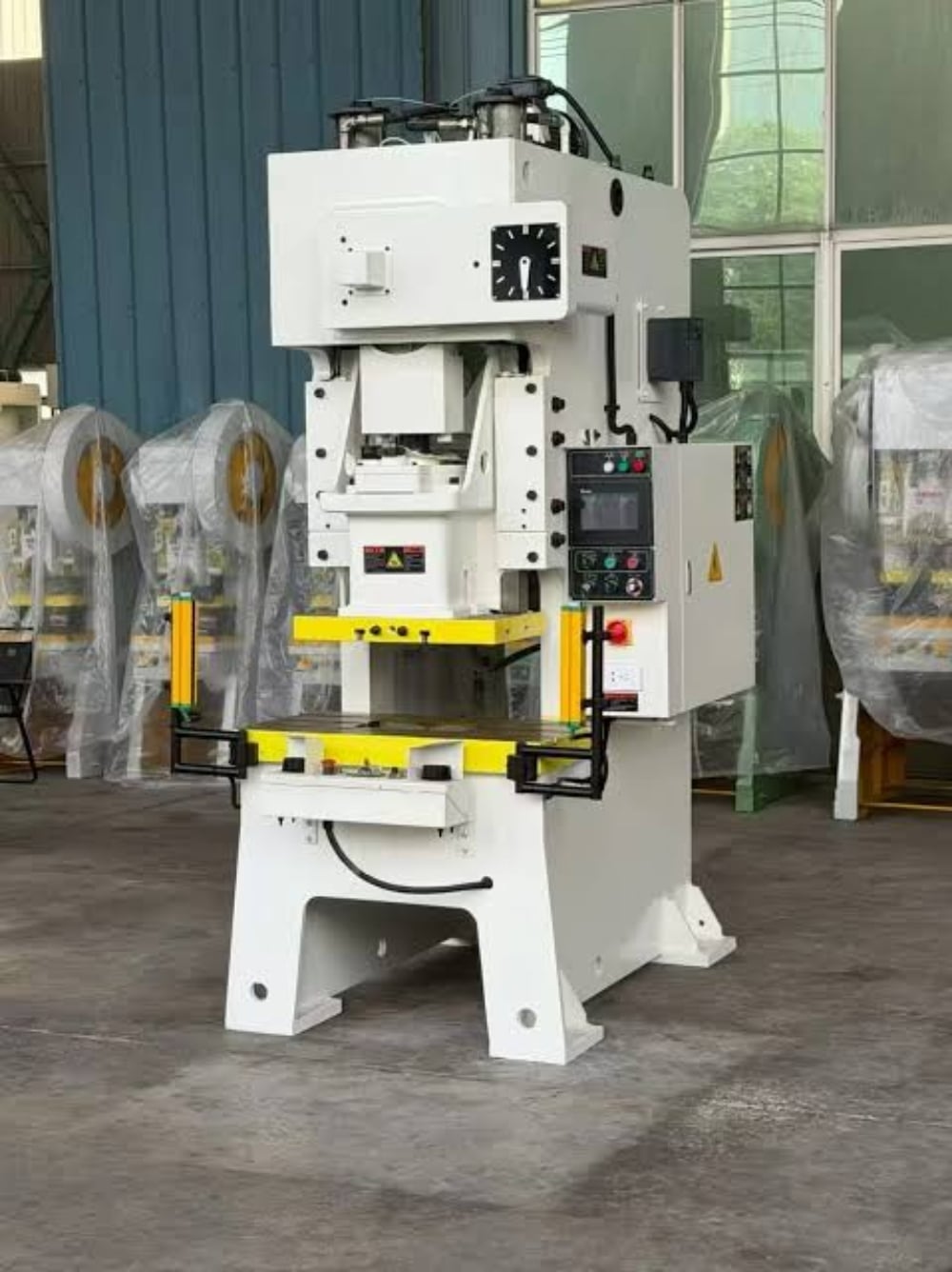
When calculating the real price of a punching machine, many buyers overlook the “hidden” costs of installation and commissioning. Shipping heavy industrial machinery often requires specialized logistics, and the installation process may involve concrete foundation work, electrical upgrades, and pneumatic line installation. These costs can easily add 5% to 15% to the total project budget.
Training is another frequently underestimated cost. A high-tech punching machine is only as good as the operator running it. Investing in comprehensive training for your staff is essential to ensure safety, maximize machine uptime, and prevent premature wear. Many manufacturers include basic training, but advanced programming and maintenance training often come at an extra cost.
Tooling costs are a recurring expense that should be factored into the initial budget. A machine might come with a starter set of tools, but as your production needs evolve, you will need to purchase specialized punches and dies. High-quality tooling lasts longer and produces better parts, so it is a false economy to buy cheap, low-grade tooling that requires frequent sharpening or replacement.
Maintenance and spare parts are the final piece of the puzzle. Every machine requires periodic servicing, including oil changes, filter replacements, and software updates. Furthermore, having a stock of critical spare parts on-site can prevent costly downtime. Always ask the manufacturer for a list of recommended spare parts and the estimated annual maintenance cost before signing the contract.
ROI Calculation
To determine if a punching machine is a sound investment, you must calculate the Return on Investment (ROI). The formula is simple: (Total Gain from Investment – Cost of Investment) / Cost of Investment. However, the variables within this formula are complex. You must account for increased production speed, reduced labor hours, lower material waste, and the ability to take on higher-margin jobs.
Consider the “cost per part” metric. If your current manual process takes 10 minutes per part and a new CNC punching machine takes 1 minute, you are saving 9 minutes of labor per part. If your labor rate is $50/hour, you are saving $7.50 per part. If you produce 10,000 parts a year, that is $75,000 in annual labor savings alone, which could pay for the machine in just two years.
Material utilization is another major ROI factor. Advanced nesting software can reduce scrap rates by 10% to 20%. If your shop spends $200,000 on raw sheet metal annually, a 15% reduction in waste saves you $30,000 per year. When you combine labor savings and material savings, the ROI becomes very compelling.
Finally, consider the opportunity cost. What jobs are you currently turning away because you lack the speed or precision of a modern punching machine? The ability to offer faster turnaround times and higher quality can allow you to charge a premium, further accelerating your ROI. Always perform a 3-year and 5-year projection to see how the machine will support your business growth.
Buying Advice
When searching for the right machine, start by defining your “must-have” specs versus your “nice-to-have” features. Don’t over-buy capacity that you won’t use. If you rarely process material thicker than 3mm, a 50-ton machine is overkill. Focus on the machine’s reliability, the manufacturer’s support network, and the availability of parts.
Request a demo or visit a facility where the machine is currently in operation. Seeing the machine in a real-world environment is far more valuable than reading a brochure. Pay attention to the noise level, the ease of tool changing, and the user-friendliness of the control interface. Ask the current owner about their experience with the machine’s uptime and the manufacturer’s response time to service requests.
Check the warranty and service contract terms. A machine is a long-term asset, and you need to know that the manufacturer will stand behind it. Look for companies that offer remote diagnostics, as this can solve many minor issues without the need for a technician to visit your site, saving you time and money.
Finally, consider the financing options. Many manufacturers offer leasing or installment plans that can help preserve your cash flow. Compare the total cost of financing against the potential ROI to ensure that the monthly payments are comfortably covered by the increased productivity the machine provides.
Часто задаваемые вопросы
- How long does a punching machine last? With proper maintenance, a high-quality industrial punching machine can last 15 to 20 years or more.
- Is it better to buy new or used? New machines offer the latest technology, warranties, and reliability. Used machines are cheaper but carry risks of hidden mechanical issues and lack of support.
- What is the most important spec to look for? Tonnage and table size are the most critical, as they dictate the physical limits of what you can produce.
- How often should I service my machine? Most manufacturers recommend a full service every 1,000 to 2,000 operating hours, or at least once a year.
- Can I use third-party tooling? Yes, most machines are compatible with standard tooling systems, but always verify compatibility with the manufacturer to avoid voiding your warranty.


