
How a Press Brake Upgrade Reduced Material Waste in a Job Shop Environment

Introduction
In the competitive landscape of modern metal fabrication, the difference between a profitable job shop and one struggling with overhead often comes down to material utilization. For many small to medium-sized shops, scrap metal is the silent killer of profit margins. When a shop relies on aging, manual, or imprecise bending equipment, the margin for error is razor-thin. This is why the narrative of how a press brake upgrade reduced material waste in a job shop environment has become a central theme for manufacturers looking to scale their operations.
Material waste is not just about the cost of the raw sheet metal; it encompasses the labor hours spent on re-work, the energy consumed during secondary bending attempts, and the logistical burden of disposing of scrap. By transitioning to modern, CNC-controlled HARSLE press brakes, job shops can achieve a level of repeatability that was previously unattainable. This article explores the technical and operational shifts that occur when a shop modernizes its bending department.
The transition from legacy equipment to high-precision machinery is more than just a capital expenditure; it is a strategic pivot toward lean manufacturing. In this guide, we will analyze the specific mechanisms—ranging from advanced backgauge systems to real-time angle measurement—that allow modern machines to minimize scrap and maximize yield. Whether you are dealing with high-mix, low-volume production or long-run manufacturing, the principles of waste reduction remain the same.
As we delve into the technical details, we will look at how HARSLE’s engineering philosophy addresses the common pain points of job shop managers. From the initial setup to the final part inspection, every stage of the bending process is an opportunity to either create waste or preserve material. By the end of this article, you will understand why upgrading your press brake is one of the most effective ways to improve your bottom line.
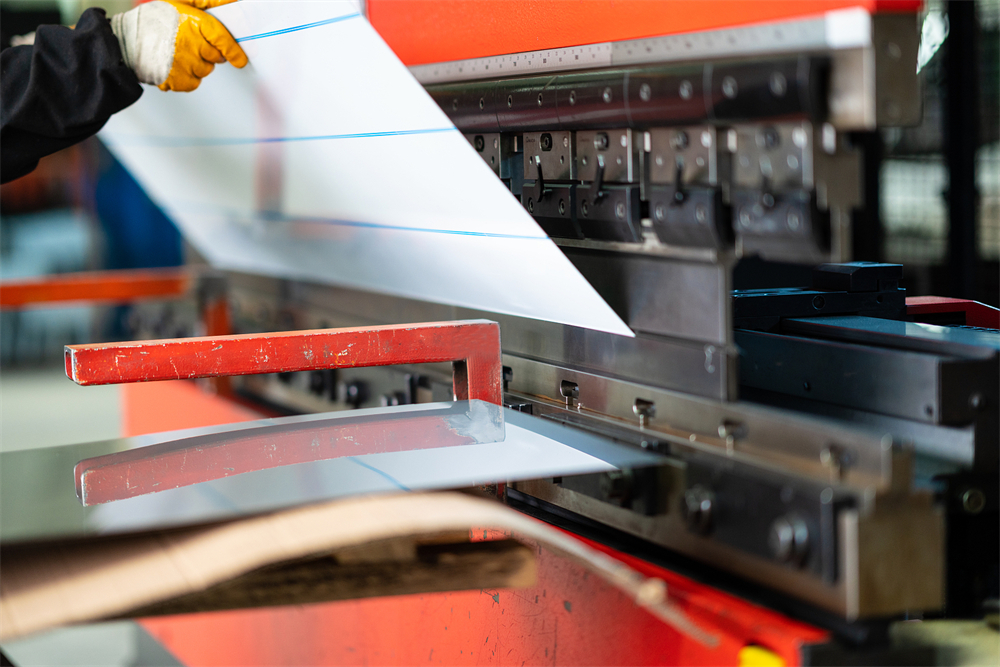
Key Considerations for Job Shop Efficiency
When evaluating the need for a press brake upgrade, the first step is to conduct a thorough audit of your current scrap rates. Many job shops operate under the assumption that a 5-10% scrap rate is “the cost of doing business.” However, with modern CNC technology, that number can often be reduced to under 1%. The key is to identify where the waste is occurring: is it during the setup phase, or is it due to inconsistent bending angles across a production run?
Setup time is a major contributor to material waste. On older machines, operators often perform multiple test bends on expensive raw material to calibrate the machine for a new job. This “trial and error” approach is inherently wasteful. A modern HARSLE press brake utilizes offline programming software, which allows the operator to simulate the entire bending sequence before the metal ever touches the machine. This ensures that the first part off the line is a good part.
Another critical consideration is the skill gap. As experienced operators retire, shops are increasingly relying on less experienced personnel. Modern press brakes are designed with user-friendly interfaces and automated features that compensate for a lack of manual expertise. By automating the crowning and backgauge positioning, the machine ensures that the bending process is consistent regardless of who is operating the console.
Finally, consider the versatility of your equipment. A job shop environment requires the ability to switch between different material thicknesses and bend profiles rapidly. If your current machine requires extensive tooling changes or manual adjustments for every material change, you are losing time and increasing the risk of human error. Upgrading to a machine with quick-change tooling and automated compensation systems is essential for maintaining a lean, waste-free workflow.
Technical Details: How Precision Bending Saves Material
The core of the argument for how a press brake upgrade reduced material waste in a job shop environment lies in the technical advancements of the machine itself. Modern press brakes are equipped with sophisticated CNC controllers that manage the ram position with micron-level accuracy. This level of control ensures that the bend angle is consistent from the first part to the thousandth, eliminating the need for constant manual adjustments.
One of the most significant technical improvements is the implementation of active crowning systems. In older machines, the deflection of the bed and ram under load would cause the bend angle to vary across the length of the part. This often resulted in parts that were out of tolerance, leading to scrap. Modern HARSLE press brakes use hydraulic or mechanical crowning systems that automatically compensate for this deflection, ensuring a uniform bend angle across the entire length of the sheet.
Backgauge technology has also seen massive improvements. Modern systems offer multi-axis control (X, R, Z1, Z2), allowing for complex bending sequences that were previously impossible. By precisely positioning the sheet metal, the backgauge ensures that every bend is perfectly aligned. This precision reduces the likelihood of “drift” during the bending process, which is a common cause of dimensional errors in complex parts.
Furthermore, real-time angle measurement systems, such as laser-based sensors, allow the machine to monitor the bend angle as it happens. If the material exhibits spring-back—a common issue with high-tensile steels—the machine can automatically adjust the ram depth to compensate. This closed-loop feedback system is perhaps the most effective tool for eliminating scrap in a high-precision job shop environment.
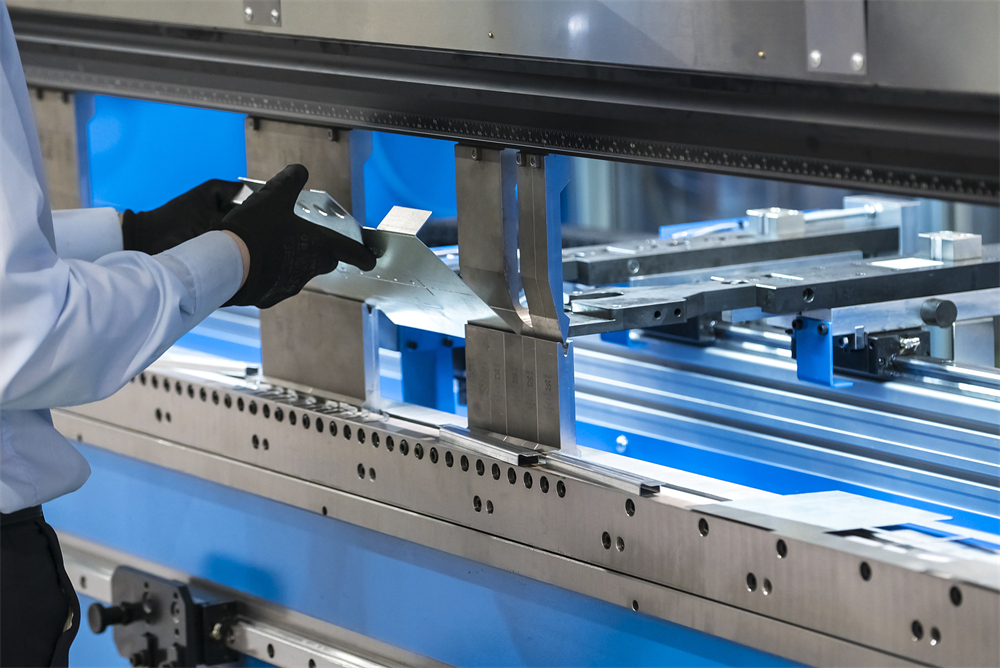
Selection Advice: Choosing the Right HARSLE Press Brake
Selecting the right press brake for your job shop requires a careful analysis of your current and future production needs. You should start by evaluating the material types and thicknesses you process most frequently. If you primarily work with thin-gauge stainless steel, your requirements will be vastly different from a shop that focuses on heavy-duty structural steel. HARSLE offers a wide range of models, from compact electric press brakes to heavy-duty hydraulic machines, each tailored to specific applications.
Consider the level of automation you require. If your shop handles high-volume, repetitive parts, a robotic bending cell might be the ultimate solution for waste reduction. However, for most job shops, a high-end CNC press brake with an intuitive controller is the sweet spot. Look for features like 3D visualization, which allows operators to see the bending sequence in real-time, reducing the risk of collisions and errors.
Don’t overlook the importance of tooling compatibility. A press brake is only as good as the tooling it uses. Ensure that the machine you choose supports standard tooling systems that are readily available. HARSLE provides comprehensive support for various tooling configurations, ensuring that you can tackle any job that comes through your door without needing to invest in proprietary, expensive custom dies.
Finally, factor in the service and support network. A press brake is a long-term investment. You need a partner who can provide training, maintenance, and technical support to keep your machine running at peak performance. HARSLE’s commitment to customer service ensures that your team is fully trained on how to maximize the machine’s capabilities, which is the final piece of the puzzle in reducing material waste.
FAQ: Common Questions About Press Brake Upgrades
- How does a press brake upgrade specifically reduce material waste? By utilizing CNC control, automated crowning, and real-time angle compensation, modern machines eliminate the trial-and-error approach to bending, ensuring high-quality parts on the first attempt.
- Is it difficult to train operators on new CNC press brakes? While there is a learning curve, modern HARSLE controllers are designed with intuitive, icon-based interfaces that make them much easier to learn than older, manual machines.
- Can a new press brake handle different types of materials? Yes, modern controllers allow you to store material libraries, which automatically adjust bending parameters based on the material type, thickness, and tensile strength.
- What is the typical ROI for a press brake upgrade? While it varies by shop, many businesses see a return on investment within 18-24 months due to reduced scrap rates, faster setup times, and increased throughput.
- How often should I perform maintenance on my press brake? Regular maintenance, such as checking hydraulic fluids, cleaning the backgauge, and inspecting tooling, should be performed according to the manufacturer’s schedule to ensure long-term precision.
Conclusion
The journey toward a more efficient job shop is paved with smart technology investments. As we have explored, the impact of how a press brake upgrade reduced material waste in a job shop environment is profound. By moving away from the limitations of legacy equipment and embracing the precision of modern HARSLE press brakes, shops can transform their bending department from a source of waste into a center of profitability.
The combination of advanced CNC controllers, active crowning, and automated backgauging creates a production environment where accuracy is the standard, not the exception. When you reduce scrap, you aren’t just saving on material costs; you are increasing your capacity, improving your delivery times, and enhancing your reputation for quality. In an industry where every millimeter counts, the right equipment is the most valuable asset you can have.
If you are ready to take the next step in optimizing your fabrication shop, consider the HARSLE range of press brakes. With a focus on innovation, reliability, and user-centric design, HARSLE provides the tools you need to stay ahead of the competition. Don’t let material waste hold your business back—invest in the technology that will drive your success for years to come.