How to Set Up a Shearing Machine for Accurate Sheet Metal Cutting: A Comprehensive HARSLE Guide


Technical Overview: Understanding the Shearing Process
In the realm of metal fabrication, the shearing machine stands as a foundational piece of equipment. Whether you are operating a hydraulic guillotine or a swing beam shear, the ability to achieve high-precision cuts is directly tied to your setup procedure. To set up a shearing machine for accurate sheet metal cutting, one must understand the mechanical interaction between the upper and lower blades. The shearing process is essentially a controlled fracture where the material is subjected to compressive and shear forces until it separates.
The accuracy of your final product depends on the rigidity of the machine frame, the sharpness of the blades, and the precision of the backgauge system. HARSLE shearing machines are engineered with high-tensile steel frames to minimize deflection, but even the most robust machine requires meticulous calibration. When the blades are not properly aligned, the material may twist, burr, or deviate from the intended dimensions, leading to costly scrap and rework.
Furthermore, the clearance between the blades is the most critical technical variable. If the clearance is too tight, the machine experiences excessive stress, leading to premature blade wear and potential damage to the hydraulic system. If the clearance is too loose, the material will bend into the gap rather than shearing cleanly, resulting in a poor edge finish and dimensional inaccuracy. Understanding this balance is the first step in mastering your equipment.
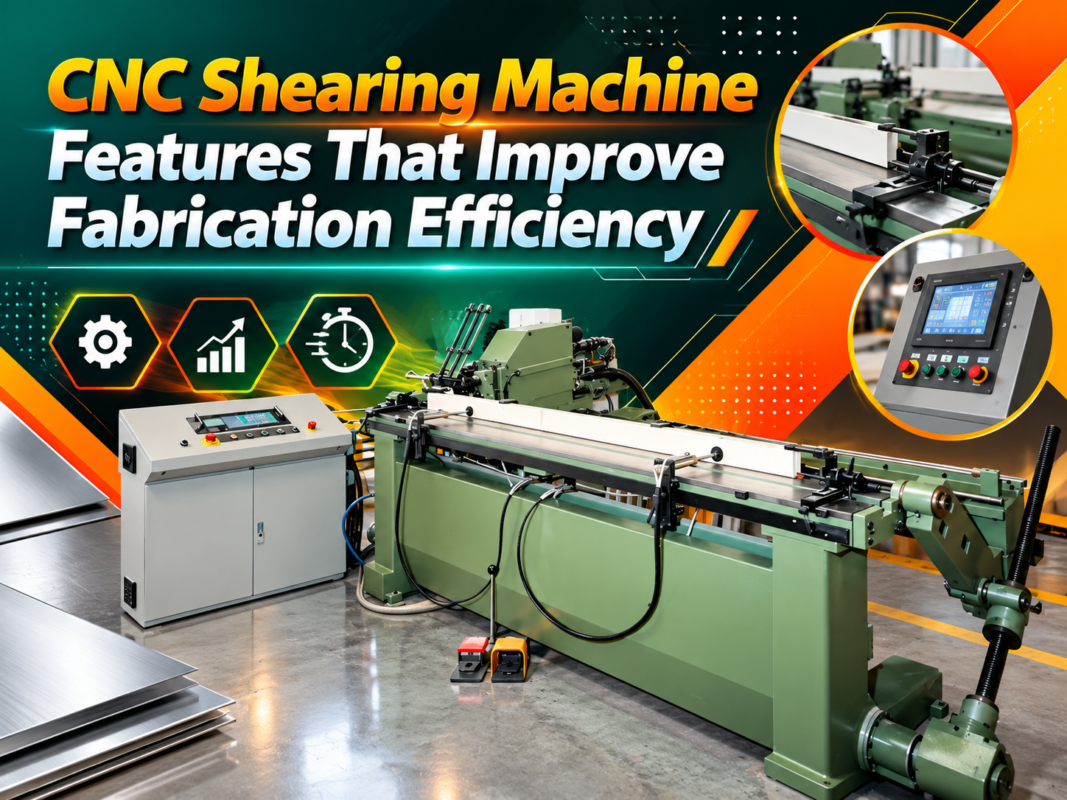
Modern HARSLE machines incorporate CNC controllers that assist in automating these adjustments. However, the operator must still verify the physical settings to ensure the machine is performing within its specified tolerances. This guide will walk you through the essential steps to ensure your shearing operations remain consistent, efficient, and highly accurate across various material types and thicknesses.
Core Parameters for Precision Shearing
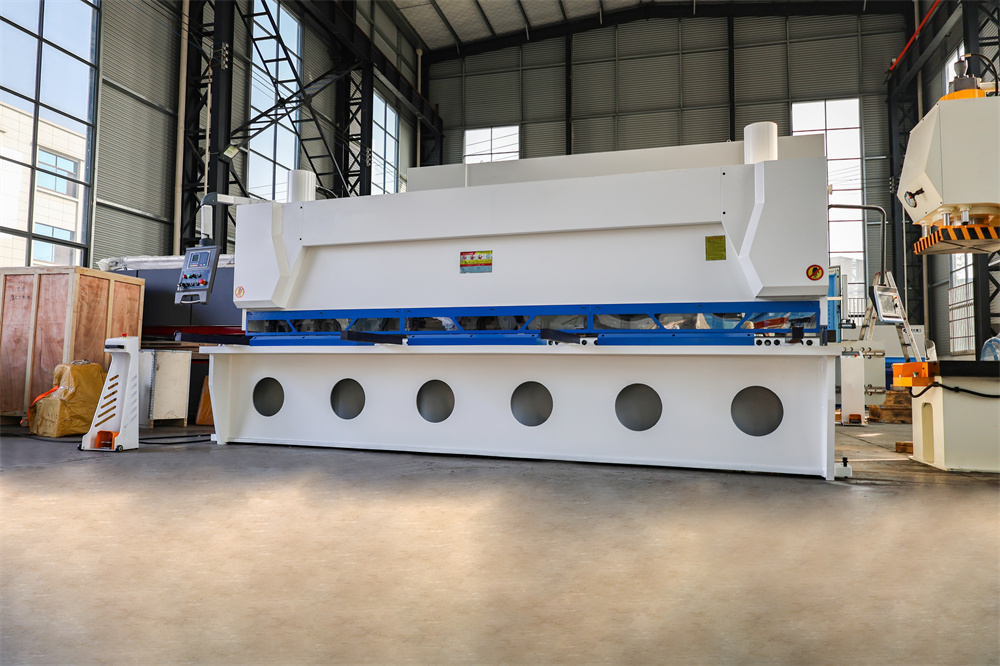
To successfully set up a shearing machine for accurate sheet metal cutting, you must focus on three core parameters: blade clearance, rake angle, and backgauge positioning. Blade clearance is the distance between the cutting edges of the upper and lower blades. This must be adjusted based on the material thickness and the tensile strength of the metal being processed. For thinner sheets, a smaller clearance is required to prevent the material from being pulled into the gap.
The rake angle, or the angle of the upper blade relative to the lower blade, dictates the shearing force distribution. A smaller rake angle is generally preferred for thinner materials to minimize distortion and twisting. Conversely, a larger rake angle is necessary for thicker plates to reduce the total cutting force required, preventing the machine from stalling or experiencing excessive hydraulic pressure. Adjusting this angle is a delicate balance between force management and edge quality.
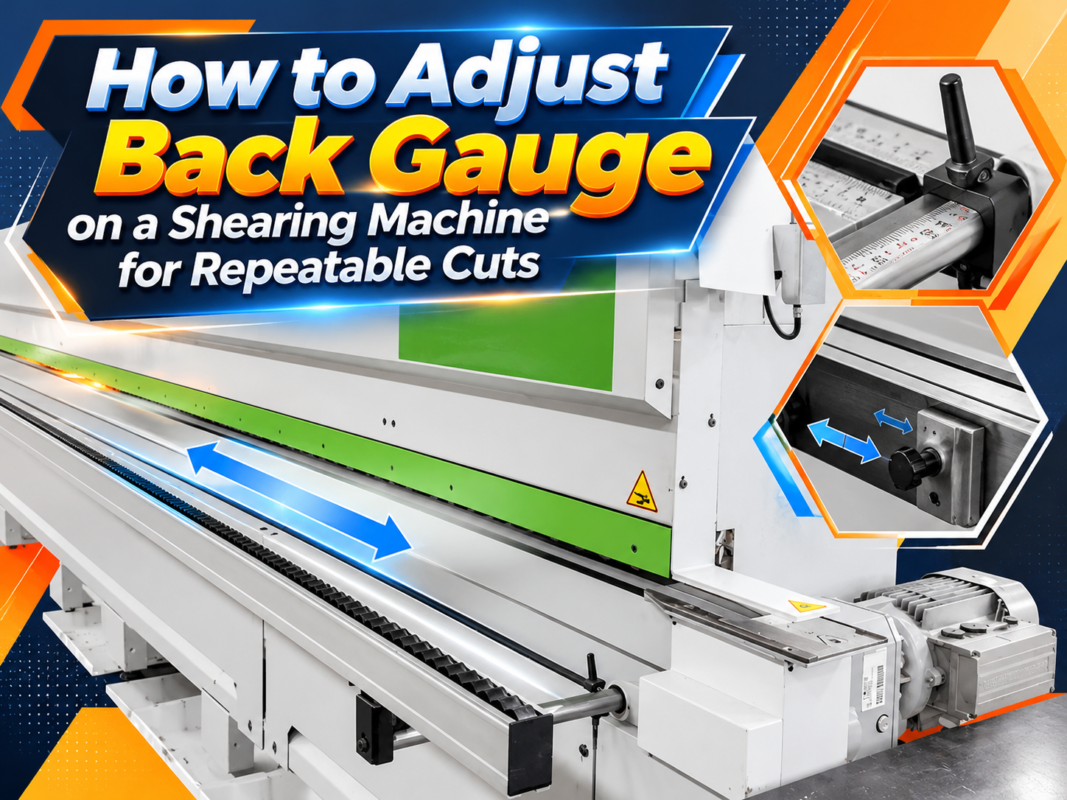
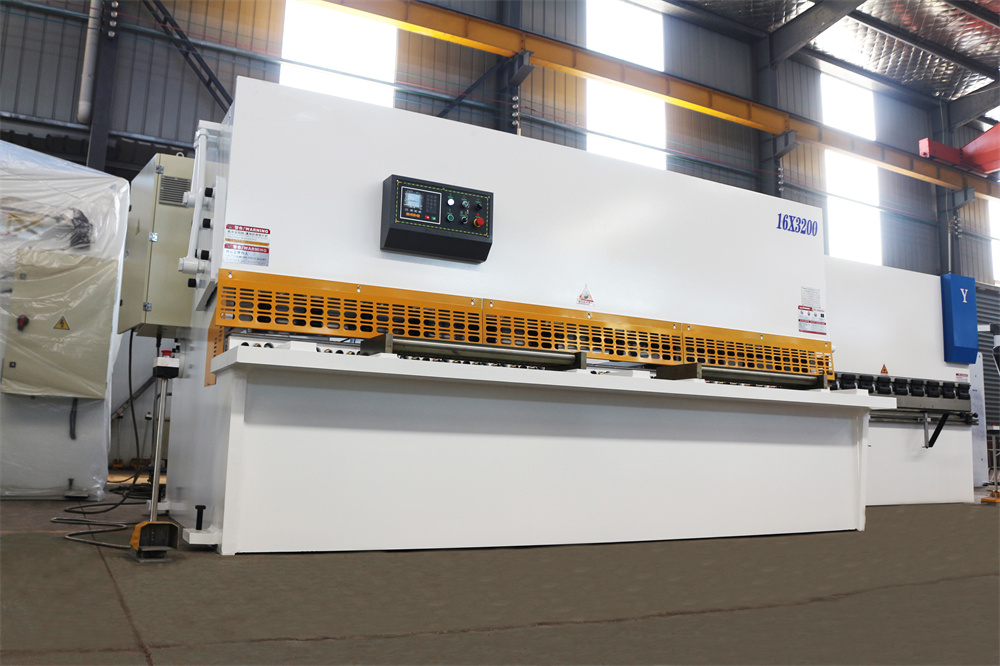
The backgauge system is the final piece of the accuracy puzzle. It acts as the reference point for the sheet metal, ensuring that every cut is made at the exact distance from the edge. Modern backgauges are motorized and controlled by CNC units, but they must be calibrated to the blade line. If the backgauge is not perfectly parallel to the lower blade, the resulting cut will be trapezoidal rather than rectangular.
Finally, the hold-down cylinders play a vital role in accuracy. These hydraulic clamps must exert sufficient pressure to keep the sheet metal flat against the table throughout the entire cutting cycle. If the sheet shifts even a fraction of a millimeter during the stroke, the accuracy of the cut is compromised. Ensuring these cylinders are functioning correctly and applying uniform pressure is a non-negotiable part of the setup process.
Calculation Method for Blade Clearance
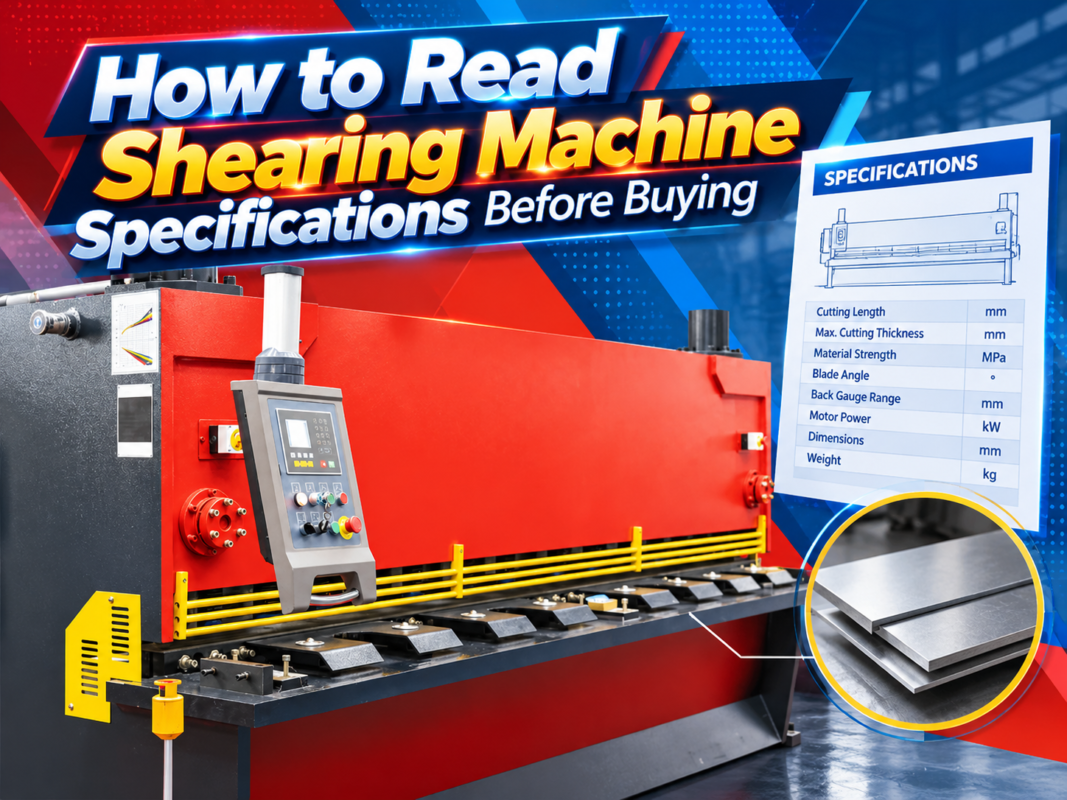
Calculating the correct blade clearance is a technical necessity for any operator. The general rule of thumb for mild steel is to set the clearance at approximately 5% to 10% of the material thickness. For harder materials like stainless steel, this percentage may need to be increased to account for the material’s higher resistance to deformation. HARSLE provides specific charts for each machine model, but the fundamental calculation remains consistent.
To calculate the clearance, first identify the thickness of your sheet metal (T). Multiply T by the material factor (K). For example, if you are cutting 5mm mild steel, and your machine manufacturer recommends a factor of 0.08, your clearance (C) would be 5mm * 0.08 = 0.4mm. This clearance must be set uniformly across the entire length of the blade to ensure consistency from one end of the cut to the other.
It is important to note that as blades wear, the effective clearance changes. Operators should use feeler gauges to verify the clearance at both ends of the machine and at the center. If the clearance is uneven, the machine’s adjustment mechanism must be recalibrated. Never rely solely on the digital readout without performing a physical check, especially when switching between significantly different material thicknesses.
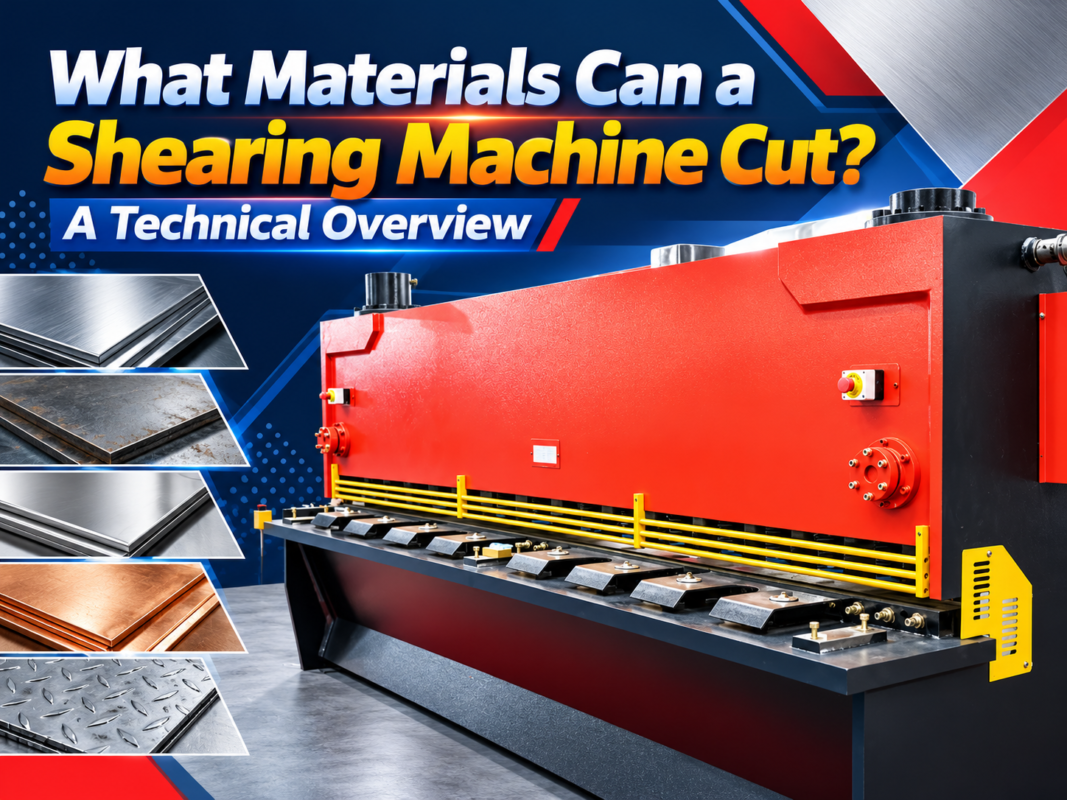
When working with non-ferrous metals like aluminum or copper, the clearance requirements differ due to the material’s ductility. Aluminum, for instance, may require a tighter clearance to prevent the material from ‘smearing’ along the blade edge. Always consult the HARSLE technical manual for your specific machine model to determine the optimal clearance factors for the materials you process most frequently.
Parameter Table for Standard Materials
| Material Type | Thickness (mm) | Blade Clearance (% of T) | Rake Angle (Degrees) |
|---|---|---|---|
| Mild Steel | 1.0 – 3.0 | 5% – 7% | 1.0° |
| Mild Steel | 3.1 – 6.0 | 7% – 9% | 1.5° |
| Stainless Steel | 1.0 – 3.0 | 8% – 10% | 1.2° |
| Stainless Steel | 3.1 – 6.0 | 10% – 12% | 2.0° |
| Aluminum | 1.0 – 5.0 | 4% – 6% | 1.0° |
Common Engineering Mistakes in Shearing
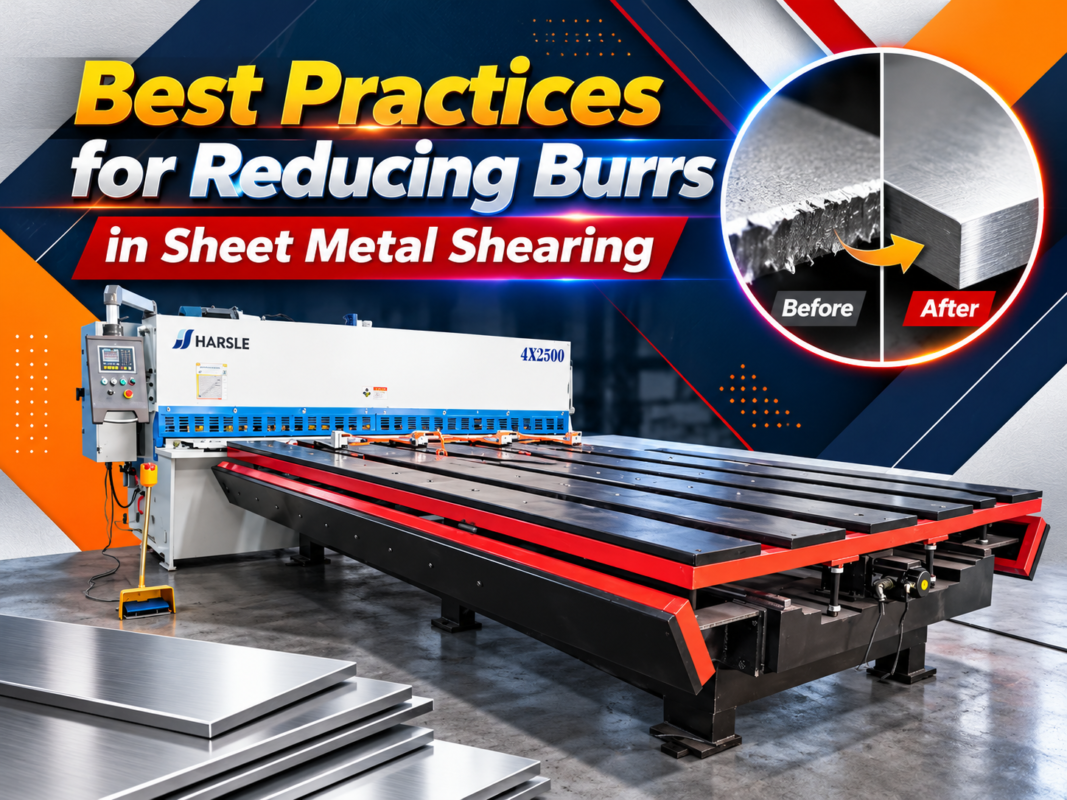
One of the most frequent mistakes operators make is failing to account for blade wear. Over time, the cutting edges become rounded, which effectively increases the clearance even if the machine setting remains unchanged. This leads to burrs on the bottom edge of the cut. Ignoring these burrs not only degrades quality but also increases the force required for subsequent cuts, putting unnecessary strain on the hydraulic pump and cylinders.
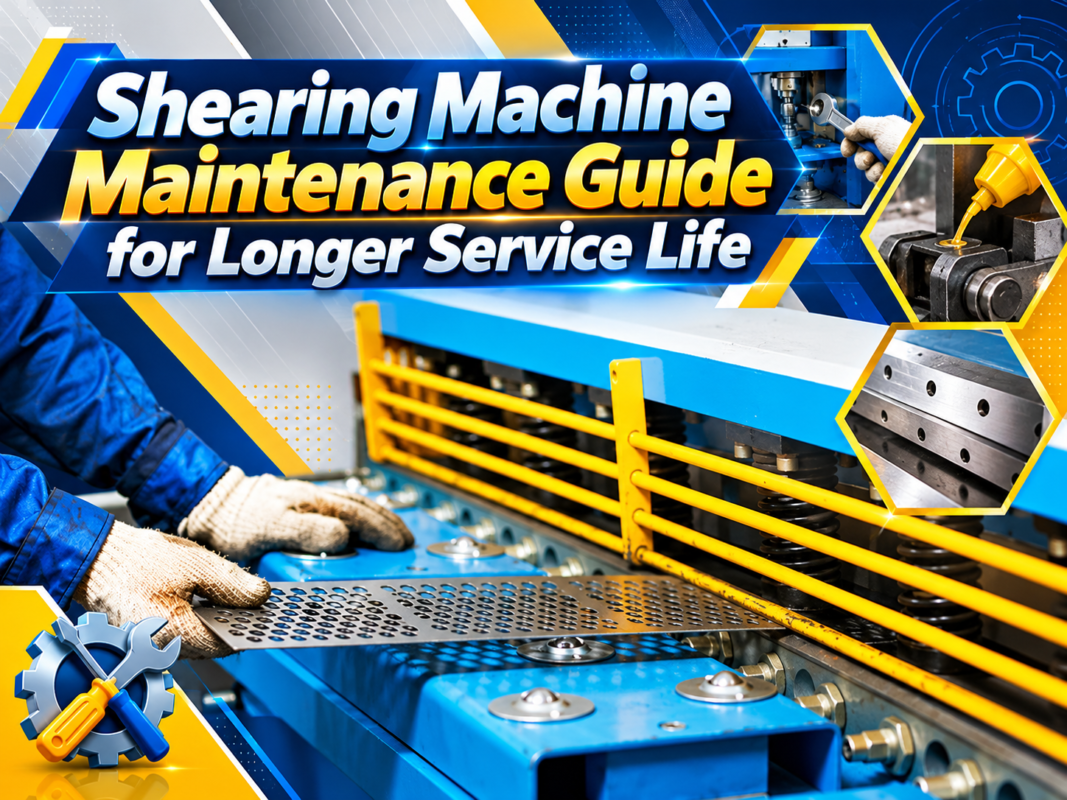
Another common error is neglecting the maintenance of the hold-down cylinders. If one cylinder fails to exert pressure, the sheet will lift during the cut, causing the material to ‘bow’ or ‘twist.’ This is particularly problematic when cutting narrow strips. Operators should perform a visual inspection of the hold-down system before every shift to ensure all cylinders are engaging the material firmly and evenly.
Improper backgauge calibration is a frequent source of dimensional errors. Many operators assume that the CNC controller is always accurate, but mechanical vibrations or minor collisions can cause the backgauge to lose its ‘zero’ position. It is essential to perform a test cut on a scrap piece of material and measure it with a high-precision caliper before proceeding to production runs. If the measurement is off, re-zero the backgauge immediately.
Finally, overloading the machine is a critical mistake. Every shearing machine has a maximum capacity for specific material tensile strengths. Attempting to cut material that exceeds this capacity—or attempting to cut multiple sheets stacked together—can lead to permanent frame deformation or catastrophic blade failure. Always adhere to the HARSLE machine capacity plate and never exceed the rated thickness for the material being processed.
Selection Checklist for Shearing Equipment
When selecting a shearing machine, consider the following factors to ensure long-term accuracy and efficiency:
- Frame Rigidity: Look for a heavy-duty, stress-relieved steel frame that minimizes deflection during the cutting cycle.
- CNC Control System: Ensure the controller is user-friendly and supports automatic blade clearance and rake angle adjustment.
- Backgauge Precision: Opt for a ball-screw driven backgauge with high-repeatability motors for consistent dimensional accuracy.
- Blade Quality: High-carbon, high-chrome tool steel blades are essential for longevity and clean cutting performance.
- Safety Features: Ensure the machine is equipped with light curtains, emergency stops, and rear safety guards to protect operators.
- Hydraulic Components: Reliable hydraulic systems from reputable manufacturers ensure smooth operation and minimal downtime.
- Support and Service: Choose a manufacturer like HARSLE that provides comprehensive technical support, spare parts availability, and operator training.
Frequently Asked Questions (FAQ)
How often should I check the blade clearance?
You should check the blade clearance whenever you change the material thickness or type. For high-volume production, it is recommended to verify the clearance at the start of every shift to account for thermal expansion and blade wear.
What causes burrs on the edge of the cut?
Burrs are typically caused by excessive blade clearance or dull blades. If the clearance is too large, the material is bent rather than sheared. If the blades are dull, they fail to penetrate the material cleanly. Check both and sharpen or replace blades as necessary.
Can I cut multiple sheets at once?
While some machines allow for stacking, it is generally discouraged for high-precision work. Stacking sheets can lead to uneven pressure from the hold-downs and inconsistent clearance, resulting in poor edge quality and potential damage to the blades.
How do I calibrate the backgauge?
Calibration involves cutting a test piece, measuring it accurately, and updating the offset value in the CNC controller. Consult your HARSLE operation manual for the specific steps to enter the calibration mode on your control panel.
What is the importance of the rake angle?
The rake angle determines how the cutting force is applied. A lower angle is better for thin, delicate materials to prevent distortion, while a higher angle helps the machine cut through thicker, tougher materials by spreading the force over a longer duration.
Why does my material twist during the cut?
Twisting is often caused by an incorrect rake angle or insufficient hold-down pressure. Ensure your rake angle is set appropriately for the material thickness and that all hold-down cylinders are functioning correctly to keep the sheet flat against the bed.