
Hydraulic Press Brake Price Guide: Budget, Mid-Range, and Premium Options


Price Range Overview: Understanding the Investment
Investing in a hydraulic press brake is one of the most significant capital expenditures for a metal fabrication facility. The hydraulic press brake price varies drastically based on tonnage, bending length, automation levels, and control sophistication. For shop owners, understanding these tiers is essential to balancing immediate cash flow with long-term production requirements.
Budget-tier machines typically range from $15,000 to $40,000. These units are often entry-level, manual, or semi-automatic systems designed for smaller job shops or secondary production lines. They prioritize simplicity and durability over high-speed automation, making them ideal for businesses with lower production volumes or those just starting their fabrication journey.
Mid-range hydraulic press brakes generally fall between $45,000 and $120,000. These machines represent the sweet spot for most growing fabrication businesses. They often feature CNC controllers, multi-axis backgauges, and improved hydraulic synchronization. This tier offers a balance of precision, speed, and reliability, allowing shops to handle more complex geometries and tighter tolerances without the extreme cost of high-end automation.
Premium-tier systems can exceed $150,000 and often reach well into the $300,000+ range. These are high-performance, fully automated cells equipped with advanced features like automatic tool changers, laser angle measurement, and high-speed servo-electric or advanced hydraulic systems. These machines are designed for high-volume, lights-out manufacturing environments where precision and throughput are the primary drivers of profitability.
Understanding these price brackets is not just about the sticker price; it is about aligning the machine’s capabilities with your specific shop floor needs. A premium machine in a low-volume shop is an inefficient use of capital, while a budget machine in a high-precision aerospace facility will likely lead to excessive scrap rates and production bottlenecks.
Ultimately, the hydraulic press brake price is a reflection of the technology integrated into the frame. As you move from budget to premium, you are paying for increased repeatability, reduced setup times, and enhanced operator safety features. Evaluating your current and projected workload is the first step in determining which price tier fits your business model.
Main Cost Drivers: What Influences the Price?
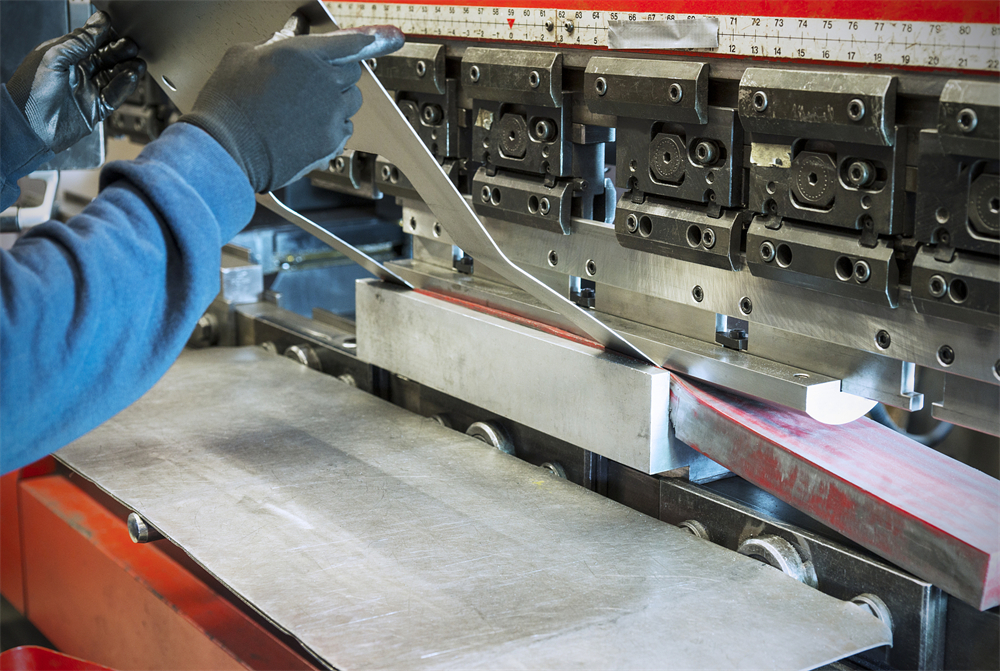
Several technical specifications act as primary cost drivers for hydraulic press brakes. The most obvious is tonnage and bending length. A 100-ton machine with a 3-meter bed will naturally cost significantly less than a 500-ton machine with a 6-meter bed. The physical size and the structural integrity required to handle higher forces necessitate more steel, larger hydraulic cylinders, and more robust frames, all of which drive up manufacturing costs.
The control system is another major factor. A basic NC controller that only manages the backgauge and depth stop is significantly cheaper than a full 3D CNC controller that simulates bending sequences, manages tool libraries, and integrates with CAD/CAM software. Advanced controllers reduce programming time and minimize operator error, which justifies the higher price point for many shops.
Hydraulic synchronization and crowning systems are critical for precision. Budget machines may use mechanical synchronization, which is reliable but less flexible. Mid-range and premium machines utilize electronic proportional valves and CNC-controlled crowning systems to ensure the bending angle remains consistent across the entire length of the workpiece. These systems require sophisticated sensors and software, adding to the total hydraulic press brake price.
The quality of the backgauge is often overlooked but is a major cost driver. A simple one-axis backgauge is inexpensive, but modern fabrication often requires 4-axis, 6-axis, or even 8-axis backgauges. These allow for complex, multi-stage bending without manual repositioning, drastically increasing throughput. The precision of the ball screws and the speed of the servo motors in the backgauge directly correlate to the machine’s price.
Safety features also play a role in the final cost. While all reputable manufacturers include basic safety guards, premium machines often come equipped with laser light curtains, advanced safety PLCs, and integrated camera systems that monitor the bending zone in real-time. While these add to the upfront cost, they are essential for reducing insurance premiums and protecting your most valuable asset: your operators.
Finally, the brand reputation and support infrastructure influence the price. Established manufacturers like HARSLE invest heavily in R&D, quality control, and global service networks. When you purchase from a reputable brand, you are paying for the peace of mind that comes with reliable parts availability, technical support, and a machine that will hold its resale value over time.
Configuration Impact: Customization vs. Standard
When considering the hydraulic press brake price, you must distinguish between standard configurations and custom builds. Standard machines are mass-produced, which keeps costs lower. These machines are designed to handle a wide variety of common bending tasks and are perfect for general-purpose fabrication shops that need a versatile workhorse.
Custom configurations, however, allow you to tailor the machine to specific applications. For example, you might require a deeper throat depth to accommodate large, bulky parts, or a specific tool clamping system (like hydraulic or pneumatic clamping) to reduce setup times. While these customizations improve efficiency, they also increase the manufacturing complexity and, consequently, the price.
Tooling is another configuration aspect that impacts the total investment. While the machine itself is the primary cost, high-quality hardened and ground tooling is essential for precision. Many buyers make the mistake of budgeting only for the machine and neglecting the cost of specialized dies and punches. Investing in a quick-change tooling system can save hours of setup time per week, making it a high-ROI configuration choice.
Automation options are the most significant configuration variables. You can start with a standard machine and add features like sheet followers, which support large, heavy sheets during the bending process, preventing operator fatigue and improving safety. These add-ons can be integrated at the factory or, in some cases, retrofitted later, though factory-integrated solutions are generally more robust.
Energy efficiency features are becoming increasingly important. Some premium hydraulic press brakes utilize variable frequency drives (VFDs) or servo-hydraulic systems that only consume power when the ram is in motion. While these machines have a higher initial hydraulic press brake price, the long-term energy savings can be substantial, especially in high-volume production environments.
Ultimately, the configuration you choose should be driven by your “bottleneck” processes. If your current bottleneck is setup time, prioritize quick-change tooling and advanced CNC controls. If your bottleneck is material handling, look into sheet followers or automated loading/unloading systems. Matching the configuration to your specific production challenges is the key to a successful investment.
Hidden Costs: Beyond the Sticker Price
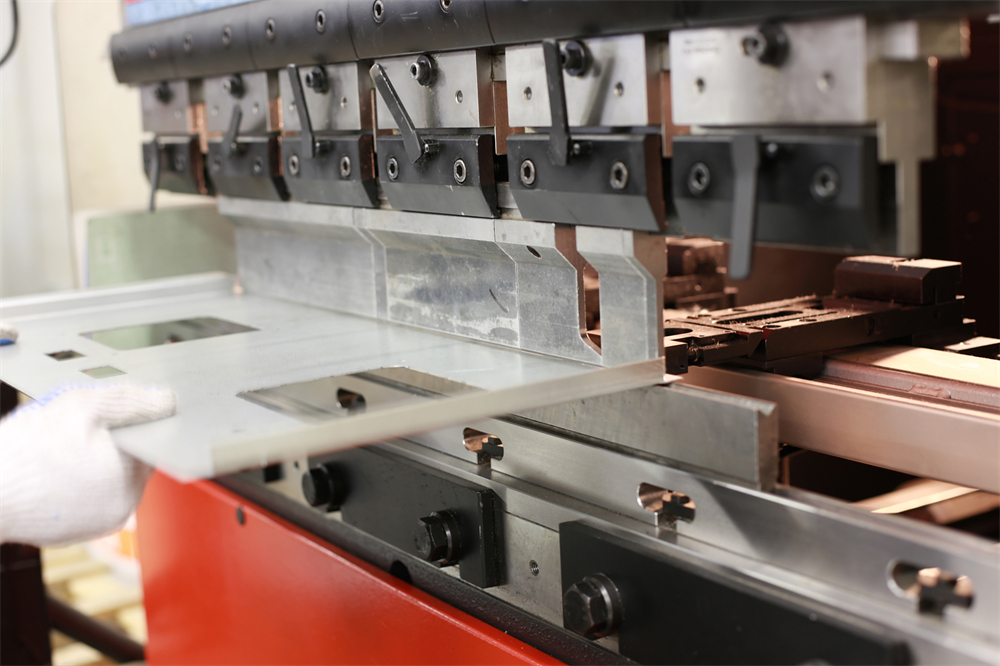
When calculating the hydraulic press brake price, many buyers focus solely on the purchase price and forget about the total cost of ownership. Installation and commissioning are the first hidden costs. Depending on the machine size, you may need to pour a specialized concrete foundation, arrange for heavy-duty rigging, and hire certified electricians to handle the power requirements.
Training is another critical, often underestimated cost. A sophisticated CNC press brake is only as good as the operator using it. You must budget for professional training to ensure your team can maximize the machine’s capabilities, program complex parts, and perform routine maintenance. Neglecting training leads to underutilized machines and increased scrap rates.
Maintenance and consumables are ongoing expenses. Hydraulic oil, filters, seals, and tool wear are all part of the operational cost. Premium machines may have longer service intervals, but when they do require service, the parts can be more expensive. It is essential to review the manufacturer’s recommended maintenance schedule and the availability of local service technicians before finalizing your purchase.
Software and licensing fees can also add up. If your machine requires proprietary CAD/CAM software for offline programming, you may face annual subscription costs or one-time licensing fees. While offline programming is a massive productivity booster, it is a cost that must be factored into your budget.
Energy consumption should be calculated over the machine’s expected lifespan. A machine that runs 24/7 will have a significantly different energy profile than one that runs for four hours a day. Consider the power requirements and the efficiency of the hydraulic system when comparing different models.
Finally, consider the cost of downtime. If your production relies on a single press brake, a machine failure can halt your entire operation. The cost of spare parts availability and the manufacturer’s response time for service calls are hidden factors that can have a massive impact on your bottom line. Always prioritize brands that offer robust local support.
ROI Calculation: Justifying the Investment
Calculating the Return on Investment (ROI) for a hydraulic press brake requires looking at more than just the purchase price. Start by analyzing your current labor costs. If a new machine can reduce setup times by 50% or allow for one-person operation instead of two, the labor savings alone can often justify the investment within a few years.
Next, consider the reduction in scrap rates. Older, less precise machines often lead to trial-and-error bending, which wastes expensive raw material. A modern CNC press brake with high repeatability ensures that the first part is a good part, significantly reducing material waste and improving your profit margins on every job.
Throughput is another major ROI driver. If your current machine is a bottleneck, you are losing potential revenue because you cannot meet customer demand. A faster, more automated machine allows you to take on more work, increase your capacity, and improve your delivery times, which can lead to more repeat business and higher customer satisfaction.
Consider the “value-add” capabilities. A more advanced press brake may allow you to perform complex bends that your competitors cannot, enabling you to charge a premium for your services. This competitive advantage is difficult to quantify but is often the most significant long-term benefit of investing in high-end equipment.
To calculate the ROI, use the following formula: (Annual Savings + Additional Profit from Increased Capacity) / Total Investment Cost = ROI. Be sure to include the cost of financing, as interest rates will impact your total expenditure. Many shops find that the tax benefits of capital equipment depreciation further improve the ROI, making the investment even more attractive.
Finally, remember that a high-quality press brake is a long-term asset. Unlike computers or software that become obsolete in a few years, a well-maintained hydraulic press brake can remain productive for decades. When you factor in the resale value, the total cost of ownership becomes much more manageable, reinforcing the wisdom of investing in quality from the start.
Buying Advice: A Checklist for Success
Before you start contacting suppliers, define your requirements clearly. What is the maximum thickness and length of the material you bend? What are the most common bend angles? Do you need to bend complex, multi-stage parts? Having a clear understanding of your needs will prevent you from over-buying or under-buying.
Research the manufacturer’s support network. A cheap machine is not a bargain if you have to wait weeks for a spare part or if there is no one to call when the controller throws an error. Look for companies with a strong local presence, authorized dealers, and a reputation for excellent customer service.
Ask for references. Don’t just take the manufacturer’s word for it. Ask to speak with other shop owners who have purchased the same model. Ask them about the machine’s reliability, the ease of programming, and the quality of the support they received after the sale.
Evaluate the controller interface. The best machine in the world is useless if your operators find it impossible to program. Ask for a demo or a trial of the software. Many manufacturers offer offline programming software that you can test on your own computer to see if it fits your workflow.
Consider the future. Your business will grow, and your needs will change. Does the machine have the capacity to handle larger or thicker materials if your business pivots? Can you add automation features later? Choosing a machine that can scale with your business is a smart strategic move.
Finally, don’t ignore the “human factor.” Your operators are the ones who will be using the machine every day. Involve them in the decision-making process. If they are comfortable with the interface and the machine’s operation, they will be more productive and take better care of the equipment, leading to a longer, more profitable machine life.
FAQ: Common Questions About Press Brake Pricing
- Q: Why is the hydraulic press brake price so different between brands?
A: Price differences are usually due to the quality of components (valves, pumps, controllers), the rigidity of the frame, the level of automation, and the quality of the manufacturer’s support network. - Q: Is it better to buy a used press brake to save money?
A: Used machines can be a good value, but they come with risks. You may inherit someone else’s maintenance problems, and you won’t have the benefit of a warranty or the latest technology. Always have a professional inspect a used machine before purchasing. - Q: How much should I budget for tooling?
A: A good rule of thumb is to set aside 10-15% of the machine’s purchase price for initial tooling. This ensures you have the necessary punches and dies to start production immediately. - Q: Does the hydraulic press brake price include installation?
A: Usually, no. Installation, rigging, and training are typically quoted as separate line items. Always clarify what is included in the quote before signing a contract. - Q: How often do I need to perform maintenance?
A: Most manufacturers recommend daily, weekly, and annual maintenance tasks. Following the manual strictly is the best way to ensure the machine’s longevity and performance. - Q: Can I upgrade my press brake later?
A: Some features, like backgauge axes or sheet followers, can be added later, but the core machine structure cannot be changed. It is almost always cheaper to buy the features you need upfront than to retrofit them later.












