Hydraulic Press Price List: Compare Manual, Semi-Automatic, and CNC Models


Hydraulic Press Price List: Compare Manual, Semi-Automatic, and CNC Models
Investing in metal fabrication machinery is a significant capital expenditure that requires a deep understanding of the market. When evaluating a Hydraulic Press Price List: Compare Manual, Semi-Automatic, and CNC Models, manufacturers must look beyond the initial sticker price to understand the long-term value, operational efficiency, and production capacity of each machine type. At HARSLE, we provide high-performance solutions tailored to diverse industrial needs, ranging from simple manual operations to complex, fully automated CNC production lines.
The price of a hydraulic press is rarely a flat figure; it is a reflection of the technology, force capacity, bed size, and automation level integrated into the frame. Understanding these variables is essential for procurement managers and shop owners who need to balance budget constraints with the necessity for high-precision output. This guide serves as a comprehensive resource to help you navigate the financial landscape of hydraulic press acquisition.
Price Range Overview
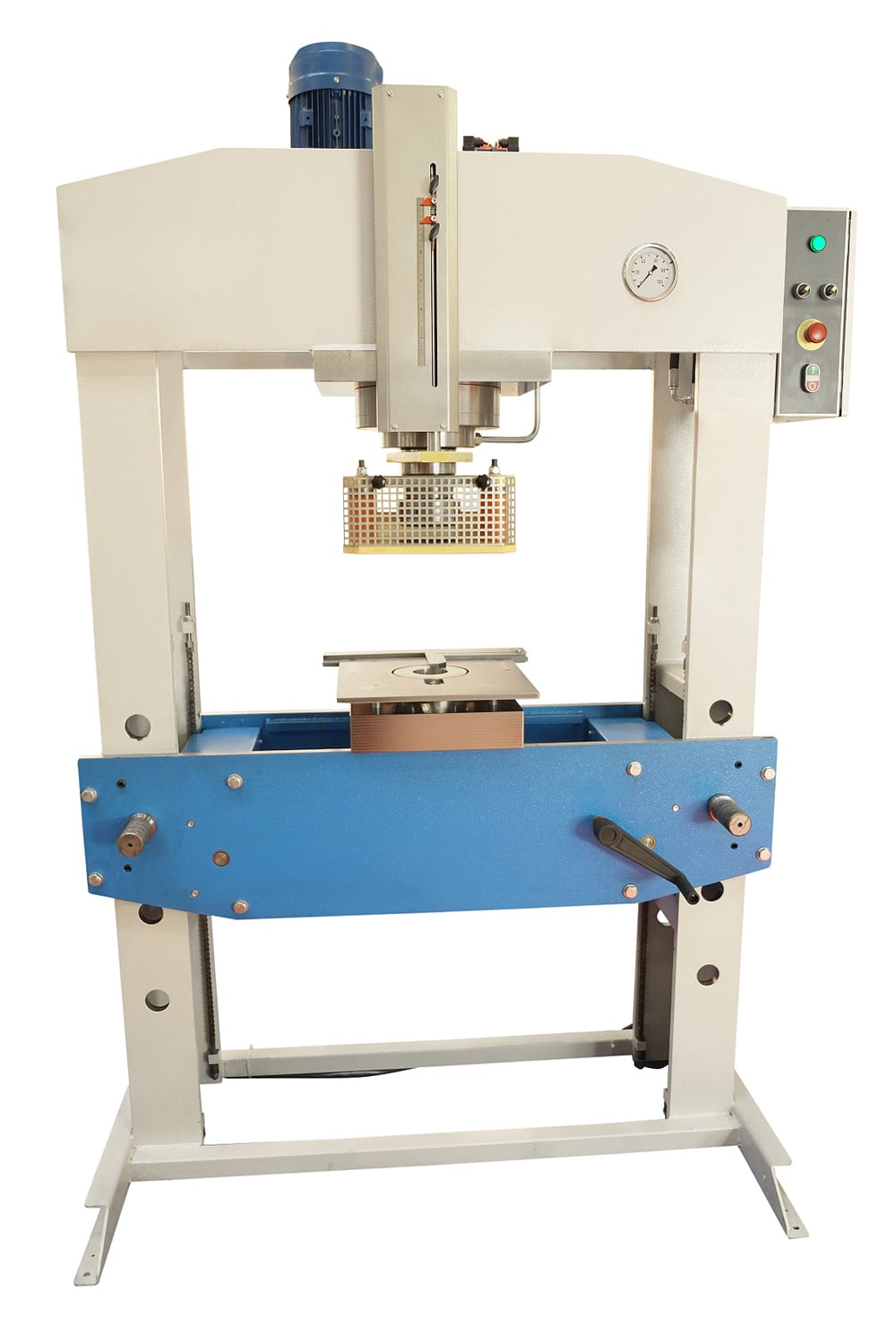
The market for hydraulic presses is segmented by the level of control and automation. Manual hydraulic presses, often used for small-batch prototyping or repair shop tasks, represent the entry-level price point. These machines rely heavily on operator skill and physical input, making them affordable but limited in high-volume production environments. Prices for these units typically range from $5,000 to $20,000 depending on tonnage and frame construction.
Semi-automatic hydraulic presses bridge the gap between manual labor and full automation. These machines often feature programmable logic controllers (PLCs) that manage stroke length, pressure, and dwell time, while still requiring manual loading and unloading of workpieces. The price range for semi-automatic models generally falls between $25,000 and $60,000. They are the preferred choice for mid-sized workshops looking to increase consistency without the heavy investment of a fully robotic cell.
CNC (Computer Numerical Control) hydraulic presses represent the pinnacle of modern metal fabrication. These machines offer high-speed, high-precision performance with minimal operator intervention. Equipped with advanced software, multi-axis control, and automatic tool changing capabilities, CNC presses are priced significantly higher, often starting at $70,000 and reaching well into the six-figure range for custom, high-tonnage configurations. The investment reflects the advanced engineering, software integration, and high-speed hydraulic systems required for modern industrial manufacturing.
Main Cost Drivers
Several technical specifications act as primary cost drivers in the hydraulic press market. The most obvious is the tonnage capacity. A 500-ton press requires a much more robust frame, larger hydraulic cylinders, and more powerful pumps than a 50-ton press. As the force requirement increases, the material costs for the machine structure rise exponentially to ensure structural integrity under extreme pressure.
The size of the bed and the daylight opening also play critical roles in pricing. Larger beds allow for larger dies and more complex parts, but they require precision machining of the bolster plates and ram to ensure uniform pressure distribution. If the bed is not perfectly parallel to the ram, the quality of the finished part suffers. Therefore, larger machines demand higher precision manufacturing processes, which are reflected in the final price.
Hydraulic system components, including pumps, valves, and seals, are the heart of the machine. High-end presses utilize proportional valves and variable displacement pumps that offer energy efficiency and precise control over ram speed and pressure. These components are more expensive than standard on/off valves but provide significant savings in electricity and maintenance costs over the machine’s lifespan. Choosing high-quality hydraulic components is a key factor in the total cost of ownership.
Configuration Impact
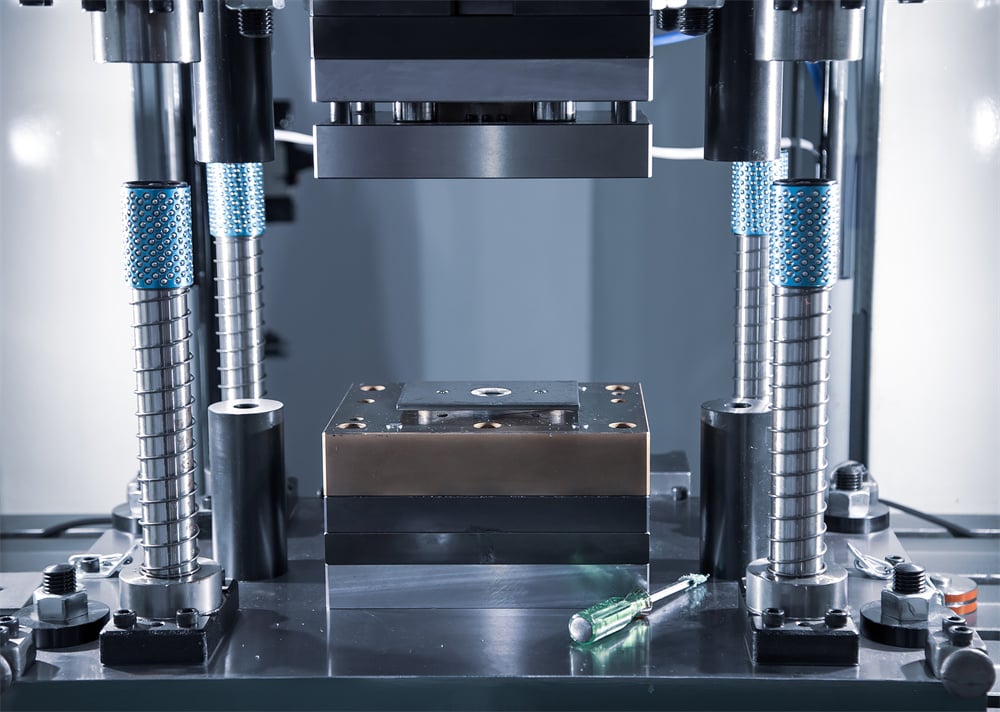
The configuration of your hydraulic press can drastically alter the price. For instance, adding a cushion system for deep drawing applications adds complexity to the hydraulic circuit and the machine frame. Similarly, integrating light curtains, safety interlocks, and dual-palm buttons for operator safety is a non-negotiable cost that varies based on the level of safety compliance required by local regulations.
Automation integration is another major configuration factor. A basic press might be a standalone unit, but many HARSLE clients opt for automated feeding systems, robotic arms, or conveyor belts to move parts in and out of the press. While these additions increase the initial price, they drastically reduce the cycle time and labor costs, which is often the primary goal for high-volume manufacturers. The cost of integrating these systems involves not just the hardware, but also the software programming and testing required to ensure seamless operation.
Furthermore, the choice between a C-frame and a four-column (H-frame) design affects both price and application. C-frame presses offer excellent access to the work area from three sides, making them ideal for manual operations, but they are generally limited in tonnage. Four-column presses provide superior rigidity and are better suited for heavy-duty, high-tonnage applications. The engineering required for a four-column press is more intensive, which is reflected in the price list compared to a standard C-frame model.
Hidden Costs
When reviewing a Hydraulic Press Price List: Compare Manual, Semi-Automatic, CNC Models, it is vital to account for hidden costs that occur after the purchase. Shipping and installation are often the first surprises. Large hydraulic presses require specialized logistics, heavy-duty cranes for unloading, and a reinforced concrete foundation to handle the weight and vibration of the machine. These site preparation costs can add thousands of dollars to the project budget.
Maintenance and tooling are ongoing expenses that must be factored in. Hydraulic oil, filters, and seal kits require regular replacement to keep the machine running at peak efficiency. Additionally, the cost of custom dies and molds can sometimes exceed the cost of the press itself. If you are planning to produce a variety of parts, you must budget for the design and fabrication of these tools, as well as the storage space required for them.
Training is another often-overlooked cost. Operating a CNC hydraulic press requires a different skill set than operating a manual press. You may need to invest in training your staff to use the control software, perform routine maintenance, and troubleshoot common issues. Neglecting training can lead to machine downtime, increased scrap rates, and potential safety hazards, all of which represent significant financial losses over time.
ROI Calculation
Calculating the Return on Investment (ROI) for a hydraulic press involves comparing the total cost of ownership against the projected increase in productivity and profit. For a manual press, the ROI is often realized through low initial capital and versatility. However, the labor cost per part remains high. If your production volume is low, this is a perfectly acceptable trade-off.
For CNC models, the ROI is driven by speed, precision, and reduced scrap rates. By automating the process, you can run the machine for longer shifts with fewer errors. The reduction in labor costs, combined with the ability to take on more complex, higher-margin projects, often allows a CNC press to pay for itself within 18 to 36 months, depending on the volume of work. It is essential to perform a thorough cost-benefit analysis before committing to a high-end machine.
Consider the energy efficiency of the machine as well. Modern hydraulic presses with servo-driven motors consume significantly less power than traditional constant-running pumps. Over a decade of operation, the energy savings alone can account for a substantial portion of the machine’s price. When comparing models, always ask for the energy consumption specifications to ensure you are choosing the most cost-effective solution for your facility.
Buying Advice
Before finalizing your purchase, define your production requirements clearly. Are you doing short runs or long-term mass production? Do you need extreme precision, or is a standard tolerance acceptable? Answering these questions will help you narrow down the options between manual, semi-automatic, and CNC models. Do not over-specify your machine; buying a 500-ton press when you only need 100 tons is a waste of capital and energy.
Always prioritize safety and compliance. Ensure that the manufacturer provides machines that meet international safety standards, such as CE certification. A cheap machine that lacks proper safety features will end up costing you more in liability and insurance premiums. HARSLE prides itself on adhering to the highest safety standards, ensuring that our equipment protects your most valuable asset: your employees.
Finally, consider the support and service provided by the manufacturer. A hydraulic press is a long-term investment, and you need a partner who can provide spare parts, technical support, and maintenance advice for years to come. Check the manufacturer’s reputation, read customer testimonials, and ask about their warranty terms. A reliable manufacturer will stand behind their equipment, giving you peace of mind as you grow your business.
FAQ
- What is the main difference between a manual and a CNC hydraulic press?
A manual press requires the operator to control every movement, whereas a CNC press uses computer software to automate the cycle, ensuring high precision and repeatability. - How much does a standard hydraulic press cost?
Prices vary widely based on tonnage and features, typically ranging from $5,000 for basic manual units to over $100,000 for advanced CNC systems. - What are the hidden costs of buying a hydraulic press?
Hidden costs include shipping, foundation preparation, tooling, operator training, and ongoing maintenance like oil and filter changes. - Is a CNC hydraulic press worth the extra investment?
Yes, if you have high-volume production needs, the increased speed, accuracy, and reduced labor costs provide a faster ROI compared to manual machines. - How often does a hydraulic press need maintenance?
Routine maintenance should be performed every 500 to 1,000 operating hours, depending on the intensity of use and the manufacturer’s recommendations. - Can HARSLE customize a hydraulic press for my specific needs?
Yes, HARSLE offers custom engineering solutions to tailor bed size, tonnage, and automation features to your specific fabrication requirements.