
Laser Cutting Machine Sparks and Burn Marks: What They Mean for Your Production


Introduction
In the precision-driven world of metal fabrication, the performance of your equipment is defined by the quality of the cut. For operators of HARSLE fiber laser cutting machines, the visual cues provided during the cutting process are critical indicators of machine health and process efficiency. Among these, the behavior of sparks and the appearance of burn marks on the workpiece are the most immediate feedback mechanisms available.
Understanding laser cutting machine sparks and burn marks: they mean more than just a byproduct of heat; they are diagnostic tools. When a laser beam interacts with metal, the resulting plasma and molten material ejection create a specific spark pattern. Deviations from the norm—such as excessive sparking, color changes, or irregular burn marks—often signal underlying issues with gas pressure, focal length, or nozzle condition.
This guide explores the technical relationship between laser parameters and cut quality. By learning to interpret these visual signals, operators can minimize scrap rates, extend the lifespan of consumables, and ensure that every piece of metal fabrication equipment in the shop operates at peak performance. Whether you are cutting stainless steel, carbon steel, or aluminum, mastering these visual indicators is essential for professional-grade results.
Key Considerations: Interpreting Spark Patterns
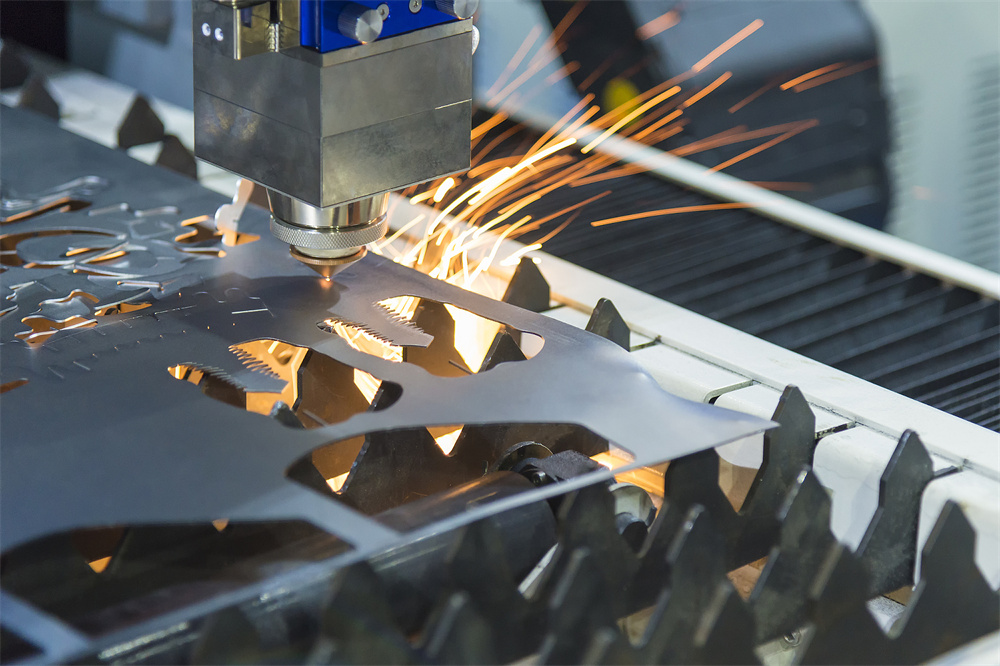
The spark pattern generated during a laser cutting operation is a direct reflection of the combustion process occurring within the kerf. In a stable, high-quality cut, the sparks should flow smoothly downward, exiting the bottom of the plate in a consistent, narrow stream. If the sparks begin to spray upward or scatter erratically, it indicates that the molten material is not being cleared effectively from the cut zone.
When analyzing laser cutting machine sparks and burn marks: they mean the gas flow dynamics are likely compromised. For instance, if the sparks are trailing significantly behind the laser head, it suggests that the cutting speed is too high for the material thickness, or the assist gas pressure is insufficient to blow the molten metal through the kerf. This lag often results in a rough, jagged edge on the underside of the workpiece.
Conversely, if the sparks are concentrated and vertical, the process is generally stable. However, an operator must also watch for color changes in the sparks. Bright, white sparks often indicate high-temperature oxidation, which is common in carbon steel cutting with oxygen. If the sparks turn dark or dull, it may indicate that the laser power is too low or the focus position has shifted, leading to incomplete melting of the material.
Finally, the sound of the sparks can be a secondary diagnostic tool. A sharp, consistent “hissing” sound usually accompanies a clean, high-velocity spark stream. If the sound becomes erratic or “popping,” it often points to nozzle contamination or a blockage in the gas delivery system. Recognizing these patterns early allows for proactive maintenance rather than reactive repairs.
Technical Details: The Science of Burn Marks
Burn marks are not merely aesthetic defects; they are structural indicators of heat-affected zones (HAZ). When a laser cutting machine produces excessive burn marks, it means the thermal energy is not being dissipated correctly. This is particularly common when cutting thin-gauge materials where the heat buildup can cause warping or discoloration of the surrounding metal surface.
The primary cause of unwanted burn marks is often an incorrect focal position. The laser beam must be focused precisely at the correct depth within the material to ensure that the energy density is maximized at the cutting point. If the focus is too high or too low, the beam spreads out, heating a larger area than necessary and creating a wider, scorched kerf. This is a classic example of why understanding laser cutting machine sparks and burn marks: they mean the optical setup requires recalibration.
Assist gas selection also plays a pivotal role in preventing burn marks. Nitrogen is typically used for stainless steel to prevent oxidation, resulting in a clean, silver-colored edge. If burn marks appear on stainless steel, it is a clear sign that the nitrogen purity is low or the pressure is insufficient, allowing oxygen to enter the cut zone and cause oxidation. In such cases, the burn marks are a chemical reaction rather than just thermal damage.
Furthermore, the nozzle distance from the workpiece—known as the standoff distance—must be maintained with extreme precision. If the nozzle is too far from the plate, the assist gas loses its velocity and ability to cool the cut edge, leading to localized overheating. HARSLE machines utilize advanced capacitive height sensing to maintain this distance, but if the sensor is dirty or miscalibrated, the resulting burn marks will quickly indicate a system failure.
Selection Advice: Choosing the Right Equipment
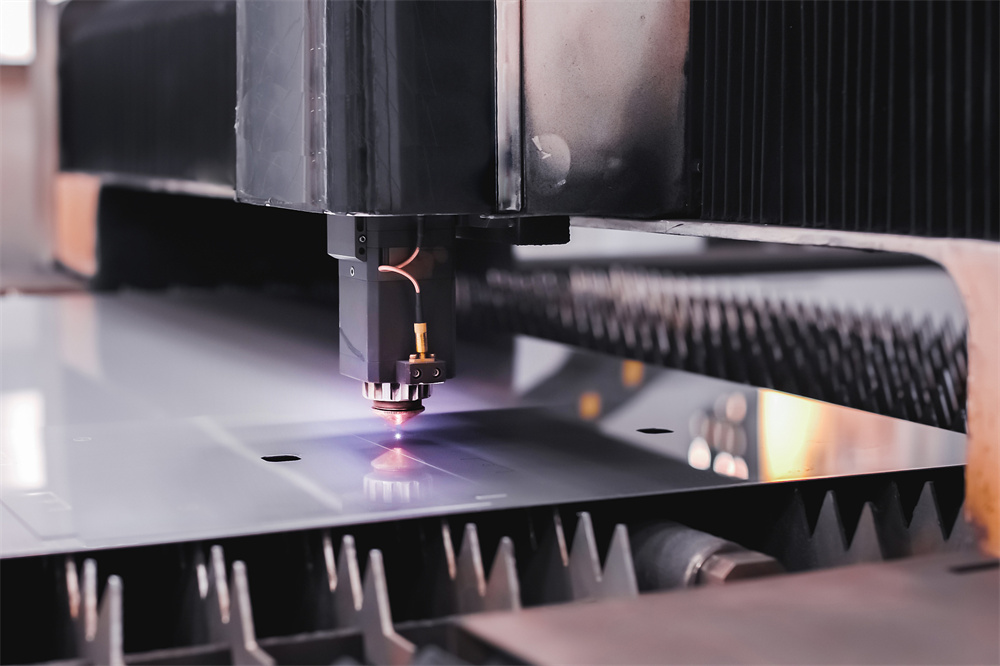
When investing in metal fabrication equipment, the ability of the machine to manage heat and gas flow is paramount. A high-quality fiber laser cutting machine should feature an automated nozzle changer and a sophisticated gas control system that adjusts pressure dynamically based on the material thickness and type. These features are designed to minimize the occurrence of burn marks and ensure consistent spark behavior.
Consider the power output of the laser source. While higher wattage allows for faster cutting, it also requires more precise control over the assist gas to manage the increased heat. If your shop frequently handles thick plates, ensure the machine has a robust cooling system and a high-pressure gas delivery manifold. This prevents the thermal buildup that leads to the burn marks discussed earlier.
Software integration is another critical factor. Modern HARSLE laser systems include advanced nesting and cutting parameter libraries. These libraries are pre-configured to optimize the relationship between laser power, frequency, and gas pressure for various materials. By using these validated settings, operators can avoid the trial-and-error process that often leads to excessive sparking and burning.
Finally, look for machines that offer real-time monitoring of the cutting process. Some advanced systems provide sensors that detect changes in the light intensity of the spark stream. If the spark pattern deviates from the programmed norm, the machine can automatically adjust parameters or alert the operator. This level of automation is essential for maintaining high-quality output in high-volume production environments.
FAQ: Common Questions
- Why do my sparks spray upward during cutting? This usually indicates that the assist gas pressure is too low or the nozzle is partially blocked, preventing the molten metal from being ejected downward.
- What do black burn marks on the edge of stainless steel mean? This is almost always caused by oxidation, meaning your nitrogen assist gas is either contaminated or the pressure is too low to shield the cut.
- How often should I check my nozzle for wear? Nozzles should be inspected daily. Any deformation or slag buildup on the nozzle tip will disrupt the gas flow, leading to inconsistent spark patterns and poor cut quality.
- Can focal length affect burn marks? Yes, an incorrect focal position causes the beam to diverge, heating a wider area and creating excessive heat-affected zones and burn marks.
- Does cutting speed affect spark behavior? Absolutely. If the speed is too fast, the sparks will lag behind the laser head, resulting in a rough edge and potential burrs.
Conclusion
The visual language of a laser cutting machine is a powerful tool for any metal fabrication professional. By paying close attention to the behavior of sparks and the presence of burn marks, operators can diagnose issues before they result in wasted material or machine downtime. Understanding that laser cutting machine sparks and burn marks: they mean specific things about your gas pressure, focal length, and cutting speed is the first step toward mastering your HARSLE equipment.
Regular maintenance, combined with a deep understanding of the physics behind the laser cutting process, ensures that your shop remains productive and competitive. Whether you are troubleshooting a minor quality issue or optimizing your parameters for a new material, remember that the machine is constantly communicating its status through these visual cues. Keep your optics clean, your nozzles in good condition, and your parameters tuned, and you will achieve the precision and quality that modern metal fabrication demands.












