
Why Your Laser Cutting Machine Leaves Burrs and How to Troubleshoot It

Introduction: Understanding the Burr Phenomenon in Laser Cutting
In the high-precision world of metal fabrication, achieving a clean, burr-free edge is the gold standard. However, many operators frequently ask, “Why your laser cutting machine leaves burrs and how to troubleshoot it?” A burr is essentially a small, jagged piece of metal that remains attached to the edge of the workpiece after the cutting process is complete. While minor burrs can sometimes be removed through secondary processes like grinding or tumbling, they represent an inefficiency that increases production costs and lead times.
For HARSLE customers and metal fabrication professionals, understanding the root cause of burr formation is the first step toward optimizing machine performance. Burrs typically occur when the molten metal is not fully ejected from the kerf (the cut gap) during the laser cutting process. This molten material then re-solidifies on the underside of the sheet, creating a sharp, undesirable edge. Whether you are working with carbon steel, stainless steel, or aluminum, the physics of the cut remains consistent, and troubleshooting requires a systematic approach to machine parameters and gas dynamics.
This guide serves as a comprehensive resource for identifying the variables that contribute to poor edge quality. By analyzing the interaction between laser power, cutting speed, gas pressure, and nozzle alignment, you can transform your production line from a source of rework to a model of efficiency. We will explore the technical nuances of fiber laser technology and provide actionable steps to ensure your HARSLE equipment delivers the pristine results your clients expect.
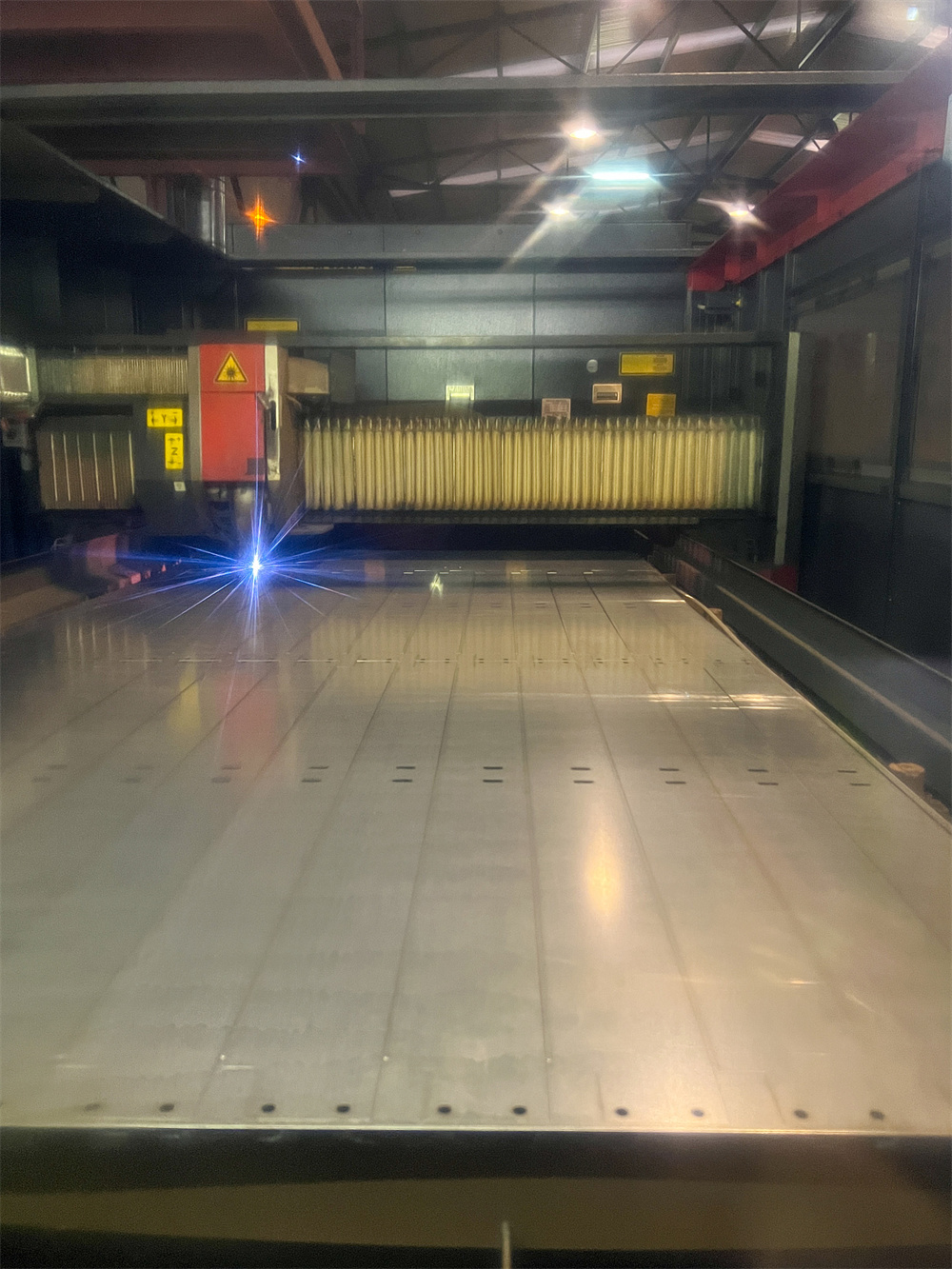
Key Considerations: The Physics of the Cut
To effectively troubleshoot burrs, one must first understand the role of the assist gas. In laser cutting, the assist gas serves two primary functions: it blows the molten metal out of the kerf and protects the lens from debris. If the gas pressure is too low, the molten metal is not expelled with enough force, allowing it to adhere to the bottom of the plate. Conversely, if the pressure is too high, it can cause turbulence, which disrupts the stability of the laser beam and leads to uneven cutting edges.
Another critical factor is the laser cutting speed. If the machine moves too fast, the laser does not have enough time to melt the material completely, leading to a “drag line” effect where the molten metal lags behind the beam and solidifies as a burr. If the machine moves too slowly, the excessive heat input can cause the edges to melt and deform, which also results in a rough, burred finish. Finding the “sweet spot” for speed is essential for high-quality production.
The focal position of the laser beam also plays a significant role. The focal point should be adjusted based on the material thickness and type. If the focus is too high or too low, the energy density at the bottom of the cut is insufficient to maintain the molten state of the metal, resulting in incomplete cutting and burr formation. Regular calibration of the focal position is a standard maintenance task that should never be overlooked.
Finally, the condition of the nozzle and the lens must be considered. A damaged or clogged nozzle will distort the gas flow, creating an uneven pressure distribution around the laser beam. Similarly, a dirty lens can cause the laser beam to scatter, reducing the power density at the point of impact. Maintaining a clean optical path and a pristine nozzle is fundamental to preventing burrs and ensuring the longevity of your HARSLE laser cutting machine.
Technical Details: Troubleshooting Step-by-Step
When you notice that your laser cutting machine leaves burrs, the first step is to check the purity and pressure of your assist gas. For carbon steel, oxygen is typically used, and the pressure must be precisely regulated to ensure a clean chemical reaction. For stainless steel and aluminum, nitrogen is the standard choice to prevent oxidation. If your nitrogen supply is contaminated or the pressure is inconsistent, burrs are almost guaranteed to appear. Always check your gas lines for leaks and ensure your regulators are functioning correctly.
Next, evaluate your cutting parameters against the manufacturer’s recommended charts. Most HARSLE laser cutting machines come with a library of pre-set parameters for various materials and thicknesses. If you are using custom settings, try reverting to the factory defaults to see if the burr issue persists. If the factory settings work, you know the issue lies in your custom parameter adjustments, such as frequency, duty cycle, or peak power settings.
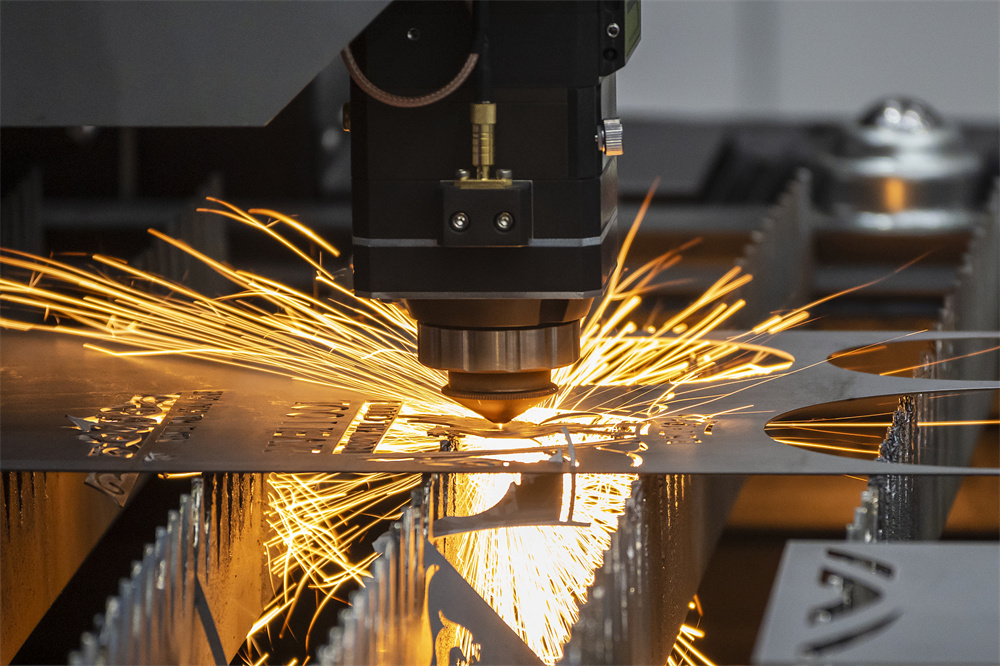
Check the nozzle alignment and centering. If the laser beam is not perfectly centered in the nozzle orifice, the gas flow will be asymmetrical. This creates a “shadow” effect where one side of the cut is clean while the other side is heavily burred. Use a centering tool to verify that the beam passes through the exact center of the nozzle. This simple check can save hours of troubleshooting time and significantly improve edge quality.
Inspect the condition of the protective glass and the focus lens. Over time, metal vapor and debris can accumulate on the protective glass, absorbing laser energy and causing the lens to overheat. This overheating can cause the beam to drift or lose focus. Regularly clean these components with high-quality optical cleaning supplies and replace the protective glass if it shows signs of pitting or clouding. A clear optical path is non-negotiable for high-quality metal fabrication.
Consider the material quality itself. Low-quality steel with high impurity levels or inconsistent thickness can cause the laser to behave unpredictably. If you are using recycled steel or material with heavy rust or scale, the laser’s energy will be absorbed unevenly, leading to burrs. Always source high-quality, clean metal sheets to ensure consistent results and reduce the strain on your laser cutting machine.
Selection Advice: Choosing the Right Equipment
When selecting a laser cutting machine, it is important to consider the power output relative to your typical workload. A machine that is underpowered for the thickness of the material you are cutting will struggle to produce clean edges, leading to constant burr issues. HARSLE offers a range of fiber laser machines with varying power levels, from 1kW to 30kW and beyond. Choosing the right power level ensures that you have enough energy to cut through thick plates cleanly without needing to slow down to a crawl.
Look for machines that feature advanced control systems and automatic nozzle changers. Modern control software can automatically adjust parameters based on the material type and thickness, reducing the likelihood of human error. An automatic nozzle changer ensures that you are always using the correct nozzle size for the job, which is critical for maintaining optimal gas flow and preventing burrs.
Consider the rigidity of the machine frame. A machine that vibrates during operation will produce inconsistent cuts. HARSLE machines are engineered with heavy-duty, stress-relieved frames to minimize vibration and ensure the stability of the laser head. A stable platform is essential for maintaining the precise focal distance required for burr-free cutting, especially at high speeds.
Finally, evaluate the after-sales support and training provided by the manufacturer. Even the best machine will require maintenance and occasional troubleshooting. Having access to expert technical support, comprehensive training manuals, and a reliable supply of spare parts is invaluable. HARSLE is committed to supporting our customers throughout the entire lifecycle of their equipment, ensuring that you can troubleshoot issues quickly and keep your production running smoothly.
FAQ: Common Questions About Laser Cutting Burrs
- Q: Why does my laser cutting machine leave burrs only on the corners?
A: This is often due to the laser slowing down at corners. The heat builds up in the corner, causing the metal to melt excessively. You can adjust your software to reduce power or increase speed at corners to mitigate this. - Q: Does the type of assist gas affect burr formation?
A: Absolutely. Oxygen is reactive and helps burn the metal, which can leave a different type of burr compared to nitrogen, which is inert and relies on high pressure to blow the molten metal away. Ensure you are using the correct gas for your material. - Q: How often should I check my nozzle alignment?
A: It is recommended to check nozzle alignment at the start of every shift or whenever you change the nozzle. It is a quick process that prevents significant quality issues. - Q: Can a worn-out lens cause burrs?
A: Yes. A damaged or dirty lens will scatter the laser beam, reducing the power density at the cutting point. This leads to an incomplete cut and the formation of burrs on the underside of the sheet. - Q: Is it possible to eliminate burrs entirely?
A: With the correct parameters, high-quality material, and a well-maintained machine, you can achieve a “dross-free” or burr-free cut that requires no secondary processing.
Conclusion: Mastering Your Laser Cutting Process
Troubleshooting burrs on your laser cutting machine is a process of elimination. By systematically checking your assist gas, cutting speed, focal position, and optical components, you can identify the source of the problem and implement a permanent solution. Remember that the goal is not just to remove burrs, but to optimize your entire fabrication process for maximum efficiency and quality.
At HARSLE, we understand that your success depends on the reliability and precision of your equipment. We encourage all our operators to invest time in regular maintenance and to stay informed about the latest advancements in laser cutting technology. By following the guidelines outlined in this article, you can ensure that your laser cutting machine remains a powerful asset in your metal fabrication shop, consistently delivering the high-quality parts your customers demand.
If you continue to experience issues despite following these troubleshooting steps, do not hesitate to contact the HARSLE technical support team. Our experts are ready to assist you in diagnosing complex issues and fine-tuning your machine for optimal performance. With the right knowledge and the right partner, you can overcome any challenge in the world of metal fabrication.












