
How to Diagnose and Fix Laser Cutting Machine Maintenance-Related Failures: A Comprehensive HARSLE Guide


Introduction to Laser Cutting Machine Maintenance
In the high-precision world of metal fabrication, the laser cutting machine stands as the backbone of productivity. However, even the most robust HARSLE equipment requires diligent care to maintain its peak performance. When a machine begins to show signs of degradation—whether through inconsistent cut quality, unusual noises, or software errors—operators must know how to diagnose and fix laser cutting machine maintenance-related failures promptly. Downtime is not just an inconvenience; it is a direct hit to your bottom line.
Understanding the lifecycle of your laser cutting machine is the first step toward operational excellence. Maintenance is not merely about cleaning; it is about proactive monitoring of the optical path, the cooling system, and the mechanical drive components. By identifying the root causes of common failures, you can transition from reactive repairs to a predictive maintenance schedule that extends the lifespan of your investment.
This guide serves as a comprehensive resource for technicians and shop owners alike. We will explore the technical nuances of fiber laser systems, the importance of environmental control, and the systematic approach required to troubleshoot complex issues. Whether you are dealing with beam misalignment or cooling system fluctuations, the following sections provide the technical depth needed to keep your production line moving.
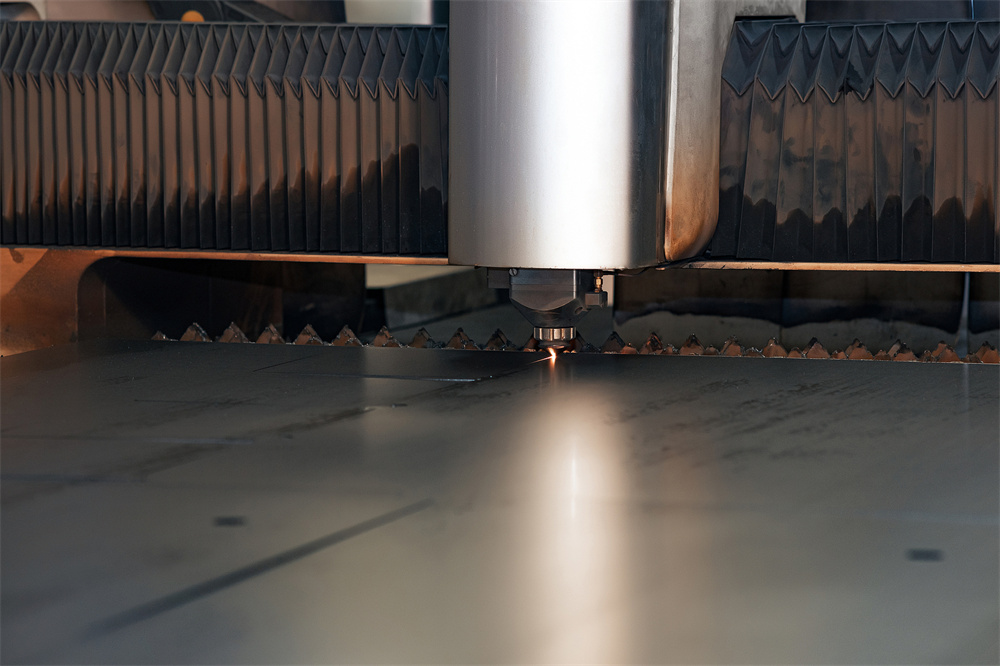
Key Considerations for System Longevity
The environment in which your laser cutting machine operates is the primary determinant of its health. Dust, humidity, and temperature fluctuations are the silent enemies of sensitive optical components. A clean, climate-controlled environment is not a luxury; it is a fundamental requirement for industrial machinery. Ensuring that your facility meets the manufacturer’s specifications for air quality can prevent 70% of common maintenance-related failures before they even begin.
Another critical consideration is the quality of the assist gas. Whether you are using oxygen, nitrogen, or compressed air, the purity of the gas directly impacts the cut edge quality and the longevity of the nozzle and lens. Contaminants in the gas line, such as moisture or oil, can lead to lens fogging, which eventually causes catastrophic damage to the laser head. Implementing high-quality filtration systems is a non-negotiable step for any serious fabrication shop.
Operator training is equally vital. Many maintenance-related failures are actually the result of improper handling or incorrect parameter settings. When operators understand the relationship between laser power, feed rate, and gas pressure, they are better equipped to identify when a machine is struggling. Regular training sessions ensure that the entire team is aligned with the best practices for machine operation and basic troubleshooting.
Finally, documentation is the cornerstone of effective maintenance. Keeping a detailed log of every service interval, part replacement, and software update allows you to spot patterns. If a specific component fails repeatedly, the logs will reveal whether the issue is a faulty part, an environmental factor, or an operational error. HARSLE recommends maintaining a digital or physical logbook for every machine in your facility to streamline the diagnostic process.
Technical Details: How to Diagnose and Fix Laser Cutting Machine Maintenance-Related Failures
When you need to diagnose and fix laser cutting machine maintenance-related failures, the first step is to isolate the problem. Is the issue related to the beam quality, the mechanical movement, or the control software? Start by inspecting the protective window and the focus lens. If the cut quality has suddenly dropped, these components are the most likely culprits. Look for pitting, burn marks, or dust accumulation. If the lens is damaged, it must be replaced immediately to prevent further damage to the laser source.
Next, evaluate the cooling system. Laser cutting machines generate immense heat, and the chiller unit is responsible for dissipating it. If the chiller alarm triggers, check the water flow rate and the temperature settings. Often, the issue is as simple as a clogged filter or a low coolant level. Ensure that the water quality meets the manufacturer’s standards, as mineral buildup can restrict flow and lead to overheating of the laser module.
The mechanical drive system, including the rack and pinion or ball screw, requires regular lubrication. If you notice jerky movements or deviations in the cut path, check for debris in the guide rails. Even a small piece of metal slag can disrupt the precision of the gantry. Clean the rails thoroughly and apply the recommended lubricant. If the issue persists, check the tension of the belts or the alignment of the gears to ensure there is no excessive backlash.
Electrical and software issues can be more elusive. If the machine stops mid-cut or displays communication errors, start by checking the cable connections. Vibration can loosen connectors over time. If the hardware connections are secure, review the software logs for specific error codes. HARSLE machines are equipped with advanced diagnostic software that can pinpoint the exact sensor or module causing the interruption. Always consult the technical manual before attempting to reset or bypass safety interlocks.

Selection Advice: Choosing the Right Maintenance Strategy
Selecting the right maintenance strategy depends on your production volume and the complexity of your fabrication tasks. For high-volume shops, a predictive maintenance approach is ideal. This involves using sensors to monitor vibration, temperature, and power consumption in real-time. By analyzing this data, you can predict when a component is likely to fail and replace it during a scheduled downtime window, rather than waiting for a breakdown.
For smaller shops, a preventive maintenance schedule is more practical. This involves performing routine checks on a weekly, monthly, and quarterly basis. Create a checklist that covers everything from cleaning the optical path to tightening electrical terminals. By adhering to this schedule, you ensure that the machine is always in optimal condition, which significantly reduces the risk of unexpected failures.
When selecting a laser cutting machine, consider the ease of maintenance as a key purchasing factor. Look for machines with modular designs that allow for quick component replacement. HARSLE machines are engineered with the user in mind, featuring accessible panels and intuitive diagnostic interfaces that simplify the maintenance process. A machine that is easy to maintain is a machine that will stay productive for years to come.
Finally, consider the availability of support and spare parts. A machine is only as good as the service behind it. Ensure that your supplier provides comprehensive training, readily available spare parts, and responsive technical support. Investing in a brand that prioritizes customer success will save you countless hours of frustration when you need to diagnose and fix laser cutting machine maintenance-related failures.
Frequently Asked Questions (FAQ)
1. How often should I clean the laser lens?
The frequency of lens cleaning depends on your operating environment and the materials being cut. In a clean environment, a weekly inspection is usually sufficient. However, if you are cutting materials that produce significant smoke or debris, you should inspect the lens daily.
2. Why is my laser cutting machine producing rough edges?
Rough edges are often caused by incorrect focus settings, improper gas pressure, or a worn-out nozzle. Check your nozzle for damage and ensure your focus position is calibrated correctly for the material thickness you are cutting.
3. What should I do if the chiller alarm goes off?
First, check the water level and the water temperature. If the water is too hot, ensure the chiller has adequate ventilation. If the flow rate is low, check for kinks in the hoses or a clogged filter. If the alarm persists, contact your technical support team.
4. Can I use standard lubricants on the machine rails?
No, you should only use the lubricants recommended by the manufacturer. Using the wrong type of grease can attract dust and debris, leading to premature wear of the guide rails and bearings.
5. How do I know if my laser source is failing?
Signs of a failing laser source include a gradual decrease in cutting power, inconsistent beam intensity, or frequent power-related error codes. If you suspect the source is failing, perform a power test using a calibrated power meter and compare the results to the machine’s baseline performance.
Conclusion
Learning how to diagnose and fix laser cutting machine maintenance-related failures is an essential skill for anyone involved in modern metal fabrication. By understanding the mechanical, optical, and electrical systems of your HARSLE equipment, you can ensure consistent quality and maximize your return on investment. Remember that maintenance is not a one-time task but a continuous commitment to excellence.
Start by creating a clean, controlled environment, implement a rigorous maintenance schedule, and never underestimate the value of detailed documentation. When problems do arise, approach them systematically—isolate the issue, consult your technical manuals, and leverage the diagnostic tools provided by your machine. With the right approach, your laser cutting machine will remain a reliable, high-performance asset for your business for years to come.
At HARSLE, we are committed to providing not just the best machinery, but also the knowledge and support you need to succeed. If you ever encounter a failure that you cannot resolve, our team of experts is always ready to assist. Keep your machines running, your production lines moving, and your quality standards high.












