
How to Evaluate Laser Cutting Machine Bed Size, Travel, and Material Thickness Capacity: A Comprehensive Guide


Technical Overview: Understanding Laser Cutting Machine Architecture
In the modern metal fabrication landscape, the laser cutting machine stands as the cornerstone of precision and productivity. For manufacturers looking to scale operations, understanding the mechanical architecture—specifically the relationship between bed size, travel range, and material thickness capacity—is paramount. These parameters do not merely dictate the physical footprint of the equipment; they define the operational boundaries of your production facility.
The bed size of a laser cutting machine refers to the physical dimensions of the work surface, while the travel range defines the actual movement limits of the laser head across the X, Y, and Z axes. While these terms are often used interchangeably, they are distinct technical specifications. A machine with a 3000mm x 1500mm bed might have a slightly smaller effective travel range due to safety buffers and mechanical clearance requirements. Understanding this distinction prevents costly errors during the procurement phase.
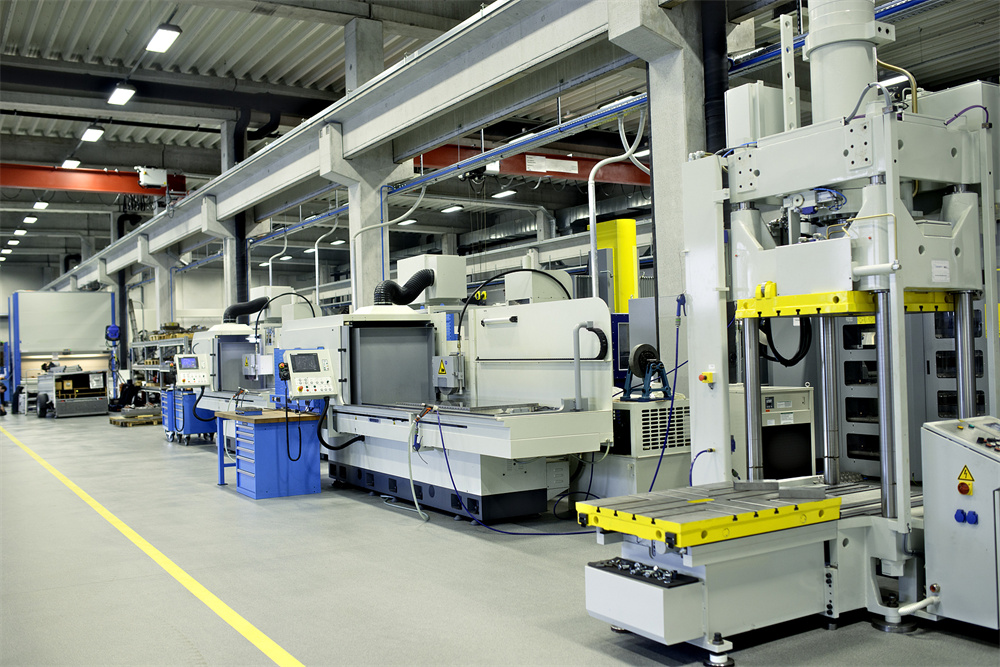
Material thickness capacity, on the other hand, is a function of laser power (measured in kilowatts) and the beam delivery system’s efficiency. As you increase the thickness of the metal, the requirements for gas pressure, nozzle geometry, and focal length shift significantly. Evaluating these three pillars—bed size, travel, and thickness—requires a holistic view of your current product mix and your projected growth over the next five to ten years.
HARSLE emphasizes that selecting a machine based solely on current needs is a common pitfall. A machine that handles your current 6mm mild steel with ease may become a bottleneck if your product line shifts toward 20mm heavy-duty structural components. By analyzing the interplay between these mechanical constraints, fabricators can ensure their investment remains relevant in a rapidly evolving market.
Core Parameters: Defining Your Operational Needs
When you evaluate laser cutting machine bed size, travel, and material thickness capacity, you must first categorize your production requirements. Bed size is primarily driven by the raw material sheet sizes you purchase. Standard sheet sizes like 1250mm x 2500mm or 1500mm x 3000mm are industry norms, but specialized applications may require larger formats, such as 2000mm x 4000mm or even 2500mm x 6000mm, to minimize scrap and optimize nesting efficiency.
Travel range is the second critical parameter. It defines the maximum area the laser head can reach. If your design requires edge-to-edge cutting or complex geometries that span the entire sheet, the travel range must be precisely calibrated to the bed dimensions. A machine with insufficient travel will leave “dead zones” at the edges of the sheet, forcing operators to manually reposition material, which drastically reduces throughput and increases the risk of alignment errors.

Material thickness capacity is directly tied to the fiber laser source power. A 3kW laser is generally sufficient for thin-gauge sheet metal, but if your fabrication shop handles heavy plates (15mm to 30mm+), you must look at 6kW, 12kW, or even 20kW systems. The thickness capacity is not just about the ability to pierce the metal; it is about the quality of the cut edge, the speed of the process, and the thermal impact on the material.
Finally, consider the Z-axis travel. While often overlooked, the Z-axis determines the height clearance for the laser head. If you are cutting pre-formed parts, tubes, or irregular shapes, the Z-axis travel must be sufficient to prevent collisions. This parameter is essential for shops that plan to integrate rotary axes for pipe and tube cutting, as the geometry of these parts requires significantly more vertical clearance than flat sheet processing.
Calculation Method: Matching Capacity to Production
To accurately evaluate laser cutting machine bed size, travel, and material thickness capacity, you should employ a data-driven calculation method. Start by analyzing your historical nesting data. Calculate the average sheet size used and the maximum dimensions of your largest parts. If 90% of your parts fit within a 1500mm x 3000mm area, a standard bed size is appropriate. However, if you frequently process parts that require large-scale nesting to reduce material waste, a larger bed size will pay for itself through material savings alone.
For material thickness, use the “80% Rule.” If your most frequent heavy-duty task involves 16mm steel, do not purchase a machine rated for a maximum of 16mm. Instead, select a machine with a comfortable capacity of 20mm. Operating a laser at its absolute maximum thickness limit consistently leads to premature nozzle wear, increased gas consumption, and slower cutting speeds. By maintaining a buffer, you ensure the machine operates in its “sweet spot” for both speed and edge quality.
Travel range calculation should include a safety margin of at least 50mm on each side. This ensures that the laser head can clear the edges of the sheet without triggering limit switches or risking mechanical contact with the bed frame. When calculating the total footprint, remember to account for the loading and unloading zones, as well as the space required for the chiller, dust collector, and electrical cabinet.
Lastly, factor in the duty cycle. High-volume production environments require machines that can handle continuous operation without thermal drift. If your calculation shows that you will be running the machine 24/7, prioritize systems with robust cooling and heavy-duty gantry structures. The mechanical rigidity of the machine is the silent partner to your laser power; without a stable frame, even the most powerful laser will struggle to maintain accuracy on thick materials.
Parameter Table: Quick Reference Guide
| Parameter | Entry-Level (Sheet Metal) | Mid-Range (General Fab) | Heavy-Duty (Structural) |
|---|---|---|---|
| Bed Size | 1500mm x 3000mm | 2000mm x 4000mm | 2500mm x 6000mm+ |
| Laser Power | 1kW – 3kW | 4kW – 8kW | 10kW – 30kW+ |
| Max Thickness (Mild Steel) | 8mm – 10mm | 12mm – 20mm | 25mm – 50mm+ |
| Z-Axis Travel | 100mm | 150mm – 200mm | 250mm+ |
| Positional Accuracy | ±0.05mm | ±0.03mm | ±0.02mm |
Common Engineering Mistakes
One of the most frequent mistakes fabricators make is ignoring the “effective cutting area.” Many buyers see a bed size of 1500mm x 3000mm and assume they can cut a part that is exactly 3000mm long. In reality, the laser head requires space to accelerate and decelerate, and the software needs a margin for edge detection. Always verify the “effective travel” rather than the “bed size” to avoid disappointment during the first production run.
Another common error is underestimating the importance of the laser source brand and its integration with the CNC controller. A high-power laser is useless if the controller cannot process the G-code fast enough to maintain smooth motion at high speeds. This leads to “stuttering” during complex cuts, which ruins the edge finish and increases the need for secondary grinding or deburring operations.
Ignoring the material handling requirements is also a critical oversight. If you purchase a massive bed size for heavy plates, you must have the overhead crane or loading system to match. A laser cutting machine is only as fast as your ability to load and unload it. If the machine sits idle while waiting for a forklift, you are losing money regardless of how fast the laser cuts.
Finally, many shops fail to account for the environmental requirements of the laser source. High-power fiber lasers are sensitive to humidity and temperature fluctuations. Placing a high-end machine in a non-climate-controlled environment without proper filtration will lead to optics contamination and frequent downtime. Always consult with HARSLE engineers regarding the specific environmental prerequisites for your chosen model.
Selection Checklist: Your Procurement Roadmap
- Define Maximum Part Size: Measure your largest current part and add a 10% buffer for future design iterations.
- Analyze Material Mix: List the top three materials and thicknesses you process. Ensure the machine excels at the median thickness.
- Verify Effective Travel: Confirm the X, Y, and Z travel limits with the manufacturer’s technical specifications.
- Assess Power Requirements: Match the laser source power to your thickest material requirements, keeping the 80% rule in mind.
- Evaluate Automation Needs: Determine if you need automatic pallet changers or loading/unloading systems to maximize throughput.
- Check Support and Maintenance: Ensure the manufacturer provides local technical support and has readily available spare parts.
- Review Software Compatibility: Confirm the machine’s software integrates seamlessly with your existing CAD/CAM workflow.
FAQ: Frequently Asked Questions
How does bed size affect the cost of a laser cutting machine?
Larger bed sizes require more robust gantry structures and longer linear guides to maintain accuracy, which increases the manufacturing cost. However, the cost-per-part often decreases with larger beds due to better material utilization and reduced loading frequency.
Can I cut thicker materials than the machine’s rated capacity?
While technically possible in some cases, it is not recommended. Exceeding the rated capacity leads to poor edge quality, excessive dross, and potential damage to the laser head and optics. Always adhere to the manufacturer’s recommended thickness limits.
Why is Z-axis travel important for flat sheet cutting?
Even for flat sheets, the Z-axis is crucial for the automatic height sensing system. It allows the laser head to maintain a constant focal distance from the material surface, which is essential for consistent cut quality, especially if the metal sheet is slightly warped or uneven.
What is the difference between bed size and travel range?
Bed size is the physical dimension of the table surface. Travel range is the distance the laser head can move. The travel range is always slightly smaller than the bed size to allow for mechanical clearance and safety stops.
How often should I calibrate the machine’s travel accuracy?
For high-precision fabrication, it is recommended to perform a calibration check every six months or after any significant maintenance or machine relocation to ensure the X, Y, and Z axes remain perfectly square and accurate.












