
How to Clean and Protect a Shearing Machine After Every Shift: A Comprehensive Guide


The Critical Importance of Daily Maintenance for Shearing Machines
In the high-stakes environment of metal fabrication, your shearing machine is the backbone of your production line. Whether you are processing thin-gauge sheet metal or heavy-duty structural steel, the precision of your cuts depends entirely on the health of the machine. When operators ask how to clean and protect a shearing machine after every shift, they are asking about the most effective way to prevent costly downtime and ensure long-term operational accuracy. Neglecting daily maintenance leads to the accumulation of metal dust, scale, and debris, which can infiltrate sensitive hydraulic components and cause premature wear on the blades.
A shearing machine is a significant capital investment. By implementing a rigorous end-of-shift cleaning protocol, you are not just performing a chore; you are protecting your asset from corrosion, mechanical fatigue, and electrical failure. A clean machine is also a safer machine. Removing scrap metal and oil spills prevents workplace accidents, ensuring that your facility remains compliant with safety regulations while maintaining a high standard of output quality.
Furthermore, consistent maintenance allows your team to identify minor issues before they escalate into catastrophic failures. A technician who cleans the machine daily will notice a loose bolt, a frayed wire, or a slight hydraulic weep long before a machine breakdown halts your entire production schedule. This proactive approach is the hallmark of a professional metal fabrication shop and is essential for maximizing the ROI of your HARSLE equipment.
Finally, the environmental impact of a well-maintained machine cannot be overstated. Efficient machines consume less energy, produce less waste, and require fewer replacement parts over their lifecycle. By learning how to clean and protect a shearing machine after every shift, you are contributing to a more sustainable manufacturing process, reducing your carbon footprint while simultaneously improving your bottom line.
Daily Inspection: The First Line of Defense
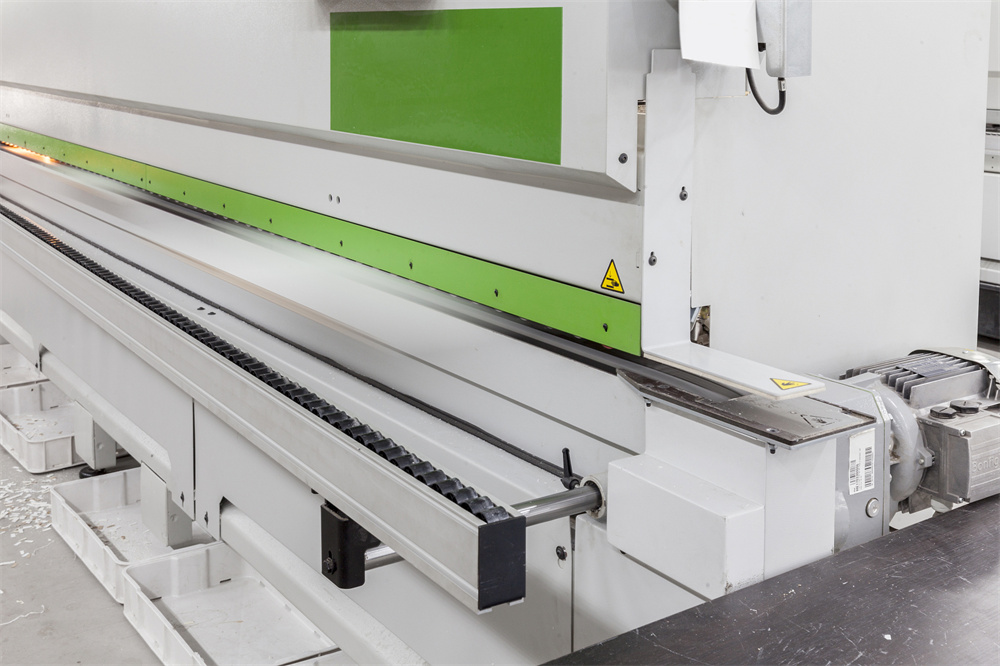
Before you even pick up a cleaning cloth, the daily inspection process must begin. This is a systematic walk-around of the machine to assess its current state. Start by checking the area around the machine for any signs of oil leaks or unusual debris. Ensure that the emergency stop buttons are accessible and that the safety guards are securely in place. A shearing machine is a powerful piece of industrial machinery, and its safety features must be verified every single day.
Next, inspect the blade gap and the condition of the cutting edges. Even if the machine performed well during the shift, visual inspection of the blades can reveal small chips or dulling that might not be immediately obvious during operation. Check the backgauge system for smooth movement; if the backgauge is jerky or noisy, it may indicate that the guide rails require cleaning or lubrication. These small observations are vital to maintaining the high-precision standards required in modern metal fabrication.
Check the hydraulic fluid levels through the sight glass. If the fluid level is consistently dropping, it is a clear indicator of a leak that needs immediate attention. Also, observe the temperature of the hydraulic tank if your machine has a digital readout. Overheating is a common symptom of a failing pump or a clogged filter, and identifying this during your daily inspection can save you from an expensive repair bill later on.
Finally, verify the electrical cabinet status. Ensure that the cooling fans are running and that there are no warning lights on the HMI (Human Machine Interface). A quick glance at the control panel can tell you if the machine has logged any minor errors during the shift. By documenting these daily findings in a logbook, you create a historical record that can be invaluable for long-term maintenance planning and troubleshooting.
Hydraulic, Electrical, and Mechanical Checks
The hydraulic system is the heart of your shearing machine. After every shift, it is essential to wipe down the hydraulic cylinders and hoses. Dust and metal particles can act as an abrasive on the cylinder seals, leading to leaks. Use a lint-free cloth to remove any grime, and ensure that the hydraulic connections are tight. If you notice any oil misting or pooling, address it immediately, as hydraulic fluid is highly flammable and can create a slip hazard.
Electrical maintenance is equally critical. Dust is the enemy of electrical components. Over time, metal dust can conduct electricity and cause short circuits within your control panels. Use a vacuum cleaner or compressed air (at low pressure) to clear out the electrical cabinet. Ensure that all cable conduits are intact and that there are no exposed wires. If your machine uses a foot pedal, inspect the cable for any signs of crushing or wear, as this is a high-traffic area that often suffers from physical damage.
Mechanically, the focus should be on the drive system and the blade clearance adjustment mechanism. The shearing machine relies on precise synchronization between the upper and lower blades. Check the hold-down cylinders to ensure they are applying even pressure across the entire width of the sheet. If the hold-downs are uneven, it can cause the material to slip, leading to inaccurate cuts and potential damage to the blades.
Lastly, examine the scrap chute and the waste disposal area. A clogged scrap chute can cause metal pieces to back up into the machine, potentially damaging the frame or the blade assembly. Clear all offcuts and debris from the machine bed and the surrounding floor. Keeping the area clear is not just about cleanliness; it is about ensuring that the machine has the clearance it needs to operate without obstruction.

The Ultimate Lubrication Plan
Lubrication is the lifeblood of your shearing machine. Without proper lubrication, the friction between moving parts will generate excessive heat, leading to metal fatigue and eventual seizure. Your HARSLE machine comes with a lubrication schedule that should be strictly followed. After every shift, check the automatic lubrication system to ensure that the reservoir is full and that the pump is delivering oil to the critical points, such as the slide ways and the blade guide rails.
If your machine requires manual greasing, use a high-quality, lithium-based grease as recommended by the manufacturer. Apply grease to the pivot points of the shearing beam and the backgauge lead screws. Be careful not to over-grease, as excess grease can attract dust and metal shavings, creating a grinding paste that accelerates wear. Wipe away any old, dirty grease before applying fresh lubricant to ensure the best results.
Pay special attention to the blade clearance adjustment mechanism. This area often gets overlooked, but it is essential for the longevity of your blades. A light coating of oil on the adjustment screws will prevent rust and ensure that the mechanism remains easy to operate. If you are working in a humid environment, consider using a corrosion-inhibiting spray on the non-painted metal surfaces of the machine bed.
Keep a lubrication log near the machine. This log should record the date, the type of lubricant used, and the specific points that were serviced. This simple practice ensures that no part of the machine is neglected and provides accountability for the maintenance team. Remember, a well-lubricated machine is a quiet machine; if you hear grinding or squeaking, it is a sign that your lubrication plan needs to be adjusted or that a component is failing.
Troubleshooting Signals: What to Look For
Even with the best maintenance, machines can develop issues. Recognizing the early warning signs is key to preventing downtime. One of the most common signals is a change in the sound of the machine. A shearing machine should have a consistent, rhythmic sound during the cutting cycle. If you hear a loud “clunk” or a high-pitched whine, it could indicate a loose blade, a failing pump, or an issue with the drive motor.
Another signal is the quality of the cut itself. If you notice burrs on the edge of the material, it is a clear sign that your blade clearance is incorrect or that the blades have become dull. Do not simply increase the pressure to compensate; this will only damage the machine further. Instead, stop the machine, inspect the blades, and adjust the clearance according to the material thickness you are cutting.
Vibration is another red flag. If the machine vibrates excessively during the cut, check the foundation bolts and the leveling of the machine. A shearing machine that is not perfectly level will experience uneven stress on its frame, which can lead to cracks and permanent deformation over time. Use a spirit level to verify the machine’s orientation if you suspect it has shifted.
Finally, pay attention to the HMI or control panel. Modern HARSLE machines are equipped with sensors that monitor various parameters. If the machine displays a warning code, do not ignore it. Even if the machine seems to be working fine, the sensor is likely detecting a deviation from the norm. Consult your user manual or contact HARSLE support to understand what the code means and how to address it before it leads to a total system shutdown.
Maintenance Schedule Table
| Frequency | Task | Description |
|---|---|---|
| Daily | Clean Bed | Remove all scrap and metal dust from the work area. |
| Daily | Lubrication | Check oil levels and grease critical pivot points. |
| Daily | Visual Check | Inspect blades, hoses, and electrical cables for damage. |
| Weekly | Filter Check | Inspect hydraulic and air filters for clogs. |
| Monthly | Bolt Tightening | Check all structural bolts for vibration-induced loosening. |
| Quarterly | Full Calibration | Verify blade gap and backgauge accuracy with precision tools. |
| Annually | Fluid Change | Replace hydraulic oil and perform a deep system flush. |
Frequently Asked Questions (FAQ)
How often should I sharpen the shearing blades?
The frequency of blade sharpening depends on the material type, thickness, and volume of production. As a general rule, if you notice burrs on the cut edge, it is time to sharpen or rotate the blades. Always follow the manufacturer’s guidelines for blade clearance after sharpening.
Can I use compressed air to clean the machine?
Yes, but use it with caution. Low-pressure air is excellent for clearing dust from electrical cabinets, but avoid blowing air directly into seals or bearings, as this can force contaminants inside. Always wear eye protection when using compressed air.
What should I do if I find a hydraulic leak?
Stop the machine immediately. Identify the source of the leak. If it is a loose fitting, tighten it. If the hose is damaged, replace it before resuming operation. Never attempt to patch a high-pressure hydraulic hose with tape.
Why is my backgauge inaccurate?
Inaccuracy is often caused by debris in the guide rails or a loose drive belt. Clean the rails thoroughly and check the tension of the drive system. If the problem persists, you may need to recalibrate the backgauge software through the HMI.
How do I protect the machine from rust?
Keep the machine in a climate-controlled environment if possible. For non-painted surfaces, apply a thin layer of machine oil or a rust-preventative spray at the end of each shift. Ensure the machine is covered if it will be idle for an extended period.


