Versatile Press Brake Applications for Modern Fabrication Workshops: A Comprehensive Guide


Introduction to Versatile Press Brake Applications for Modern Fabrication Workshops
In the rapidly evolving landscape of industrial manufacturing, the ability to adapt to complex design requirements is the hallmark of a successful fabrication shop. At the heart of this adaptability lies the press brake—a cornerstone of metal forming technology. Versatile press brake applications for modern fabrication workshops have transformed from simple 90-degree bends into complex, multi-axis forming processes that support industries ranging from aerospace to custom architectural metalwork.
HARSLE understands that modern workshops require more than just raw power; they demand precision, repeatability, and the flexibility to handle diverse materials and thicknesses. Whether you are processing thin-gauge aluminum for electronics enclosures or heavy-duty structural steel for industrial frames, the modern press brake serves as the primary engine for value-added production. By integrating advanced CNC controls and synchronized hydraulic systems, fabricators can now achieve tolerances that were previously impossible with manual equipment.
This guide explores the multifaceted nature of press brake technology, detailing how these machines serve as the backbone of modern fabrication. We will examine the technical nuances that allow for high-speed production, the selection criteria for choosing the right equipment, and the maintenance strategies that ensure long-term operational success. As we delve into these topics, it becomes clear that the versatility of the press brake is limited only by the creativity of the operator and the capabilities of the machine’s control system.
As fabrication shops face increasing pressure to reduce lead times and minimize material waste, the role of the press brake has expanded. It is no longer just a bending tool; it is a critical component of a lean manufacturing workflow. By leveraging modern features such as automatic crowning, laser angle measurement, and offline programming software, workshops can transition from prototype to full-scale production with minimal downtime, ensuring that every bend meets the highest quality standards.
Key Considerations for Modern Fabrication Workflow
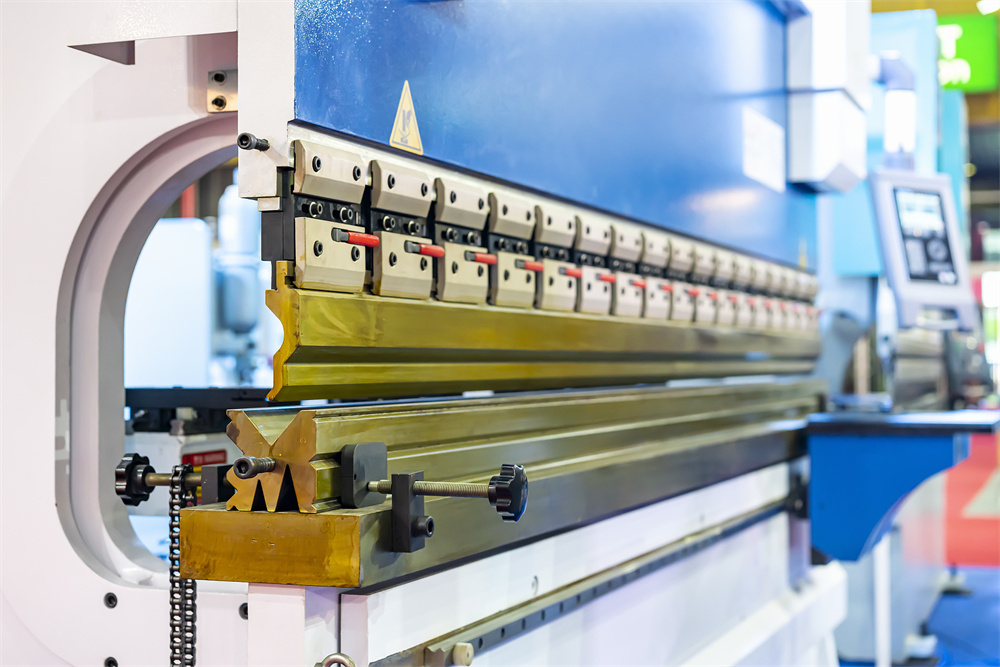
When integrating a press brake into a modern fabrication workflow, the first consideration is the material versatility. Modern shops often handle a mix of mild steel, stainless steel, and high-strength alloys. Each material possesses unique spring-back characteristics and tensile strengths, requiring a machine that can compensate for these variables in real-time. A versatile press brake must offer programmable pressure and speed settings to ensure consistent results across different material types.
Another critical factor is the complexity of the parts being produced. Modern designs often feature intricate geometries, including hemmed edges, offset bends, and multi-stage forming sequences. To manage these, the press brake must be equipped with a multi-axis backgauge system. A 4-axis or 6-axis backgauge allows the operator to position the sheet metal precisely in three dimensions, enabling the creation of complex parts in a single setup, which significantly reduces handling time and human error.
Integration with CAD/CAM software is no longer optional; it is a necessity for modern fabrication. Offline programming allows engineers to simulate the bending process before a single piece of metal is cut. This software can detect potential collisions, calculate the optimal bend sequence, and even generate the necessary CNC code for the machine. By moving the programming off the shop floor, workshops can keep their machines running at maximum capacity, effectively turning the press brake into a high-throughput production asset.
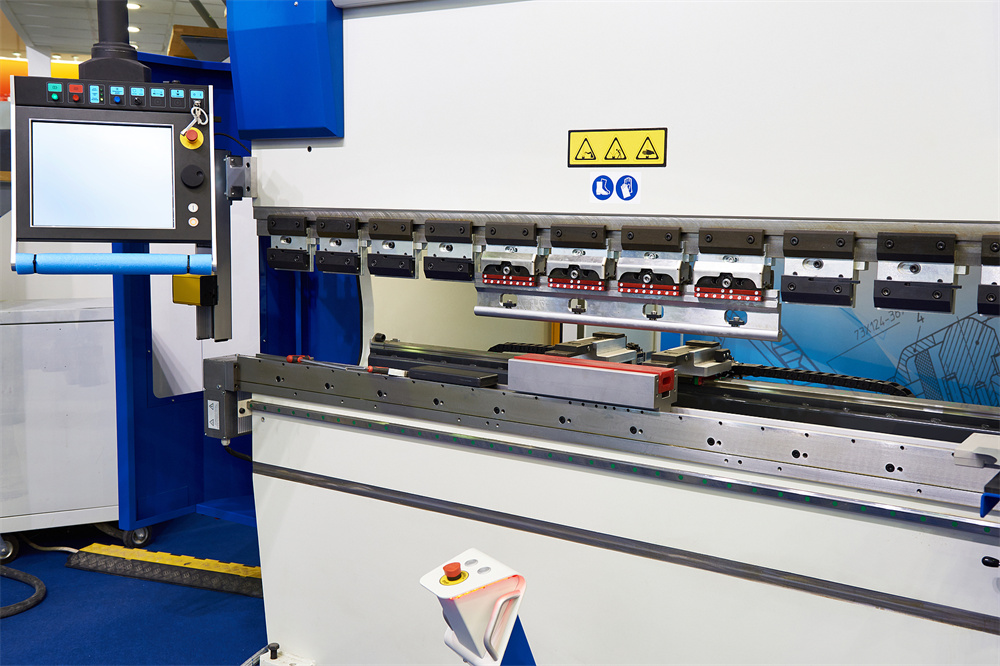
Finally, the safety and ergonomics of the machine cannot be overlooked. Modern fabrication workshops prioritize operator safety through light curtains, laser safety sensors, and ergonomic tool-changing systems. These features not only protect the workforce but also increase productivity by allowing the operator to work with confidence and speed. Investing in a machine that balances high performance with advanced safety protocols is essential for maintaining a sustainable and efficient production environment.
Technical Details of Advanced Press Brake Systems
The technical superiority of modern press brakes, such as those offered by HARSLE, lies in their synchronized hydraulic systems. In traditional machines, mechanical linkages often led to uneven bending across the length of the bed. Modern CNC-synchronized hydraulic press brakes utilize high-response proportional valves and linear encoders to monitor the position of the ram at all times. This ensures that both cylinders move in perfect harmony, resulting in uniform bend angles across the entire length of the workpiece.
Crowning technology is another technical advancement that has revolutionized the industry. As a press brake exerts force, the frame and the bed naturally deflect, which can lead to inconsistent bend angles in the center of the part. Modern machines feature dynamic crowning systems—either hydraulic or motorized—that adjust the bed profile to compensate for this deflection. This ensures that the bend angle remains consistent from one end of the sheet to the other, regardless of the material thickness or length.
The control interface is the brain of the press brake. Modern controllers provide a graphical user interface (GUI) that allows operators to visualize the bending process in 3D. These controllers can store thousands of programs, manage tool libraries, and provide real-time feedback on machine status. With features like automatic bend sequence optimization, the controller can suggest the most efficient way to bend a part, reducing the number of tool changes and flipping operations required.
Furthermore, energy efficiency has become a key technical focus. Modern hydraulic systems are designed to operate only when the ram is in motion, significantly reducing power consumption during idle periods. Some advanced models even incorporate hybrid systems that combine the speed and precision of electric drives with the high force capabilities of hydraulics. These technical innovations collectively ensure that the press brake remains a highly efficient and reliable tool for modern fabrication.
Selection Advice: Choosing the Right Machine for Your Shop
Selecting the right press brake for your workshop requires a careful analysis of your current and future production needs. Start by evaluating the maximum material thickness and length you intend to process. While it may be tempting to purchase a machine with the largest capacity possible, it is often more cost-effective to choose a machine that fits 80% of your daily requirements, as larger machines are often slower and more expensive to operate for smaller, lighter parts.
Consider the number of axes you require. If your shop focuses on simple, repetitive parts, a 3-axis machine may suffice. However, if you are moving toward complex, custom fabrication, investing in a 6-axis or 8-axis machine will provide the flexibility needed to handle intricate designs without the need for manual adjustments. The backgauge system is the most important factor in determining the machine’s ability to handle complex geometries.
Evaluate the availability of service and support. A press brake is a long-term investment, and the ability to source spare parts and receive technical support is crucial. HARSLE provides comprehensive support, ensuring that your machine remains operational and that your team is trained on the latest features. Look for manufacturers that offer remote diagnostics, as this can significantly reduce downtime by allowing technicians to troubleshoot issues over the internet.
Finally, consider the total cost of ownership, not just the initial purchase price. This includes energy consumption, maintenance requirements, and the cost of tooling. High-quality tooling is essential for precision bending; investing in hardened, ground tools will extend the life of your machine and improve the quality of your finished products. By taking a holistic approach to the selection process, you can ensure that your press brake becomes a profitable asset for years to come.
Maintenance and Longevity: Keeping Your Press Brake Running
Regular maintenance is the key to preserving the accuracy and longevity of your press brake. A preventative maintenance schedule should include daily, weekly, and monthly tasks. Daily checks should focus on the cleanliness of the machine, ensuring that the bed and ram are free of debris and that the safety sensors are functioning correctly. Weekly tasks should include checking hydraulic fluid levels and inspecting the condition of the tooling for signs of wear or damage.
Hydraulic system maintenance is particularly important. Over time, hydraulic oil can become contaminated with moisture or particulates, which can damage the proportional valves and seals. Regularly scheduled oil changes and filter replacements are essential to keep the hydraulic system operating at peak performance. Additionally, ensure that the machine’s lubrication system is functioning, as proper lubrication of the ram guides and backgauge components prevents premature wear.
The backgauge system is a high-precision component that requires careful handling. Avoid overloading the backgauge fingers and ensure that they are properly calibrated. If the machine begins to show signs of inaccuracy, the first step should be a recalibration of the backgauge and the ram encoders. Most modern controllers have built-in calibration routines that make this process straightforward.
Finally, keep detailed records of all maintenance activities. This not only helps in tracking the health of the machine but also provides valuable data for future troubleshooting. If a component fails, having a history of maintenance can help identify whether the issue is related to wear and tear or an external factor. By treating maintenance as a proactive investment rather than a reactive chore, you can ensure that your press brake remains a reliable workhorse for your fabrication shop.
FAQ: Common Questions About Press Brakes
- What is the difference between a hydraulic and an electric press brake? Hydraulic press brakes are known for their high force capacity and durability, making them ideal for heavy-duty applications. Electric press brakes offer higher speed, better energy efficiency, and cleaner operation, making them suitable for high-speed, precision work on thinner materials.
- How do I determine the required tonnage for my press brake? Tonnage is determined by the material thickness, the length of the bend, and the die opening width. You can use a tonnage chart or a bending calculator to estimate the force required for specific materials and bend configurations.
- Can I use offline programming for older press brakes? While some older machines can be retrofitted with modern controllers, offline programming is most effective when integrated with a machine that has a compatible CNC controller. It is often more cost-effective to upgrade to a modern machine if you require advanced programming capabilities.
- How often should I replace my press brake tooling? The lifespan of tooling depends on the material being bent and the frequency of use. Inspect tools regularly for chips, cracks, or deformation. Using high-quality, hardened tools will significantly extend their service life.
- What safety features are essential for a modern press brake? Essential safety features include light curtains, laser safety guards, emergency stop buttons, and two-hand control systems. These features are designed to prevent operator injury by stopping the machine if an obstruction is detected in the bending zone.
Conclusion
Versatile press brake applications for modern fabrication workshops are essential for staying competitive in today’s manufacturing environment. By understanding the technical capabilities of modern machinery, selecting the right equipment for your specific needs, and committing to a rigorous maintenance schedule, you can transform your fabrication process into a highly efficient and profitable operation. HARSLE remains dedicated to providing the tools and expertise necessary to help workshops achieve these goals, ensuring that your investment in metal fabrication equipment yields the highest possible return. As technology continues to advance, the press brake will remain a vital component of the fabrication shop, evolving to meet the challenges of tomorrow’s manufacturing demands.