Material-Specific Press Brake Applications: Steel, Aluminum, and Stainless


Material-Specific Press Brake Applications: Steel, Aluminum, and Stainless
In the modern metal fabrication landscape, the ability to process diverse materials with precision is the hallmark of a high-performing workshop. Understanding Material-Specific Press Brake Applications: Steel, Aluminum, and Stainless is not merely a technical requirement; it is a competitive necessity. Whether you are working with high-tensile structural steel, delicate aluminum alloys, or work-hardening stainless steel, the interaction between the material properties and the press brake mechanics dictates the quality of the final product.
At HARSLE, we recognize that every material behaves differently under pressure. A one-size-fits-all approach to bending often leads to springback issues, surface marring, or structural fatigue. This comprehensive guide explores the nuances of bending these three primary materials, providing the technical insights necessary to optimize your production line and extend the lifespan of your HARSLE machinery.
Key Considerations for Material-Specific Press Brake Applications
When approaching Material-Specific Press Brake Applications: Steel, Aluminum, Stainless, the first step is understanding the mechanical properties of the workpiece. Steel, particularly mild steel, is the industry standard for bending. It is predictable, has a consistent yield strength, and responds well to standard tooling. However, as you move toward high-strength low-alloy (HSLA) steels, the required tonnage increases significantly, necessitating a more robust machine frame and precise crowning systems.
Aluminum presents a different set of challenges. While it is lighter and easier to cut, its lower modulus of elasticity means it is prone to significant springback. Furthermore, aluminum is sensitive to surface damage. Using standard hardened steel tooling without proper protection can lead to galling or scratching, which is unacceptable in architectural or aerospace applications. Operators must adjust their bending techniques, often utilizing larger bend radii to prevent cracking on the outer surface of the bend.
Stainless steel is perhaps the most demanding of the three. Due to its high work-hardening rate, stainless steel requires more force to bend than mild steel of the same thickness. If the bending process is too slow or the tooling is not perfectly aligned, the material can harden prematurely, leading to inconsistent bend angles. Additionally, stainless steel is highly susceptible to contamination. Using tooling that has previously been used on carbon steel can embed iron particles into the stainless surface, leading to rust spots later on.
Finally, the thickness of the material plays a critical role in machine selection. Thin-gauge materials require high-speed, high-precision machines to prevent buckling, while thick plates demand high-tonnage hydraulic systems with advanced deflection compensation. HARSLE’s range of press brakes is engineered to handle these variations, providing the flexibility required for diverse industrial applications.
Technical Details: Bending Dynamics and Tooling
The technical execution of Material-Specific Press Brake Applications: Steel, Aluminum, Stainless relies heavily on the selection of the V-die opening and the punch radius. For mild steel, a standard V-die opening of 8 to 10 times the material thickness is generally sufficient. However, for stainless steel, a slightly wider opening is often recommended to account for the increased force and to reduce the risk of cracking at the bend line.
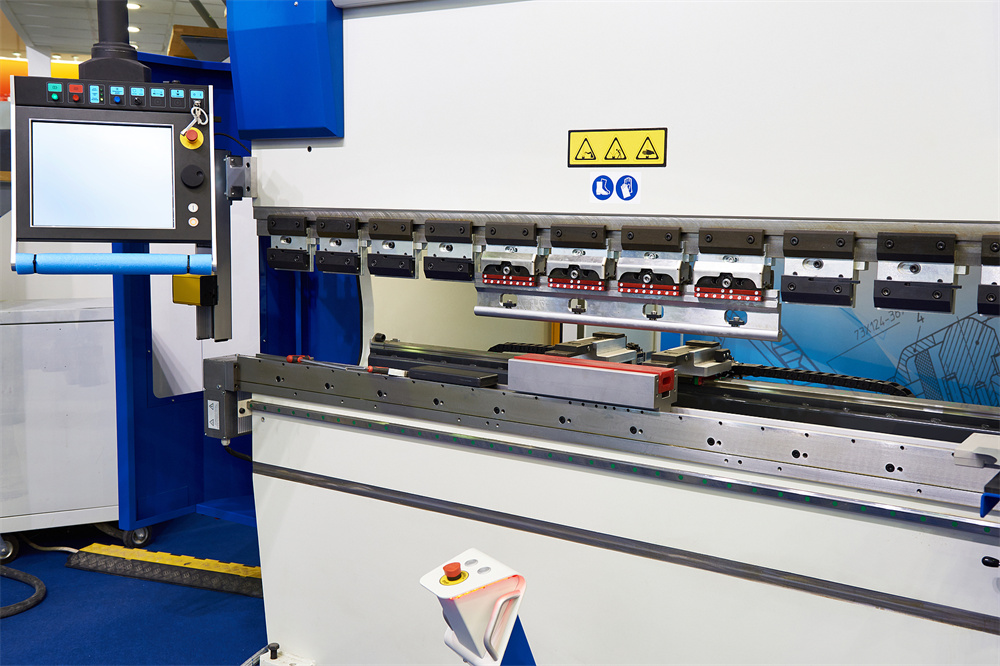
Tooling material selection is equally vital. For high-volume production of stainless steel, hardened and ground tooling is mandatory to withstand the high pressure and prevent premature wear. For aluminum, polished or even urethane-coated tooling can be used to protect the surface finish. HARSLE provides a wide array of modular tooling options designed to integrate seamlessly with our CNC systems, ensuring that the transition between materials is as efficient as possible.
The CNC control system is the brain of the operation. Modern HARSLE press brakes utilize advanced algorithms to calculate the exact springback compensation for different materials. By inputting the material type, tensile strength, and thickness, the controller automatically adjusts the ram depth and the crowning system. This eliminates the need for trial-and-error bending, significantly reducing material waste and setup time.

Another technical factor is the lubrication and maintenance of the machine. When bending stainless steel, the friction between the tool and the workpiece is higher, which can generate significant heat. Regular maintenance of the hydraulic system and the lubrication of the guide ways ensure that the ram movement remains smooth and consistent, preventing the jerky motion that can ruin a precision bend. Furthermore, thermal expansion of the machine frame during long shifts can affect bend accuracy; HARSLE machines incorporate temperature compensation sensors to maintain consistent tolerances regardless of environmental shifts.
Advanced Material Behavior and Optimization Strategies
To truly master Material-Specific Press Brake Applications: Steel, Aluminum, Stainless, operators must look beyond basic tonnage charts. For instance, when bending high-tensile steel, the “bend allowance” calculation must be adjusted to account for the material’s internal stress. Failure to do so results in parts that do not fit into subsequent assembly jigs. We recommend using a CAD/CAM software suite that integrates directly with the press brake controller to simulate the bend before the first piece is ever cut.
For aluminum, the “bend radius” is the most critical variable. Because aluminum is prone to cracking on the outer radius, the rule of thumb is to use a larger punch radius than you would for steel. This distributes the strain over a larger area, preventing the material from reaching its fracture point. Additionally, when bending 5000 or 6000 series aluminum, consider the grain direction. Bending parallel to the grain increases the risk of cracking, whereas bending perpendicular to the grain provides a much cleaner, more structural bend.
Stainless steel, specifically 304 and 316 grades, requires a “bottoming” or “coining” approach in some high-precision applications to overcome springback. While air bending is more versatile, bottoming provides a more consistent angle by forcing the material to conform to the punch radius. However, this requires significantly higher tonnage and puts more stress on the tooling, necessitating the use of high-grade, wear-resistant tool steels.
Selection Advice: Choosing the Right HARSLE Equipment
Selecting the right machinery for Material-Specific Press Brake Applications: Steel, Aluminum, Stainless requires a clear understanding of your current and future production needs. If your shop primarily handles thin-gauge aluminum and stainless steel, a high-speed electric or hybrid press brake might be the best investment. These machines offer superior energy efficiency and faster cycle times, which are critical for high-volume, light-duty fabrication.
For shops dealing with heavy structural steel or thick stainless plates, a heavy-duty hydraulic press brake is the standard. These machines are built for durability and high tonnage. When evaluating a machine, look for features like active hydraulic crowning, which compensates for machine deflection under load. This ensures that the bend angle remains consistent across the entire length of the workpiece, regardless of the material’s resistance.
Consider the integration of automation. Robotic bending cells are becoming increasingly popular for material-specific applications. A robot can handle the material with consistent pressure and orientation, which is particularly beneficial when working with stainless steel where manual handling can lead to surface contamination or inconsistent bend speeds. HARSLE offers customized robotic integration solutions that can be tailored to your specific material mix.
Finally, do not overlook the importance of after-sales support and training. The best machine in the world will underperform if the operators are not trained in the nuances of bending different materials. HARSLE provides comprehensive training programs that cover everything from basic machine operation to advanced material-specific bending techniques, ensuring your team can maximize the ROI of your equipment.
Maintenance Best Practices for Material Diversity
To maintain the longevity of your press brake when switching between materials, implement a strict tooling management protocol. Keep a dedicated set of tools for stainless steel to prevent cross-contamination. Regularly inspect the punch and die for signs of “pick-up” or material adhesion, especially when working with aluminum. Using a light lubricant or a protective film can significantly reduce the frequency of tool cleaning and extend the life of your dies.
Hydraulic oil health is another critical factor. Stainless steel bending puts higher stress on the hydraulic system. Ensure that your oil is filtered regularly and that the cooling system is functioning optimally. A well-maintained hydraulic system ensures that the ram speed remains constant, which is essential for achieving uniform bends across different material thicknesses.
FAQ: Frequently Asked Questions
- How do I calculate the tonnage required for different materials?
Tonnage is calculated based on material thickness, bend length, and the V-die opening. Stainless steel typically requires 50% more tonnage than mild steel, while aluminum requires about 50% less. - Can I use the same tooling for steel and stainless steel?
It is not recommended. Using the same tooling can lead to cross-contamination, where carbon steel particles embed in the stainless steel, causing rust. Always use dedicated tooling for stainless steel. - How does springback differ between these materials?
Aluminum has a higher springback coefficient than steel, meaning it will “bounce back” more after the pressure is released. Stainless steel also exhibits significant springback due to its high tensile strength. - What is the best way to prevent surface marring on aluminum?
Use protective films on the material, ensure your tooling is polished and free of burrs, and consider using urethane film or specialized inserts in the die to cushion the contact point. - Why is my stainless steel bend angle inconsistent?
This is likely due to the work-hardening nature of stainless steel. Ensure your bending speed is consistent and that your machine has adequate crowning to compensate for the high force required. - What is the difference between air bending and bottoming?
Air bending uses the press brake’s depth control to achieve an angle, while bottoming forces the material into the die. Air bending is more flexible for different angles, while bottoming is more accurate for specific, repetitive angles.
Conclusion
Mastering Material-Specific Press Brake Applications: Steel, Aluminum, and Stainless is a journey of continuous improvement. By understanding the unique mechanical behaviors of these materials and leveraging the advanced capabilities of HARSLE press brakes, fabricators can achieve unparalleled precision and efficiency. From selecting the right tooling to utilizing intelligent CNC controls, every detail contributes to the quality of the final product.
As the industry evolves, HARSLE remains committed to providing the innovative solutions that empower your workshop to handle any material with confidence. Whether you are scaling up for high-volume production or tackling complex, custom projects, our equipment is designed to meet the rigorous demands of modern metal fabrication. Invest in the right technology, prioritize proper maintenance, and empower your team with the knowledge to excel in every bend. Contact our technical team today to discuss your specific material requirements and find the perfect press brake solution for your facility.