Estudio de caso de prensa plegadora Fabricación aeroespacial: Cumplimiento de requisitos de tolerancia estrechos


Estudio de caso de prensa plegadora Fabricación aeroespacial: Cumplimiento de requisitos de tolerancia estrechos
In the high-stakes world of aerospace engineering, there is zero margin for error. Every component, from structural brackets to complex fuselage panels, must adhere to rigorous quality standards. When a leading aerospace subcontractor faced challenges with spring-back and angular inconsistency in high-strength aluminum alloys, they turned to HARSLE for a solution. This Estudio de caso de prensa plegadora Fabricación aeroespacial: Cumplimiento de requisitos de tolerancia estrechos explores how advanced CNC technology and precision tooling transformed their production workflow.
Key Considerations in Aerospace Metal Bending
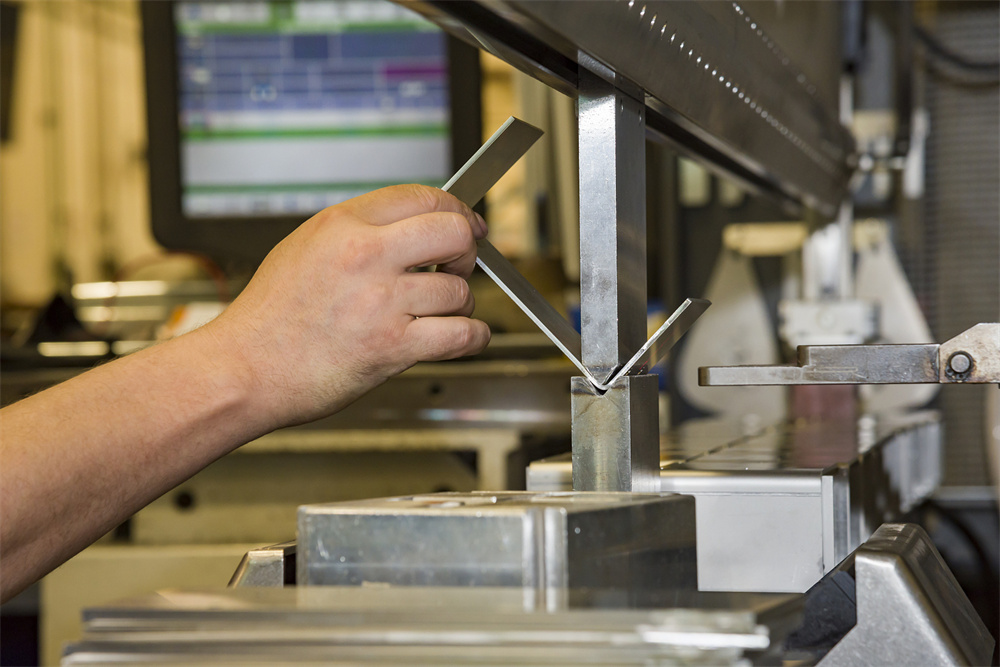
Aerospace fabrication is defined by the use of exotic materials and the necessity for extreme dimensional accuracy. Unlike general metal fabrication, aerospace parts often involve high-strength-to-weight ratio alloys such as 7075-T6 aluminum, titanium, and specialized stainless steels. These materials possess unique mechanical properties, including significant spring-back characteristics that make achieving tight tolerances a complex engineering challenge.
The first key consideration is material consistency. Aerospace-grade metals often come with strict certifications, but their reaction to bending force can vary between batches. A press brake must be capable of compensating for these variations in real-time. Without advanced crowning systems and high-resolution encoders, the bending angle can deviate by fractions of a degree, leading to costly scrap rates that are unacceptable in aerospace budgets.
Thermal stability is another critical factor. Aerospace components are often processed in climate-controlled facilities, but the machinery itself must maintain consistent performance throughout long production shifts. Hydraulic oil temperature fluctuations can lead to slight variations in ram positioning. HARSLE’s integration of advanced thermal management systems ensures that the press brake maintains its calibration regardless of the ambient temperature or the duration of the operation.
Furthermore, surface integrity is paramount. Aerospace parts are frequently subject to non-destructive testing (NDT) to check for micro-cracks or surface defects. The tooling used in the press brake must be polished and maintained to prevent marring or stress concentrations on the workpiece. This requires a combination of high-quality tool steel and precise pressure control to ensure that the bend is formed without compromising the structural integrity of the material.
Finally, documentation and traceability are non-negotiable. Every bend must be logged, and the machine must provide data feedback to the quality management system. Modern aerospace fabrication requires a digital thread that connects the CAD/CAM design directly to the machine controller. This ensures that the exact pressure, backgauge position, and ram depth are recorded for every single part produced, meeting the stringent audit requirements of aerospace OEMs.
Technical Details of the HARSLE Solution
To address the client’s needs, HARSLE implemented a high-precision CNC hydraulic press brake equipped with an active crowning system. The core of this solution lies in the machine’s ability to measure the actual bend angle in real-time using laser-based angle measurement sensors. These sensors provide feedback to the CNC controller, which adjusts the ram position mid-stroke to compensate for spring-back, ensuring the final angle is within the specified tolerance of ±0.1 degrees.
The machine features a multi-axis backgauge system (X, R, Z1, Z2), allowing for complex, multi-stage bending operations in a single setup. This is vital for aerospace parts that require intricate geometries. By reducing the number of times a part must be repositioned, the risk of human error is minimized, and the overall cycle time is significantly improved. The backgauge fingers are designed with specialized aerospace-grade contact points to prevent slippage during the bending process.
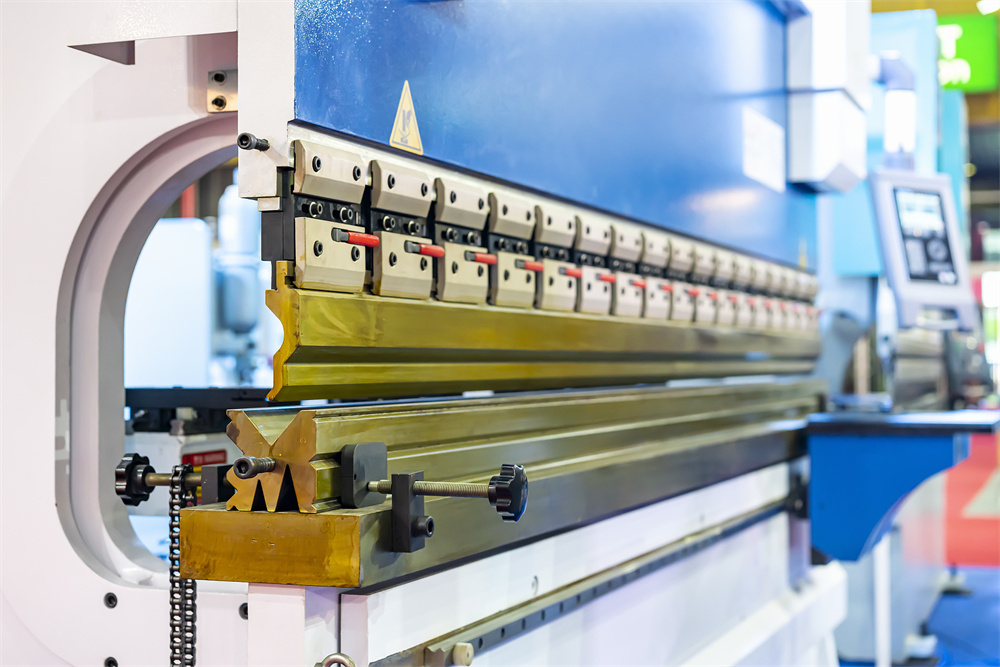
The hydraulic system utilizes proportional valve technology, which offers superior control over the ram speed and pressure. This allows for a ‘soft’ approach to the material, preventing the sudden impact that can cause surface hardening or micro-fractures in sensitive aerospace alloys. The ram repeatability is maintained at ±0.005mm, a level of precision that is essential for the tight-tolerance requirements of modern aircraft structural components.
Software integration was a major component of this Estudio de caso de prensa plegadora Fabricación aeroespacial: Cumplimiento de requisitos de tolerancia estrechos. The HARSLE controller was integrated with the client’s existing ERP and CAD/CAM software. This allowed the engineering team to simulate the bending process before a single piece of metal was cut. By identifying potential collision points or excessive stress areas in the virtual environment, the team was able to optimize the bending sequence and tool selection, further reducing the time-to-market for new aerospace parts.
Safety and ergonomics were also prioritized. The machine is equipped with advanced light curtains and laser safety systems that monitor the operator’s hands without hindering the loading and unloading process. This ensures that the high-speed production requirements of the aerospace industry are met without compromising the safety of the workforce. The intuitive interface allows operators to quickly switch between different job programs, reducing downtime during changeovers.
Selection Advice for Aerospace Fabrication Equipment
When selecting a press brake for aerospace applications, the primary focus must be on repeatability and rigidity. A machine that is built with a heavy-duty, stress-relieved frame will provide the stability needed for high-pressure bending. Look for manufacturers that use high-quality steel and precision machining processes to ensure the frame does not deflect under load. Deflection is the enemy of precision; even a few microns of frame flex can result in an out-of-tolerance part.
Consider the importance of the CNC controller. In aerospace, the controller is the brain of the operation. It should support 3D simulation, offline programming, and seamless integration with industry-standard software. A controller that can automatically calculate the bend allowance and compensation based on material thickness and tensile strength will save countless hours of trial and error. Always ask for a demonstration of the controller’s ability to handle complex, multi-bend parts.
Tooling selection is equally important. For aerospace, standard tooling is often insufficient. Invest in precision-ground, hardened tooling that is specifically designed for the materials you are working with. Segmented tools allow for greater flexibility, enabling the fabrication of boxes and complex shapes that would otherwise be impossible. Ensure that the tool clamping system allows for rapid changes, as aerospace production often involves small batches of diverse parts.
Maintenance and support should be a deciding factor. Aerospace fabrication facilities cannot afford extended downtime. Choose a partner like HARSLE that offers comprehensive technical support, remote diagnostics, and a readily available supply of spare parts. Regular calibration services are also essential to maintain the machine’s accuracy over its lifespan. A maintenance contract that includes annual precision audits will help ensure your machine remains compliant with aerospace quality standards.
Finally, evaluate the machine’s energy efficiency and environmental impact. Modern aerospace companies are under pressure to reduce their carbon footprint. Hydraulic systems with variable-speed drives or hybrid electric-hydraulic systems can significantly reduce energy consumption compared to traditional constant-run hydraulic pumps. This not only lowers operating costs but also aligns with the sustainability goals of modern aerospace manufacturers.
Frequently Asked Questions (FAQ)
What is the most important factor in aerospace press brake bending?
The most important factor is repeatability. Because aerospace parts are often produced in small batches but require extreme precision, the machine must be able to produce the exact same result every time, regardless of material variations or operator experience.
How does a press brake compensate for spring-back?
Modern CNC press brakes use laser angle measurement systems to monitor the bend in real-time. The controller compares the actual angle to the programmed angle and adjusts the ram depth to compensate for the material’s spring-back before the tool retracts.
Why is offline programming important for aerospace fabrication?
Offline programming allows engineers to simulate the entire bending process in a virtual environment. This helps identify potential issues, such as tool collisions or incorrect bend sequences, before the material is even touched, saving time and reducing scrap.
What materials are most commonly used in aerospace fabrication?
Common materials include high-strength aluminum alloys (like 7075 and 2024), titanium, stainless steel, and various nickel-based superalloys. Each of these requires specific bending parameters and tooling considerations.
How often should a press brake be calibrated?
For aerospace applications, it is recommended to perform a full calibration and precision audit at least once a year, or more frequently if the machine is running at high capacity or if quality control checks indicate any drift in accuracy.
Conclusion
The success of this Estudio de caso de prensa plegadora Fabricación aeroespacial: Cumplimiento de requisitos de tolerancia estrechos demonstrates that achieving aerospace-grade precision is not just about the machine itself, but about the integration of advanced technology, high-quality tooling, and a commitment to rigorous process control. By partnering with HARSLE, the aerospace subcontractor was able to overcome the challenges of material spring-back and dimensional inconsistency, resulting in a significant reduction in scrap rates and an increase in overall production efficiency.
As the aerospace industry continues to evolve, the demand for even tighter tolerances and more complex geometries will only grow. Investing in high-precision metal fabrication equipment is no longer an option but a necessity for companies that wish to remain competitive. Whether you are a small job shop or a large aerospace manufacturer, the principles outlined in this case study—focusing on rigidity, advanced CNC control, and proactive maintenance—will serve as a roadmap for your own success in the demanding world of aerospace fabrication.
HARSLE remains dedicated to providing the metal fabrication industry with the tools and expertise needed to push the boundaries of what is possible. By choosing the right equipment and fostering a culture of precision, you can ensure that your facility is ready to meet the challenges of tomorrow, today.