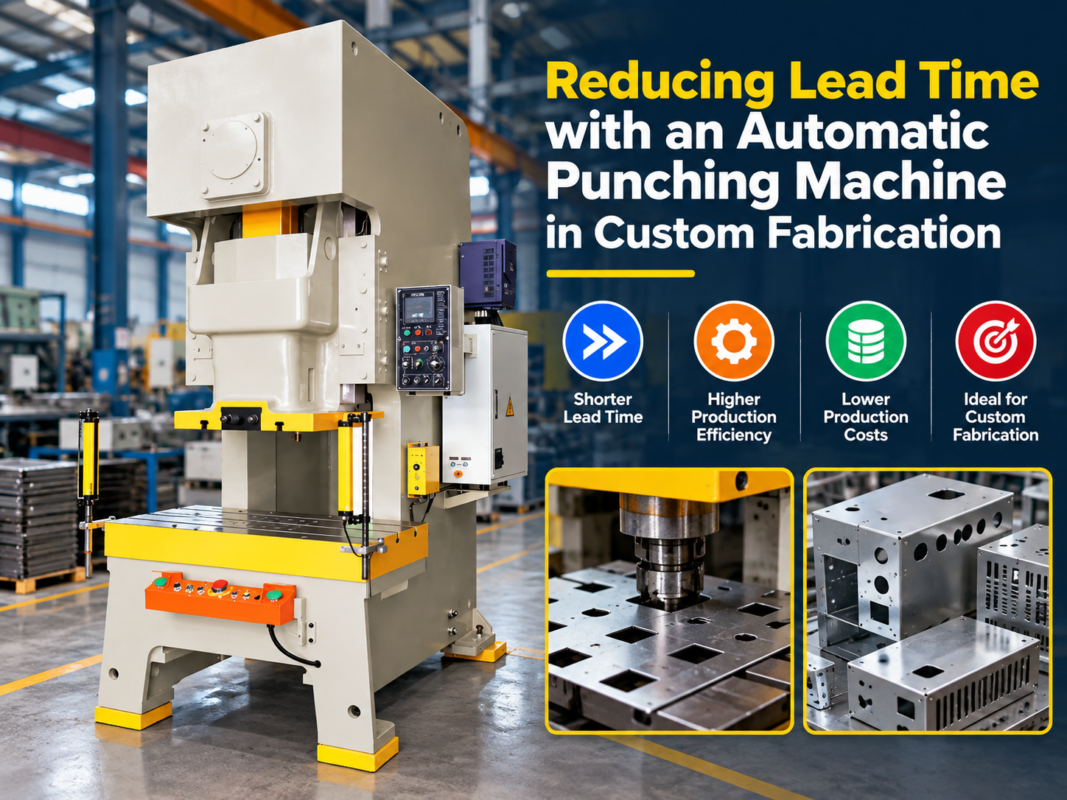
Why a CNC Punching Machine Became the Best Investment for a Fabrication Plant


Introduction: The Evolution of Modern Metal Fabrication
In the competitive landscape of modern manufacturing, the decision to upgrade production capabilities is rarely taken lightly. For many shop owners, the question of how to scale operations while maintaining precision often leads to a single, transformative realization: a CNC punching machine became the best investment for a fabrication plant. As industries demand faster turnaround times and tighter tolerances, manual processes and outdated equipment are no longer sufficient to maintain a healthy bottom line.
HARSLE has observed a significant shift in the fabrication sector, where shops transitioning from traditional turret presses or manual shearing to advanced CNC punching technology experience an immediate surge in productivity. This article explores the technical, financial, and operational reasons why this specific machinery has become the cornerstone of successful fabrication facilities worldwide.
By integrating automated punching solutions, plants can handle complex geometries, reduce material waste, and minimize human error. This transition is not merely about buying a new tool; it is about adopting a new philosophy of manufacturing that prioritizes speed, repeatability, and versatility. Whether you are a small job shop or a large-scale production facility, understanding the impact of CNC technology is essential for long-term growth.
Throughout this guide, we will break down the specific advantages of CNC punching, the technical specifications that drive performance, and the strategic considerations for selecting the right equipment for your unique production needs. Let us examine why this investment is the catalyst for modern industrial success.
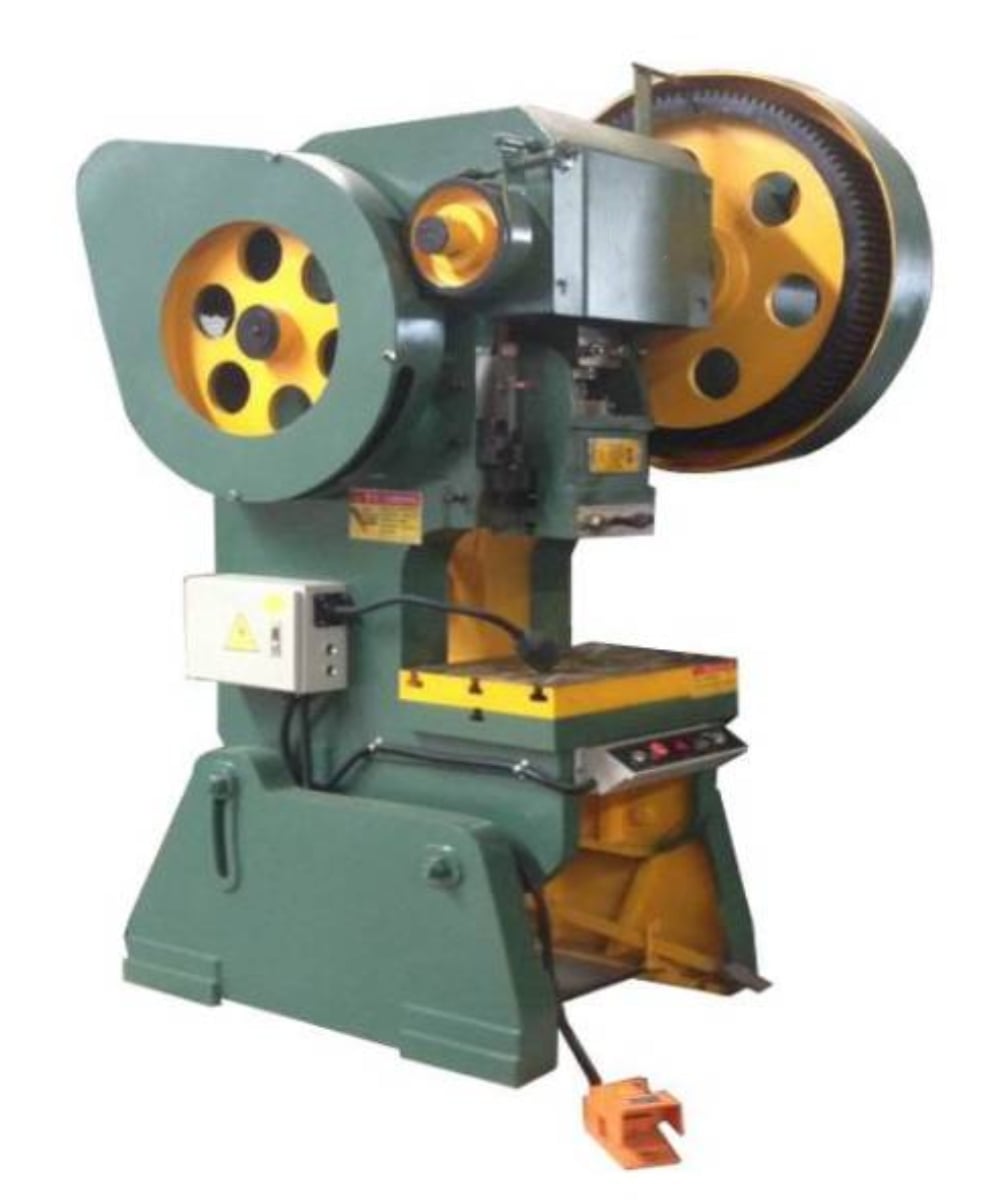
Key Considerations for Fabrication Plant Upgrades
When evaluating the necessity of a CNC punching machine, plant managers must look beyond the initial purchase price. The true value lies in the total cost of ownership and the operational efficiency gained over the machine’s lifespan. One of the primary drivers for this investment is the need for high-speed production. Unlike manual punching, CNC systems can execute hundreds of hits per minute with consistent accuracy, drastically reducing the time required to complete complex parts.
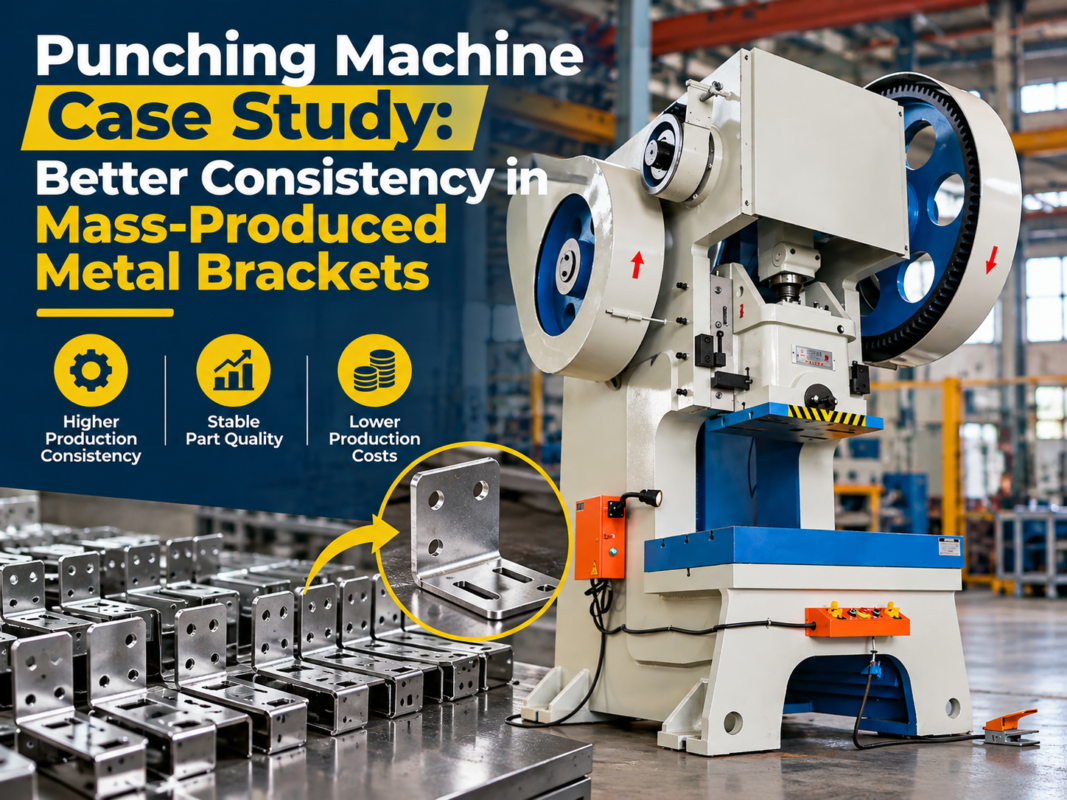
Another critical consideration is material utilization. CNC punching machines are designed to optimize the layout of parts on a sheet, often referred to as nesting. By maximizing the number of components cut from a single sheet of metal, fabricators can significantly reduce scrap rates. In an era where raw material costs are volatile, this efficiency directly translates to higher profit margins per project.
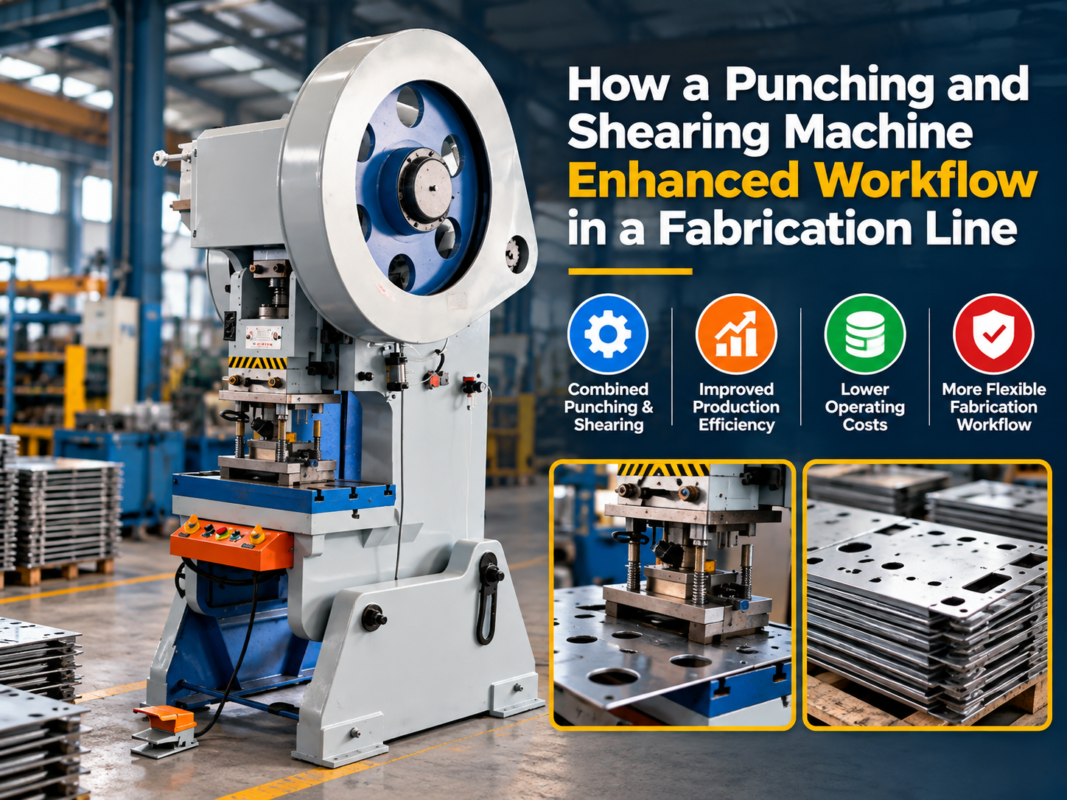
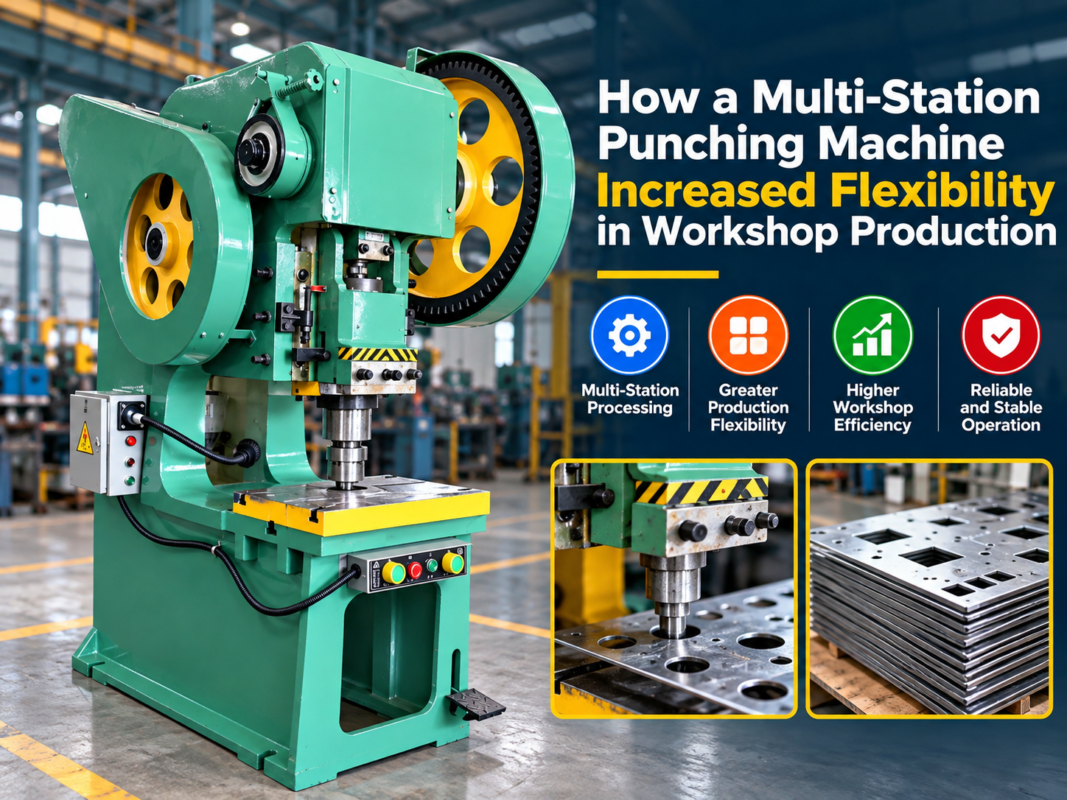
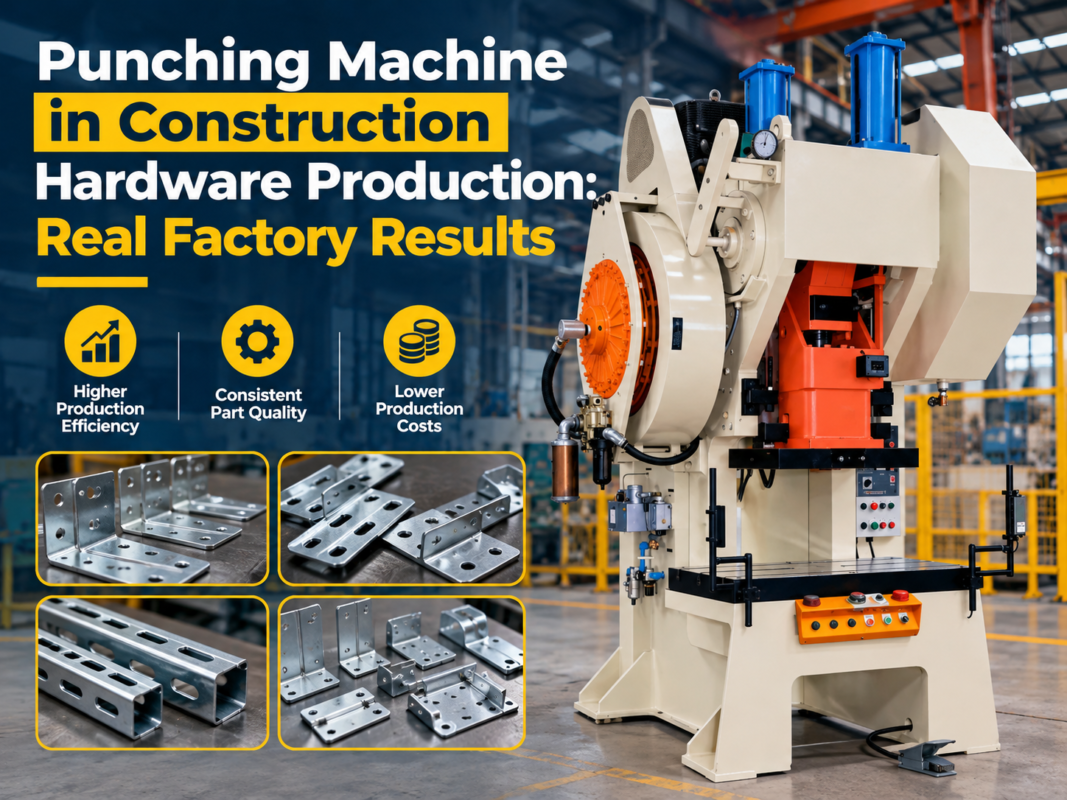
Flexibility is also a major factor. Modern CNC punching machines, such as those offered by HARSLE, feature automatic tool changers and multi-tool stations. This allows the machine to switch between different punching patterns, forming operations, and embossing tasks without manual intervention. This versatility enables a fabrication plant to take on a wider variety of contracts, from simple brackets to intricate electrical enclosures, without needing to retool the entire shop floor.
Finally, labor costs and safety must be addressed. CNC machines reduce the physical strain on operators and minimize the risk of workplace injuries associated with manual handling. By automating the punching process, skilled labor can be reallocated to more complex tasks like assembly, quality control, or programming, thereby increasing the overall value-add of your workforce.
Technical Details: The Mechanics of Precision
To understand why a CNC punching machine became the best investment for a fabrication plant, one must look at the technical architecture that makes these machines so effective. At the heart of the system is the CNC controller, which interprets CAD/CAM data to drive the punch head and the sheet positioning system with sub-millimeter precision. This level of control ensures that every hole, notch, and form is placed exactly where it needs to be, every single time.
The punching mechanism itself is typically driven by high-performance hydraulic or servo-electric systems. Servo-electric drives, in particular, have gained popularity for their energy efficiency and quiet operation. These systems provide precise control over the ram stroke, allowing for variable punching speeds and depths. This is crucial when working with different material thicknesses or sensitive materials that require specific pressure profiles to prevent deformation.
Tooling management is another technical highlight. Modern machines utilize a turret or a tool changer that holds dozens of different punches and dies. The software manages the tool life, alerting the operator when a punch needs sharpening or replacement. This proactive maintenance approach prevents downtime and ensures that the quality of the punched edges remains high, reducing the need for secondary deburring or finishing processes.
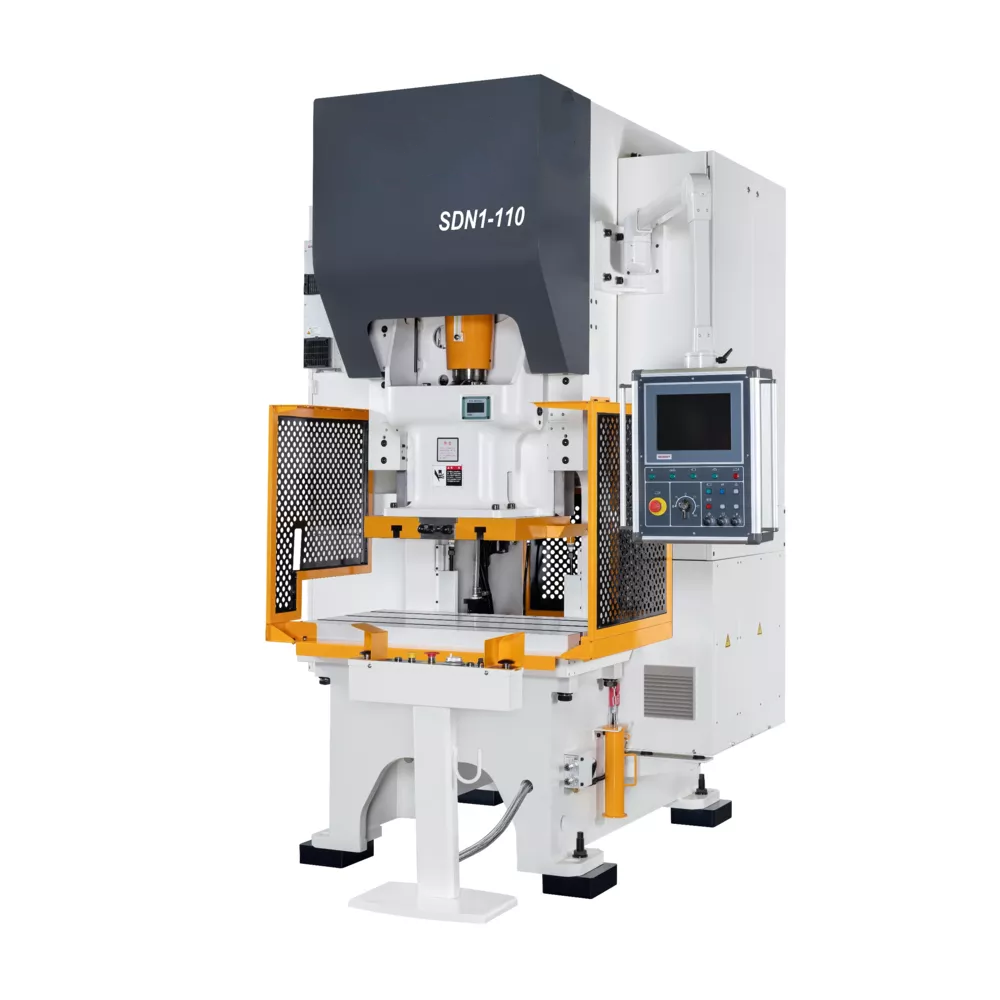
Furthermore, the sheet positioning system uses high-precision ball screws and linear guides to move the material rapidly and accurately. This speed is essential for high-volume production. When combined with automated loading and unloading systems, a CNC punching machine can operate in a “lights-out” environment, continuing to produce parts long after the shift has ended. This capability is perhaps the most significant technical advantage for plants looking to scale their output without increasing their physical footprint.
Selection Advice: Choosing the Right Equipment
Selecting the right CNC punching machine requires a thorough assessment of your current and future production requirements. Start by analyzing your product mix. Do you primarily work with thin-gauge sheet metal, or do you frequently handle thicker plates? Are your parts characterized by simple holes, or do they require complex forming, louvers, and bridge cuts? These questions will dictate the tonnage and tool capacity you need.
Consider the size of the work area. A machine with a larger table size allows for larger sheets, which can be more efficient for high-volume production, but it also requires more floor space. HARSLE provides a range of sizes to accommodate different facility layouts. It is also important to evaluate the software compatibility. Your CNC machine should integrate seamlessly with your existing CAD/CAM software to ensure a smooth workflow from design to production.
Maintenance support is another vital selection criterion. A CNC punching machine is a long-term asset, and you need a partner who provides reliable technical support, spare parts availability, and operator training. HARSLE prides itself on offering comprehensive after-sales service, ensuring that your investment remains productive for years to come. Do not hesitate to ask for references or case studies from other fabrication plants that have implemented similar solutions.
Finally, consider the potential for future upgrades. Can the machine be integrated with automated material handling systems later? Is the controller capable of handling future software updates? Investing in a machine that offers modularity and scalability will protect your capital expenditure and allow your fabrication plant to grow alongside your business demands.
Case Study: A Transformation in Efficiency
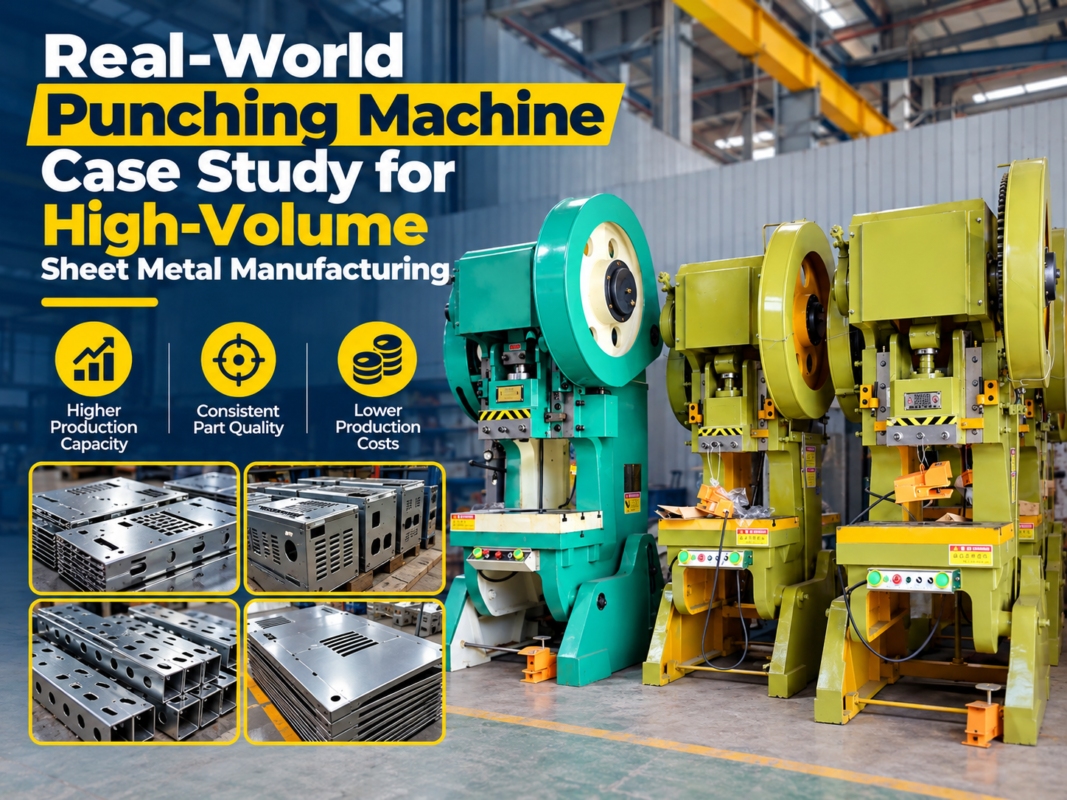
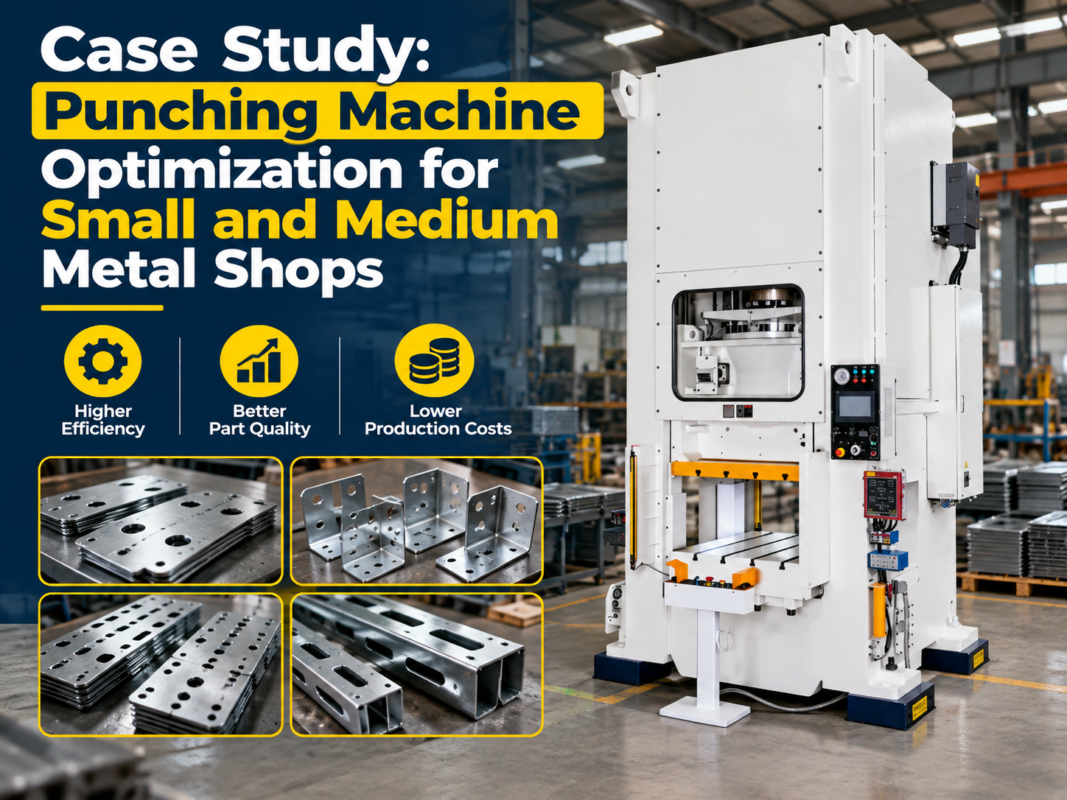
Consider a mid-sized fabrication plant that was struggling with bottlenecks in their punching department. They were using a combination of manual presses and an aging mechanical turret punch. The process was slow, prone to errors, and required constant manual adjustments. After conducting a thorough audit, they decided to replace their legacy equipment with a modern HARSLE CNC punching machine.
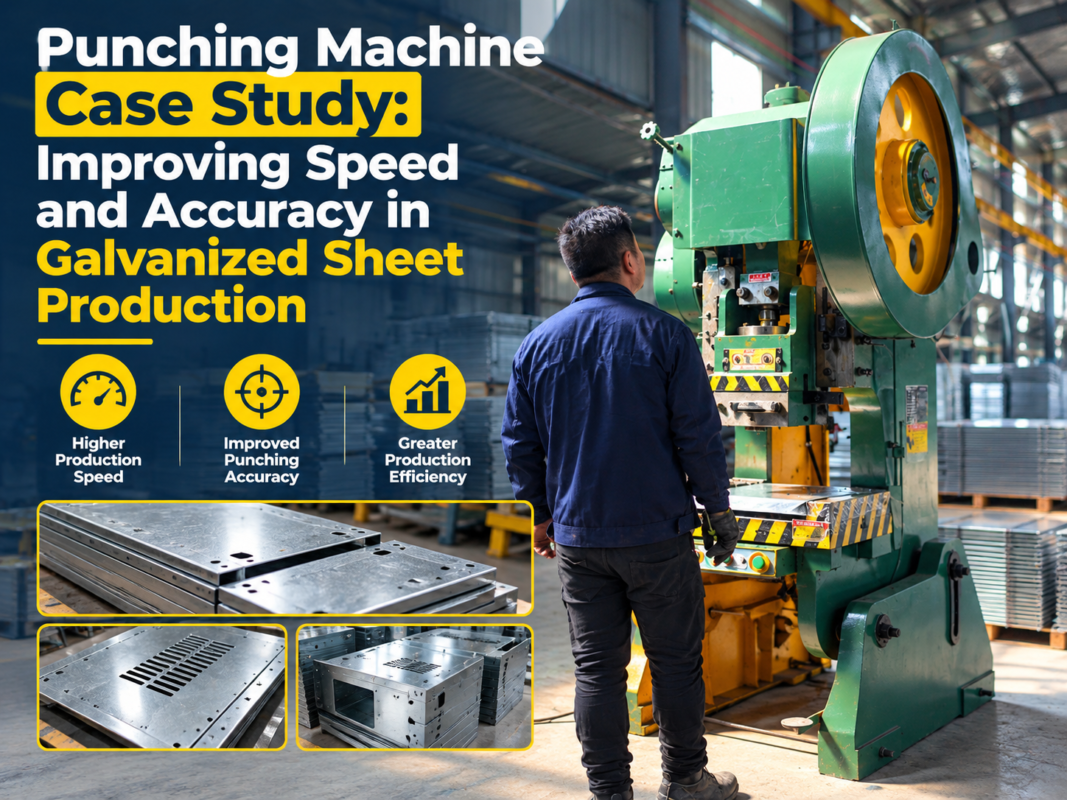
The results were immediate. Within the first three months, the plant saw a 40% increase in production speed. The precision of the new machine eliminated the need for secondary deburring, saving an additional 15 hours of labor per week. Furthermore, the nesting software reduced their material waste by 12%, significantly lowering their monthly raw material costs.
The plant manager noted that the most significant change was the predictability of their production schedule. With the CNC machine, they could accurately estimate the time required for each job, allowing them to provide more competitive quotes and reliable delivery dates to their customers. This reliability helped them secure two major contracts that they previously would have had to turn down due to capacity constraints.
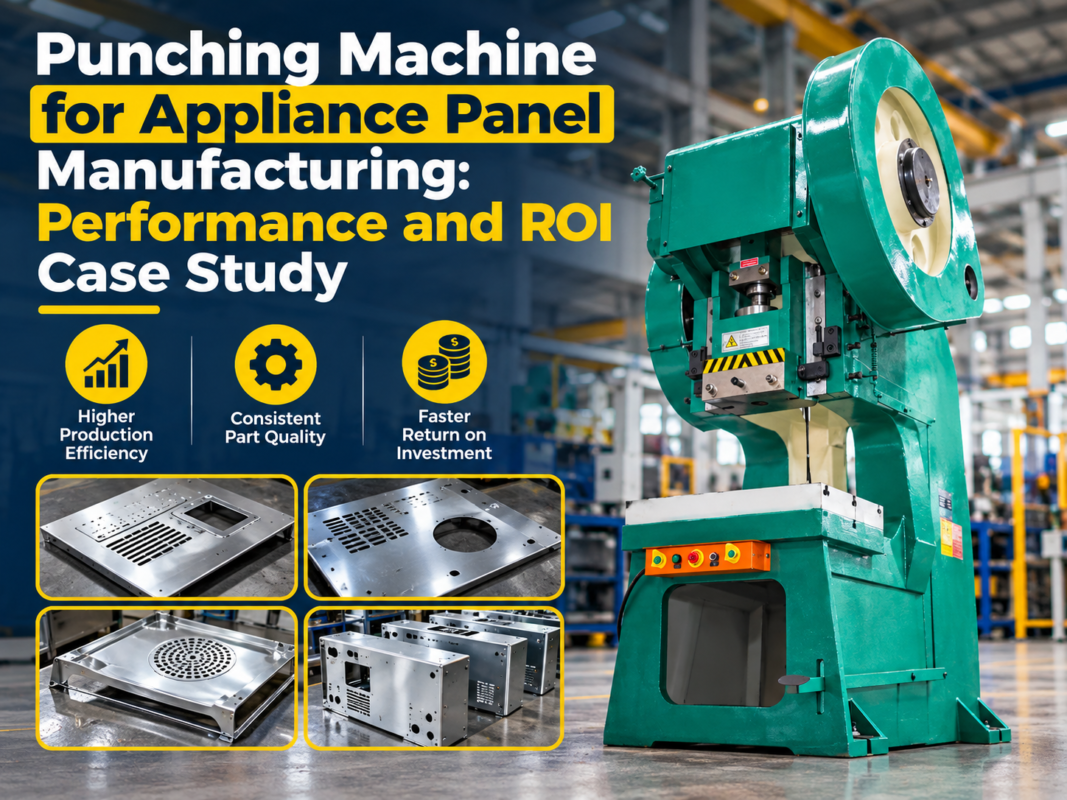
This case study illustrates why a CNC punching machine became the best investment for a fabrication plant. It wasn’t just about the hardware; it was about the systemic improvement in operational efficiency, cost control, and customer satisfaction. By modernizing their core fabrication process, they transformed their business from a struggling shop into a highly efficient, profitable manufacturing facility.
FAQ: Frequently Asked Questions
- What is the primary benefit of a CNC punching machine over a laser cutter? While laser cutters are excellent for complex contours, CNC punching machines are significantly faster for high-volume hole production and forming operations. They are also more energy-efficient for standard sheet metal tasks.
- How often does a CNC punching machine require maintenance? Regular maintenance is essential. Daily checks should include lubrication and cleaning. Professional servicing is recommended every 6 to 12 months to ensure the hydraulic or servo systems are calibrated correctly.
- Can a CNC punching machine handle different types of metal? Yes, these machines are highly versatile and can process mild steel, stainless steel, aluminum, and copper, provided the correct tooling and pressure settings are used.
- Is it difficult to train operators on a new CNC punching machine? Modern controllers are designed with user-friendly interfaces. Most operators with basic fabrication knowledge can become proficient with the machine within a few weeks of training.
- How does nesting software save money? Nesting software arranges parts on a sheet to minimize the space between them, ensuring that the maximum amount of material is used and the minimum amount is discarded as scrap.
Conclusion: Securing Your Future in Fabrication
The journey toward operational excellence in metal fabrication is paved with strategic investments. As we have explored, the decision to integrate CNC technology is not merely a purchase; it is a commitment to precision, efficiency, and growth. When a CNC punching machine became the best investment for a fabrication plant, it signaled a shift toward a more automated, reliable, and profitable future.
By reducing labor dependency, optimizing material usage, and increasing production speed, these machines provide the competitive edge necessary to thrive in a global market. HARSLE remains dedicated to providing the high-quality equipment and support necessary for your plant to reach its full potential. Whether you are looking to replace outdated machinery or expand your current capabilities, the transition to CNC punching is a proven path to success.
We encourage you to evaluate your current production bottlenecks and consider how modern punching technology can alleviate them. The investment you make today in advanced fabrication equipment will define your plant’s capacity to meet the challenges of tomorrow. Contact HARSLE today to discuss how we can help you optimize your fabrication workflow and achieve your production goals.