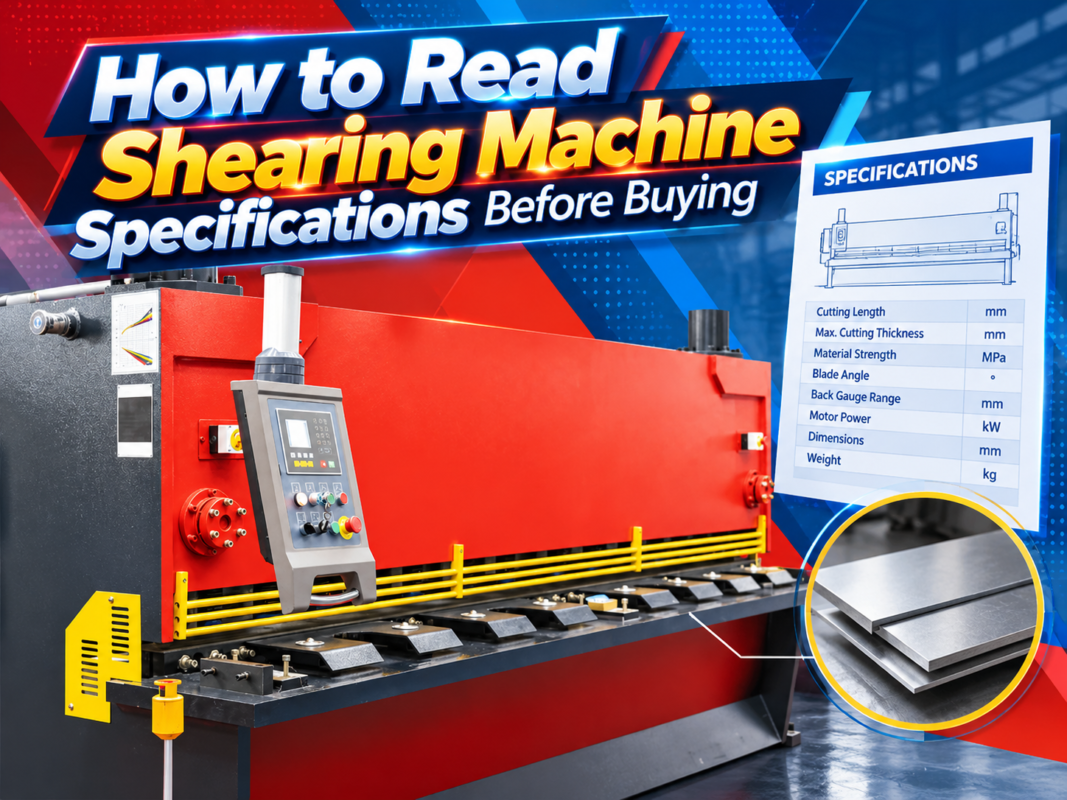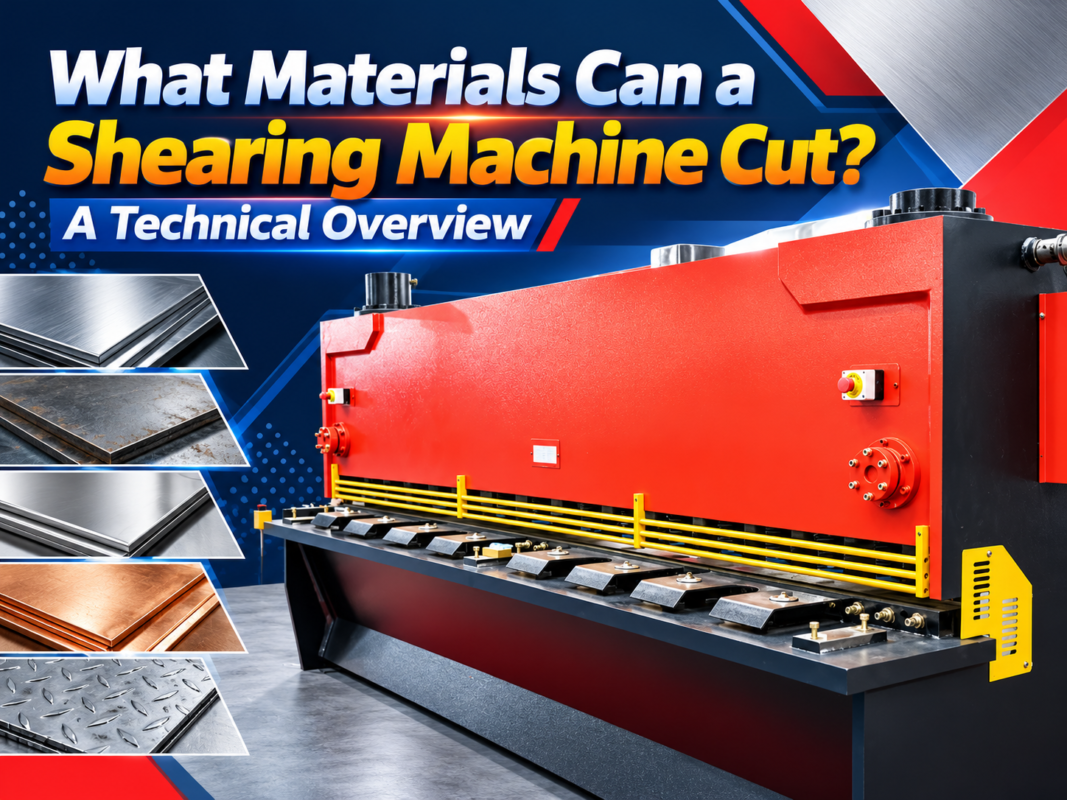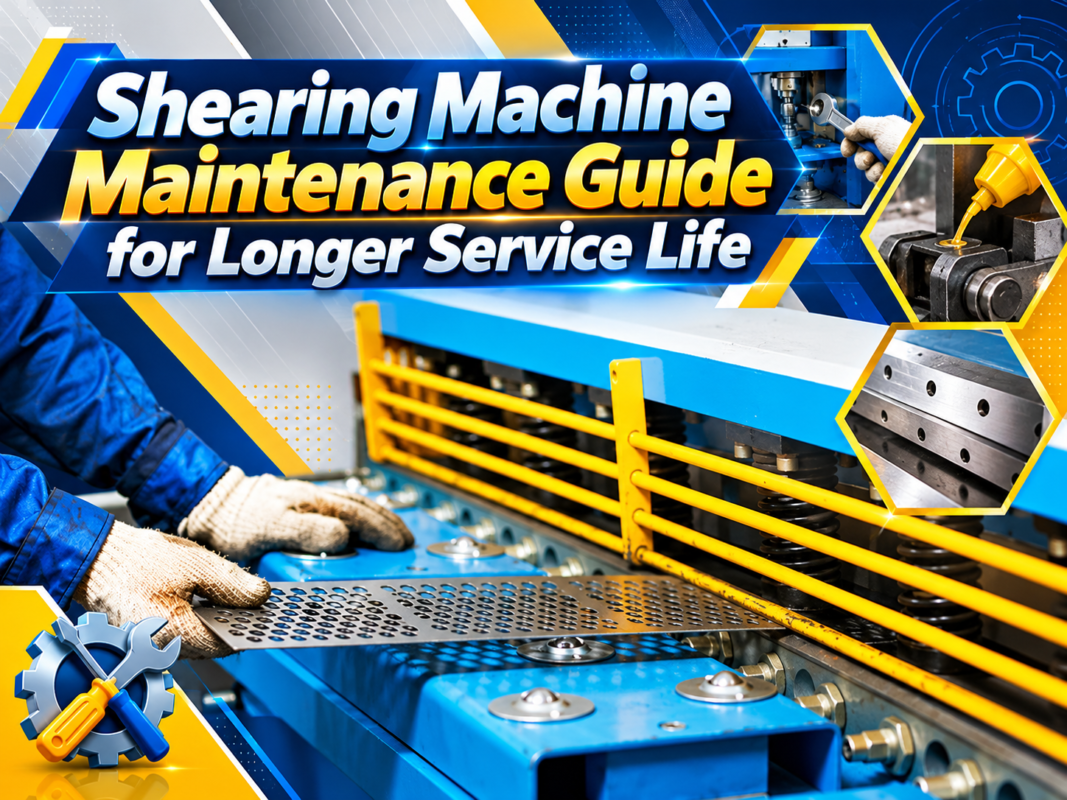
Hydraulic Shearing Machine Technical Guide: Key Components and Functions


Technical Overview: Understanding the Hydraulic Shearing Machine
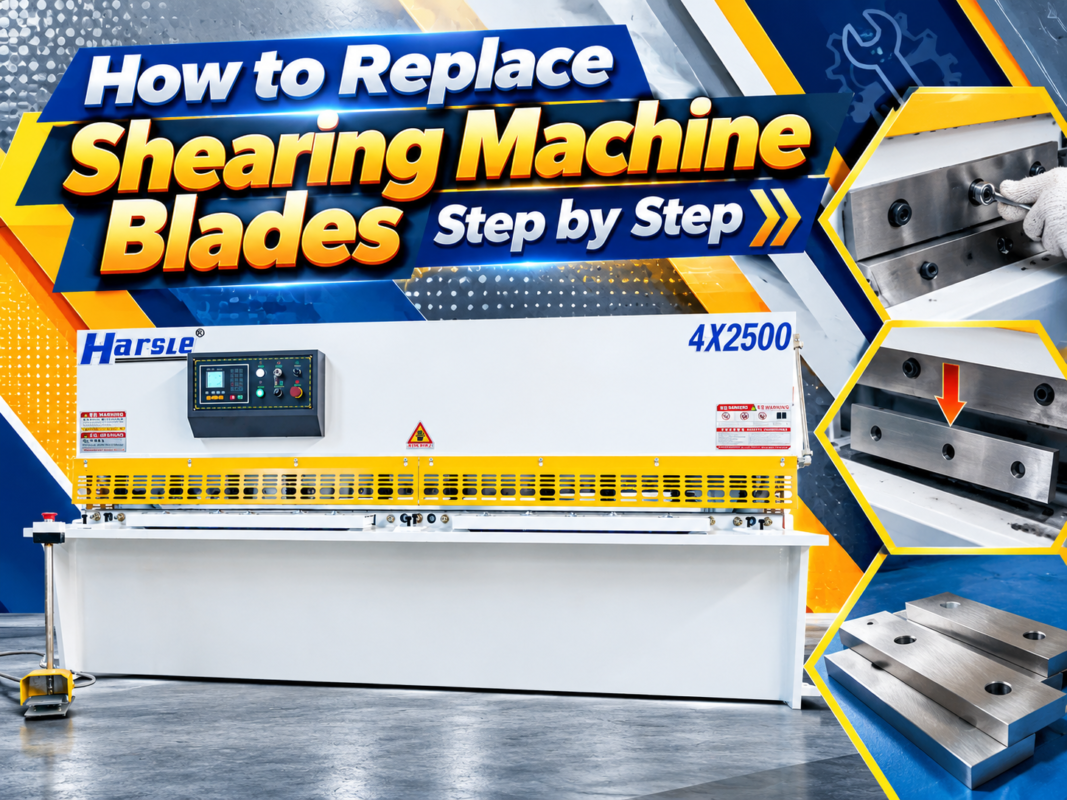
The hydraulic shearing machine stands as a cornerstone in modern metal fabrication facilities. Unlike mechanical shears that rely on flywheels and clutches, hydraulic shearing machines utilize pressurized fluid to generate the force necessary to slice through metal sheets with precision and consistency. This technical guide explores the intricate mechanics that define these machines, focusing on the Hydraulic Shearing Machine Technical Key Components Functions that ensure operational excellence.
At its core, the machine operates on Pascal’s Law, where pressure applied to an enclosed fluid is transmitted undiminished to every part of the fluid and the walls of the container. In a shearing context, this translates to a high-force downward stroke of the upper blade carrier. The integration of hydraulic cylinders, robust frame construction, and sophisticated control systems allows for the processing of various materials, from thin aluminum sheets to thick structural steel plates.
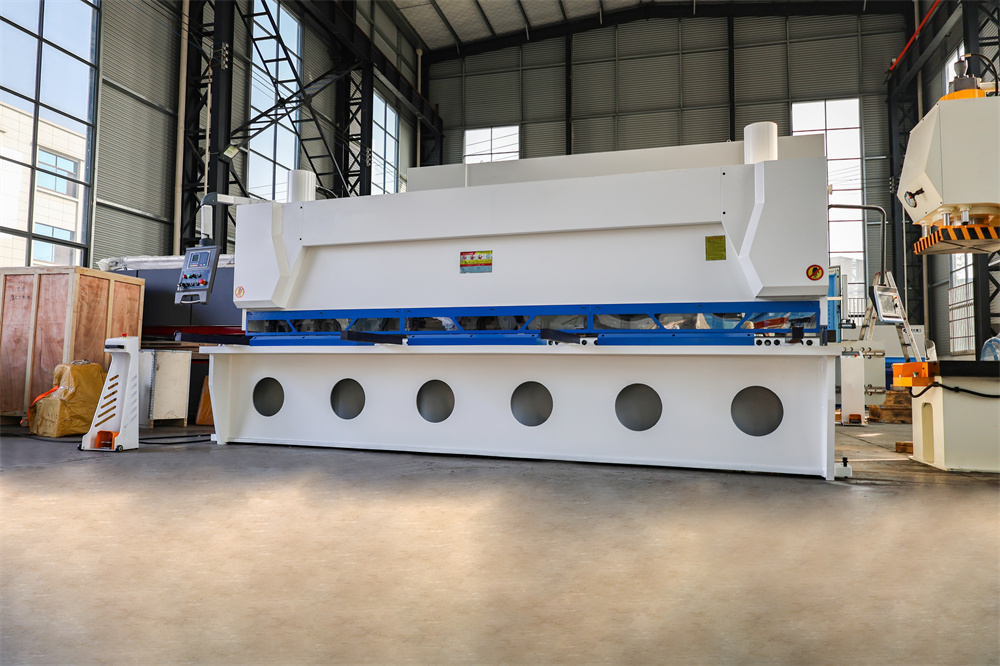
The structural integrity of the machine is paramount. Most industrial-grade shears, such as those manufactured by HARSLE, feature a welded steel plate construction that is stress-relieved to prevent deformation under heavy loads. This rigidity is essential for maintaining the blade clearance, which is the most critical technical factor in achieving a clean, burr-free cut. Without a stable frame, the shearing force would cause the blades to deflect, leading to poor edge quality and premature tool wear.
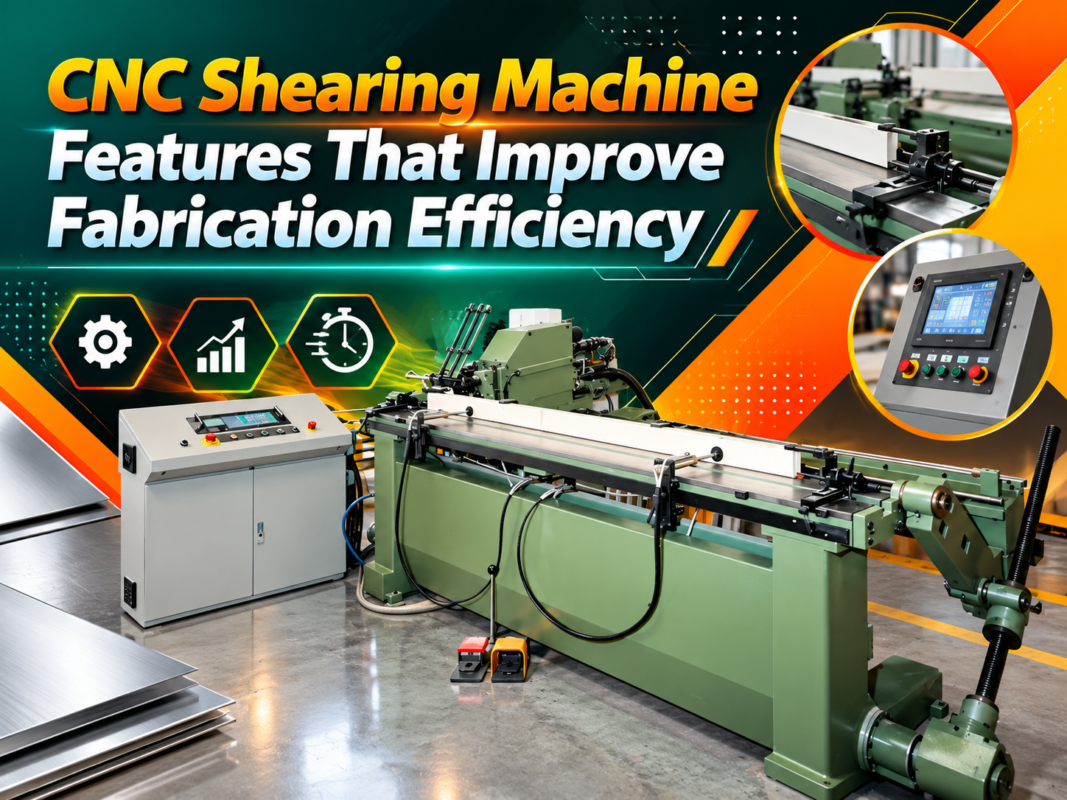
Modern hydraulic shears are also defined by their automation capabilities. CNC (Computer Numerical Control) systems allow operators to input material thickness, tensile strength, and desired dimensions, automatically adjusting the blade gap and rake angle. This transition from manual adjustment to digital precision has significantly reduced setup times and increased the repeatability of complex shearing tasks across various industrial applications.

Core Components and Their Functions
The functionality of a hydraulic shearing machine is derived from several key subsystems working in harmony. The hydraulic system, comprising the pump, valves, and cylinders, acts as the heart of the machine. The pump converts mechanical energy into hydraulic energy, while the directional control valves dictate the movement of the upper blade carrier. Precision-engineered cylinders ensure that the force is distributed evenly across the length of the blade.
The blade carrier (or ram) is the primary moving component. It is guided by high-precision rollers or sliding guides to ensure a perfectly vertical stroke. The quality of these guides determines the longevity of the blades. If the ram exhibits any lateral play, the blades will clash, leading to catastrophic damage. Therefore, the maintenance of the guide system is a critical aspect of the Hydraulic Shearing Machine Technical Guide.
The blade gap adjustment mechanism is perhaps the most vital component for quality control. Different materials and thicknesses require specific clearances between the upper and lower blades. A manual or motorized adjustment system allows the operator to set this gap precisely. If the gap is too wide, the material will bend rather than shear; if it is too narrow, the blades will experience excessive friction and potential chipping.
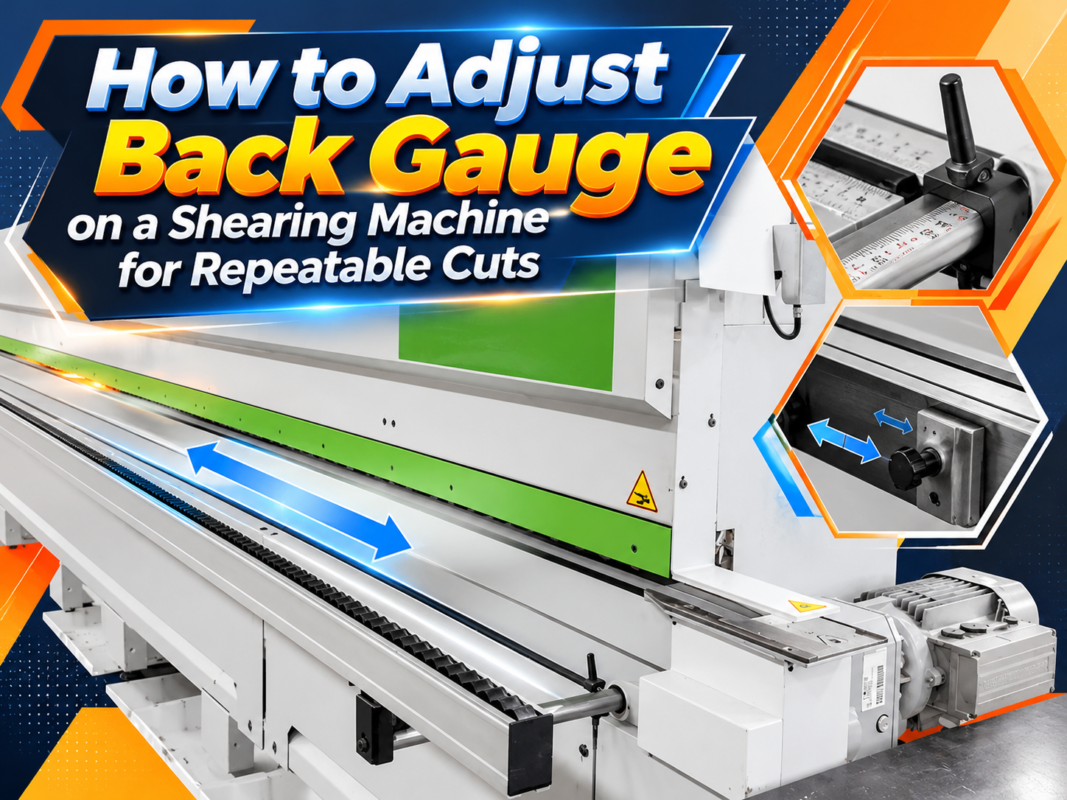
Finally, the backgauge system ensures dimensional accuracy. Modern backgauges are driven by ball screws and servo motors, providing positioning accuracy within fractions of a millimeter. This component is essential for repetitive cutting tasks where consistency across hundreds of parts is required. The integration of the backgauge with the CNC controller allows for multi-step shearing programs, further enhancing the productivity of the equipment.
Calculation Method: Determining Shearing Force and Capacity
Calculating the required shearing force is a fundamental step in selecting the right machine for your fabrication needs. The force required depends on the material’s shear strength, the thickness of the sheet, and the rake angle of the blades. The basic formula for shearing force is F = L * t² * σ / (2 * sin(α)), where L is the length of the cut, t is the thickness, σ is the shear strength, and α is the rake angle.
The rake angle (the angle at which the upper blade meets the material) plays a significant role in reducing the required force. By using a rake angle, the machine cuts the material progressively rather than all at once. This reduces the instantaneous load on the hydraulic system and the frame. However, a larger rake angle can cause the material to twist or deform, so a balance must be struck based on the material type and thickness.
Another critical calculation involves the blade clearance. A general rule of thumb is that the clearance should be approximately 5% to 10% of the material thickness. For harder materials like stainless steel, the clearance should be on the lower end of the spectrum to ensure a clean break. For softer materials like aluminum, a slightly larger clearance is often preferred to prevent the material from being pulled into the gap.
Engineers must also consider the tensile strength of the material. A machine rated for 10mm mild steel will have a significantly lower capacity when cutting high-tensile stainless steel. Always consult the manufacturer’s capacity chart, which is typically based on a standard tensile strength (usually 450 N/mm²). If your material exceeds this strength, you must derate the machine’s capacity accordingly to avoid overloading the hydraulic system.
Parameter Table: Standard Specifications
| Parameter | Typical Range | Importance |
|---|---|---|
| Espesor de corte | 2mm – 40mm | Determines machine class |
| Longitud de corte | 2500mm – 6000mm | Limits part size |
| Rake Angle | 0.5° – 3° | Affects force and distortion |
| Blade Gap Adjustment | Manual/Motorized | Crucial for cut quality |
| Backgauge Range | 0 – 1000mm | Determines part precision |
| Stroke Rate | 6 – 20 strokes/min | Defines production speed |
Common Engineering Mistakes in Shearing Operations
One of the most common mistakes in operating a hydraulic shearing machine is neglecting the blade gap adjustment when switching between material types. Operators often assume that a single setting is sufficient for all tasks. This leads to poor edge quality, excessive burrs, and, in severe cases, damage to the blades. Always verify the gap setting against the material thickness chart provided by the manufacturer.
Another frequent error is overloading the machine. Attempting to cut material that exceeds the machine’s rated capacity—or cutting material with a higher tensile strength than the machine is designed for—can lead to frame fatigue and hydraulic seal failure. Overloading often manifests as a slow, struggling stroke or the machine stalling mid-cut. If you find yourself frequently hitting the capacity limit, it is time to upgrade to a more robust model.
Improper maintenance of the hydraulic fluid is a silent killer of shearing machines. Hydraulic oil degrades over time due to heat and contamination. If the oil is not changed at recommended intervals, the valves can become clogged, and the pump efficiency will drop significantly. Furthermore, failing to monitor the oil temperature can lead to overheating, which thins the oil and reduces the force the cylinders can exert.
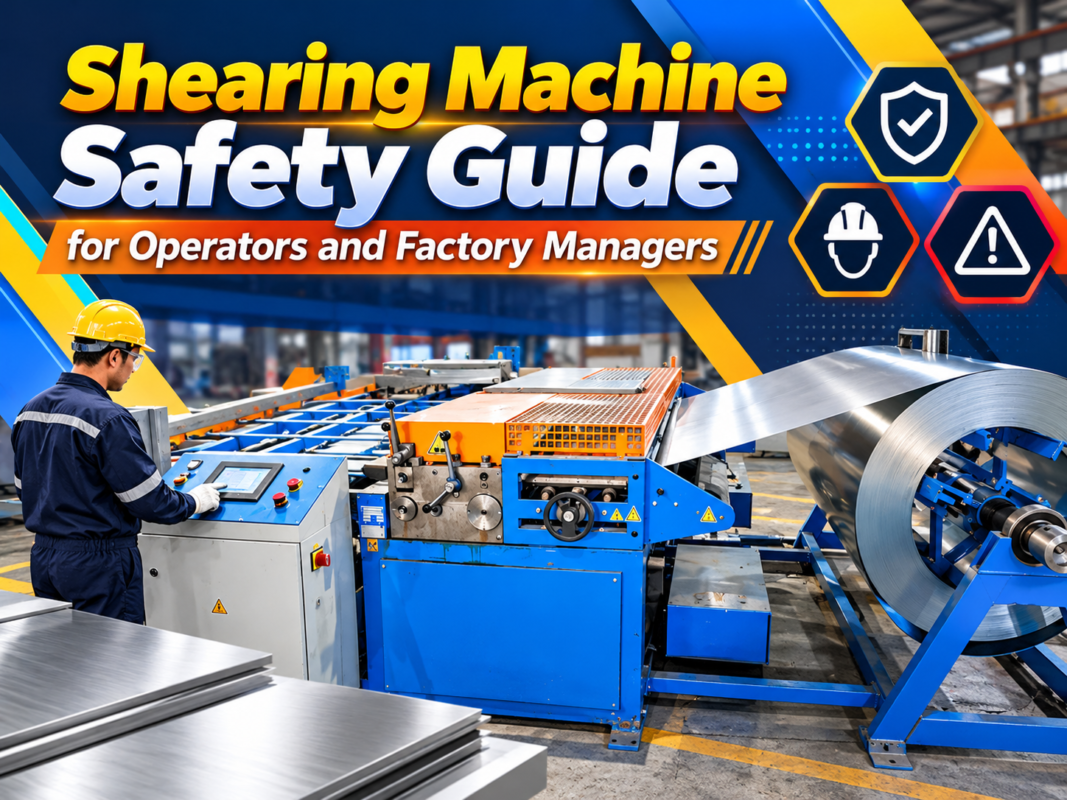
Finally, ignoring the safety features is a critical mistake. Hydraulic shears are incredibly powerful and unforgiving. Operators must ensure that light curtains, foot pedals, and emergency stops are fully functional. Bypassing these safety systems to increase speed is a dangerous practice that can lead to severe workplace accidents. Always prioritize safety protocols as part of your daily operational routine.
Selection Checklist: Choosing the Right Machine
When selecting a hydraulic shearing machine, start by defining your material requirements. What is the thickest material you will cut? What is the longest? What is the material type (mild steel, stainless, aluminum)? These three factors will dictate the required cutting force and the necessary bed length. Do not buy a machine that just meets your current needs; consider your growth over the next five years.
Evaluate the control system. If your production involves high-mix, low-volume batches, a CNC controller with an automatic blade gap and rake angle adjustment is essential. This will save hours of manual setup time and minimize human error. If you are doing high-volume, repetitive work, a simpler, more robust manual or semi-automatic system might be more cost-effective.
Consider the quality of the components. Look for reputable brands for the hydraulic valves, pumps, and electrical components. A machine is only as reliable as its weakest part. HARSLE, for instance, utilizes high-quality international components to ensure long-term reliability and ease of maintenance. Ask the supplier about the availability of spare parts and the quality of their after-sales support.
Finally, look at the machine’s rigidity. A heavier machine is generally better for shearing as it absorbs the shock of the cut more effectively. Check the frame construction and the quality of the blade guides. A well-built machine will have a long service life, providing a better return on investment over time. Always ask for a demonstration or a list of references from other fabricators who have used the machine for similar applications.
FAQ: Frequently Asked Questions
How often should I change the hydraulic oil?
Generally, hydraulic oil should be changed every 2,000 to 4,000 operating hours, or once a year, whichever comes first. However, check your specific machine manual as environmental conditions can accelerate oil degradation.
Why is there a burr on the edge of my cut?
A burr is usually caused by an incorrect blade gap. If the gap is too large, the material is pulled into the clearance rather than sheared. Adjust the gap to be tighter, or check if your blades are dull and require sharpening.
Can I cut multiple sheets at once?
While some machines allow for stacking, it is generally not recommended as it can lead to uneven cuts and increased wear on the blades. Always refer to the manufacturer’s guidelines regarding multi-sheet shearing.
What is the difference between a swing beam and a guillotine shear?
A swing beam shear uses a pivoting upper blade carrier, which is simpler and often more cost-effective. A guillotine shear moves the upper blade in a perfectly vertical path, which provides better precision and less distortion for thicker materials.
How do I know if my blades need sharpening?
If you notice increased burrs, the machine requires more force to complete a cut, or the material starts to slip during the shearing process, it is likely time to remove and sharpen the blades.