CNC Shearing Machine Features That Improve Fabrication Efficiency: A Comprehensive Guide


Technical Overview
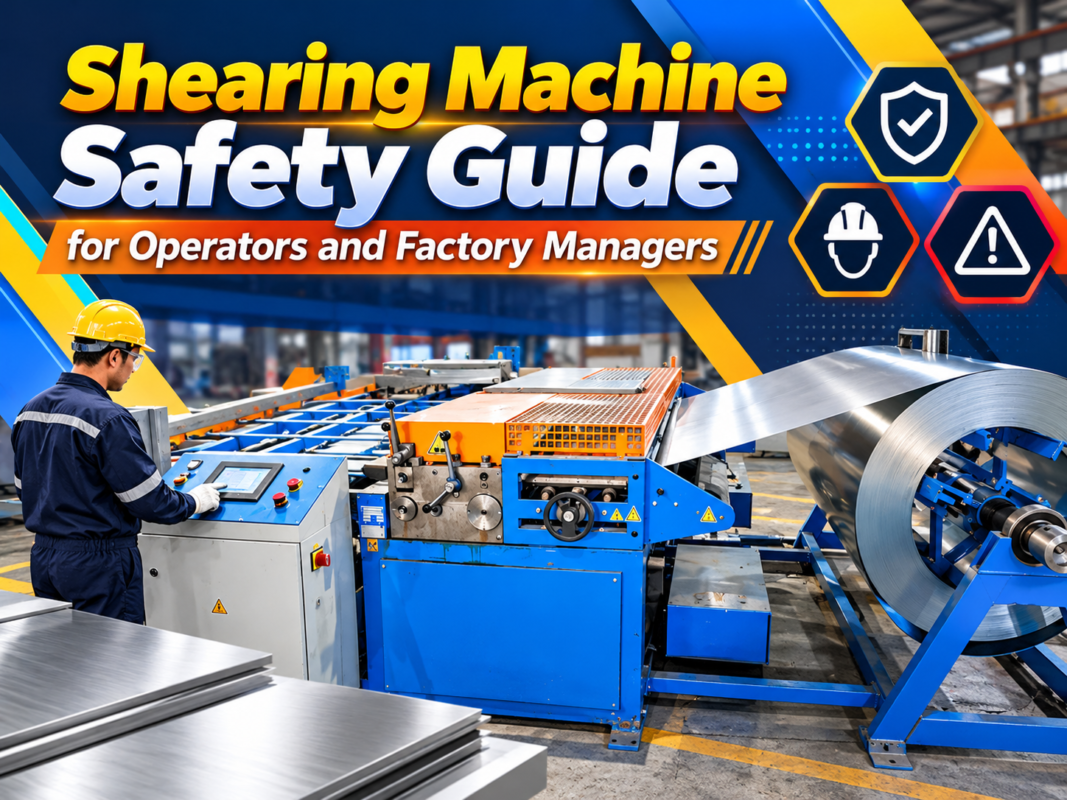
In the modern metal fabrication landscape, the demand for precision, speed, and material optimization has never been higher. CNC shearing machines have evolved from simple mechanical cutters into sophisticated, software-driven systems that form the backbone of efficient production lines. Understanding the CNC shearing machine features that improve fabrication efficiency is critical for shop owners looking to reduce waste and increase throughput.
At its core, a CNC shearing machine utilizes a hydraulic or mechanical drive system to force a moving blade against a fixed blade, shearing through sheet metal with high force. The integration of Computer Numerical Control (CNC) allows operators to input exact dimensions, automatically adjusting the blade gap, rake angle, and backgauge position. This automation eliminates the human error associated with manual adjustments, ensuring that every cut is repeatable and accurate to within fractions of a millimeter.
Efficiency in shearing is not just about the speed of the blade stroke; it is about the reduction of setup time and the minimization of scrap material. Modern HARSLE CNC shearing machines feature advanced controllers that store hundreds of cutting programs, allowing for rapid job changeovers. By leveraging these features, fabricators can transition from cutting thin aluminum sheets to thick structural steel plates in minutes rather than hours.
Furthermore, the integration of material handling systems and automated backgauge retraction ensures that the workflow remains fluid. When the machine handles the positioning and the software manages the parameters, the operator’s role shifts from manual labor to process supervision. This transition is essential for scaling production in competitive industrial environments where margins are tight and delivery deadlines are strict.
Finally, the structural rigidity of the machine frame plays a pivotal role in long-term efficiency. A machine that suffers from deflection under load will produce inconsistent cuts, leading to downstream assembly issues. High-quality CNC shearing machines are engineered with stress-relieved steel frames that maintain alignment even under maximum capacity, ensuring that the machine remains a reliable asset for years.
Core Parameters
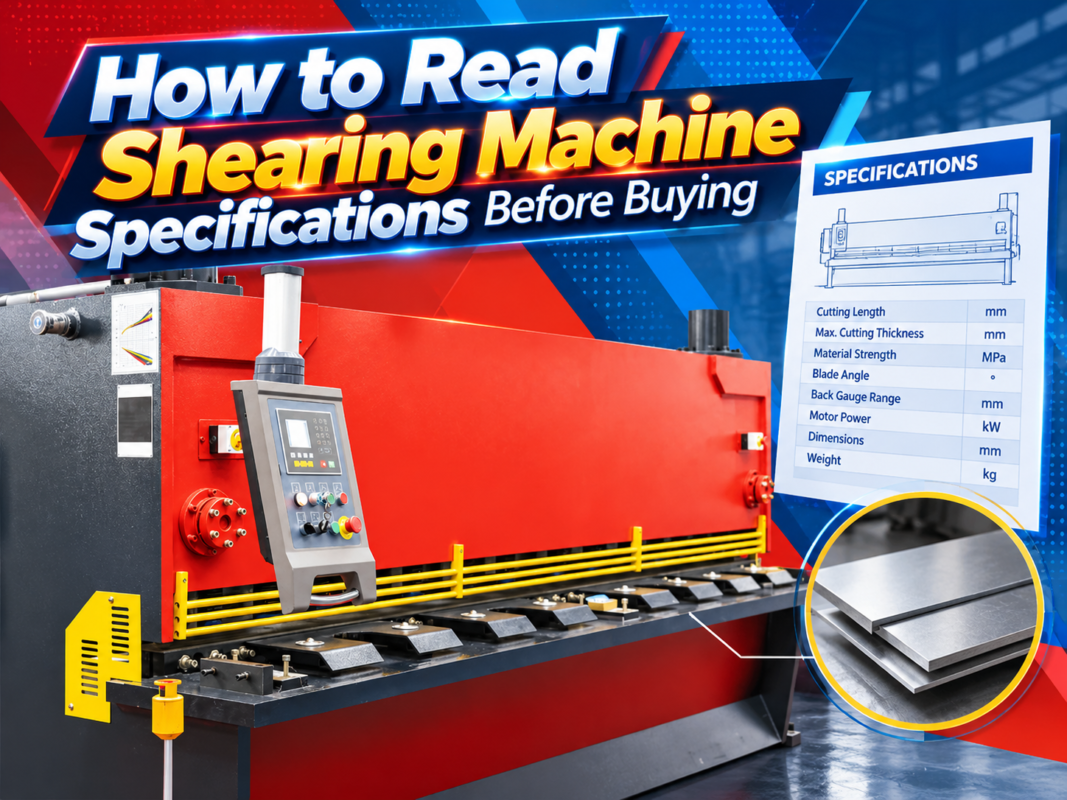
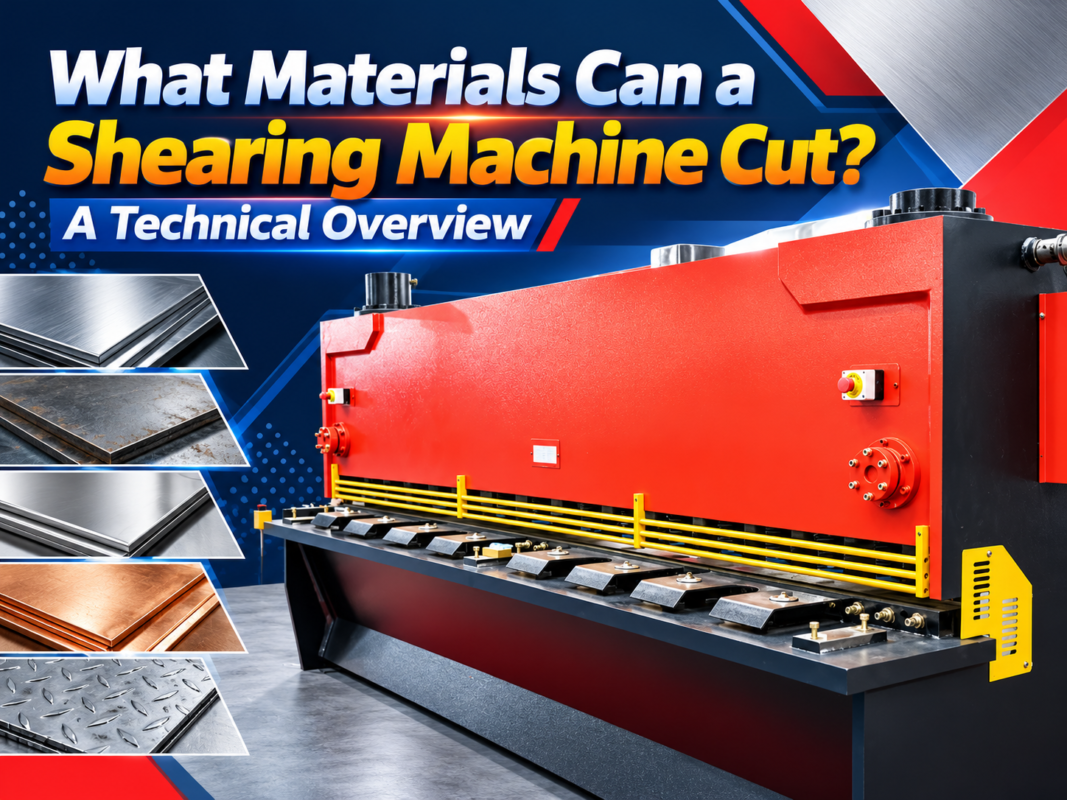
To maximize the utility of your equipment, one must understand the core parameters that define a machine’s performance. The most critical parameter is the cutting capacity, which is defined by both the thickness and the tensile strength of the material. A machine rated for 10mm mild steel may struggle with 6mm stainless steel due to the higher hardness and work-hardening characteristics of the latter.
The rake angle is another vital parameter. A variable rake angle allows the machine to adjust the angle of the upper blade relative to the lower blade. A smaller rake angle is ideal for thin materials to prevent twisting, while a larger rake angle is necessary for thicker plates to reduce the required shearing force. CNC control of this angle is a hallmark of high-efficiency equipment.
Blade gap adjustment is perhaps the most significant factor in cut quality. If the gap is too wide, the material will be pulled into the gap, causing burrs and deformation. If the gap is too narrow, the machine will consume excessive power and cause premature blade wear. Automated CNC gap adjustment ensures the perfect clearance for every material thickness, significantly extending the life of the blades.
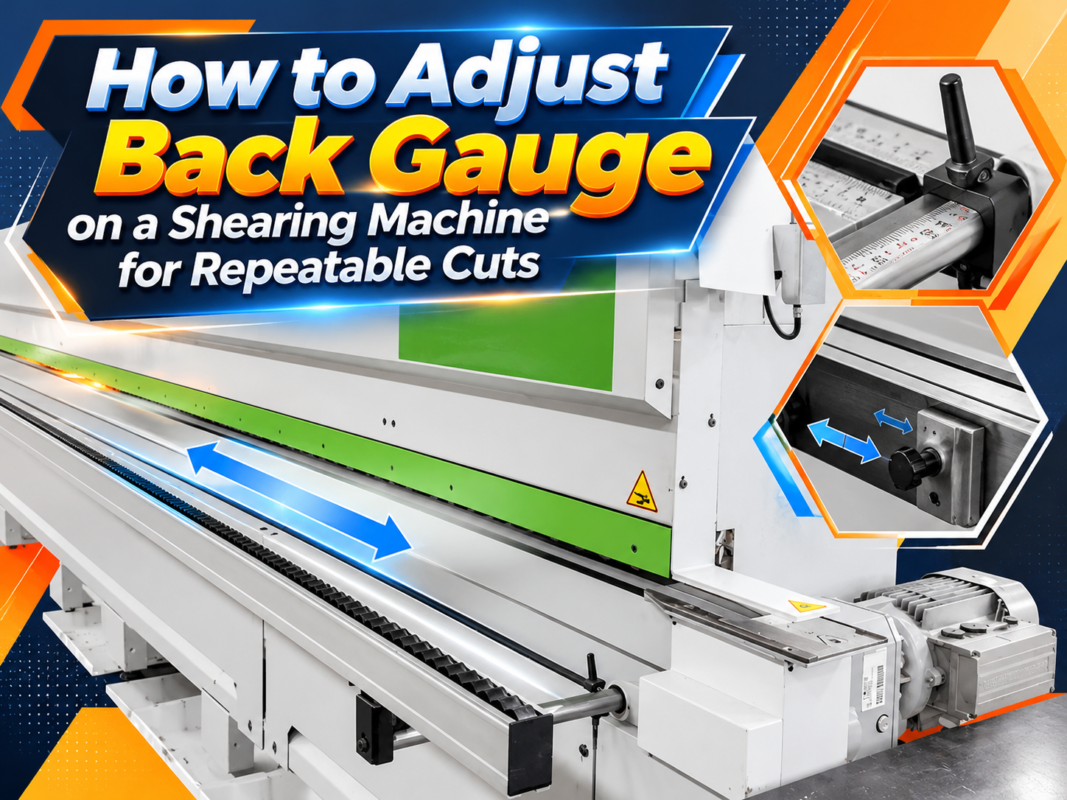
The backgauge travel distance and speed determine how quickly the machine can position the sheet for the next cut. High-speed CNC backgauges with ball screw drives provide the precision required for complex nested parts. Additionally, the stroke length and the number of strokes per minute (SPM) define the production capacity of the machine, especially when dealing with high-volume, small-part production.
Lastly, the throat depth determines the maximum width of the sheet that can be processed. A deep throat allows for longer cuts and more flexibility in part orientation. When selecting a machine, these parameters must be balanced against the specific requirements of your product mix to ensure that you are not over-investing in capacity you do not need, or under-investing in a machine that will become a bottleneck.
Calculation Method
Calculating the required shearing force is essential for selecting the right machine and ensuring efficient operation. The basic formula for shearing force (F) is F = L × t² × σ / (1.5 × S), where L is the length of the cut, t is the thickness of the material, σ is the ultimate tensile strength of the material, and S is the shear strength factor.
However, in a practical CNC environment, we also calculate the efficiency of the cut based on the cycle time. The total cycle time (T) is the sum of the loading time, the backgauge positioning time, the shearing stroke time, and the unloading time. By optimizing the backgauge speed and the stroke length (using the CNC controller to limit the stroke to only what is necessary for the material width), fabricators can shave seconds off every cut.
Material utilization is another calculation that impacts efficiency. Using nesting software to calculate the most efficient layout of parts on a sheet reduces scrap. The CNC controller can often interface with this software to execute a series of cuts that minimize the distance the material needs to travel, further reducing the total processing time per sheet.
Energy efficiency is also a growing concern. Modern hydraulic systems use variable frequency drives (VFDs) to adjust the motor speed based on the load. By calculating the energy consumption per cut, shop managers can identify which processes are the most expensive and optimize the cutting sequence to reduce the idle time of the hydraulic pump.
Parameter Table
| Parameter | Función | Impact on Efficiency |
|---|---|---|
| CNC Blade Gap | Adjusts clearance between blades | Prevents burrs, reduces rework |
| Variable Rake Angle | Changes cutting angle | Reduces distortion in thin sheets |
| Backgauge Speed | Positioning velocity | Increases parts per hour |
| Stroke Adjustment | Limits blade travel | Reduces cycle time for narrow strips |
| Hydraulic Clamping | Secures material | Prevents slippage and inaccuracies |
Common Engineering Mistakes
One of the most frequent mistakes in metal fabrication is failing to account for material work-hardening. When shearing stainless steel or high-strength alloys, the material becomes harder as it is cut. Operators often use the same settings for stainless as they do for mild steel, which leads to rapid blade dulling and potential damage to the machine frame. Always adjust the rake angle and gap specifically for the material grade.
Another common error is neglecting the maintenance of the blade gap. Over time, the hydraulic system may experience minor pressure drops, or the blade mounting bolts may loosen. If the gap is not checked and recalibrated regularly, the quality of the cut will degrade, leading to increased grinding and finishing time. This is a hidden cost that significantly impacts overall fabrication efficiency.
Ignoring the lubrication of the backgauge and guide rails is a recipe for failure. CNC shearing machines rely on precise movement; if the rails are clogged with metal dust or lack lubrication, the backgauge will lose accuracy. This results in parts that are out of tolerance, leading to scrap and wasted material. A strict maintenance schedule is not optional; it is a requirement for efficiency.
Finally, many shops fail to utilize the full potential of the CNC controller. They may use the machine as a manual shear, ignoring the programmable features that allow for batch processing. By not utilizing the memory functions for recurring jobs, operators waste time manually inputting dimensions for every single run, which is a major inefficiency in high-mix, low-volume environments.
Selection Checklist
- Material Range: Does the machine handle your thickest and thinnest materials?
- CNC Controller: Is the interface user-friendly and compatible with your existing software?
- Automation Options: Do you need sheet supports or automatic scrap removal?
- Support and Service: Does the manufacturer provide local technical support and spare parts?
- Safety Features: Are light curtains and emergency stops integrated into the CNC system?
- Energy Consumption: Does the machine feature energy-saving hydraulic components?
FAQ
How does a CNC shearing machine improve efficiency compared to manual shears?
CNC shearing machines automate the blade gap, rake angle, and backgauge positioning. This eliminates manual setup time, reduces human error, and ensures consistent, high-quality cuts that require no secondary finishing.
What is the most important maintenance task for a shearing machine?
Regularly checking and adjusting the blade gap is the most important task. Proper clearance prevents burrs and significantly extends the lifespan of the cutting blades.
Can a CNC shearing machine handle different types of metal?
Yes, provided the machine is programmed with the correct parameters for the specific tensile strength and thickness of the material. Always consult the machine’s capacity chart before cutting high-strength alloys.
Why is the rake angle important?
The rake angle determines the shearing force and the amount of distortion in the cut material. A variable rake angle allows the machine to handle a wider variety of materials and thicknesses with minimal deformation.
How often should I sharpen the blades?
Blade sharpening frequency depends on the material type, thickness, and volume of cuts. Signs that sharpening is needed include burrs on the cut edge, increased noise during the cut, or the material pulling into the gap.