
Automatic Punching Machine Features That Increase Output and Reduce Labor: A Comprehensive Guide


Technical Overview
In the modern landscape of metal fabrication, the demand for precision, speed, and cost-efficiency has never been higher. HARSLE’s range of CNC punching solutions represents the pinnacle of engineering designed to meet these challenges. An automatic punching machine is not merely a tool for creating holes; it is a sophisticated system that integrates mechanical force, hydraulic or servo-driven precision, and advanced software control to transform raw sheet metal into finished components with minimal human intervention.
The core philosophy behind modern automatic punching machine features that increase output and reduce labor lies in the reduction of non-productive time. Traditional manual punching requires significant setup, manual material positioning, and constant operator oversight. In contrast, HARSLE’s automated systems utilize high-speed turret indexing, automatic tool changers, and intelligent material handling systems to ensure that the machine remains in a state of constant production, thereby maximizing the return on investment for fabrication shops.
By leveraging servo-electric or high-performance hydraulic drive systems, these machines achieve rapid stroke rates while maintaining extreme positional accuracy. This technical synergy allows for complex patterns, intricate shapes, and high-volume production runs that would be impossible or prohibitively expensive using manual methods. The integration of CAD/CAM software allows operators to nest parts efficiently, reducing material waste and further optimizing the production cycle.
Furthermore, the evolution of these machines includes advanced diagnostic capabilities. Real-time monitoring of tool wear, hydraulic pressure, and motor temperature ensures that the machine operates within optimal parameters, preventing unexpected downtime. This proactive approach to maintenance is a critical component of the automatic punching machine features that increase output and reduce labor, as it shifts the focus from reactive repairs to predictive performance management.
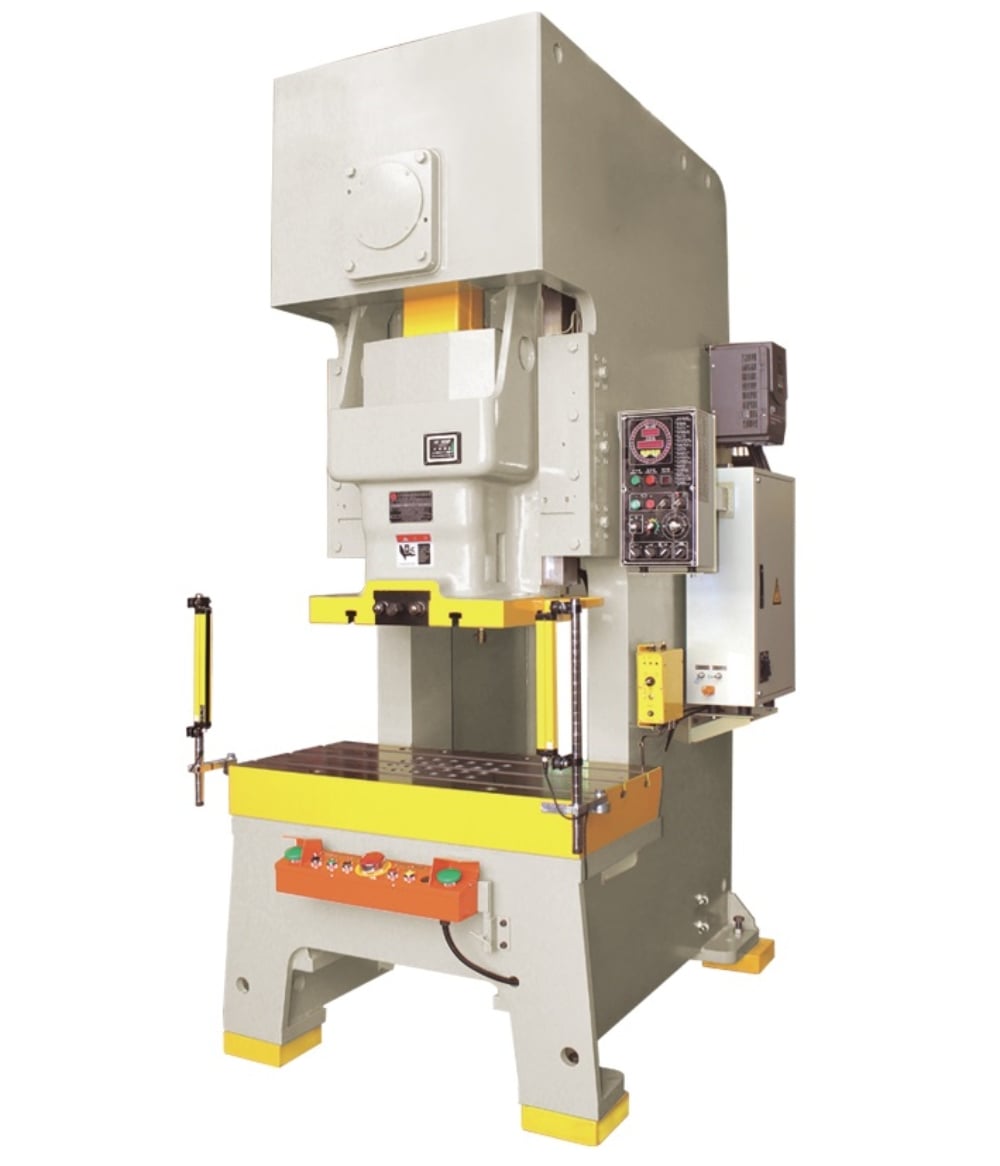
Core Parameters
Understanding the technical specifications of an automatic punching machine is essential for any fabrication manager looking to scale production. The primary parameter is the punching force, typically measured in kilonewtons (kN) or tons. This determines the thickness and material type the machine can process. HARSLE machines are engineered with robust frames to handle high-tonnage operations without compromising structural integrity or precision.
Another critical parameter is the turret configuration and tool station count. A machine with a high number of stations, including auto-index stations, allows for a wider variety of tools to be loaded simultaneously. This feature significantly reduces the time spent on tool changes, which is a major bottleneck in traditional fabrication. By keeping a diverse array of punches and dies ready for use, the machine can transition between different part geometries seamlessly.
The hit rate, measured in hits per minute (HPM), is perhaps the most visible indicator of productivity. Modern HARSLE machines are capable of thousands of hits per minute for nibbling operations and hundreds for standard punching. This high-speed capability is supported by advanced acceleration and deceleration profiles of the X and Y axes, ensuring that the sheet moves quickly and accurately between punch locations without vibration or overshoot.
Finally, the maximum sheet size and repositioning capability define the machine’s versatility. Large-format sheets can be processed with minimal repositioning, which saves time and reduces the risk of alignment errors. When repositioning is necessary, HARSLE’s automated clamps and precision sensors ensure that the sheet is re-indexed with micron-level accuracy, maintaining the integrity of the part across the entire sheet surface.
Calculation Method
To quantify the impact of automatic punching machine features that increase output and reduce labor, one must look at the Total Cycle Time (TCT). The TCT is calculated as the sum of loading time, positioning time, punching time, tool change time, and unloading time. By automating these steps, HARSLE machines drastically reduce the TCT compared to manual alternatives.
The formula for production capacity can be expressed as: Capacity = (Available Time × Efficiency) / TCT per part. Efficiency is heavily influenced by the machine’s automation level. For instance, an automatic tool changer (ATC) reduces the tool change time from minutes to seconds. If a shop performs 20 tool changes per shift, saving 5 minutes per change results in 100 minutes of additional production time per shift, directly increasing output without additional labor.
Labor reduction is calculated by comparing the number of operators required for a specific production volume. A manual punching setup might require one operator per machine, plus a material handler. An automated HARSLE cell, featuring robotic loading and unloading, can operate in a ‘lights-out’ environment, requiring only one supervisor for multiple machines. This shift in labor allocation allows skilled workers to focus on programming and quality control rather than repetitive manual tasks.
Return on Investment (ROI) is further enhanced by material utilization rates. Advanced nesting software, integrated with the machine’s control system, calculates the most efficient layout for parts on a sheet. By reducing scrap rates by even 5-10%, the cost savings on raw materials often pay for the machine’s automation features within the first two years of operation.
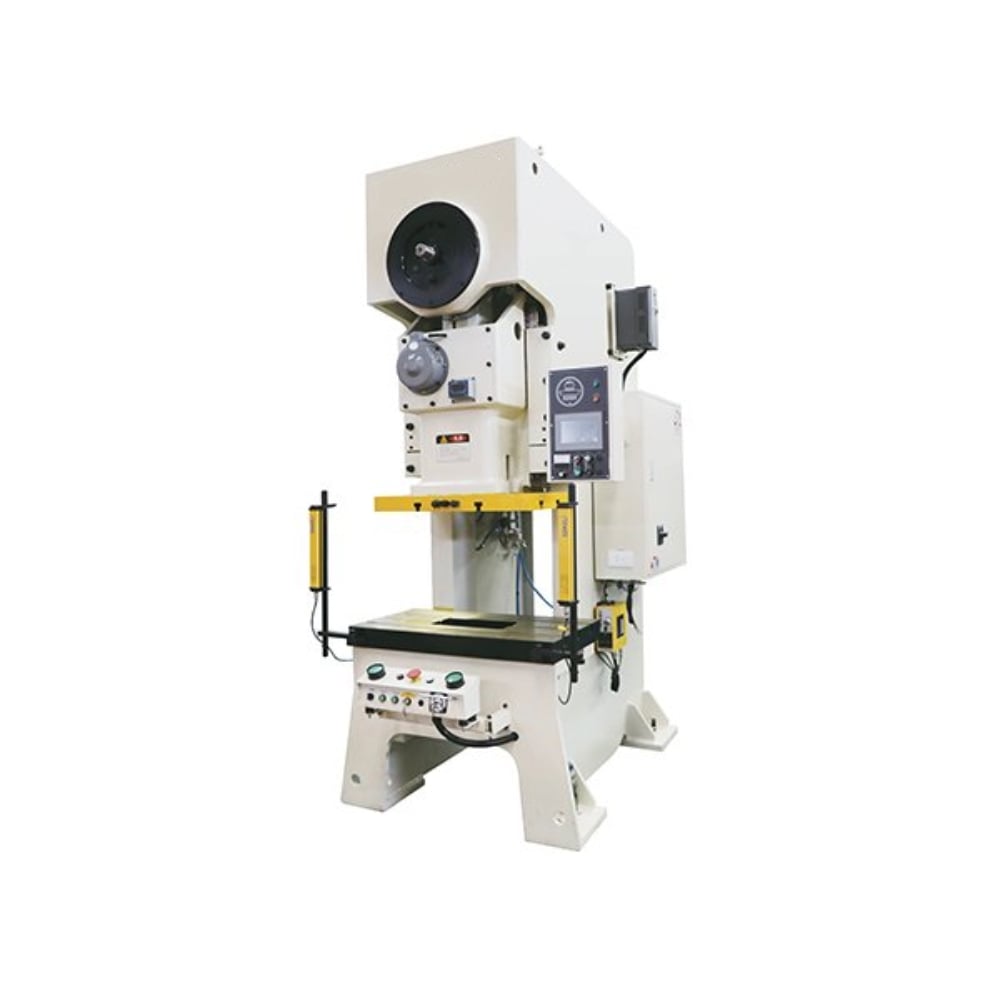
Parameter Table
| Parameter | Standard Specification | Impact on Productivity |
|---|---|---|
| Punching Force | 200kN – 500kN | Determines material thickness capacity |
| Hit Rate (Nibbling) | 1200 – 1800 HPM | Directly increases throughput speed |
| Turret Stations | 24 – 48 Stations | Reduces tool change frequency |
| Positioning Accuracy | ±0.05mm | Reduces rework and scrap |
| Max Sheet Size | 1250mm x 2500mm | Minimizes sheet repositioning |
| Tool Change Time | < 3 Seconds | Maximizes machine uptime |
Common Engineering Mistakes
One of the most frequent mistakes in selecting an automatic punching machine is ignoring the compatibility between the machine’s turret design and the shop’s existing tool library. Investing in a machine that requires an entirely new set of proprietary tools can lead to significant hidden costs. HARSLE provides flexible turret designs that can often accommodate standard industry tooling, ensuring a smoother transition and lower operational costs.
Another common error is underestimating the importance of the software ecosystem. A machine is only as fast as the code it receives. If the CAD/CAM software is not optimized for the specific machine’s capabilities—such as its acceleration curves or turret rotation speed—the machine will never reach its theoretical maximum output. Investing in high-quality, machine-specific software is just as important as the hardware itself.
Neglecting the material handling aspect is a critical oversight. Many shops purchase a high-speed punch press but continue to load and unload sheets manually. This creates a bottleneck at the machine interface, rendering the high-speed punching capabilities useless. To truly benefit from automatic punching machine features that increase output and reduce labor, the entire material flow must be automated, from raw sheet storage to finished part sorting.
Finally, failing to implement a rigorous preventive maintenance schedule is a recipe for disaster. High-speed punching machines are precision instruments. Ignoring lubrication, sensor calibration, or hydraulic fluid quality will lead to premature wear and inconsistent part quality. A machine that is down for repairs is not producing, and the cost of unplanned downtime far outweighs the cost of scheduled maintenance.
Selection Checklist
- Production Volume: Determine if your current and projected volume justifies the investment in full automation.
- Material Variety: Ensure the machine’s tonnage and turret configuration can handle the range of materials (steel, aluminum, stainless) you process.
- Tooling Compatibility: Check if the machine supports your current tool inventory or if a transition plan is required.
- Software Integration: Verify that the machine’s controller is compatible with your existing CAD/CAM workflow.
- Automation Level: Assess whether you need basic auto-indexing or a full robotic cell for lights-out production.
- Support and Service: Confirm that the manufacturer provides local technical support and readily available spare parts.
- Energy Efficiency: Look for servo-driven systems that consume less power during idle and active states.
- Footprint: Ensure the machine and its associated automation equipment fit within your facility’s layout.
FAQ
How do automatic punching machine features increase output and reduce labor?
These features, such as automatic tool changers, high-speed turret indexing, and robotic material handling, eliminate manual intervention. By automating the repetitive tasks of tool swapping, sheet positioning, and part removal, the machine can run continuously, significantly increasing throughput while requiring fewer operators.
What is the benefit of servo-driven punching over hydraulic?
Servo-driven systems offer higher energy efficiency, faster acceleration, and more precise control over the ram stroke. This results in higher hit rates, lower noise levels, and reduced maintenance costs compared to traditional hydraulic systems.
Can HARSLE machines integrate with existing factory software?
Yes, HARSLE machines are designed with open-architecture controllers that support standard industry protocols, allowing for seamless integration with most modern CAD/CAM and ERP systems used in metal fabrication.
What maintenance is required to keep the machine at peak performance?
Regular maintenance includes checking hydraulic/servo systems, cleaning the turret and tool stations, calibrating the X/Y axes, and ensuring that all safety sensors are functioning correctly. Following the manufacturer’s maintenance manual is critical for longevity.
Is it worth investing in an automatic tool changer?
For shops that frequently switch between different part designs or use a wide variety of hole shapes, an automatic tool changer is essential. It eliminates the downtime associated with manual tool changes, which can account for a significant portion of the total production time.












