Case Study: Faster Batch Processing Using a CNC Punching Machine for Metal Panels


Introduction
In the modern landscape of metal fabrication, the demand for high-speed, high-precision production has never been greater. Manufacturers are constantly seeking ways to reduce cycle times while maintaining the structural integrity and aesthetic quality of their metal panels. This article explores a comprehensive Case Study: Faster Batch Processing Using A CNC Punching Machine Metal Panels, highlighting how HARSLE technology transforms traditional workflows into streamlined, automated powerhouses.
Batch processing often serves as the bottleneck in metal fabrication shops. When dealing with complex patterns, ventilation holes, or intricate mounting points on metal panels, manual or semi-automated methods fall short. By integrating advanced CNC punching technology, fabricators can achieve a level of repeatability and speed that was previously unattainable. This case study examines the transition from legacy systems to HARSLE’s high-performance CNC punching solutions.
The shift toward CNC-driven manufacturing is not merely about speed; it is about the intelligent use of resources. By minimizing material waste and reducing the need for secondary finishing processes, businesses can significantly lower their cost-per-part. Throughout this article, we will dissect the technical advantages and operational shifts that occur when a facility upgrades its punching capabilities to meet modern industrial standards.
As we delve into the specifics of this case study, we will look at the challenges faced by a mid-sized fabrication shop and how the implementation of HARSLE machinery provided a scalable solution. Whether you are a production manager or a business owner, understanding the mechanics of faster batch processing is essential for staying competitive in a global market.
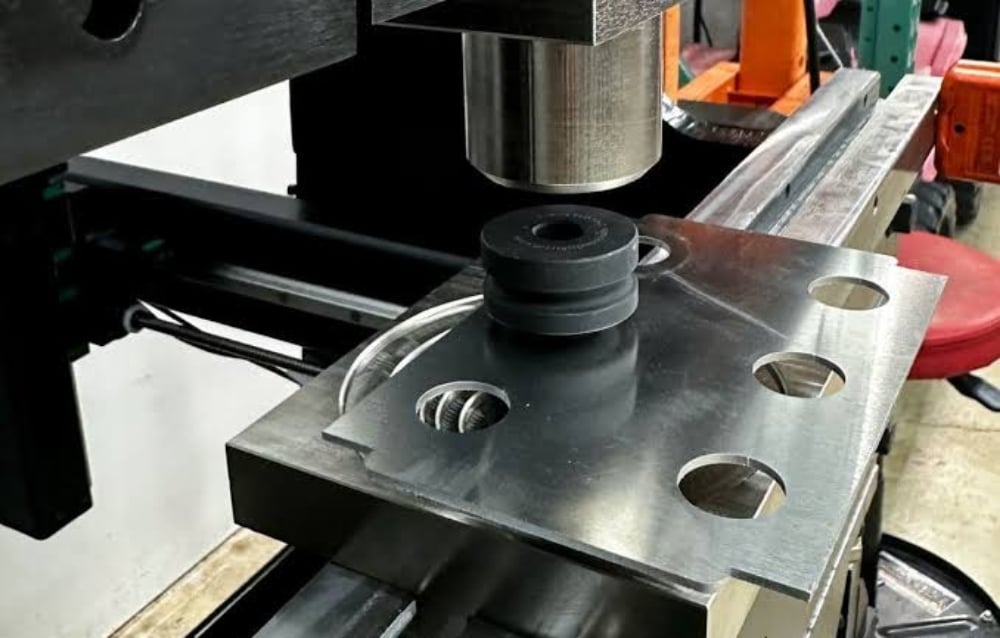
Key Considerations for Batch Processing Efficiency
When evaluating the efficiency of batch processing, the primary metric is the throughput per hour. However, throughput is influenced by several factors, including tool change times, sheet repositioning, and the complexity of the nesting software. In our Case Study: Faster Batch Processing Using A CNC Punching Machine For Metal Panels, we identified that the initial setup time was the most significant drain on productivity.
Tool management is a critical consideration. Traditional punching machines often require manual tool changes, which can take several minutes per batch. HARSLE CNC punching machines utilize automatic tool changers (ATC) and multi-tool stations, allowing the machine to switch between different punch shapes and sizes in seconds. This capability is vital for panels that require diverse hole patterns, such as electrical enclosures or architectural cladding.
Another key factor is the nesting software. Efficient nesting minimizes scrap metal, which is a major cost driver in batch processing. By utilizing advanced CAD/CAM integration, the CNC machine can optimize the layout of parts on a single sheet of metal, ensuring that the punching path is as short as possible. This reduces the travel time of the machine head and increases the overall lifespan of the punching tools.
Finally, material handling plays a pivotal role. The ability to load and unload sheets automatically or via a semi-automated system ensures that the punching head remains active for a higher percentage of the shift. In our case study, the transition to an automated loading system reduced operator fatigue and allowed for “lights-out” manufacturing, where the machine continues to process batches long after the primary shift has ended.
Technical Details of HARSLE CNC Punching Solutions
HARSLE CNC punching machines are engineered for high-speed performance and long-term reliability. At the heart of these machines is a robust frame designed to withstand the high-impact forces of punching without compromising on accuracy. The drive systems utilize high-precision ball screws and linear guides, ensuring that every hole is placed with micron-level precision.
The punching force is generated by a high-efficiency hydraulic or servo-electric system. Servo-electric systems, in particular, offer superior energy efficiency and quieter operation compared to traditional hydraulic systems. They allow for precise control over the stroke depth and speed, which is essential when working with delicate materials or varying sheet thicknesses. This level of control is a cornerstone of the Case Study: Faster Batch Processing Using A CNC Punching Machine Metal Panels.
The software interface is equally important. HARSLE machines are equipped with intuitive CNC controllers that support G-code programming and direct import from common CAD software. This allows operators to quickly load new designs, simulate the punching process to identify potential errors, and adjust parameters on the fly. The integration of real-time monitoring allows the machine to detect tool wear and alert the operator before a part is compromised.
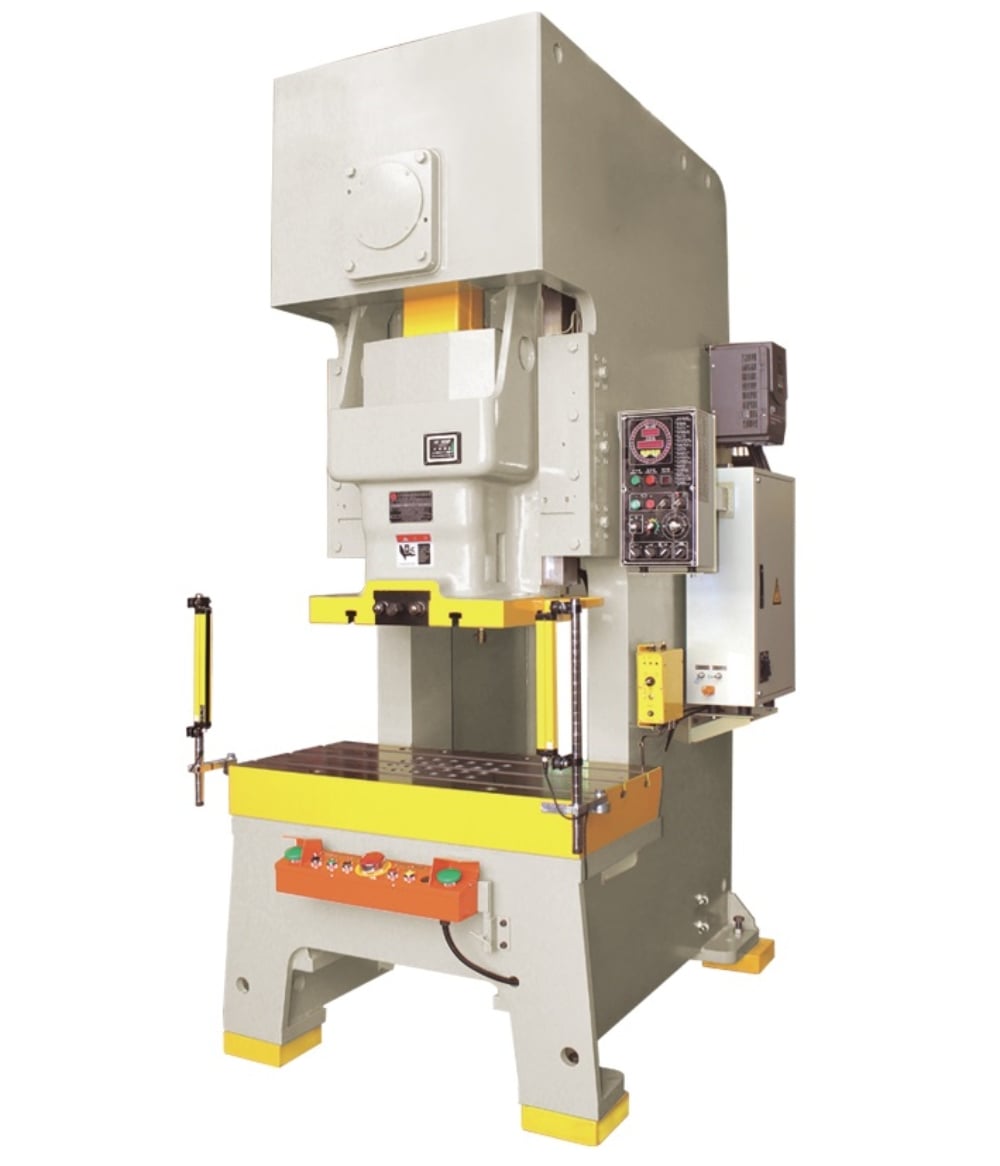
Furthermore, the turret design is a masterpiece of industrial engineering. HARSLE turrets are designed for rapid indexing, allowing the machine to rotate to the correct tool station in a fraction of a second. This rapid indexing, combined with high-speed X and Y axis movement, ensures that the machine can handle complex patterns on large metal panels with minimal downtime. The structural rigidity of the turret also prevents vibration, which is crucial for maintaining tool life and edge quality.
Selection Advice for Metal Fabrication Equipment
Choosing the right CNC punching machine requires a thorough assessment of your current and future production needs. Before investing, consider the maximum sheet size and thickness you intend to process. A machine that is too small will limit your product range, while one that is too large may result in unnecessary energy consumption and floor space usage.
Evaluate the tool station capacity. If your panels require a wide variety of shapes, a machine with a larger turret or a multi-tool station is essential. You should also consider the type of materials you will be punching. Stainless steel, aluminum, and mild steel all have different punching requirements, and the machine must be capable of handling the specific tonnage required for the toughest material in your inventory.
Support and maintenance are often overlooked during the selection process. HARSLE provides comprehensive support, including installation, operator training, and remote diagnostics. When selecting a machine, ensure that the manufacturer has a strong local presence and a reliable supply chain for spare parts. This is a vital lesson from our Case Study: Faster Batch Processing Using A CNC Punching Machine For Metal Panels; downtime is expensive, and having a responsive support team is the best insurance policy.
Finally, consider the scalability of the system. Can the machine be integrated into a larger automated cell in the future? Does the software support industry 4.0 protocols for data collection and analysis? Investing in a machine that can grow with your business is a strategic move that will pay dividends for years to come. Always request a demonstration or a sample run to verify the machine’s performance against your specific requirements.
FAQ: Optimizing Your Punching Operations
- How does a CNC punching machine improve batch processing speed?
By automating tool changes, optimizing nesting patterns, and utilizing high-speed axis movement, CNC punching machines drastically reduce the time required to produce each part compared to manual methods. - What is the main advantage of servo-electric punching over hydraulic?
Servo-electric systems are more energy-efficient, quieter, and offer better control over the punching stroke, which leads to higher precision and lower maintenance costs. - Can HARSLE machines handle different types of metal?
Yes, HARSLE machines are designed to handle a wide range of materials, including mild steel, stainless steel, aluminum, and copper, provided the machine’s tonnage capacity is matched to the material thickness. - How often should I perform maintenance on my CNC punching machine?
Regular maintenance should follow the manufacturer’s schedule, typically involving daily checks of lubrication levels, weekly cleaning of the turret, and monthly inspections of the drive systems and electrical components. - Is it difficult to train operators on HARSLE CNC machines?
HARSLE machines feature user-friendly interfaces that are designed for quick learning. We provide comprehensive training programs to ensure your team can operate the machinery safely and efficiently.
Conclusion
The transition to automated CNC punching is a transformative step for any metal fabrication shop. As demonstrated in this Case Study: Faster Batch Processing Using A CNC Punching Machine For Metal Panels, the benefits of increased speed, precision, and material efficiency are undeniable. By choosing the right equipment and leveraging the advanced features of HARSLE technology, manufacturers can overcome the common bottlenecks that hinder growth and profitability.
Investing in high-quality equipo de fabricación de metal is not just about buying a machine; it is about investing in the future of your production capabilities. With the right tools, your shop can handle larger batches, more complex designs, and tighter deadlines with ease. HARSLE remains committed to providing the industrial machinery and support necessary to help our clients succeed in an increasingly competitive global market.
As you move forward with your equipment upgrades, remember that the key to success lies in the details—from the choice of turret configuration to the software that drives the process. We encourage you to reach out to our team for a personalized consultation to see how our CNC punching solutions can be tailored to your specific batch processing needs. Let us help you turn your production challenges into your greatest competitive advantage.