
What Industries Use Press Brakes for High-Precision Bending Operations: A Comprehensive Guide


Introduction
In the modern landscape of industrial manufacturing, the ability to manipulate sheet metal into complex, accurate shapes is a cornerstone of production. When asking what industries use press brakes for high-precision bending operations, the answer spans almost every sector that relies on structural integrity and aesthetic precision. From the automotive assembly line to the intricate components of aerospace engineering, the press brake stands as a vital piece of metal fabrication equipment.
HARSLE has long been at the forefront of providing advanced bending solutions, ensuring that manufacturers can achieve tight tolerances and repeatable results. High-precision bending is not merely about folding metal; it is about managing material spring-back, ensuring angular accuracy, and maintaining structural consistency across thousands of parts. As industries evolve toward Industry 4.0, the demand for automated, high-precision bending has never been higher.
This guide explores the diverse sectors that rely on these machines, the technical nuances that define high-precision operations, and the strategic considerations for selecting the right equipment for your facility. Whether you are a job shop owner or a plant manager, understanding the versatility of the press brake is essential for optimizing your production workflow.
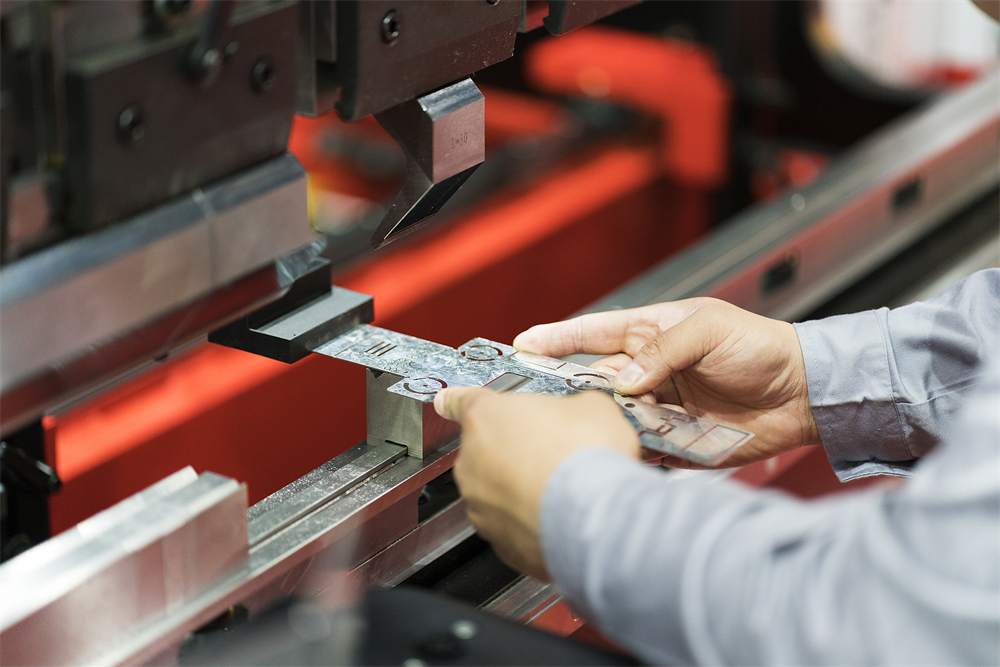
Key Industries Using Press Brakes for High-Precision Bending
The automotive industry is perhaps the most prominent user of high-precision press brakes. Modern vehicles require lightweight yet incredibly strong components, often made from high-strength steel or aluminum alloys. Press brakes are used to form chassis components, brackets, and body panels that must fit together with sub-millimeter accuracy to ensure safety and aerodynamic efficiency. The transition to electric vehicles (EVs) has further increased demand, as battery enclosures require precise, airtight seals formed through complex bending.
In the aerospace sector, the requirements are even more stringent. Components used in aircraft must withstand extreme pressure and temperature fluctuations. High-precision bending is critical for creating structural ribs, engine cowlings, and interior support brackets. These parts often utilize exotic materials like titanium or Inconel that require specialized tooling and advanced CNC control systems to prevent cracking or structural degradation during the bending process.
The construction and architecture industry relies heavily on press brakes for structural steel components and decorative metalwork. From curtain wall systems on skyscrapers to custom elevator panels, the ability to bend large sheets of metal with perfect consistency is vital. Architects demand precise angles for aesthetic appeal, while engineers require structural accuracy for load-bearing components. Large-format press brakes are frequently employed here to handle long, heavy-gauge steel plates.
The electronics and telecommunications industry utilizes press brakes for the production of enclosures, server racks, and chassis for sensitive equipment. These parts often feature complex geometries with multiple bends in close proximity. High-precision bending ensures that internal components fit perfectly within the housing, providing necessary electromagnetic interference (EMI) shielding and thermal management. The use of thin-gauge, high-finish materials requires machines that can operate with extreme sensitivity to avoid surface marring.
Finally, the medical device industry uses press brakes to manufacture surgical instruments, hospital furniture, and diagnostic equipment housings. The emphasis here is on hygiene and precision. Stainless steel components must be bent without surface contamination, and the accuracy of the bends ensures that the final product meets the rigorous standards required for medical environments, where even a fraction of a millimeter can affect the functionality of a surgical tool.
Technical Details of High-Precision Bending
High-precision bending is defined by the machine’s ability to control the ram position and the backgauge accuracy. Modern CNC press brakes, such as those offered by HARSLE, utilize advanced hydraulic or electric drive systems to achieve repeatability within microns. The integration of laser angle measurement systems allows the machine to compensate for material spring-back in real-time, ensuring the target angle is achieved on the first bend. This “first-part-good” capability is essential for reducing waste in high-value production runs.
The tooling selection is another critical technical factor. Precision-ground punches and dies are essential for high-precision operations. Unlike standard tooling, precision tooling is manufactured to tighter tolerances, which minimizes the variation in the bend radius. When industries use press brakes for high-precision bending operations, they often invest in segmented tooling that allows for complex, multi-stage bending sequences without the need for frequent tool changes. This modularity is key to maintaining efficiency in high-mix environments.
Material properties play a significant role in the bending process. Different metals have different yield strengths and elongation characteristics. A high-precision press brake must be equipped with software that can calculate the necessary tonnage and compensation based on the material’s specific properties. This prevents over-bending or under-bending, which is crucial when working with expensive or sensitive materials. Advanced controllers now feature material libraries that automatically adjust parameters based on the grade and thickness of the sheet.
The backgauge system is the “eyes” of the press brake. In high-precision applications, multi-axis backgauges (often 4-axis or 6-axis) allow for the positioning of the workpiece in three-dimensional space. This enables the fabrication of parts with non-parallel bends or complex tapers, which are common in aerospace and automotive design. The speed and accuracy of the backgauge movement directly impact the cycle time and the overall quality of the finished part. High-end systems also include active crowning, which compensates for bed deflection under load, ensuring a uniform bend angle across the entire length of the workpiece.
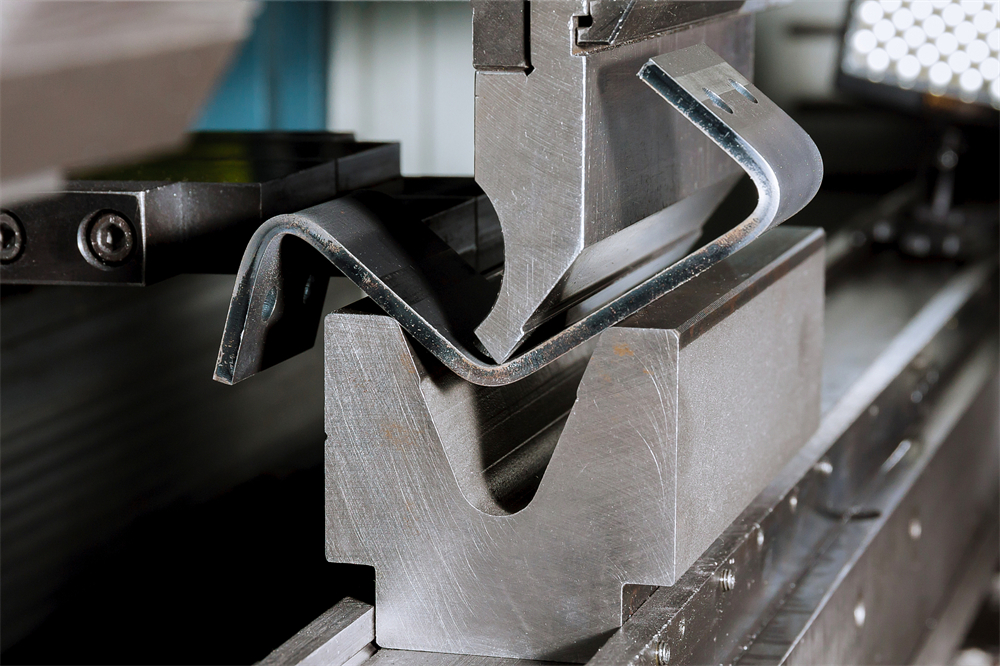
Selection Advice for Your Facility
When selecting a press brake for your specific industry, the first step is to analyze your production volume and part complexity. If you are a high-mix, low-volume job shop, you need a machine with quick tool-change capabilities and intuitive software. Conversely, if you are a high-volume manufacturer, you should prioritize automation, such as robotic loading and unloading systems, to maximize throughput and ensure 24/7 operation.
Consider the tonnage and bed length requirements. While it is tempting to purchase the largest machine available, an oversized press brake can be inefficient and costly to operate. Calculate the maximum bending force required for your thickest material and longest bend. HARSLE provides comprehensive consultation services to help you determine the optimal machine size based on your specific material thickness and bend length requirements. Always factor in a 20% safety margin for tonnage to avoid running the machine at its absolute limit, which can lead to premature wear.
Evaluate the control system. A user-friendly, graphical interface is essential for reducing setup time and minimizing operator error. Look for systems that support offline programming, allowing your engineers to simulate the bending process before the metal ever touches the machine. This reduces scrap rates and increases overall equipment effectiveness (OEE). Modern controllers should also integrate seamlessly with your existing ERP or CAD/CAM software for a streamlined digital workflow.
Maintenance and support are equally important. A press brake is a long-term investment. Ensure that the manufacturer offers robust technical support, readily available spare parts, and comprehensive training for your operators. Regular maintenance, such as checking hydraulic fluid levels, inspecting seals, and calibrating the backgauge, is vital to maintaining the high-precision capabilities of the machine over its lifespan. Establishing a preventative maintenance schedule will prevent costly downtime and extend the life of your hydraulic components.
Frequently Asked Questions (FAQ)
What is the difference between a standard and a high-precision press brake?
A high-precision press brake features advanced CNC controls, real-time angle measurement, and superior structural rigidity to ensure consistent results across all bends, whereas standard machines may have higher tolerances and require more manual adjustment. High-precision models also include features like active crowning and multi-axis backgauges.
How does material thickness affect the choice of a press brake?
Material thickness dictates the required tonnage. Thicker materials require higher force to deform, necessitating a more robust frame and higher-capacity hydraulic systems to prevent deflection. Choosing the right tonnage is critical to achieving the desired bend radius without damaging the tooling or the machine frame.
Can HARSLE press brakes handle different types of metals?
Yes, HARSLE machines are designed to handle a wide range of materials, including mild steel, stainless steel, aluminum, and high-strength alloys, provided the correct tooling and parameters are used. Our software allows for easy switching between material profiles to ensure optimal bending performance.
What role does automation play in high-precision bending?
Automation, such as robotic arms and automatic tool changers, removes human error from the equation, ensuring consistent speed, accuracy, and safety in high-volume production environments. It allows for lights-out manufacturing, significantly increasing the ROI of the equipment.
How often should a press brake be calibrated?
For high-precision operations, it is recommended to calibrate the backgauge and ram positioning at least once every six months, or more frequently if the machine is running multiple shifts. Regular calibration ensures that the machine maintains its accuracy over time.
Conclusion
Understanding what industries use press brakes for high-precision bending operations reveals the indispensable nature of this technology in modern manufacturing. From the structural integrity required in construction to the aesthetic and functional precision needed in electronics, the press brake is a versatile workhorse. By focusing on technical accuracy, appropriate tooling, and strategic machine selection, manufacturers can significantly enhance their production capabilities.
HARSLE remains committed to advancing the standards of metal fabrication equipment. By integrating cutting-edge technology with reliable mechanical design, we empower our clients to meet the challenges of an increasingly competitive global market. Whether you are upgrading your current facility or setting up a new production line, investing in a high-precision press brake is a step toward greater efficiency, quality, and long-term success. Contact our team today to discuss how our solutions can be tailored to your specific industrial requirements.












