Operator’s Guide to Basic Punching Machine Maintenance Tasks: Ensuring Peak Performance


The Critical Importance of Punching Machine Maintenance
In the high-stakes environment of modern metal fabrication, the punching machine serves as the backbone of production efficiency. Whether you are operating a high-speed CNC turret punch or a robust hydraulic ironworker, the reliability of your equipment directly correlates to your output quality and operational safety. Neglecting routine care leads to premature wear, costly downtime, and potential safety hazards that can halt production lines for days.
Understanding the Operator’s Basic Punching Machine Maintenance Tasks is not merely about following a checklist; it is about developing a proactive mindset. When an operator takes ownership of the machine’s health, they become the first line of defense against mechanical failure. By identifying minor anomalies—such as unusual vibrations or slight deviations in punch alignment—before they escalate, operators can save companies thousands of dollars in emergency repairs and replacement parts.
Furthermore, consistent maintenance ensures that the machine operates within its design specifications. A well-maintained punching machine delivers precise, burr-free holes and maintains consistent tonnage, which is essential for meeting tight tolerances in aerospace, automotive, and construction projects. This guide aims to empower operators with the technical knowledge required to sustain HARSLE machinery at peak performance levels throughout its lifecycle.
Finally, safety remains the paramount reason for rigorous maintenance. A machine that is poorly lubricated or has loose electrical connections poses a significant risk to the operator. By adhering to the maintenance protocols outlined in this guide, you are not only protecting the capital investment of your employer but also ensuring a safer, more predictable work environment for yourself and your colleagues.
Daily Inspection: The First Line of Defense
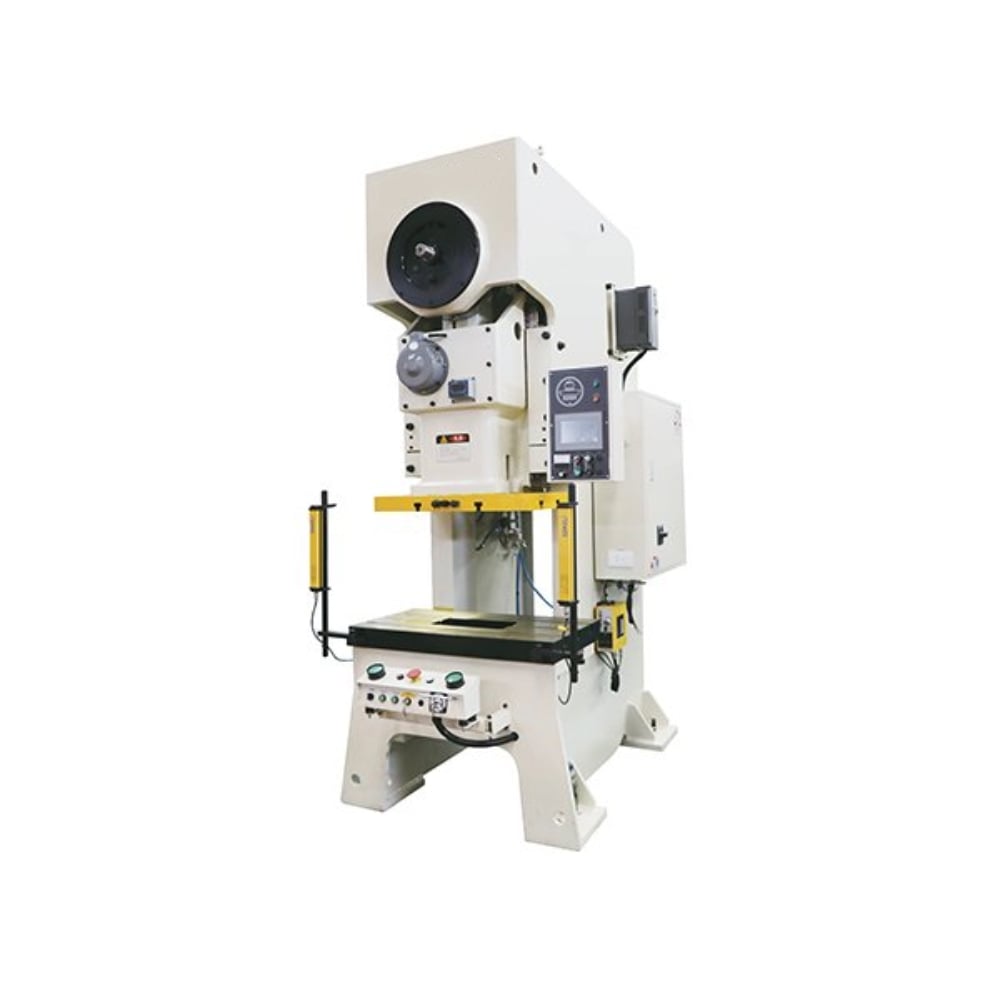
The daily inspection is the most vital component of the Operator’s Basic Punching Machine Maintenance Tasks. Before the machine is powered on, the operator should conduct a visual walk-around to identify any obvious signs of damage or leakage. Check for loose bolts, frayed cables, or debris accumulation around the turret and die holder areas. A clean machine is a healthy machine, and starting the day with a clean workspace prevents contaminants from entering sensitive mechanical components.
Check the oil levels in the hydraulic reservoir and the lubrication system. Even a slight drop in fluid levels can indicate a hidden leak that, if left unaddressed, could lead to pump cavitation or catastrophic hydraulic failure. Ensure that all safety guards and light curtains are functioning correctly. If a safety interlock fails to trigger, the machine must not be operated under any circumstances until the issue is resolved by a qualified technician.
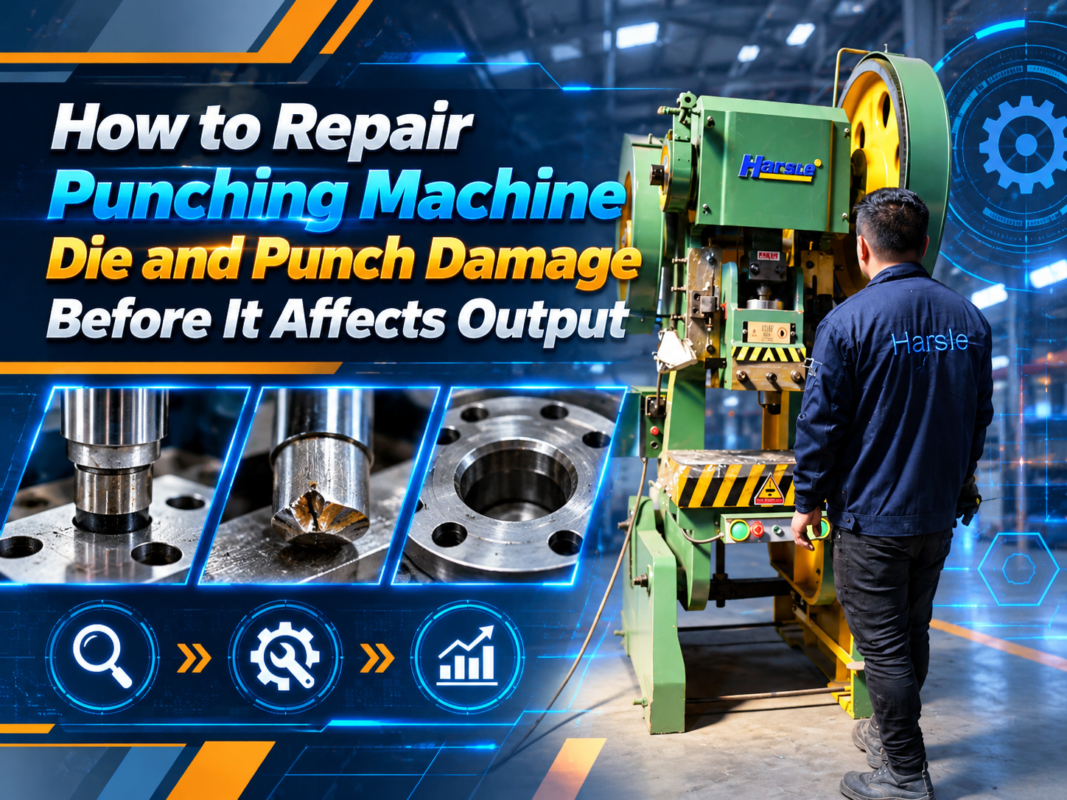
Inspect the punch and die sets for signs of wear, chipping, or galling. Using dull tooling not only compromises the quality of the finished part but also places excessive strain on the machine’s ram and drive system. If you notice metal buildup on the punch tip, clean it immediately with a brass scraper or a specialized cleaning solution. Never use hardened steel tools to scrape the punch, as this can damage the precision-ground surfaces.
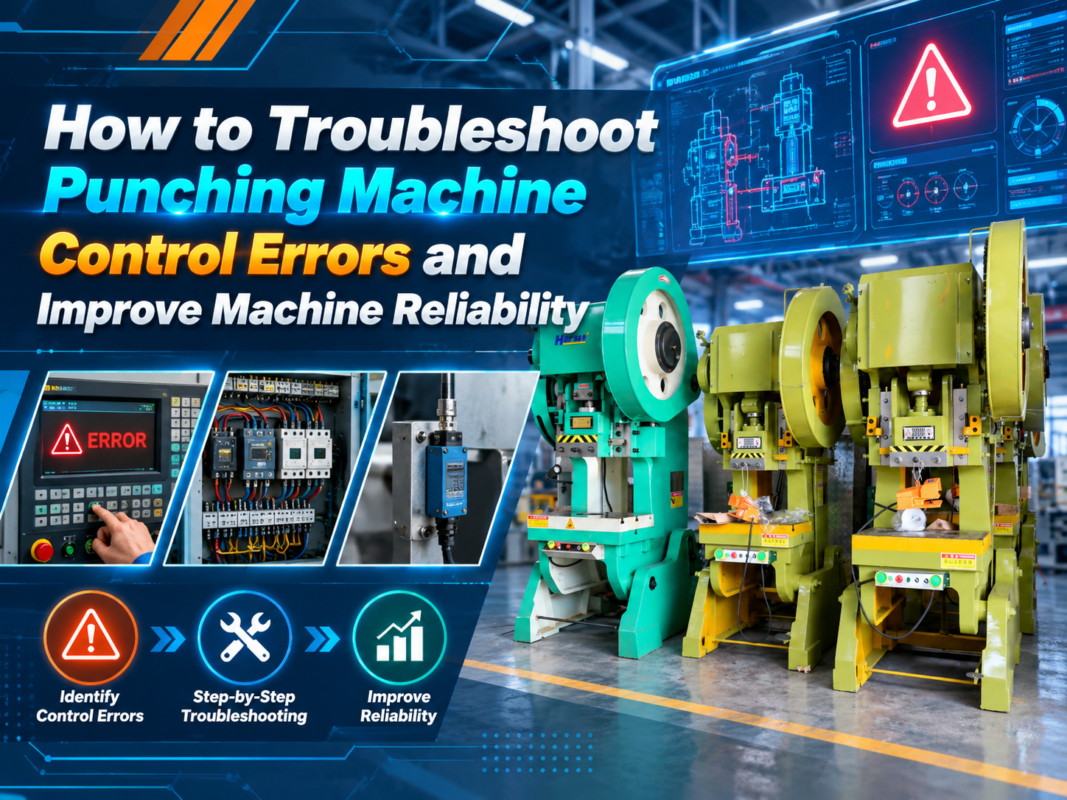
Finally, verify that the control panel is displaying the correct parameters and that there are no active error codes. If the machine is a CNC model, ensure that the cooling fans are unobstructed and that the screen is free of dust. Taking these five to ten minutes at the start of every shift establishes a baseline for performance and allows the operator to catch issues before they result in scrap parts or machine downtime.
Hydraulic, Electrical, and Mechanical Checks
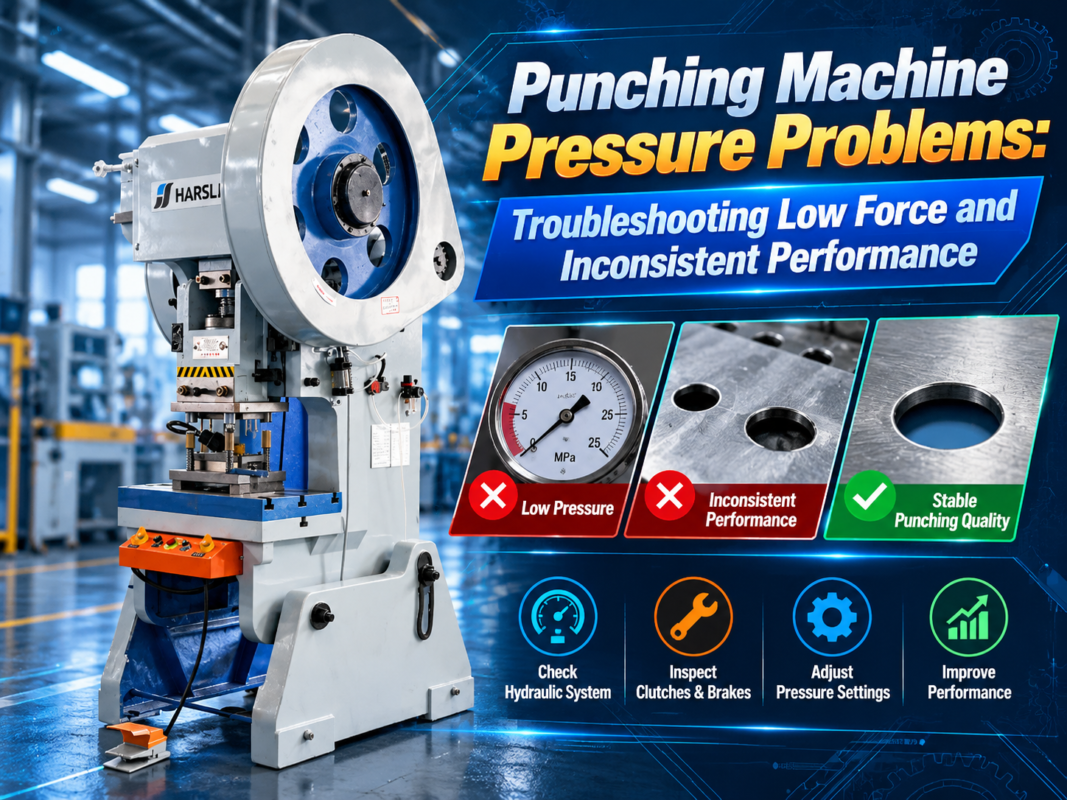
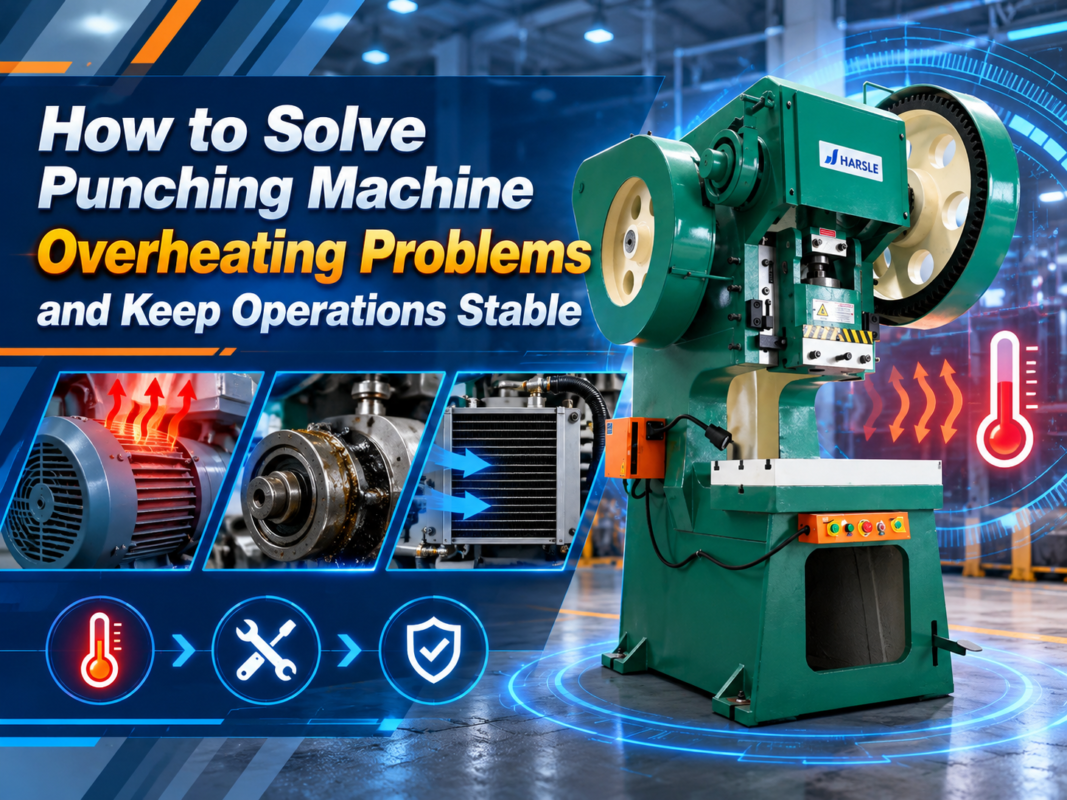
Hydraulic systems are the heart of most punching machines. Operators must monitor the hydraulic oil temperature and pressure gauges throughout the shift. If the oil temperature rises significantly above the manufacturer’s recommended range, it may indicate a cooling system failure or an internal bypass issue. Regularly inspect hydraulic hoses for signs of cracking, bulging, or weeping at the fittings, as high-pressure leaks are both a fire hazard and a safety risk.
Electrical maintenance involves keeping the control cabinet clean and dry. Dust is a major enemy of electronic components, as it can cause short circuits or lead to overheating. Ensure that the cabinet door seals are intact and that the ventilation filters are replaced or cleaned on a monthly basis. If you notice any burnt odors or flickering lights on the control panel, report these immediately to the maintenance department, as they are often precursors to electrical component failure.
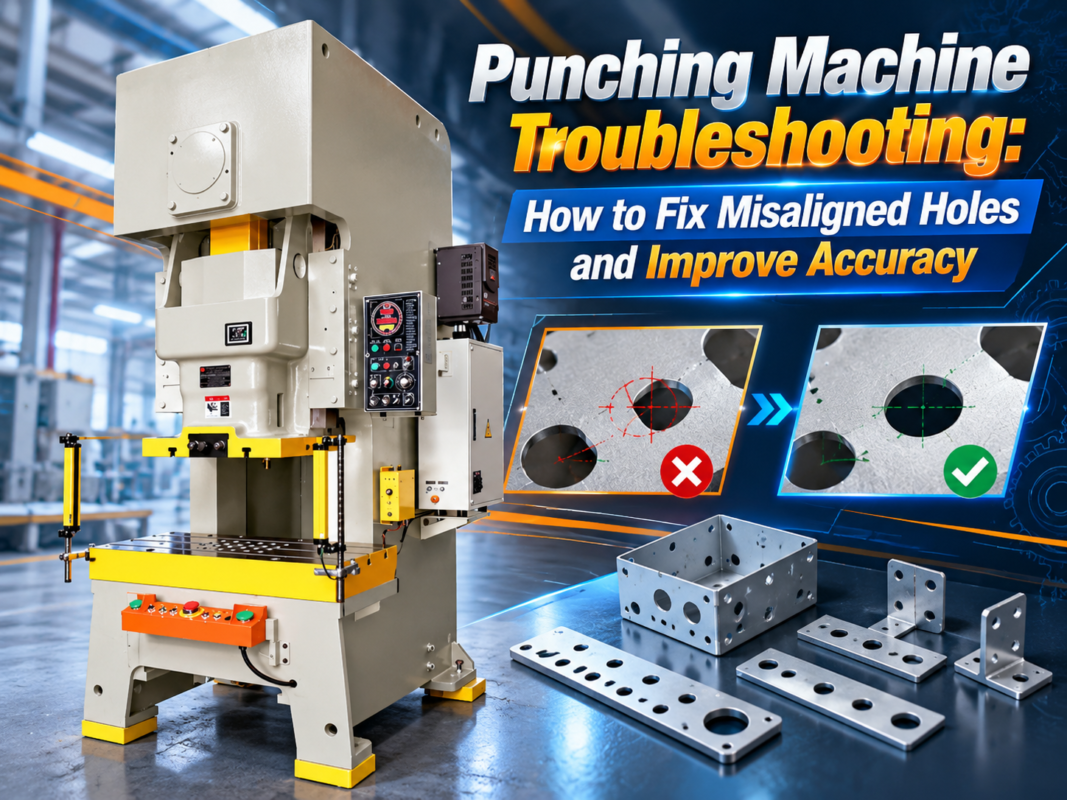
Mechanical checks focus on the drive train, including the ram guides and the turret indexing mechanism. The ram guides should be checked for proper clearance; if they are too loose, the punch will wobble, leading to poor hole quality and potential tool breakage. If they are too tight, the machine will overheat and consume excessive energy. Regularly check the tension of drive belts or chains, ensuring they are not slipping or showing signs of excessive wear.
For turret-style punching machines, the indexing accuracy is paramount. Periodically verify that the turret locks securely into position and that there is no excessive play in the rotation. If the turret is misaligned, the punch will strike the edge of the die, causing immediate damage to both. By performing these systematic checks, operators ensure that the mechanical integrity of the machine remains intact, allowing for years of reliable service.
The Comprehensive Lubrication Plan
Lubrication is the lifeblood of any industrial machine. A well-structured lubrication plan is a core element of the Operator’s Basic Punching Machine Maintenance Tasks. Friction is the primary cause of wear in moving parts, and without adequate lubrication, metal-on-metal contact will quickly destroy precision components. Operators should follow the HARSLE maintenance manual specifically regarding the type and viscosity of lubricants required for different parts of the machine.
The lubrication schedule should be divided into daily, weekly, and monthly tasks. Daily tasks often involve checking automatic lubrication systems to ensure they are dispensing the correct amount of oil to the ram guides and turret bearings. If the machine uses a manual grease gun, ensure that all grease nipples are clean before attaching the gun to prevent forcing dirt into the bearings. Over-greasing can be just as harmful as under-greasing, as it can cause seals to blow out and lead to overheating.
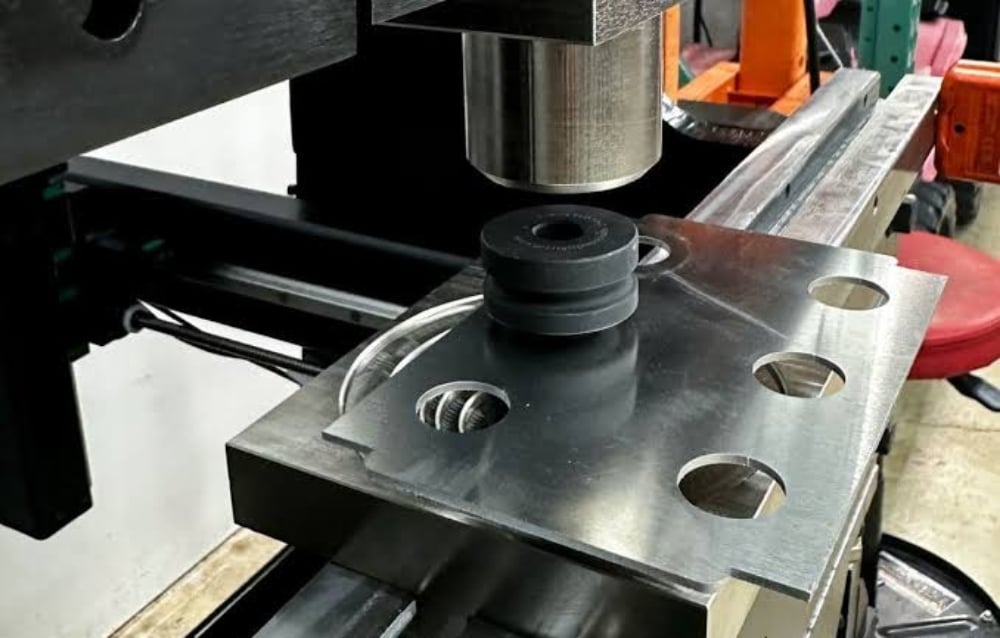
Pay special attention to the punch and die lubrication. Using the correct punch lubricant reduces friction during the stripping process, which extends the life of the stripper plate and the punch itself. For high-speed applications, consider using a misting system that applies a consistent, thin layer of lubricant to the punch tip. This not only improves tool life but also results in a cleaner finish on the workpiece.
Finally, keep a detailed log of all lubrication activities. This log serves as a historical record that can be invaluable for troubleshooting. If a specific bearing or guide starts to show signs of wear, the lubrication log will help determine if the issue was caused by a lack of maintenance or a mechanical defect. Consistency is the key; never skip a lubrication interval, even if the machine seems to be running perfectly.
Troubleshooting Signals: What to Watch For
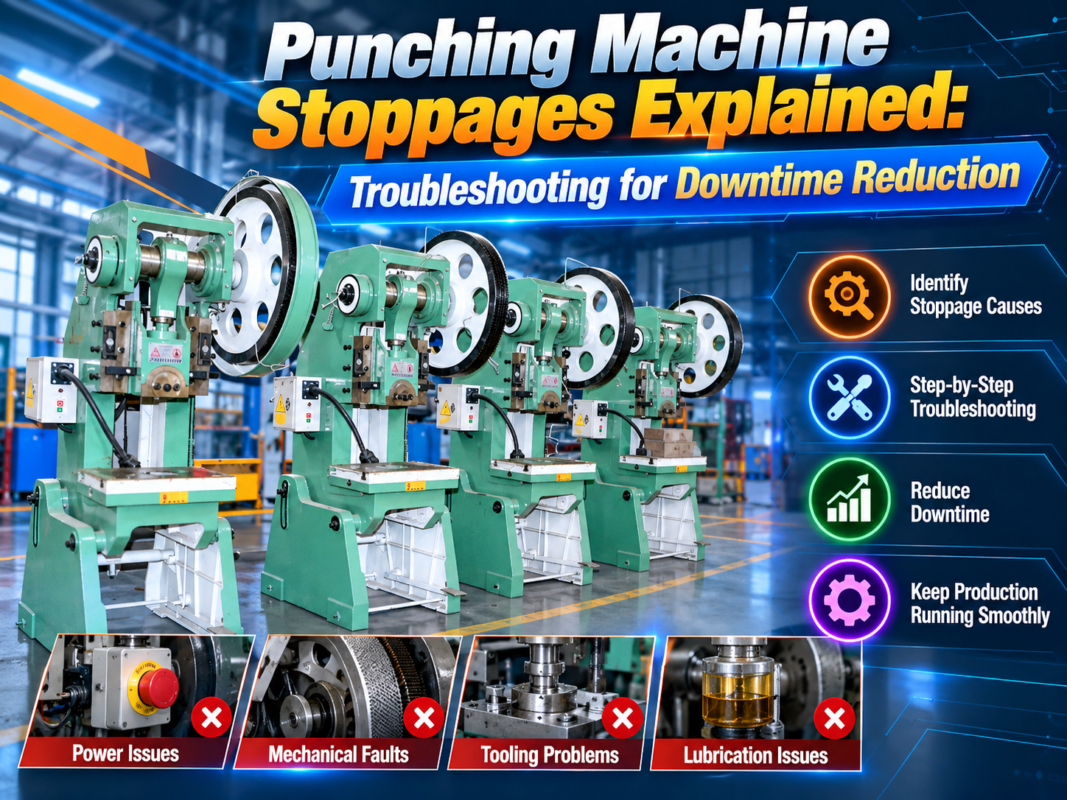
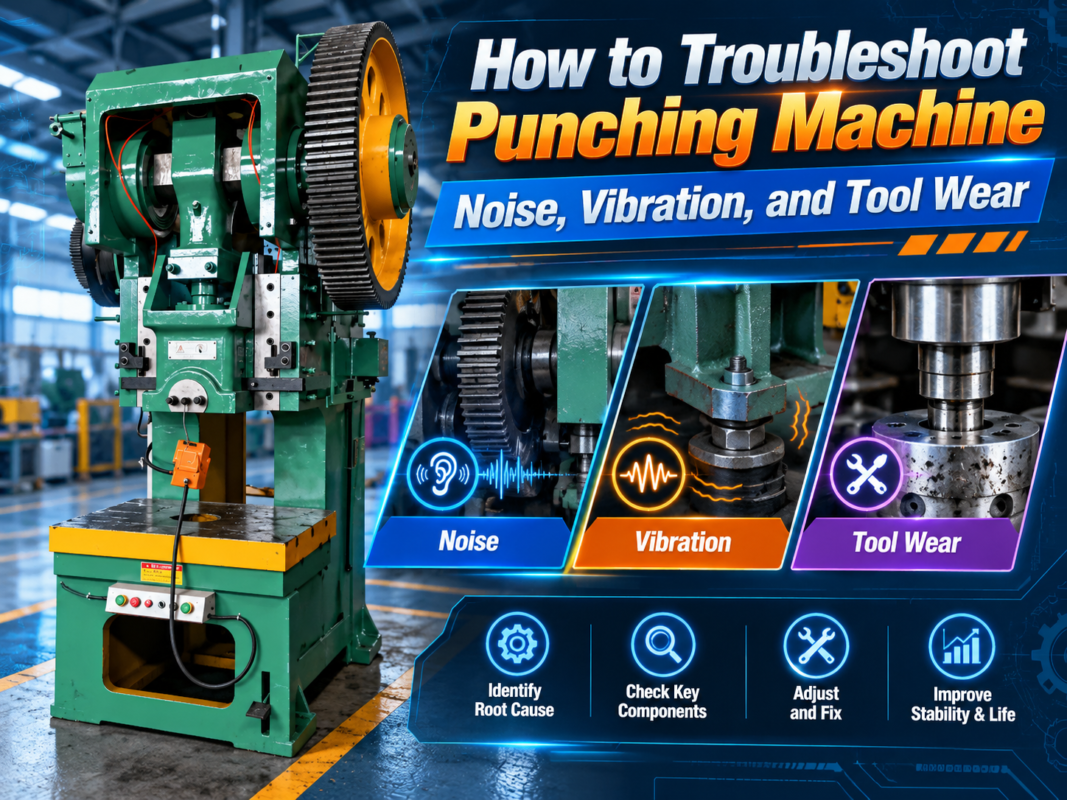
Even with the best maintenance, machines occasionally exhibit signs of distress. As an operator, learning to interpret these signals is a critical skill. One of the most common indicators of a problem is a change in the sound of the machine. A healthy punching machine has a rhythmic, consistent sound. If you hear grinding, squealing, or irregular thumping, stop the machine immediately and investigate the source.
Vibration is another red flag. If the machine begins to vibrate more than usual during the punching cycle, it could indicate a loose mounting bolt, a worn bearing, or an unbalanced turret. Excessive vibration not only damages the machine but also leads to inconsistent hole quality and premature tool wear. Check the floor anchors and ensure the machine is level, as shifting foundations can cause significant mechanical stress.
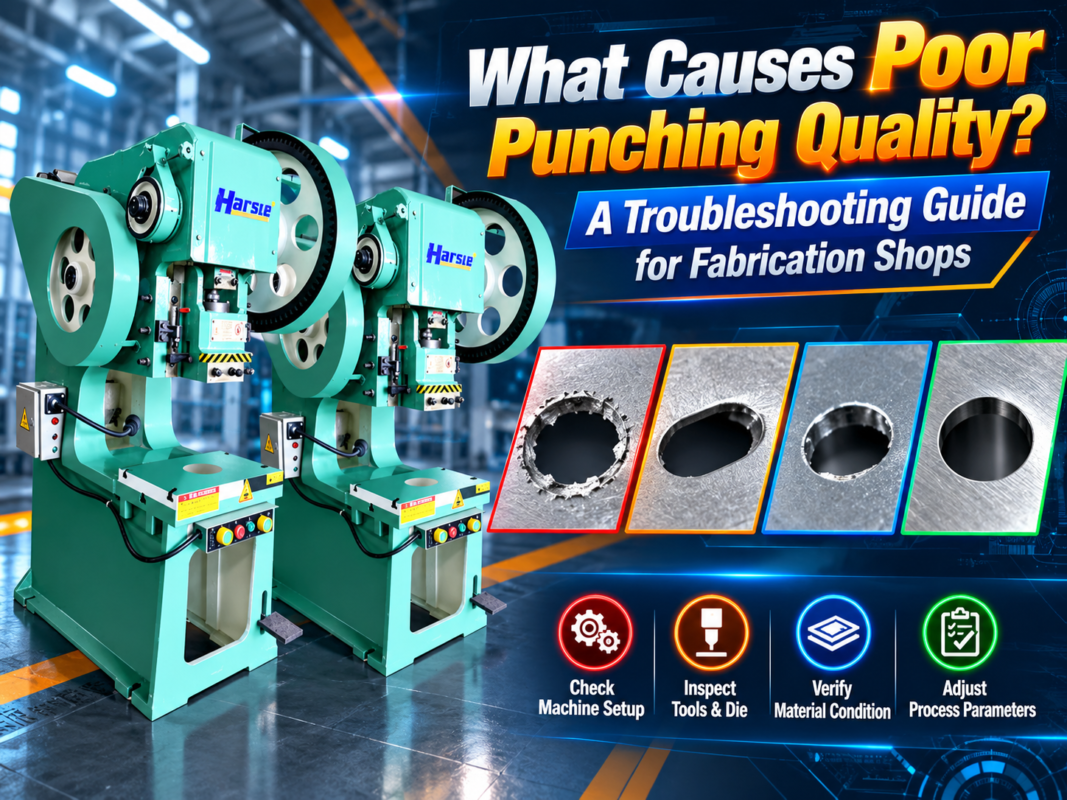
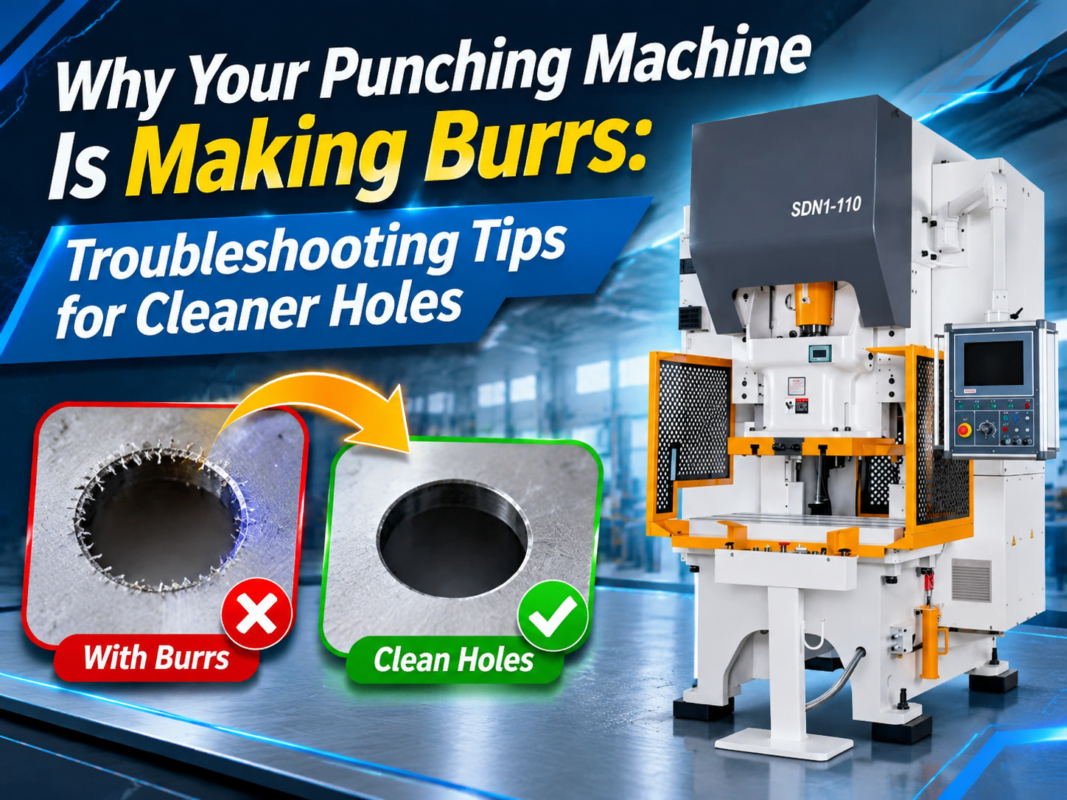
Watch for changes in the quality of the punched parts. If you notice burrs on the underside of the material, it is a clear sign that the clearance between the punch and die is incorrect or that the tooling is dull. If the parts are not being ejected properly, check the stripper springs and the die clearance. These small issues, if ignored, can lead to “slug pulling,” where the slug is pulled back up through the material, potentially damaging the punch and the sheet metal.
Finally, pay attention to the control panel alerts. Modern HARSLE machines are equipped with sophisticated diagnostic systems that provide error codes when something goes wrong. Never ignore an error code, even if the machine seems to continue working. These codes are designed to protect the machine from further damage. If you are unsure what a code means, consult the manual or contact the HARSLE technical support team immediately.
Maintenance Schedule Table
| Frequency | Task Description | Component |
|---|---|---|
| Daily | Check hydraulic oil levels | Hydraulic System |
| Daily | Inspect punch/die for wear | Herramientas |
| Daily | Clean turret and die area | Turret/Work Area |
| Weekly | Check belt/chain tension | Drive System |
| Weekly | Clean control cabinet filters | Electrical |
| Monthly | Lubricate all grease points | Mechanical Bearings |
| Monthly | Inspect hydraulic hoses/fittings | Hydraulic System |
| Quarterly | Full system calibration | CNC/Control |
| Annually | Replace hydraulic oil/filters | Hydraulic System |
Frequently Asked Questions (FAQ)
How often should I change the hydraulic oil?
Generally, hydraulic oil should be changed every 2,000 to 4,000 operating hours, or once a year, depending on the intensity of use and the operating environment. Always check your specific HARSLE machine manual for the recommended interval.
What should I do if I notice slug pulling?
Slug pulling is often caused by dull tooling or incorrect die clearance. First, inspect the punch for wear and sharpen it if necessary. Then, verify that the die clearance is appropriate for the material thickness you are currently punching.
Can I use any grease for the machine?
No. You must use the specific grade and type of lubricant recommended by the manufacturer. Using the wrong lubricant can lead to chemical incompatibility, seal damage, and premature component failure.
Why is my machine making a grinding noise?
A grinding noise usually indicates a lack of lubrication, a worn bearing, or debris in the drive mechanism. Stop the machine immediately, lock it out, and inspect the moving parts for signs of damage or obstruction.
How do I know if my punch is dull?
A dull punch will require more force to penetrate the material, often resulting in increased noise, more burrs on the workpiece, and potential deformation of the sheet metal around the hole. If you notice these signs, it is time to sharpen or replace the tool.
By following this Operator’s Guide to Basic Punching Machine Maintenance Tasks, you ensure that your HARSLE equipment remains a reliable asset for years to come. Remember, maintenance is not a one-time event but a continuous commitment to excellence in metal fabrication.