
How to Optimize Punching Machine Cycle Time for Higher Manufacturing Output


Technical Overview: Understanding Punching Machine Dynamics
In the competitive landscape of modern metal fabrication, the ability to optimize punching machine cycle time for higher manufacturing output is the primary differentiator between a profitable shop and one struggling with overhead. A punching machine operates through a complex sequence of mechanical and electronic events: the sheet positioning, the ram stroke, the tool indexing, and the part unloading. Each millisecond saved in these individual phases compounds into significant gains over an eight-hour shift.
At HARSLE, we emphasize that cycle time is not merely about the speed of the ram. It is a holistic metric encompassing the entire process flow from the moment the raw sheet enters the machine bed to the moment the finished part is ejected. By analyzing the kinematics of the machine, operators can identify bottlenecks that hinder throughput. Modern CNC punching machines utilize high-torque servo motors and advanced hydraulic or mechanical drive systems that allow for rapid acceleration and deceleration, but these hardware capabilities are often underutilized due to suboptimal programming.
The technical challenge lies in balancing high-speed movement with the physical limitations of the material and the tooling. Excessive speed can lead to vibration, tool wear, and inaccuracies in hole placement. Therefore, optimization is a delicate balance of physics and software logic. By understanding the interplay between the turret rotation speed, the X and Y axis travel speeds, and the stroke rate, fabricators can push their equipment to its peak performance without compromising the structural integrity of the components being produced.
Furthermore, the integration of automation—such as automatic tool changers and sheet loading systems—has revolutionized how we approach cycle time. When the machine is not waiting for manual intervention, the idle time is drastically reduced. This technical guide explores the methodologies required to synchronize these automated systems with the core punching cycle, ensuring that the machine remains in a constant state of production rather than waiting for human input.
Ultimately, the goal is to achieve a seamless flow. When the machine’s software, the tooling configuration, and the material handling systems are perfectly aligned, the cycle time drops, and the manufacturing output rises. This requires a deep dive into the core parameters that govern the machine’s operation, which we will explore in the following sections.
Core Parameters Influencing Cycle Time
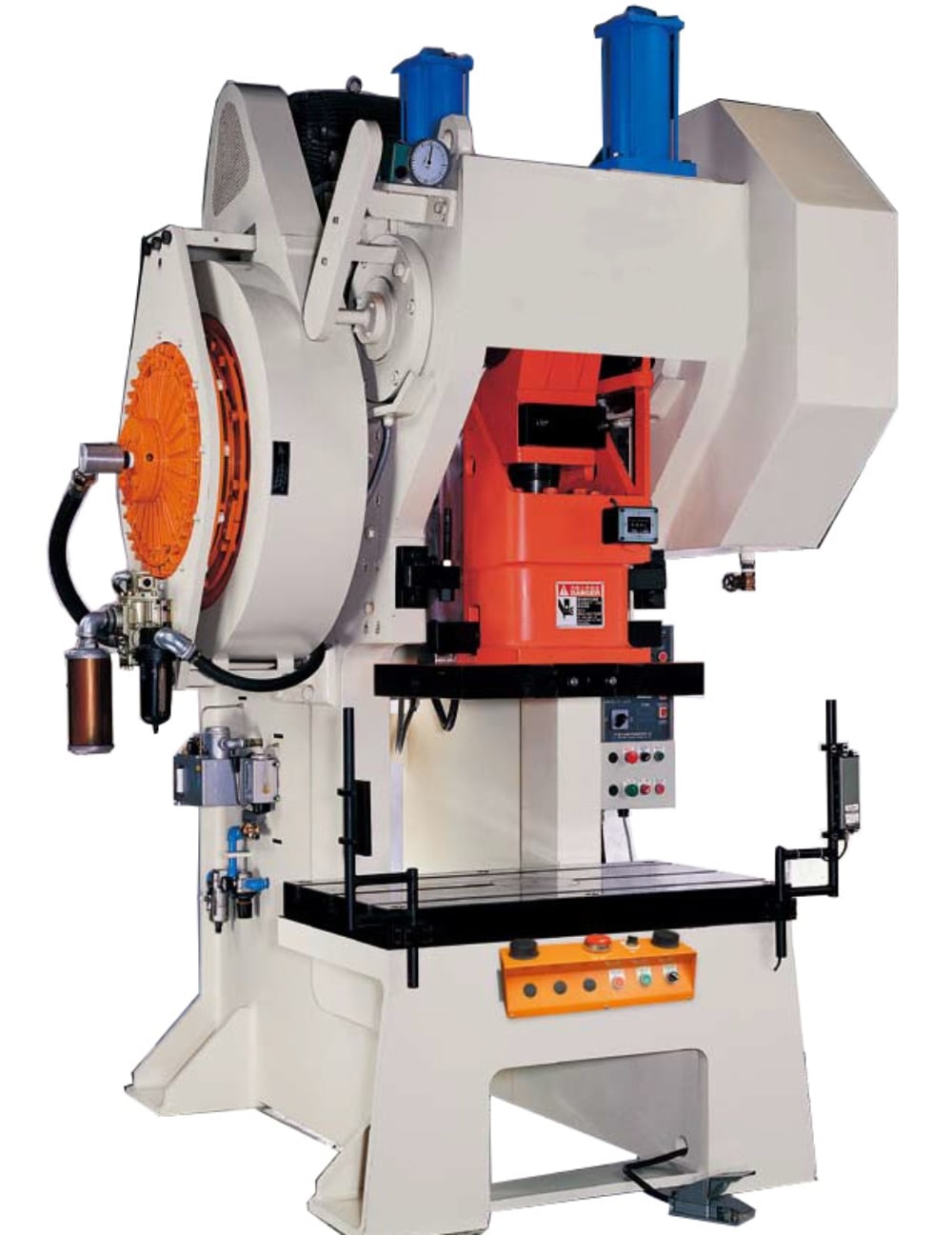
To effectively optimize punching machine cycle time for higher manufacturing output, one must first master the core parameters that dictate machine behavior. The most critical of these is the stroke rate, often measured in strokes per minute (SPM). While manufacturers provide a maximum SPM rating, this is usually based on a specific pitch (distance between holes). Achieving this in a real-world production environment requires careful consideration of the material thickness and the complexity of the punch pattern.
Another vital parameter is the turret indexing speed. In a turret punch press, the time taken to rotate the turret to the correct tool station is a major contributor to non-productive time. Modern machines feature bi-directional turret rotation and high-speed servo drives to minimize this delay. By organizing the nesting layout to minimize the number of tool changes required for a single sheet, operators can significantly reduce the time spent waiting for the turret to index.
Axis travel speed and acceleration are equally important. The X and Y axes must move the sheet to the next punching coordinate with extreme precision. If the acceleration is too aggressive, the sheet may slip or vibrate, leading to inaccuracies. Conversely, if it is too conservative, the machine spends unnecessary time in transit. Optimizing the acceleration curves within the CNC controller allows the machine to reach its maximum velocity faster, thereby shaving precious seconds off every cycle.
Tooling design also plays a hidden role in cycle time. The use of multi-tool stations can allow for multiple punches in a single stroke, effectively multiplying the output per cycle. Furthermore, the clearance between the punch and the die must be precisely matched to the material thickness. Incorrect clearance increases the force required for the punch, which can slow down the hydraulic system and increase wear on the machine components, leading to a decrease in overall efficiency over time.
Finally, the software-driven nesting optimization is the brain of the operation. Advanced nesting software can calculate the most efficient path for the punch head, minimizing the total distance traveled across the sheet. By grouping similar operations and optimizing the pathing, the software ensures that the machine is always taking the shortest route between punching points, which is a fundamental step in maximizing throughput.
Calculation Method for Cycle Time Analysis
Calculating the cycle time for a punching operation is a systematic process that involves breaking down the total time into its constituent parts. The formula for total cycle time (T) can be expressed as: T = T(load) + T(positioning) + T(punching) + T(tool_change) + T(unload). Each of these variables must be measured and analyzed to identify where the most significant time savings can be achieved.
T(positioning) is often the largest component of the cycle time. To calculate this, you must determine the distance between each hole and divide it by the average axis speed, accounting for acceleration and deceleration phases. By using a stopwatch or the machine’s internal diagnostic logs, you can identify the “dead time” where the machine is moving but not punching. If this time is high, it indicates that the nesting path is inefficient or the axis speed settings are too conservative.
T(punching) is the time the ram spends in contact with the material. This is determined by the stroke rate and the number of hits required. To optimize this, look for opportunities to use larger tools or multi-tools that can complete the required geometry in fewer hits. Reducing the number of hits is the most effective way to lower T(punching) without increasing the physical speed of the machine beyond its safe operating limits.
T(tool_change) is the time taken for the turret to index or for an automatic tool changer to swap a cassette. If your production involves many different hole sizes, this can become a bottleneck. The calculation here involves analyzing the frequency of tool changes per sheet. If you find that the machine is changing tools too frequently, consider re-nesting the parts to group similar hole sizes together, thereby reducing the number of turret rotations required.
Finally, T(load) and T(unload) represent the time taken to swap the raw sheet for the finished part. In manual operations, this is the primary source of idle time. By calculating the percentage of the total cycle time spent on loading and unloading, you can justify the investment in automated loading/unloading systems. If these tasks account for more than 20% of your total cycle time, automation will almost certainly provide a rapid return on investment.
Parameter Table: Optimization Benchmarks
| Parameter | Optimization Strategy | Expected Impact |
|---|---|---|
| Axis Acceleration | Increase to 1.5G or higher | High reduction in transit time |
| Turret Indexing | Use bi-directional shortest path | Moderate reduction in tool change time |
| Stroke Rate (SPM) | Match to material thickness | High impact on punching speed |
| Nesting Path | Minimize travel distance | Significant reduction in idle time |
| Tool Clearance | Optimize for material type | Improved machine longevity and speed |
Common Engineering Mistakes
One of the most common mistakes in optimizing punching machine cycle time for higher manufacturing output is the over-reliance on maximum rated speeds. Operators often push the machine to its absolute limit, ignoring the fact that high-speed operation generates heat and vibration. This leads to premature tool wear and, more importantly, a decrease in part quality. When parts are rejected due to inaccuracies, the time saved during the punching process is lost during the rework or scrap phase.
Another frequent error is neglecting the maintenance of the hydraulic or mechanical drive systems. A machine that is not properly lubricated or has worn-out bearings will struggle to maintain its rated acceleration and velocity. Over time, this results in a gradual degradation of cycle time that goes unnoticed until it becomes a significant production bottleneck. Regular preventative maintenance is not just about machine health; it is a critical component of cycle time optimization.
Poor nesting strategy is another major pitfall. Many shops use basic nesting software that does not account for the machine’s specific kinematics. By failing to optimize the pathing, the machine takes inefficient routes across the sheet. This is often exacerbated by the use of too many small tools when a single larger tool or a multi-tool could accomplish the same task in a fraction of the time. The goal should always be to minimize the number of hits and the distance traveled.
Ignoring the material handling aspect is also a mistake. Even the fastest punching machine in the world will have a low output if the operator is slow to load the next sheet. Many shops focus entirely on the machine’s speed while ignoring the workflow around it. A well-organized workstation, with raw materials staged close to the machine and finished parts easily accessible, is just as important as the CNC program itself.
Finally, failing to train operators on the nuances of the machine’s control system is a missed opportunity. Modern CNC controllers offer a wealth of data and optimization features that many operators never utilize. By investing in training, you empower your team to make real-time adjustments to the machine’s parameters, allowing them to optimize the cycle time for every unique job that comes across the shop floor.
Selection Checklist for High-Output Punching
When selecting a new punching machine with the goal of maximizing output, consider the following checklist to ensure you are investing in the right technology:
- Servo-Electric vs. Hydraulic: Servo-electric machines generally offer faster stroke rates and higher energy efficiency compared to traditional hydraulic systems.
- Turret Configuration: Ensure the turret has enough stations to accommodate your most complex parts without requiring manual tool changes during the run.
- Automation Compatibility: Does the machine support future integration with automatic loading and unloading systems? This is essential for long-term output growth.
- Axis Speed and Acceleration: Look for high-torque motors that can handle rapid acceleration without compromising precision.
- Software Integration: Does the machine’s control system integrate well with your existing CAD/CAM and nesting software?
- Maintenance Accessibility: Is the machine designed for easy access to critical components, reducing downtime during routine maintenance?
- Tooling Versatility: Does the machine support a wide range of standard and custom tooling, including multi-tools and forming tools?
FAQ: Optimizing Punching Performance
Q: How does material thickness affect cycle time?
A: Thicker materials require more force and often a slower stroke rate to ensure a clean cut and prevent tool damage. Always adjust your SPM settings based on the material gauge to maintain quality while maximizing speed.
Q: Is it always better to use the fastest possible axis speed?
A: Not necessarily. If the acceleration is too high, it can cause the sheet to vibrate, leading to hole misalignment. Find the “sweet spot” where the machine moves quickly but maintains absolute precision.
Q: Can I use multi-tools to speed up production?
A: Yes, multi-tools are an excellent way to reduce the number of hits required for a part, which significantly decreases the total punching time.
Q: How often should I perform maintenance to keep cycle times low?
A: Follow the manufacturer’s recommended maintenance schedule strictly. Regular lubrication and inspection of the drive systems are essential to prevent performance degradation over time.
Q: Does nesting software really make a difference?
A: Absolutely. Advanced nesting software optimizes the path of the punch head, which is often the most significant factor in reducing non-productive travel time between hits.
By implementing these strategies, you can effectively optimize punching machine cycle time for higher manufacturing output, ensuring your HARSLE equipment operates at its full potential. Continuous improvement in your processes will lead to better margins, higher quality parts, and a more competitive position in the metal fabrication industry.












