The Role of Punching Machines in Enclosure and Cabinet Fabrication: A Comprehensive Guide


Introduction
In the modern landscape of metal fabrication, the production of electrical enclosures, server cabinets, and industrial housings requires a high degree of precision, repeatability, and speed. The Role Of Punching Machines In Enclosure Cabinet Fabrication has become increasingly central, as these machines provide the foundational geometry required for complex assemblies. Whether dealing with standard NEMA-rated enclosures or custom-designed server racks, the punching process serves as the primary stage for creating mounting holes, ventilation louvers, and cable access points.
HARSLE, as a leader in metal fabrication equipment, recognizes that the efficiency of an entire production line often hinges on the performance of the punching station. Unlike laser cutting, which is excellent for intricate contours, punching machines offer unmatched speed for repetitive hole patterns and forming operations. This article delves into why punching technology remains the backbone of the enclosure industry and how fabricators can leverage these machines to optimize their output.
As global demand for data centers and smart infrastructure grows, the pressure on manufacturers to produce high-quality cabinets at lower costs has never been higher. Punching machines allow for the integration of multiple processes—such as tapping, embossing, and lancing—within a single setup. This consolidation of tasks reduces material handling time and minimizes the risk of errors associated with moving parts between different workstations.
Understanding the technical nuances of these machines is essential for any shop manager or production engineer. By examining the capabilities of modern CNC punching systems, we can better appreciate how they contribute to the structural integrity and aesthetic finish of the final product. From thin-gauge steel to thicker aluminum panels, the versatility of the punching process ensures that enclosure fabrication remains a scalable and profitable endeavor.
Key Considerations for Enclosure Fabrication
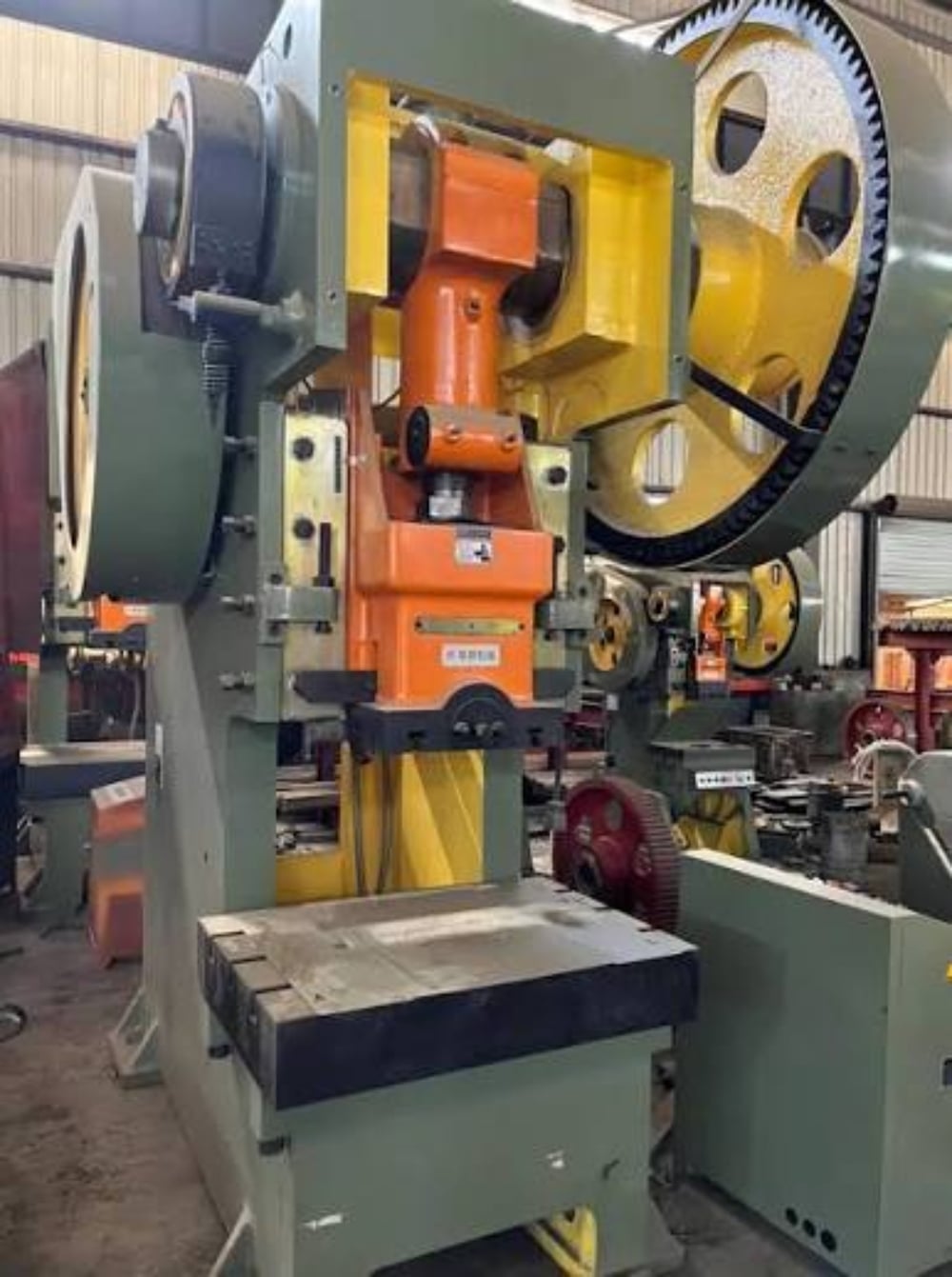
When integrating a punching machine into an enclosure production line, several factors must be considered to ensure maximum ROI. First and foremost is the material thickness and type. Enclosures are typically manufactured from cold-rolled steel, stainless steel, or aluminum. Each material reacts differently to the punching force, requiring specific tool clearances and machine tonnage to prevent burrs or material deformation.
Another critical consideration is the flexibility of the tooling system. Modern enclosures often require a variety of hole sizes for cable glands, hinges, and locking mechanisms. A turret-style punching machine allows for the rapid indexing of various tools, enabling the machine to switch between different hole diameters and shapes in seconds. This flexibility is vital for shops that handle high-mix, low-volume production runs where setup time is the primary bottleneck.
Production volume also dictates the level of automation required. For high-volume manufacturers, automatic loading and unloading systems are indispensable. These systems allow the punching machine to operate continuously with minimal human intervention, significantly increasing the throughput of cabinet panels. Conversely, for smaller shops, a manual or semi-automatic setup might be more cost-effective, provided the machine’s software is intuitive enough to handle frequent program changes.
Finally, the precision of the punching machine directly impacts the subsequent bending and welding stages. If the holes are not punched with high positional accuracy, the enclosure panels will not align correctly during assembly. This leads to increased scrap rates and longer assembly times. Therefore, investing in a machine with high-precision servo-electric or hydraulic drives is a non-negotiable requirement for modern enclosure fabrication.
Technical Details of Punching Systems
The technical architecture of a punching machine is designed to handle the rigors of industrial production. At the heart of the system is the turret, which holds the punch and die sets. In advanced HARSLE punching machines, the turret is engineered for high-speed rotation and precise alignment, ensuring that the punch and die are perfectly centered for every stroke. This alignment is crucial for extending tool life and maintaining consistent hole quality.
The drive system is another area of significant technical evolution. Traditional hydraulic punching machines are known for their raw power and ability to handle thick materials. However, modern servo-electric punching machines are gaining popularity due to their energy efficiency, lower maintenance requirements, and superior control over the punching stroke. Servo-electric systems allow for variable ram speeds, which can be optimized for different materials to reduce noise and vibration.
Software integration is the third pillar of technical excellence. Modern punching machines are driven by sophisticated CAD/CAM software that optimizes the nesting of parts on a sheet. By maximizing material utilization, fabricators can significantly reduce waste, which is a major cost factor in enclosure production. The software also manages the tool path, ensuring that the machine follows the most efficient route to complete all operations on a panel.
Furthermore, the ability to perform secondary operations like forming is a key technical advantage. Many punching machines can be equipped with specialized tools to create louvers for ventilation or embossments for structural reinforcement. These features are essential for electrical cabinets that require heat dissipation and high rigidity. By performing these operations on the punching machine, fabricators eliminate the need for secondary press brake operations, further streamlining the workflow.
Selection Advice for Fabricators
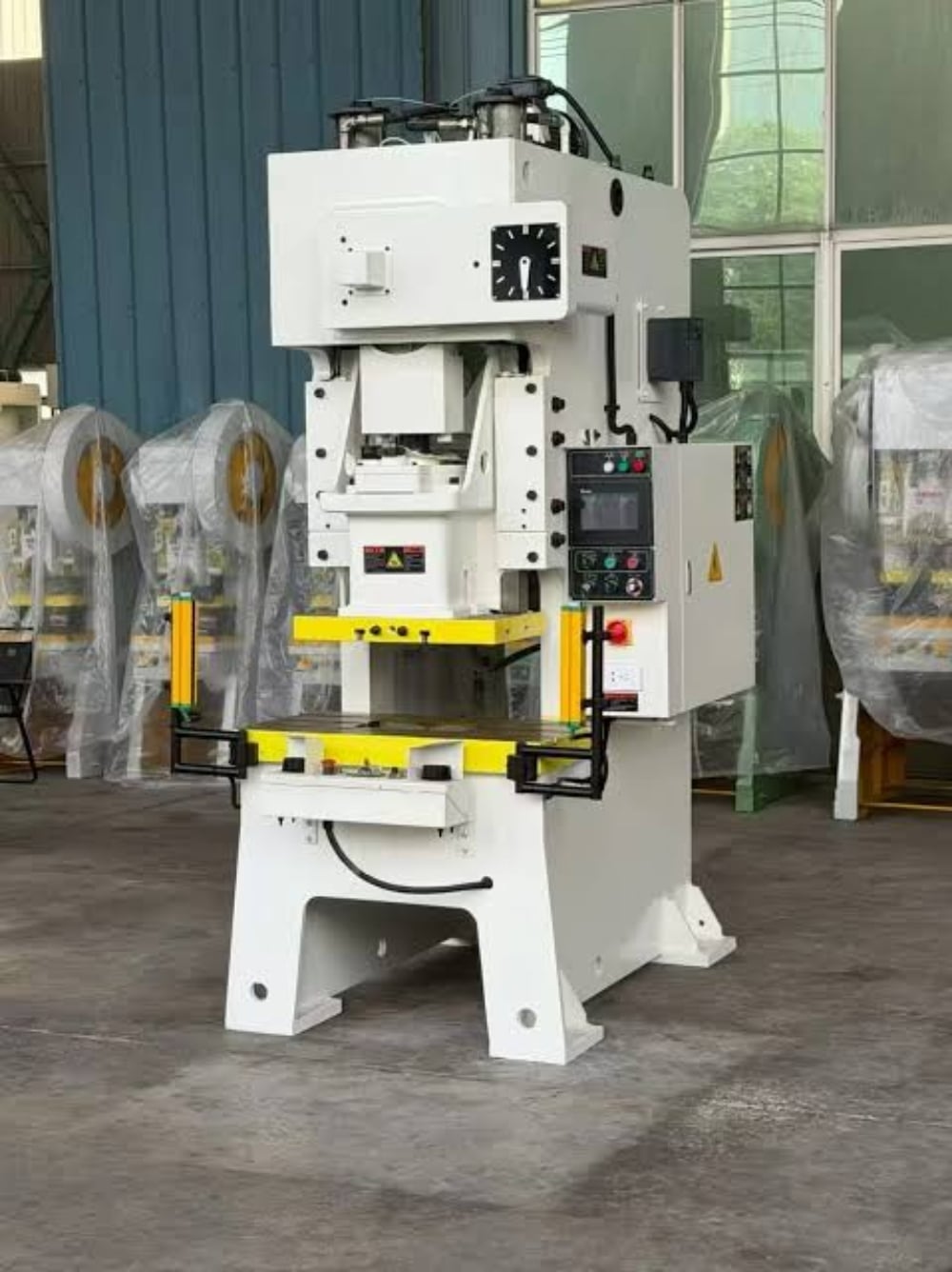
Choosing the right punching machine requires a thorough assessment of your current and future production needs. Start by analyzing your product mix. If you primarily produce large, standardized electrical enclosures, a high-tonnage machine with a large bed size will be necessary. If your work involves smaller, highly customized server cabinets, a machine with a high tool capacity and fast tool-change capabilities will be more beneficial.
Consider the total cost of ownership, not just the initial purchase price. This includes energy consumption, maintenance costs, and the availability of spare parts. HARSLE provides comprehensive support and readily available components, which is a critical factor in minimizing downtime. A machine that is cheap to buy but expensive to maintain or prone to frequent breakdowns will ultimately cost more in the long run.
Evaluate the ease of programming and operator training. A machine that requires a highly specialized programmer for every minor change will slow down your production. Look for systems that feature user-friendly interfaces and support standard file formats like DXF or DWG. This allows your team to transition from design to production with minimal friction.
Lastly, don’t overlook the importance of service and technical support. Metal fabrication is a demanding industry where downtime can result in significant financial losses. Partnering with a manufacturer like HARSLE ensures that you have access to expert advice, remote diagnostics, and a reliable supply chain for tooling. Always ask about the manufacturer’s track record in the enclosure industry and request references if possible.
Frequently Asked Questions
- Why is a punching machine better than a laser for enclosure fabrication? While lasers are great for complex shapes, punching machines are significantly faster for repetitive hole patterns and can perform forming operations like louvers and tapping in the same cycle.
- What maintenance is required for a punching machine? Regular lubrication of the turret, inspection of punch and die clearances, and cleaning of the hydraulic or servo systems are essential to ensure longevity and precision.
- Can punching machines handle stainless steel? Yes, but they require higher tonnage and specific tooling materials to prevent galling and ensure clean edges on stainless steel sheets.
- How does automation affect the role of punching machines? Automation allows for lights-out manufacturing, where the machine runs unattended, drastically increasing the output of standard enclosure panels.
- What is the typical lifespan of a punching machine? With proper maintenance and regular tool sharpening, a high-quality industrial punching machine can remain productive for 15 to 20 years or more.
Conclusion
El Role Of Punching Machines In Enclosure Cabinet Fabrication is foundational to the efficiency and quality of the final product. As we have explored, these machines are not merely tools for creating holes; they are versatile manufacturing centers capable of forming, tapping, and lancing, all while maintaining the high precision required for modern electrical and server enclosures. By understanding the technical capabilities, selecting the right equipment based on production needs, and prioritizing maintenance, fabricators can significantly enhance their competitive edge.
HARSLE remains committed to providing the metal fabrication industry with robust, efficient, and technologically advanced punching solutions. Whether you are scaling up your production or looking to replace aging equipment, the right punching machine will serve as the heartbeat of your fabrication shop. Investing in quality machinery today ensures that your enclosure production remains profitable, scalable, and capable of meeting the demands of tomorrow’s infrastructure.