
Top Factors That Influence Press Brake Prices In The Metalworking Industry


Price Range Overview
Investing in a press brake is a significant capital expenditure for any metal fabrication shop. Understanding the top factors that influence press brake prices in the metalworking industry is essential for making an informed purchasing decision. Prices can range from entry-level manual machines costing a few thousand dollars to high-end, fully automated robotic cells exceeding half a million dollars. This vast price spectrum is not arbitrary; it reflects the machine’s capability, precision, and long-term productivity potential.
For small job shops or startups, a basic hydraulic press brake with a simple NC controller might suffice. These machines are often priced in the lower tier, focusing on reliability and ease of use rather than high-speed automation. Conversely, large-scale manufacturing facilities requiring high-volume production and complex part geometries will gravitate toward high-end CNC press brakes. These machines incorporate advanced features like dynamic crowning, multi-axis backgauges, and integrated software suites that drive the price upward.
Market fluctuations, raw material costs, and technological advancements also play a role in the pricing landscape. As manufacturers integrate more sophisticated sensors and energy-efficient drive systems, the baseline price for modern equipment has shifted. It is important for buyers to view the purchase price not just as an expense, اما as an investment in production capacity. A machine that is too cheap may lack the rigidity required for heavy-duty work, while an overly expensive machine with unused features may never provide a return on investment.
When evaluating the price range, consider the total cost of ownership (TCO). This includes the initial purchase price, installation, training, tooling, and ongoing maintenance. A lower initial price tag often hides higher operational costs due to energy inefficiency or frequent downtime. HARSLE emphasizes that the best value is found by balancing the machine’s technical specifications with the specific requirements of your production workflow.
Main Cost Drivers
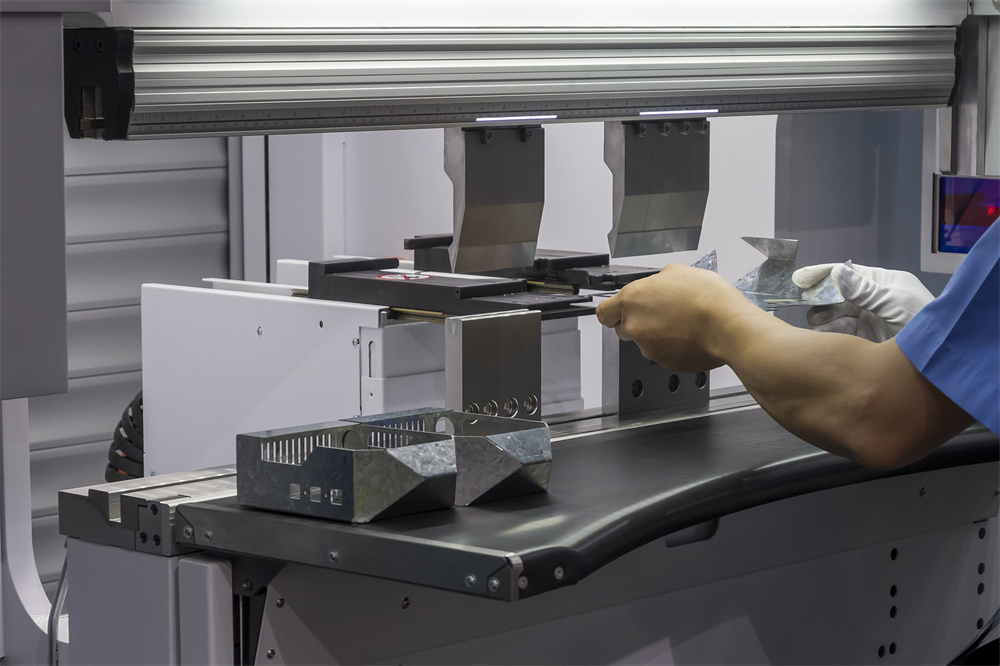
The primary driver of press brake pricing is tonnage. Tonnage refers to the amount of force the machine can exert to bend metal. Higher tonnage machines require more robust frames, larger hydraulic cylinders, and more powerful motors. Consequently, as the tonnage requirement increases, the cost of the machine rises significantly. It is crucial to calculate the exact tonnage needed for your thickest and longest material to avoid over-specifying and over-spending.
Bending length is the second major factor. A machine designed to bend 4-meter sheets requires a much longer bed and ram than a 2-meter machine. The structural integrity required to maintain precision over a longer length necessitates heavier steel plates and more complex crowning systems to prevent deflection. The physical size of the machine also impacts shipping and installation costs, which are often overlooked in the initial budget.
The type of drive system—hydraulic, electric, or hybrid—is a critical cost differentiator. Traditional hydraulic press brakes are generally more affordable upfront but may have higher energy consumption. Electric press brakes, while more expensive, offer superior speed, precision, and energy efficiency, making them ideal for high-volume, thin-gauge applications. Hybrid systems attempt to bridge this gap, offering a balance of power and efficiency that influences the final price point.
Control systems and software integration represent a growing portion of the cost. Modern CNC controllers allow for complex 3D simulation, offline programming, and seamless integration with ERP systems. The complexity of the software, the user interface, and the ability to store and recall thousands of bending programs add value to the machine. A machine with a high-end controller can significantly reduce setup times, which is a major factor in the overall cost-benefit analysis.
Configuration Impact
The configuration of the backgauge is one of the most significant factors that influence press brake prices in the metalworking industry. A standard 2-axis backgauge (X and R) is sufficient for simple bends, but as you move to 4, 6, or even 8-axis backgauges, the price increases. These advanced backgauges allow for complex, multi-angle bends in a single handling, drastically increasing productivity and accuracy for intricate parts.
Tooling compatibility and clamping systems also impact the price. Hydraulic or pneumatic clamping systems allow for rapid tool changes, which is vital for shops that perform frequent job changeovers. While manual clamping is cheaper, it increases downtime. Investing in high-quality, hardened tooling and quick-change systems is an upfront cost that pays dividends in reduced labor hours and improved part consistency over the life of the machine.
Crowning systems are essential for maintaining bend angle consistency across the entire length of the bed. Mechanical crowning systems are standard on many machines, but active hydraulic or CNC-controlled crowning systems are premium features. These systems automatically compensate for bed deflection under load, ensuring that the bend angle remains uniform. For shops working with high-precision aerospace or medical components, this feature is non-negotiable and adds to the machine’s cost.
Safety features are another non-negotiable cost driver. Modern press brakes are equipped with advanced laser light curtains, safety mats, and integrated monitoring systems to protect operators. While these features increase the price, they are essential for compliance with international safety standards and for reducing insurance premiums. HARSLE prioritizes safety, ensuring that all our machines meet rigorous safety protocols, which is a factor that should never be compromised for a lower price.
Hidden Costs
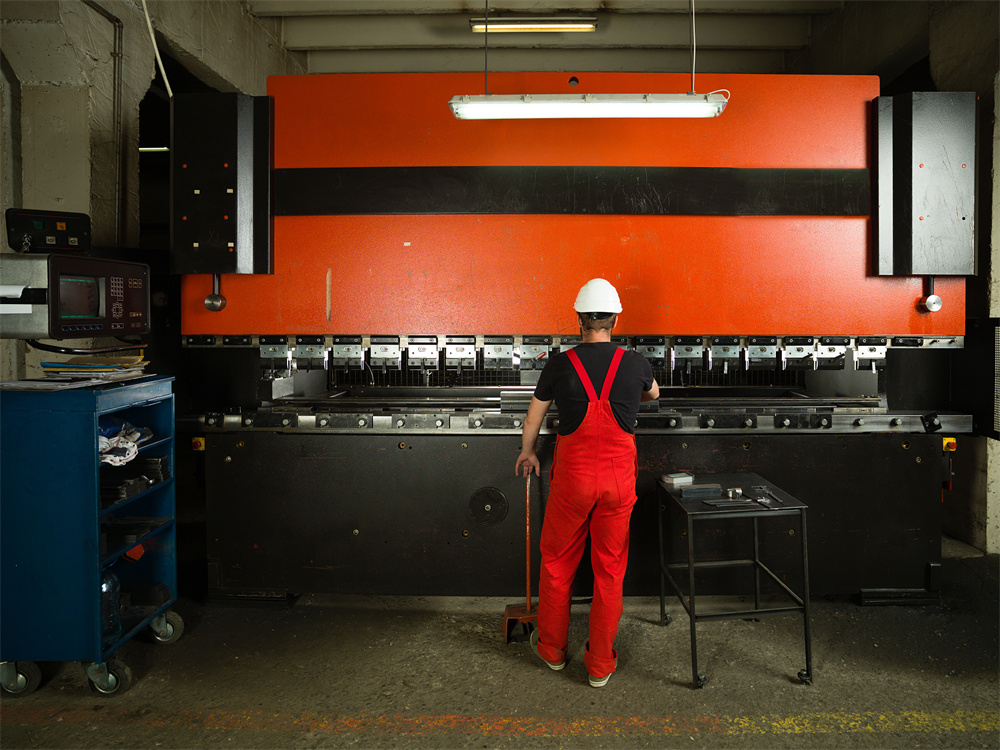
When budgeting for a press brake, many buyers focus solely on the sticker price, ignoring the hidden costs that can quickly inflate the total investment. Installation and commissioning are significant expenses. This includes the cost of a reinforced concrete foundation, electrical upgrades, and the professional services of a technician to calibrate the machine. Depending on the size of the press brake, these costs can range from a few thousand to tens of thousands of dollars.
Tooling is often the most underestimated hidden cost. A press brake is only as good as the tools it uses. Depending on the complexity of your parts, you may need a variety of punches and dies. Custom tooling, specialized materials, and the need for a large inventory of standard tools can add a substantial amount to your initial budget. It is wise to negotiate a tooling package with the machine purchase to secure better pricing.
Maintenance and spare parts should be factored into the long-term cost. High-quality machines from reputable manufacturers like HARSLE offer better reliability, but all machines require routine maintenance—oil changes, filter replacements, and software updates. Additionally, consider the cost of training your operators. A machine is only as productive as the person running it; investing in professional training ensures that your team can utilize the machine’s full potential from day one.
Energy consumption and environmental compliance are also hidden costs. Older hydraulic machines can be energy-intensive. When calculating the cost, consider the electricity usage over the machine’s expected 10-15 year lifespan. Furthermore, some regions have strict environmental regulations regarding hydraulic oil disposal and noise levels, which may require additional investments in filtration systems or soundproofing enclosures.
ROI Calculation
Calculating the Return on Investment (ROI) for a press brake requires a thorough analysis of your production data. Start by determining the current cost per part, including labor, material waste, and setup time. Compare this to the projected cost per part using the new machine. The reduction in setup time, thanks to advanced CNC controls and quick-change tooling, is often the biggest contributor to a positive ROI.
Consider the increase in production capacity. A faster, more precise machine allows you to take on more complex jobs or increase your throughput, leading to higher revenue. If the new press brake allows you to eliminate secondary operations—such as manual deburring or corrective bending—the savings in labor and time are substantial. These efficiency gains should be quantified and included in your ROI model.
Factor in the reduction of scrap rates. High-precision press brakes with advanced crowning and angle-measuring systems significantly reduce the number of rejected parts. In industries where material costs are high, such as stainless steel or aluminum fabrication, even a small reduction in scrap can lead to thousands of dollars in annual savings. This reliability is a key factor that justifies the higher price of premium equipment.
Finally, consider the resale value. A well-maintained press brake from a recognized brand like HARSLE retains its value much better than an unknown or low-quality machine. When you eventually decide to upgrade or expand, the ability to sell your current machine for a significant portion of its original cost is a major financial advantage. A high-quality machine is an asset that holds its value, whereas a cheap machine is often a sunk cost.
Buying Advice
Before purchasing, define your specific needs. Do not buy a machine based on what you might need in five years; buy for your current production requirements while allowing for moderate growth. Over-specifying leads to unnecessary costs, while under-specifying leads to bottlenecks. Consult with HARSLE experts to analyze your part drawings and production volume to select the ideal machine configuration.
Request a demonstration or visit a facility where the machine is in operation. Seeing the machine in action allows you to assess its build quality, noise levels, and the user-friendliness of the control interface. Ask the operator about their experience with the machine’s reliability and the ease of programming. This firsthand information is invaluable and often reveals details that are not apparent in a brochure.
Evaluate the manufacturer’s support network. A press brake is a long-term investment, and you need a partner who provides excellent after-sales support. Check the availability of spare parts, the responsiveness of their technical support team, and the quality of their training programs. A manufacturer that stands behind their product with a solid warranty and accessible support is worth a premium price.
Finally, look for flexibility. Can the machine be upgraded later? Some manufacturers offer modular systems where you can add axis configurations or automation features as your business grows. This allows you to start with a lower initial investment and scale your capabilities as your revenue increases. This modular approach is a smart way to manage your capital while ensuring your equipment remains competitive in the long run.
FAQ
- What is the most important factor in press brake pricing? Tonnage and bending length are the primary drivers, as they dictate the structural requirements and power of the machine.
- Are electric press brakes worth the extra cost? Yes, for high-volume, precision-oriented shops, the energy savings, speed, and accuracy of electric machines often provide a faster ROI than hydraulic alternatives.
- How much should I budget for tooling? Tooling costs vary widely, but a good rule of thumb is to set aside 10-15% of the machine’s purchase price for an initial set of high-quality, versatile tooling.
- Does the brand of the press brake matter? Absolutely. Established brands like HARSLE offer better build quality, reliable software, and superior support, which reduces downtime and total cost of ownership.
- How often should a press brake be serviced? Routine maintenance should be performed at least annually, with more frequent checks for hydraulic systems and safety sensors to ensure optimal performance and compliance.












