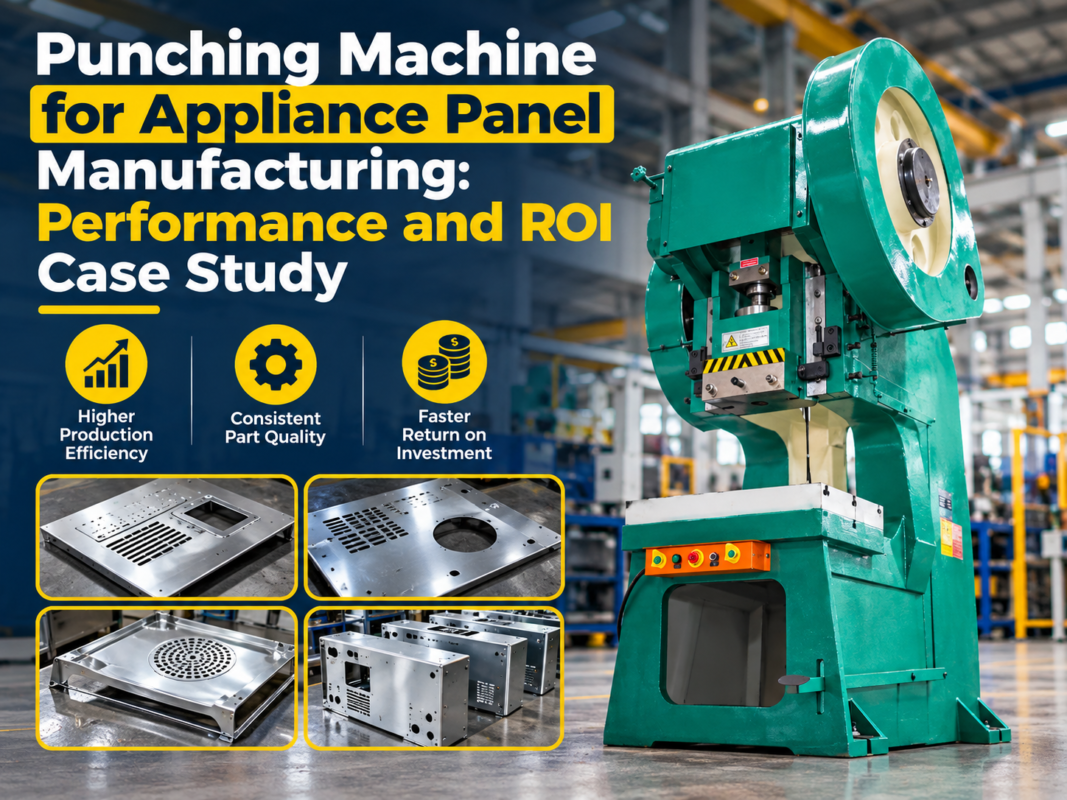
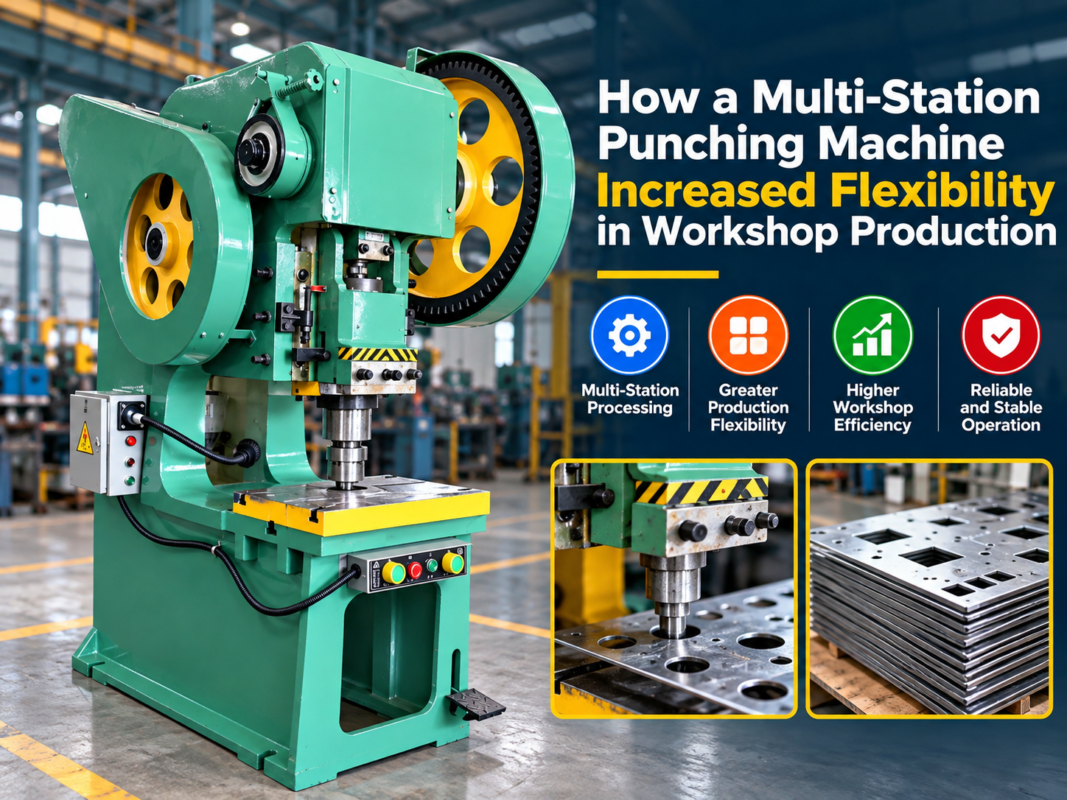
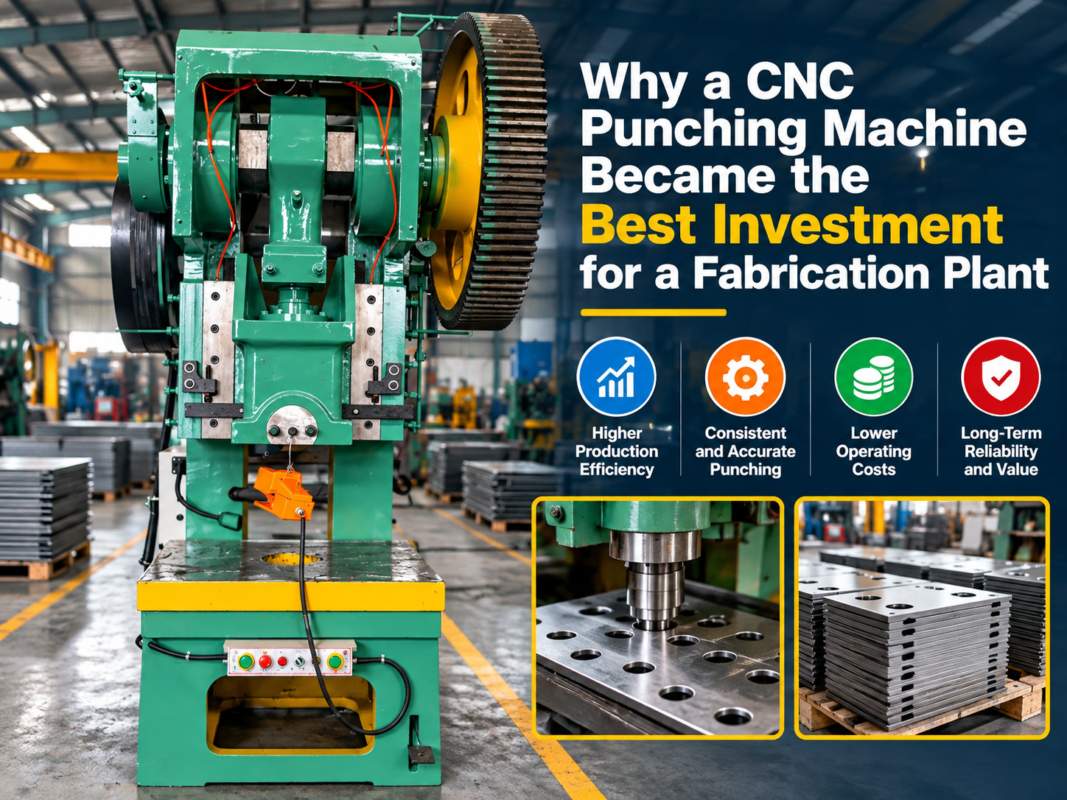
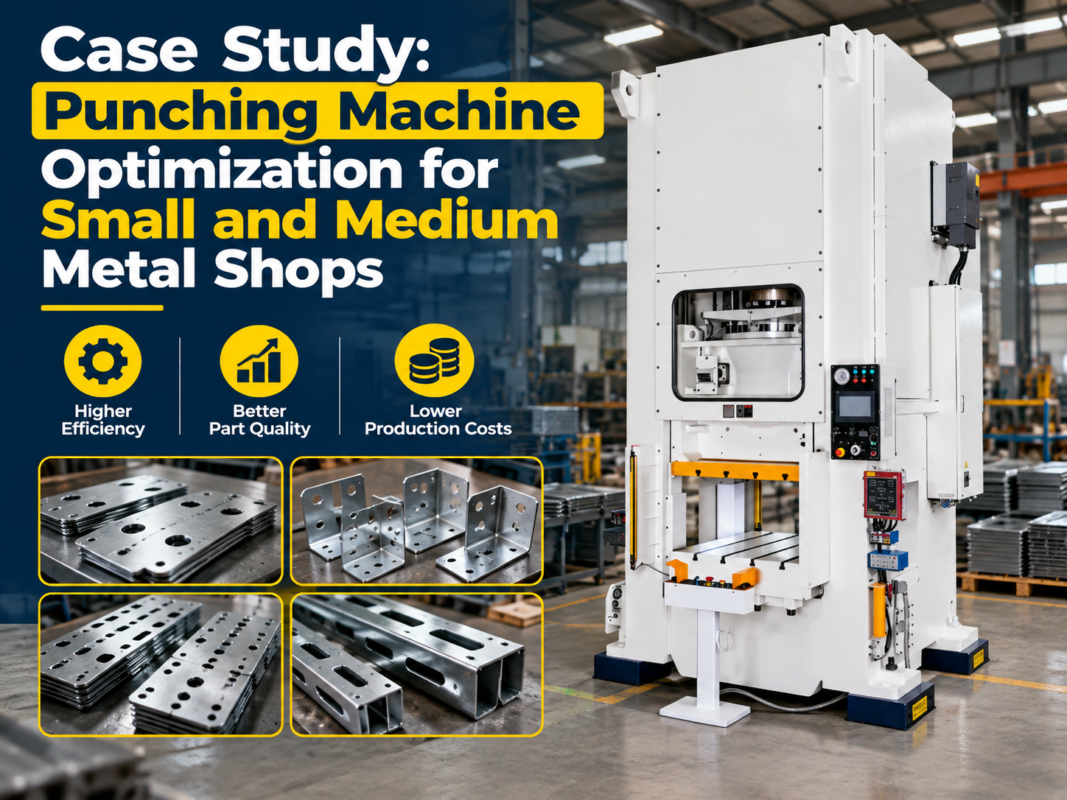
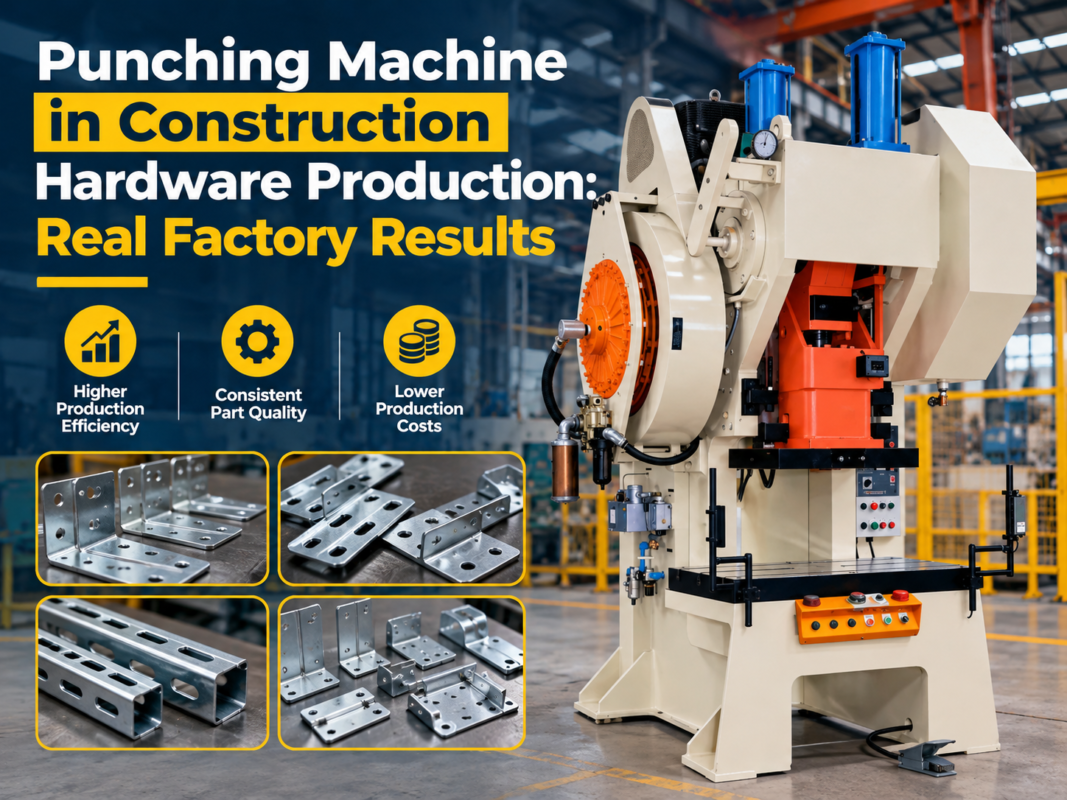
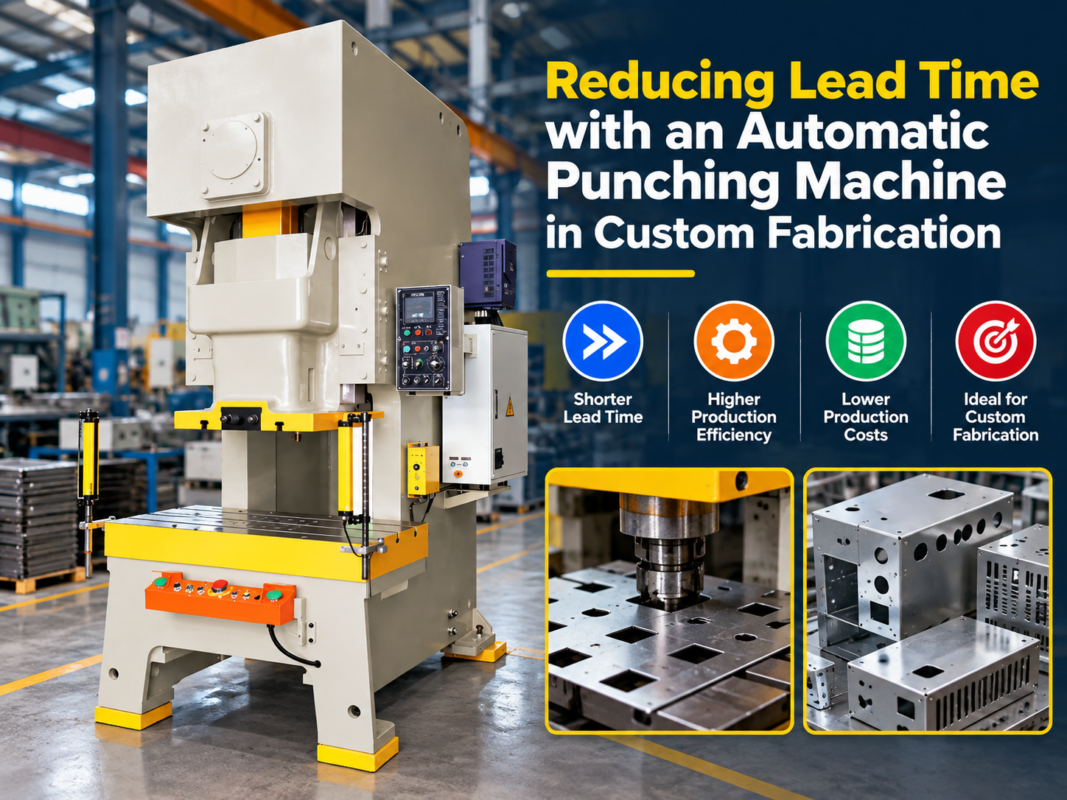
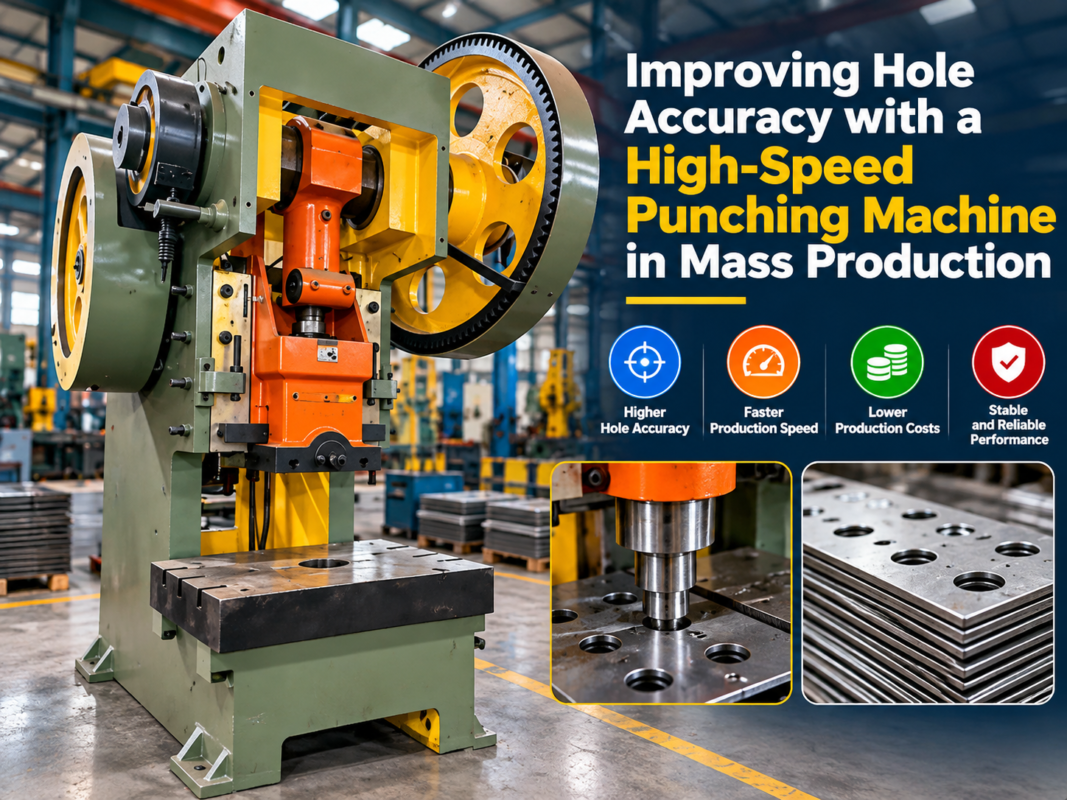
Punching Machine Case Study: Better Consistency In Mass-Produced Metal Brackets


Introduction
In the competitive landscape of modern metal fabrication, the demand for high-volume, high-precision components has never been greater. For manufacturers producing metal brackets, consistency is not merely a quality goal—it is a survival requirement. When producing thousands of units per shift, even a microscopic deviation in hole placement or edge quality can lead to assembly failures, increased scrap rates, and costly downtime. This article explores a comprehensive Punching Machine Case Study: Better Consistency In Mass-Produced Metal Brackets, highlighting how HARSLE technology transforms production workflows.
The transition from manual or semi-automated processes to advanced CNC punching solutions represents a significant milestone for fabrication shops. By integrating automated tool changing, high-speed indexing, and precision-controlled hydraulic systems, manufacturers can achieve a level of repeatability that was previously unattainable. This case study examines a specific scenario where a mid-sized fabrication firm struggled with inconsistent bracket dimensions and how the implementation of HARSLE machinery resolved these bottlenecks.
Consistency in mass production is defined by the ability to replicate the exact same part geometry across thousands of cycles. Factors such as material thickness variations, tool wear, and machine vibration often plague traditional setups. By analyzing the technical specifications and operational strategies employed in this case study, we provide a blueprint for other manufacturers looking to optimize their metal bracket production lines.
As we delve into the technical details, it is important to understand that the punching machine is the heart of the fabrication cell. Whether dealing with stainless steel, aluminum, or carbon steel, the machine must maintain structural rigidity and positional accuracy. HARSLE’s approach to engineering focuses on minimizing thermal expansion and maximizing structural integrity, ensuring that the first bracket of the day is identical to the last.
Key Considerations for Mass-Produced Metal Brackets
When scaling up the production of metal brackets, the primary challenge is maintaining tight tolerances across large batches. The first consideration is material handling. Inconsistent feeding mechanisms often lead to misaligned holes, which can render an entire batch of brackets useless. Automated sheet loading and unloading systems are essential to ensure that the material is presented to the punch head with perfect alignment every time.
Tooling longevity is another critical factor. In high-volume production, tool wear is the silent killer of consistency. As a punch wears down, the clearance between the punch and die changes, leading to burrs and distorted hole shapes. Our case study highlights the importance of using high-quality, coated tooling and implementing a predictive maintenance schedule that monitors punch cycles to prevent degradation before it impacts part quality.
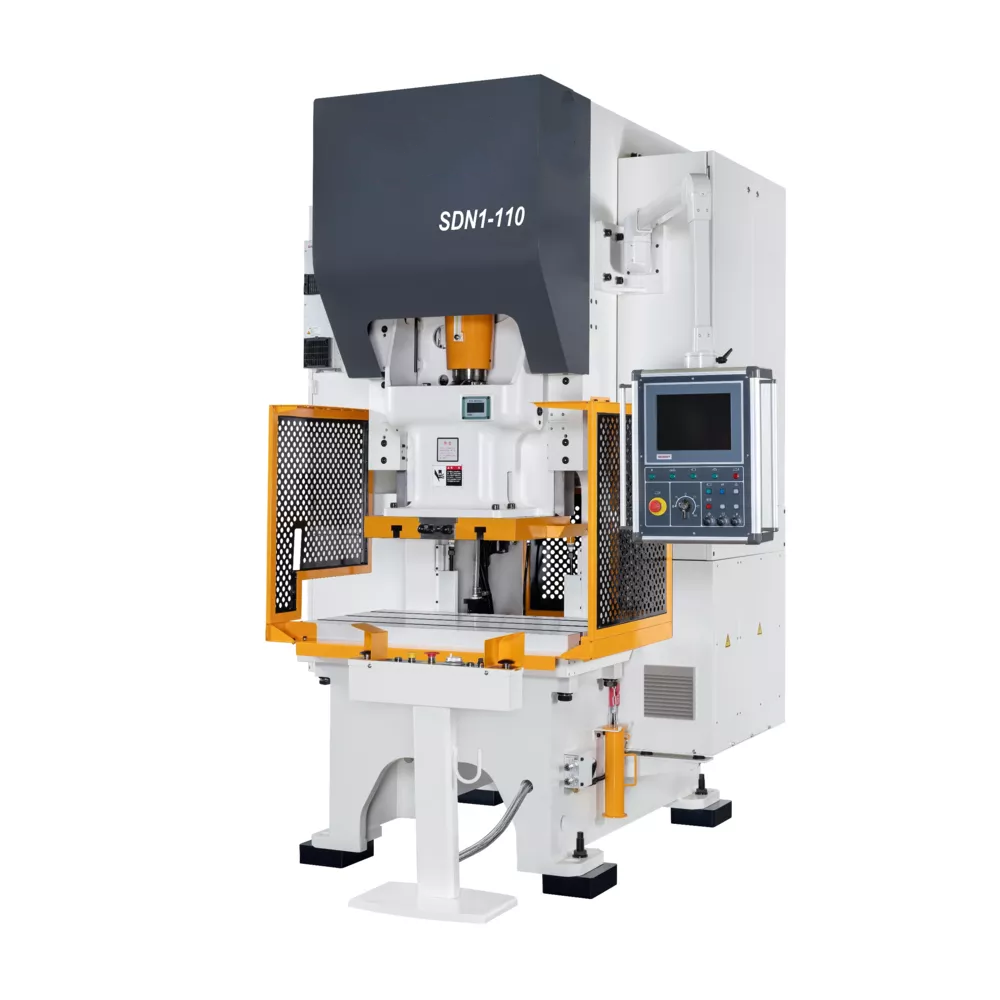
Vibration control and machine rigidity are often overlooked. High-speed punching generates significant kinetic energy. If the machine frame is not sufficiently rigid, this energy causes micro-vibrations that affect the accuracy of the punch stroke. HARSLE machines utilize heavy-duty, stress-relieved steel frames designed to dampen these vibrations, ensuring that the punch remains perfectly perpendicular to the material surface throughout the entire operation.
Finally, software integration plays a pivotal role. Modern punching machines are driven by sophisticated CAD/CAM software that optimizes the nesting of parts on a sheet. By minimizing the distance between parts and optimizing the punching sequence, software reduces the internal stress on the metal sheet, preventing warping and ensuring that the final brackets are flat and dimensionally accurate.
Technical Details: The HARSLE Advantage
The core of the HARSLE solution lies in its precision-engineered hydraulic and mechanical systems. In our case study, the client utilized a HARSLE CNC Turret Punching Machine, which features a high-speed servo-driven system. This system allows for rapid tool indexing, reducing the time spent on tool changes while maintaining an accuracy of ±0.1mm. This level of precision is vital when dealing with complex bracket designs that require multiple hole sizes and shapes.
The hydraulic system is designed for consistent pressure delivery. Unlike older mechanical presses that may experience pressure drops during long runs, HARSLE’s hydraulic units are equipped with advanced sensors that monitor oil temperature and pressure in real-time. This ensures that the force applied to the punch is constant, regardless of how long the machine has been running. This stability is the key to achieving uniform hole quality across thousands of brackets.
Another technical highlight is the programmable stroke depth. Different materials and thicknesses require specific punch depths to achieve the cleanest shear. HARSLE machines allow operators to save these parameters in a library, ensuring that every time a specific bracket design is loaded, the machine automatically adjusts its stroke to the optimal setting. This eliminates human error and drastically reduces setup times during job changeovers.
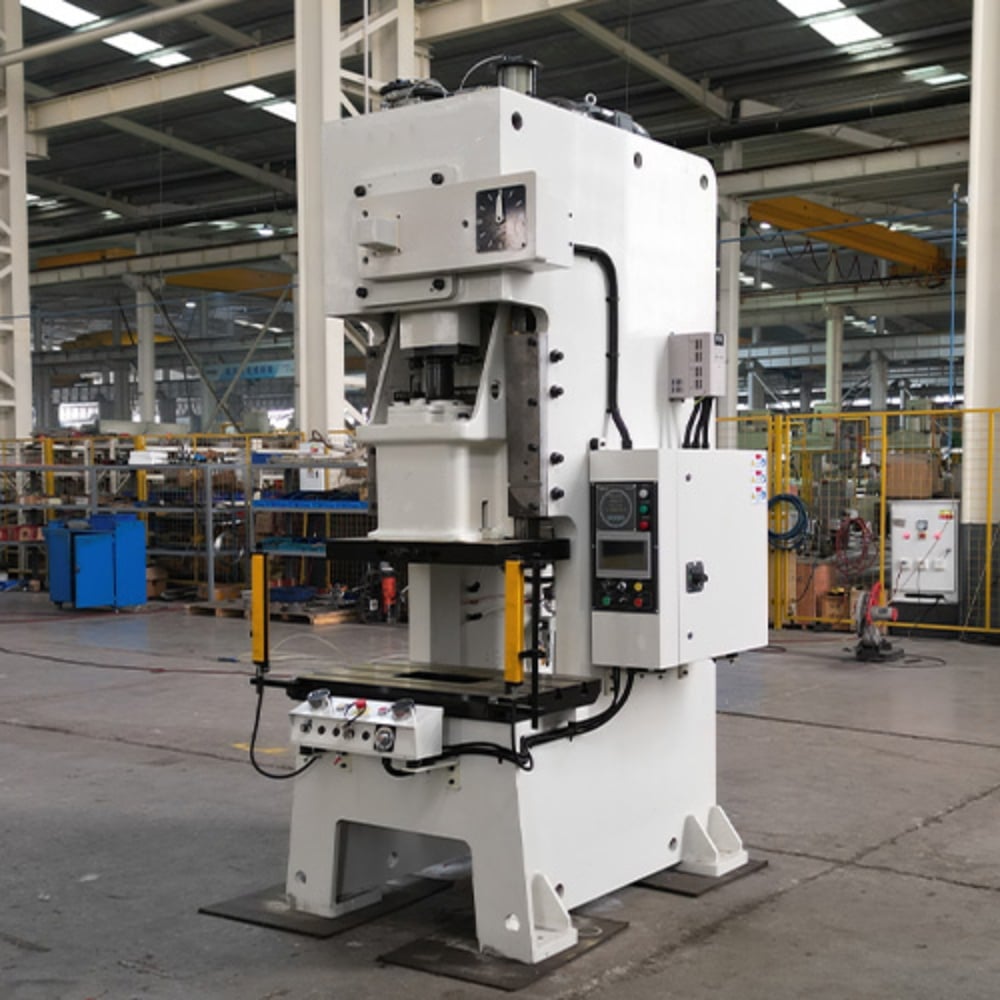
The turret design itself is a masterpiece of industrial engineering. With a high number of tool stations, the machine can hold a wide variety of punches and dies, allowing for the production of complex brackets without needing to stop for manual tool changes. The indexing stations allow for the rotation of tools, enabling the punching of angled features or complex shapes that would otherwise require secondary operations.
Selection Advice for Fabrication Shops
Choosing the right punching machine is a strategic investment. Before purchasing, manufacturers must conduct a thorough audit of their current production volume and future growth projections. If your shop is currently producing brackets on a manual press, the jump to a fully automated CNC turret punch might seem significant, but the ROI is realized through reduced labor costs and near-zero scrap rates.
Consider the material range you work with. If you primarily process thin-gauge steel, a high-speed mechanical or servo-electric punch might be ideal. However, if your bracket production involves thicker plates or exotic alloys, a heavy-duty hydraulic punching machine is necessary to provide the required tonnage. HARSLE offers a range of machines tailored to these specific needs, and our consultants work closely with clients to match the machine capacity to their specific material profile.
Evaluate the software ecosystem. A machine is only as good as the software that drives it. Ensure that your punching machine is compatible with your existing CAD/CAM workflow. The ability to import DXF or DWG files directly into the machine controller saves hours of programming time and reduces the risk of data entry errors. Look for features like automatic nesting, common-line cutting, and tool path optimization.
Finally, consider the support and service infrastructure. Metal fabrication equipment is a long-term asset. You need a partner who provides comprehensive training, readily available spare parts, and responsive technical support. HARSLE prides itself on a global service network, ensuring that your production line stays up and running, minimizing the impact of any unforeseen technical issues.
FAQ: Frequently Asked Questions
How does a CNC punching machine improve consistency compared to manual methods?
CNC machines remove the variable of human error. By using pre-programmed coordinates and automated tool indexing, the machine ensures that every hole is placed with identical precision, regardless of operator fatigue or experience level.
What maintenance is required to keep a punching machine accurate?
Regular maintenance includes lubricating moving parts, checking hydraulic fluid levels, inspecting tool wear, and cleaning the turret stations. Following a strict preventive maintenance schedule is essential for long-term accuracy.
Can HARSLE punching machines handle different types of metal?
Yes, HARSLE machines are highly versatile and can be configured to punch a wide range of materials, including stainless steel, mild steel, aluminum, and copper, provided the machine tonnage is correctly matched to the material thickness and shear strength.
What is the typical ROI for upgrading to an automated punching system?
While the initial investment is higher, the ROI is typically achieved within 18 to 36 months through increased production speeds, reduced material waste, lower labor costs, and the ability to take on higher-volume contracts that were previously unfeasible.
How do I choose the right tonnage for my bracket production?
Tonnage is determined by the perimeter of the hole, the thickness of the material, and the shear strength of the metal. Our technical team can help you calculate the exact tonnage required based on your specific bracket designs.
Conclusion
The Punching Machine Case Study: Better Consistency In Mass-Produced Metal Brackets demonstrates that achieving excellence in manufacturing is a combination of robust hardware, intelligent software, and disciplined maintenance. By upgrading to HARSLE punching technology, the manufacturer in our case study was able to eliminate the inconsistencies that were hindering their growth, resulting in a more efficient, profitable, and reliable production line.
Consistency is the foundation of quality, and quality is the foundation of customer trust. In the world of metal fabrication, where brackets are the silent supports for countless structures and machines, the precision of your punching process matters. Whether you are a small job shop or a large-scale manufacturer, investing in the right equipment is the most effective way to secure your competitive advantage.
We invite you to explore the full range of HARSLE metal fabrication equipment. Our commitment to innovation and quality ensures that your shop is equipped with the tools necessary to meet the challenges of modern manufacturing. Contact our team today to discuss your specific production requirements and discover how we can help you achieve the consistency and precision your business deserves.