
Punching Machine Lubrication Guide: What to Grease, When, and Why


The Critical Importance of Punching Machine Maintenance
In the high-stakes environment of metal fabrication, the punching machine stands as a cornerstone of productivity. Whether you are operating a high-speed CNC turret punch or a robust hydraulic punching press, the longevity and precision of your equipment depend entirely on your maintenance strategy. At HARSLE, we emphasize that maintenance is not merely an expense; it is a strategic investment in operational uptime and product quality.
When components move against one another at high speeds and under immense pressure, friction becomes the primary enemy. Without proper lubrication, metal-on-metal contact leads to galling, overheating, and eventual catastrophic failure. A well-lubricated machine runs cooler, consumes less energy, and maintains the tight tolerances required for modern industrial applications. Ignoring these needs leads to unplanned downtime, which can cost thousands of dollars per hour in lost production.
Furthermore, a consistent maintenance routine serves as a diagnostic tool. By regularly inspecting your machine during the lubrication process, you become intimately familiar with its operational baseline. You will notice subtle changes in vibration, sound, or heat dissipation long before they manifest as a breakdown. This proactive approach is the hallmark of a world-class fabrication facility.
Ultimately, the goal of a comprehensive Punching Machine Lubrication Guide: What to Grease, When, and Why is to empower operators and maintenance teams to take control of their equipment’s health. By understanding the chemical and mechanical requirements of your machine, you ensure that your HARSLE equipment continues to deliver high-precision results for decades rather than years.
Daily Inspection: The First Line of Defense
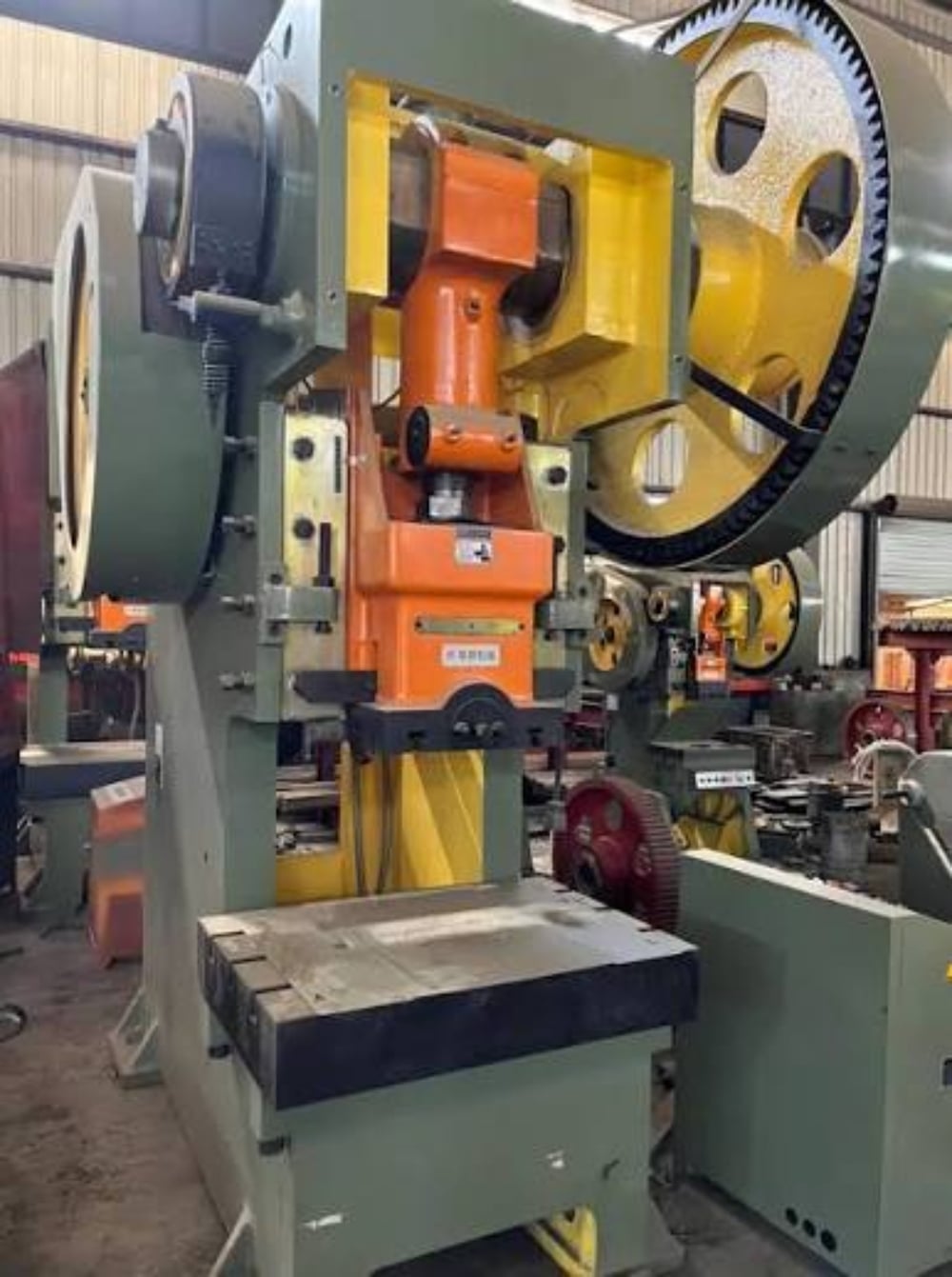
Daily inspections are the bedrock of effective Punching Machine Lubrication: Grease, When, and Why. Before the first shift begins, operators should perform a walk-around to check for visible signs of wear or leakage. This includes inspecting the hydraulic hoses for micro-cracks, checking the oil levels in the reservoir, and ensuring that the lubrication pump is functioning correctly.
The turret and die holder area require special attention during daily checks. Metal shavings and dust are abrasive; if they mix with grease, they create a grinding paste that accelerates wear on guide rails and sliding surfaces. Use compressed air or a soft brush to clear debris from the tool stations before applying any fresh lubricant. A clean machine is a lubricated machine.
Check the lubrication distribution lines daily to ensure there are no blockages. If your machine is equipped with an automated lubrication system, verify that the pressure gauge is within the manufacturer’s specified range. If the pressure is too low, the grease may not be reaching critical friction points, leading to localized overheating.
Finally, listen to your machine. Unusual clicking, grinding, or whining sounds are often the first indicators that a bearing or slide is starving for grease. By documenting these daily observations in a logbook, you create a historical record that can help maintenance managers predict when specific components will reach the end of their service life.
Hydraulic, Electrical, and Mechanical Checks
A punching machine is a complex synergy of systems. While lubrication is vital for mechanical parts, the hydraulic and electrical systems must also be maintained to support the overall health of the unit. For the hydraulic system, the oil must be kept at the correct viscosity and temperature. Contaminated hydraulic fluid can damage valves and seals, leading to pressure drops that affect punch force.
Electrical components, particularly the CNC control cabinet and motor drives, require a clean, dust-free environment. While these do not require grease, they do require regular cleaning of air filters. If the cooling fans fail due to dust buildup, the electronics will overheat, causing intermittent errors that are often misdiagnosed as mechanical issues.
Mechanical checks should focus on the drive train, including ball screws, gears, and linear guides. These components are the heart of your machine’s accuracy. Ensure that the ball screws are free of debris and that the grease applied is compatible with the manufacturer’s specifications. Using the wrong type of grease can cause chemical reactions that degrade the seals on these high-precision parts.
Lastly, examine the safety interlocks and emergency stop systems. While these are not lubrication-dependent, they are critical for operator safety. A machine that is well-lubricated but lacks functional safety systems is a liability. Integrate these checks into your weekly maintenance cycle to ensure that your HARSLE equipment remains both efficient and safe.
The Comprehensive Lubrication Plan
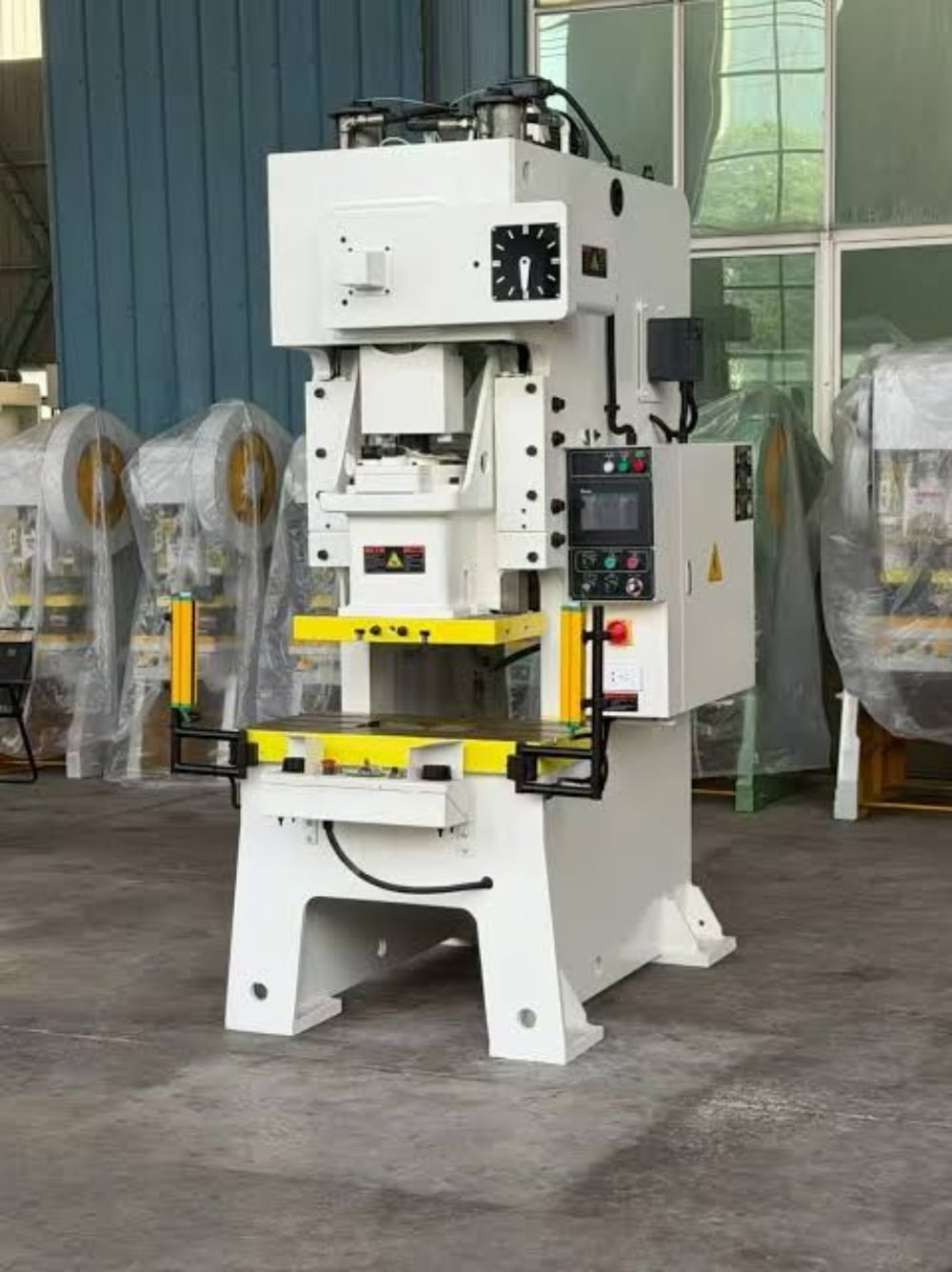
Developing a robust lubrication plan is the core of our Punching Machine Lubrication Guide: What to Grease, When, and Why. Not all greases are created equal. You must use high-pressure, lithium-based, or synthetic greases depending on the specific load and speed requirements of your HARSLE machine. Always consult the technical manual provided with your equipment to ensure compatibility.
The plan should categorize lubrication points by frequency: daily, weekly, monthly, and annually. Daily points usually include the turret guide rails and the punch ram slides. Weekly points often involve the main drive bearings and the tool change mechanism. Monthly tasks should include a full inspection of the lubrication reservoir and the cleaning of the distribution manifold.
When applying grease, cleanliness is paramount. Wipe the grease fitting (zerk) clean before attaching the grease gun to prevent forcing dirt into the bearing. Over-greasing is just as dangerous as under-greasing; it can cause seals to blow out and lead to excessive heat buildup due to internal friction within the grease itself. Follow the “purge and replace” method where possible, ensuring old, contaminated grease is pushed out by the new application.
Documenting every lubrication event is mandatory. Use a digital maintenance management system or a physical logbook to track who performed the service, what lubricant was used, and any observations made. This data is invaluable for warranty claims and for identifying recurring issues with specific machine components.
Troubleshooting Signals: When the Machine Needs Help
Even with a perfect plan, machines can show signs of distress. Recognizing these signals early is the difference between a minor adjustment and a major overhaul. The most common signal is a change in the machine’s operating temperature. If the housing of a motor or a bearing block feels excessively hot to the touch, it is a clear sign of friction-related stress.
Vibration is another critical indicator. If your punching machine begins to exhibit unusual tremors during the punching cycle, check the alignment and lubrication of the linear guides. Misalignment often stems from uneven wear, which is almost always caused by inadequate lubrication over time. If the machine starts to produce burrs on the workpiece, it may be a sign that the punch ram is not moving smoothly, indicating a need for immediate lubrication of the guide surfaces.
Electrical errors, such as “servo alarm” or “overload” messages, can also be linked to mechanical resistance. If the drive motor has to work harder to overcome friction, it will draw more current, eventually triggering an overload protection circuit. Before calling a technician, check the lubrication of the axis being affected.
Finally, pay attention to the smell of the machine. A burnt or metallic odor is a warning sign that metal components are reaching critical temperatures. If you detect this, stop the machine immediately, allow it to cool, and perform a thorough inspection of all lubrication points. Never attempt to “push through” these signals, as the cost of repair will increase exponentially with every cycle.
Maintenance Schedule Table
| Component | Frequency | Action |
|---|---|---|
| Turret Guide Rails | Daily | Clean and apply light grease |
| Punch Ram Slides | Daily | Inspect and lubricate |
| Hydraulic Oil Level | Daily | Check reservoir and top up |
| Drive Bearings | Weekly | Apply high-pressure grease |
| Tool Change Mechanism | Weekly | Clean and lubricate pivot points |
| Lubrication Pump/Filter | Monthly | Clean filter and check pressure |
| Ball Screws | Quarterly | Clean and re-grease |
| Hydraulic Fluid | Annually | Full system flush and replacement |
Frequently Asked Questions (FAQ)
How do I know which grease is right for my HARSLE machine?
Always refer to the HARSLE technical manual provided with your specific model. Using the wrong viscosity or chemical composition can void your warranty and damage precision components.
Can I mix different types of grease?
No. Mixing greases can cause chemical reactions that lead to thickening or separation, rendering the lubricant ineffective. Always clean out old grease before switching brands or types.
What should I do if the lubrication pump fails?
Stop the machine immediately. The lubrication pump is the heart of your machine’s health. Operating without active lubrication will cause permanent damage to the guide rails and bearings within minutes.
How often should I change the hydraulic oil?
Generally, hydraulic oil should be changed annually or every 2,000 operating hours, whichever comes first. However, if your environment is particularly dusty or humid, you may need to perform this service more frequently.
Why is my machine making a grinding noise?
A grinding noise usually indicates that a bearing has failed or that a sliding surface is completely dry. Shut down the machine and inspect the area where the sound is originating. Do not continue operation.
Is there a difference between oil and grease for punching machines?
Yes. Grease is used for slow-to-medium speed, high-load applications like bearings and slides, while oil is typically used for hydraulic systems and high-speed gearboxes. Never substitute one for the other.












