
What to Do When a Laser Cutting Machine Repeats Positioning Errors: A Comprehensive Troubleshooting Guide


Introduction: Understanding Positioning Accuracy in Laser Cutting
In the high-stakes world of modern metal fabrication, precision is the currency of success. When your CNC fiber laser cutting machine begins to exhibit repetitive positioning errors, it doesn’t just slow down production—it compromises the integrity of your entire output. Understanding what to do when a laser cutting machine repeats positioning errors is essential for any shop floor manager or maintenance technician aiming to maintain high-quality standards.
Positioning errors occur when the laser head fails to return to the exact coordinates commanded by the CNC controller. This can manifest as misaligned cuts, jagged edges, or parts that simply do not fit together during assembly. For HARSLE users and operators of industrial machinery, identifying the root cause of these deviations is the first step toward restoring operational excellence.
This guide explores the mechanical, electrical, and software-related factors that contribute to positioning drift. By systematically addressing these components, you can minimize downtime and extend the lifespan of your metal fabrication equipment. Whether you are dealing with minor calibration drifts or significant mechanical backlash, this article provides the technical roadmap needed to diagnose and resolve these persistent issues.
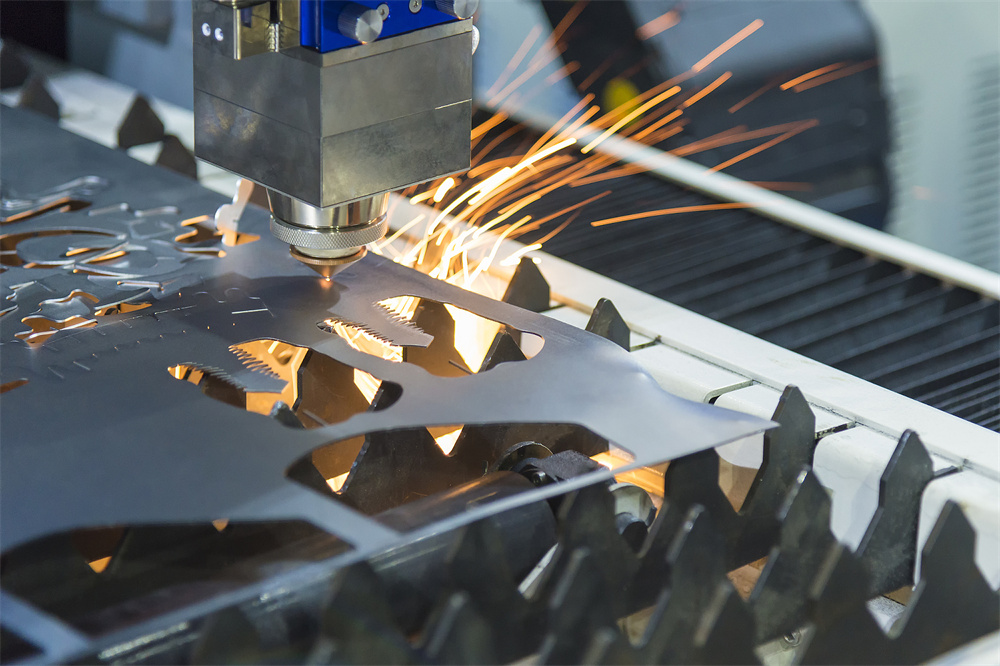
Key Considerations: Identifying the Source of the Error
Before diving into complex repairs, it is vital to categorize the error. Is the inaccuracy consistent across the entire bed, or does it occur only in specific zones? Is the error related to the X-axis, the Y-axis, or a combination of both? By observing the pattern of the error, you can narrow down the potential culprits significantly.
Environmental factors are often overlooked but play a massive role in positioning accuracy. Temperature fluctuations in the workshop can cause the metal frame of the machine to expand or contract, leading to subtle shifts in the coordinate system. Ensure that your facility maintains a stable climate, as extreme heat or cold can affect the sensitivity of the sensors and the tension of the drive belts.
Another key consideration is the material handling process. If the sheet metal is not properly secured or if the slats of the cutting bed are worn, the material may shift slightly during the cutting process. This movement is often mistaken for a machine positioning error. Always inspect your worktable and clamping mechanisms before assuming the CNC controller is at fault.
Finally, consider the software and G-code parameters. Sometimes, the error is not mechanical but logical. Check your acceleration and deceleration settings in the CNC software. If the machine is programmed to move too quickly for its current mechanical state, it may overshoot its target, leading to repetitive positioning errors that appear mechanical in nature but are actually software-driven.
Technical Details: Mechanical and Electrical Troubleshooting
When you need to know what to do when a laser cutting machine repeats positioning errors, you must look at the drive system. The most common mechanical cause is backlash in the rack and pinion or ball screw assemblies. Over time, the teeth of the rack can accumulate debris, or the pinion gear may develop play. Regularly cleaning these components and applying the correct lubricant is non-negotiable for maintaining precision.
Electrical interference and grounding issues can also cause the servo motors to lose their position. If the motor encoders are receiving noisy signals, the controller may misinterpret the actual location of the laser head. Ensure that all electrical cables are shielded and that the machine is properly grounded according to the manufacturer’s specifications. A loose connection in the encoder cable is a frequent, yet easily overlooked, cause of intermittent positioning drift.
The servo motor tuning parameters are another critical technical area. If the gain settings are too high, the motor may oscillate as it tries to reach the target, causing a jittery movement that results in positioning errors. Conversely, if the gain is too low, the motor will be sluggish and fail to reach the exact coordinate. Re-tuning the servo loops is a task that should be performed by a qualified technician using the machine’s diagnostic software.
Furthermore, inspect the drive belts and pulleys. If your machine utilizes a belt-driven system, check for signs of wear, fraying, or improper tension. A loose belt will cause the laser head to lag behind the motor’s rotation, creating a cumulative error that worsens as the machine moves across the table. Tightening these belts to the manufacturer’s recommended tension is a quick fix that often resolves persistent accuracy issues.

Selection Advice: Investing in Reliable Machinery
When purchasing new metal fabrication equipment, the best way to avoid positioning errors is to invest in high-quality, rigid construction. HARSLE machines are designed with heavy-duty frames that minimize vibration and thermal expansion. When evaluating a machine, look for the quality of the guide rails and the precision of the rack and pinion systems. High-end components are less prone to the wear and tear that leads to positioning drift.
Consider the control system’s capabilities. Modern CNC controllers offer advanced features like automatic compensation for mechanical backlash and thermal drift. Choosing a machine with a robust, user-friendly control interface allows your operators to perform quick calibrations and diagnostics, reducing the time spent troubleshooting positioning errors when they do arise.
Think about the long-term support provided by the manufacturer. A machine is only as good as the service behind it. When you choose a partner like HARSLE, you gain access to technical documentation, spare parts, and expert advice. This support network is invaluable when you are trying to determine what to do when a laser cutting machine repeats positioning errors, as it provides a direct line to engineers who understand the specific nuances of your equipment.
Finally, prioritize machines that offer easy access to maintenance points. If a machine is difficult to clean or lubricate, operators are less likely to perform the necessary preventative maintenance. A well-designed machine encourages good habits, which in turn keeps the positioning accuracy within the tight tolerances required for high-precision metal fabrication.
FAQ: Frequently Asked Questions
How often should I calibrate my laser cutting machine?
Calibration frequency depends on usage. For high-volume shops, a monthly check of the X and Y axis alignment is recommended. For lower-volume shops, a quarterly check is sufficient.
Can software updates fix positioning errors?
Sometimes. If the error is caused by a bug in the motion control algorithm, a firmware update from the manufacturer may resolve it. However, most positioning errors are mechanical.
What is the first thing I should check if my cuts are misaligned?
Check the mechanical drive components, specifically the rack and pinion or ball screws, for debris and proper lubrication. Also, verify that the material is securely clamped to the bed.
Why does my machine lose accuracy as the day goes on?
This is likely due to thermal expansion. As the motors and the machine frame heat up, the physical dimensions change slightly. Ensure your workshop has adequate ventilation and temperature control.
Is it safe to adjust the servo motor gains myself?
Only if you are trained to do so. Incorrectly adjusting these parameters can lead to motor damage or erratic machine behavior. Always consult the HARSLE technical manual first.
Conclusion: Maintaining Precision for Long-Term Success
Knowing what to do when a laser cutting machine repeats positioning errors is a hallmark of a professional fabrication shop. By systematically inspecting your mechanical drive systems, monitoring electrical connections, and maintaining a stable environment, you can ensure that your HARSLE laser cutting machine continues to deliver the precision your customers demand. Remember that preventative maintenance is always more cost-effective than emergency repairs.
As you continue to refine your processes, keep detailed logs of your maintenance activities and any positioning errors you encounter. This data will help you identify trends and predict when components might need replacement, allowing you to schedule maintenance during planned downtime rather than during a critical production run. With the right approach to troubleshooting and a commitment to quality, your metal fabrication equipment will remain a reliable asset for years to come.
Ultimately, the goal is to create a culture of precision. When every operator understands the importance of machine health and knows the steps to take when performance dips, the entire shop benefits. Use this guide as a reference point, and do not hesitate to reach out to HARSLE support if you encounter issues that fall outside the scope of standard maintenance. Your success in the metal fabrication industry is built on the accuracy of every cut, and we are here to help you maintain that standard.












