
Why a Laser Cutting Machine Leaves Rough Edges and How to Improve Them: A Comprehensive Guide


Introduction
In the precision-driven world of metal fabrication, achieving a clean, burr-free edge is the hallmark of professional craftsmanship. However, many operators frequently ask: why a laser cutting machine leaves rough edges and how to improve them? When a laser cutting machine leaves rough edges, it not only compromises the aesthetic appeal of the finished product but can also lead to costly secondary processes like grinding, deburring, or filing. Understanding the root causes of these imperfections is essential for any workshop aiming to maximize efficiency and output quality.
At HARSLE, we recognize that laser cutting is a complex interplay of physics, gas dynamics, and software parameters. Whether you are working with stainless steel, carbon steel, or aluminum, the quality of the cut is dictated by the synchronization of the laser beam, the assist gas, and the mechanical stability of the machine. This guide explores the technical nuances behind edge roughness and provides actionable strategies to ensure your production line maintains the highest standards of precision.
When a laser cutting machine leaves rough edges, it is rarely due to a single factor. Instead, it is usually a combination of incorrect focal positions, improper gas pressure, or worn-out consumables. By systematically addressing these variables, operators can transform a subpar cut into a mirror-like finish. This article serves as a deep dive into the technical adjustments required to optimize your HARSLE laser cutting equipment for superior performance.
Ultimately, the goal of every metal fabricator is to minimize downtime and material waste. By mastering the relationship between cutting speed, power, and gas flow, you can significantly reduce the frequency of rough edges. We will walk you through the diagnostic steps necessary to identify the source of the problem and the specific adjustments needed to rectify it, ensuring your metal fabrication equipment operates at peak capacity.
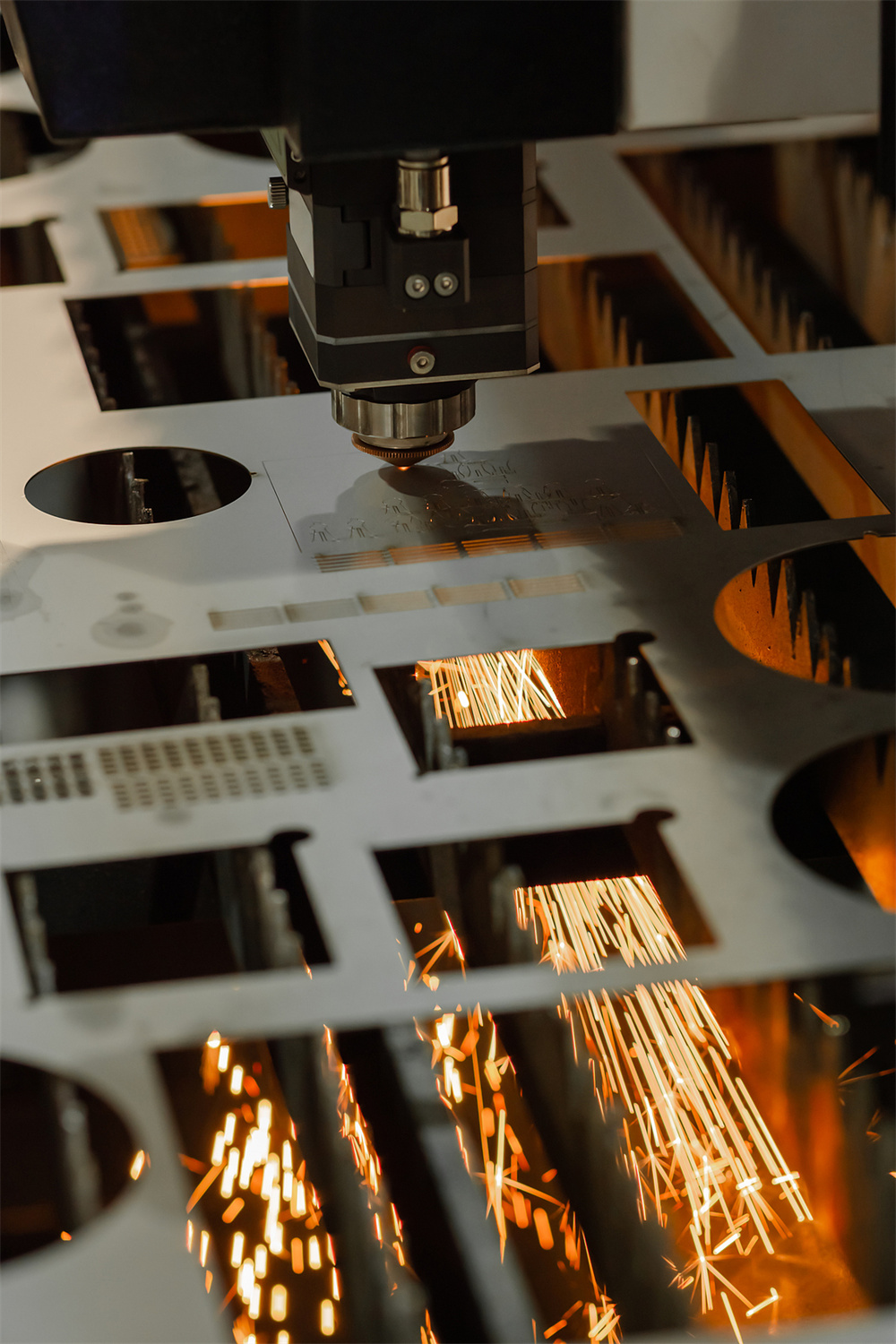
Key Considerations for Laser Cut Quality
The first step in troubleshooting is understanding the material properties. Different metals react differently to laser energy. For instance, carbon steel often requires oxygen as an assist gas, which creates an exothermic reaction that aids the cutting process. If the oxygen purity is low or the pressure is inconsistent, the oxidation process becomes uneven, leading to rough, jagged edges. Conversely, nitrogen is typically used for stainless steel to prevent oxidation, and any contamination in the gas line can immediately degrade the edge quality.
Another critical factor is the condition of the lens and nozzle. A dirty or damaged lens will scatter the laser beam, preventing it from focusing into a tight, high-energy point. This leads to a wider kerf and increased heat-affected zones, which are primary contributors to rough edges. Regularly inspecting your optics is not just a maintenance task; it is a fundamental requirement for consistent cut quality. If the nozzle is misaligned or worn, the gas flow will become turbulent, failing to clear the molten metal effectively.
Cutting speed is a delicate balance. If the machine moves too fast, the laser beam does not have enough time to penetrate the material fully, leaving behind striations or “drag lines.” If the machine moves too slowly, the excess heat causes the material to melt uncontrollably, resulting in dross buildup and a rough, uneven edge. Finding the “sweet spot” for your specific material thickness is essential for achieving a smooth, professional finish.
Finally, consider the mechanical health of the machine. Vibrations, loose belts, or worn-out guide rails can introduce micro-oscillations into the cutting head. Even the slightest instability in the machine frame can manifest as ripples or roughness on the cut edge. Ensuring that your HARSLE laser cutting machine is properly leveled and that all mechanical components are tightened is a prerequisite for high-precision fabrication.
Technical Details: Troubleshooting the Cut
To address the question of why a laser cutting machine leaves rough edges and how to improve them, we must look at the focal point. The focal position determines where the laser’s energy is most concentrated. If the focal point is set too high or too low relative to the material surface, the beam diameter at the point of impact increases, leading to a wider, less precise cut. Adjusting the focal position based on the material thickness and type is one of the most effective ways to improve edge smoothness.
Gas pressure management is equally vital. The assist gas serves two purposes: it cools the material and blows away the molten metal. If the pressure is too low, the molten material remains in the kerf, cooling and hardening into dross. If the pressure is too high, it can cause turbulence, which disrupts the laser beam and creates uneven striations. Operators should consult the HARSLE parameter library to ensure the gas pressure is optimized for the specific material gauge being processed.
The laser power settings must also be calibrated. High power is necessary for thicker materials, but it must be balanced with the feed rate. If the power is too high for a slow feed rate, the material will burn, creating a rough, charred edge. If the power is too low, the laser will struggle to cut through, leading to incomplete penetration and burrs. Utilizing pulse frequency modulation can also help in managing heat input, allowing for cleaner cuts on thinner sheets.
Lastly, the quality of the assist gas itself cannot be overlooked. Impurities such as oil or moisture in the gas lines can cause erratic cutting behavior. Using high-purity gases and ensuring that your filtration systems are functioning correctly will prevent contaminants from interfering with the laser beam. A clean gas supply is often the hidden factor that separates a mediocre cut from a high-quality, polished edge.
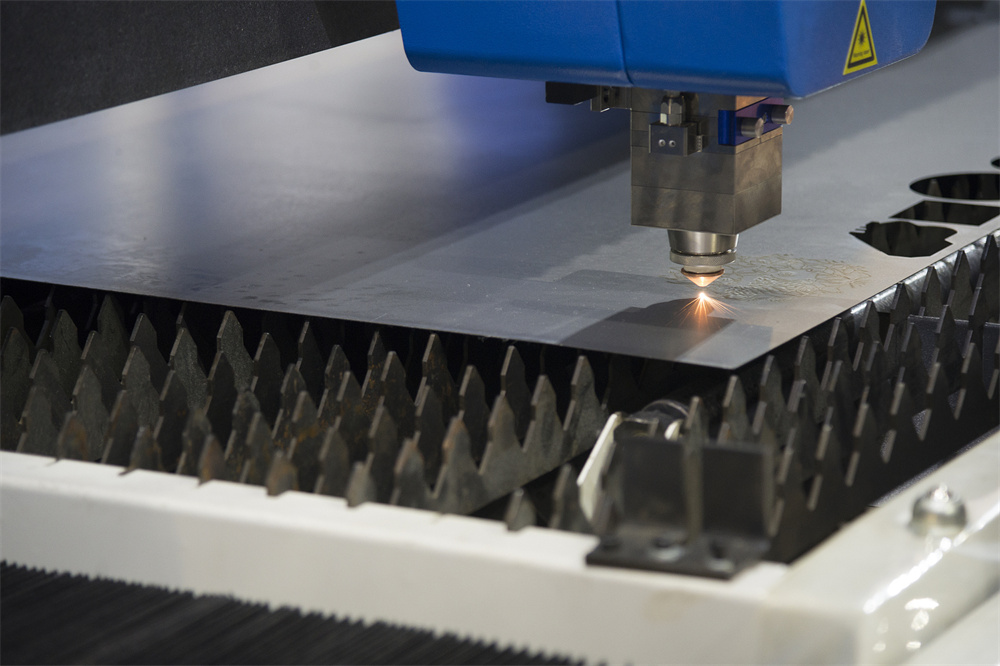
Selection Advice: Choosing the Right Equipment
When selecting a laser cutting machine, it is important to consider the technology’s capabilities relative to your production needs. Fiber laser technology has revolutionized the industry by providing higher beam quality and lower maintenance requirements compared to older CO2 systems. For shops that prioritize edge quality, investing in a machine with advanced auto-focusing heads and real-time monitoring systems can significantly reduce the occurrence of rough edges.
Look for machines that offer robust software integration. Modern HARSLE laser cutters come equipped with intelligent nesting and cutting path optimization software. This software can automatically adjust cutting parameters based on the geometry of the part, ensuring that corners and intricate details are cut with the same precision as straight lines. Choosing a machine with a user-friendly interface allows operators to make fine-tuned adjustments quickly, minimizing the time spent on trial and error.
Consider the rigidity of the machine frame. A heavy-duty, stress-relieved steel frame is essential for dampening vibrations during high-speed cutting. Machines with high-quality servo motors and precision rack-and-pinion systems provide the smooth motion control necessary to avoid the ripples that cause rough edges. When evaluating potential equipment, ask about the machine’s acceleration and deceleration capabilities, as these directly impact the quality of corners and small holes.
Finally, prioritize manufacturer support and training. Even the best machine will produce rough edges if the operator is not trained in proper maintenance and parameter optimization. HARSLE provides comprehensive training and support to ensure that your team understands the intricacies of the machine. Investing in a partner that offers ongoing technical guidance is just as important as the hardware itself when it comes to maintaining high-quality output.
FAQ: Common Questions About Laser Cut Quality
- Q: Why does my laser cut have a heavy burr on the bottom?
A: A bottom burr usually indicates that the cutting speed is too fast or the laser power is too low. Try reducing the feed rate or increasing the power to ensure the molten metal is fully ejected. - Q: How often should I clean my laser lens?
A: The frequency depends on your operating environment, but a daily inspection is recommended. A dirty lens is a leading cause of poor cut quality and potential damage to the laser head. - Q: Does the type of assist gas affect edge smoothness?
A: Yes, absolutely. Oxygen is better for thick carbon steel, while nitrogen is preferred for stainless steel and aluminum to prevent oxidation and ensure a clean, bright edge. - Q: Can worn nozzles cause rough edges?
A: Yes. A worn or damaged nozzle disrupts the gas flow, leading to turbulence that prevents the molten material from being cleared properly, resulting in a rough, uneven edge. - Q: How do I know if my focal point is correct?
A: The best way is to perform a test cut at different focal positions. The setting that produces the narrowest kerf and the smoothest edge is your optimal focal point for that material.
Conclusion
Understanding why a laser cutting machine leaves rough edges and how to improve them is a journey of continuous improvement. By focusing on the core pillars of laser cutting—focal position, gas dynamics, feed rates, and mechanical stability—you can achieve the high-quality results that your customers demand. A laser cutting machine is a powerful tool, but its performance is only as good as the care and precision applied by its operator.
At HARSLE, we are committed to providing the metal fabrication industry with the most reliable and efficient machinery available. We believe that by mastering the technical details outlined in this guide, you can eliminate rough edges and elevate your production standards. Remember that regular maintenance, proper training, and the use of high-quality consumables are the keys to long-term success in the competitive world of metal fabrication.
If you continue to experience issues with your cut quality, don’t hesitate to reach out to our technical support team. We are here to help you troubleshoot your specific challenges and ensure that your HARSLE laser cutting machine remains a cornerstone of your workshop’s success. With the right knowledge and the right equipment, you can turn every cut into a masterpiece of precision engineering.












